
Ranthambore is not just a national park; it's a living, breathing saga that captures the very essence of Rajasthan a dramatic blend of ancient military history, royal hunting tradition, and a thriving, untamed wilderness. When planning a trip here, you're looking for two distinct experiences: the thrilling safari that offers a chance to see the majestic Bengal Tiger, and the profound historical journey through the ruins of its formidable fortress.
The key to a truly rewarding trip lies in understanding that the greatest tourist attractions in Ranthambore are those which marry these two elements: the jungle and the fort. This guide focuses on the must-visit spots, ensuring your itinerary is balanced, memorable, and rooted in the genuine spirit of this exceptional destination.
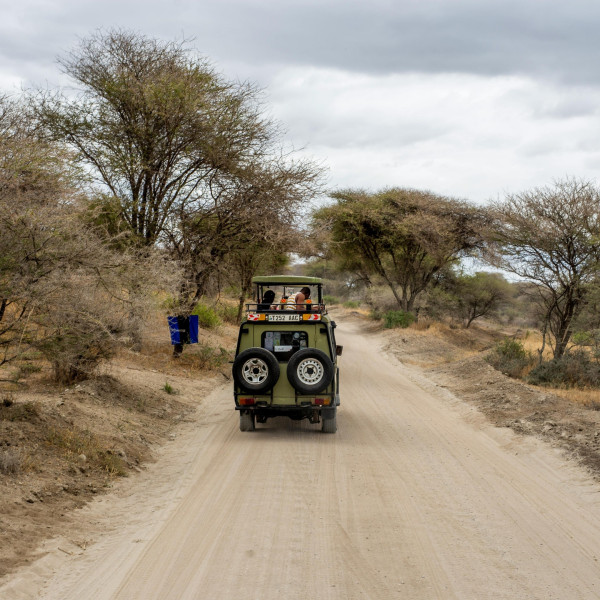
The Core Attraction: Ranthambore National Park
Undoubtedly, the primary draw to the Ranthambore region is the National Park itself, one of the most renowned and best-managed tiger reserves in India.
The Wildlife Safari Experience (Zones 1-10)
This is the heart of any Ranthambore visit. The park covers a huge area, and is divided into multiple zones (currently 10), each offering unique topography and wildlife sighting opportunities.
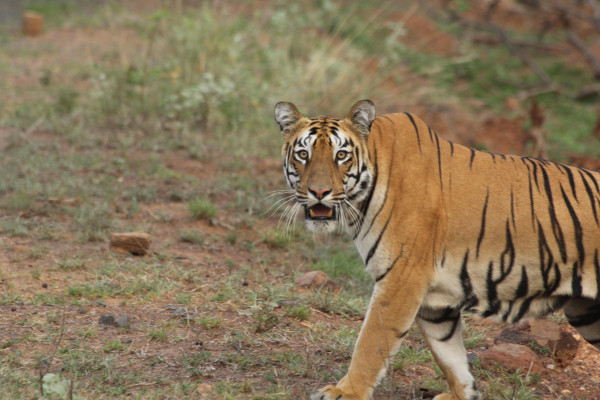
- The Royal Bengal Tiger: While sightings are never guaranteed, Ranthambore has one of the highest densities of tigers in India, making your chances excellent, especially during the dry, hot months (April to June) when tigers frequent the shrinking waterholes, and the cool winter months (October to March) when they bask in the sun.
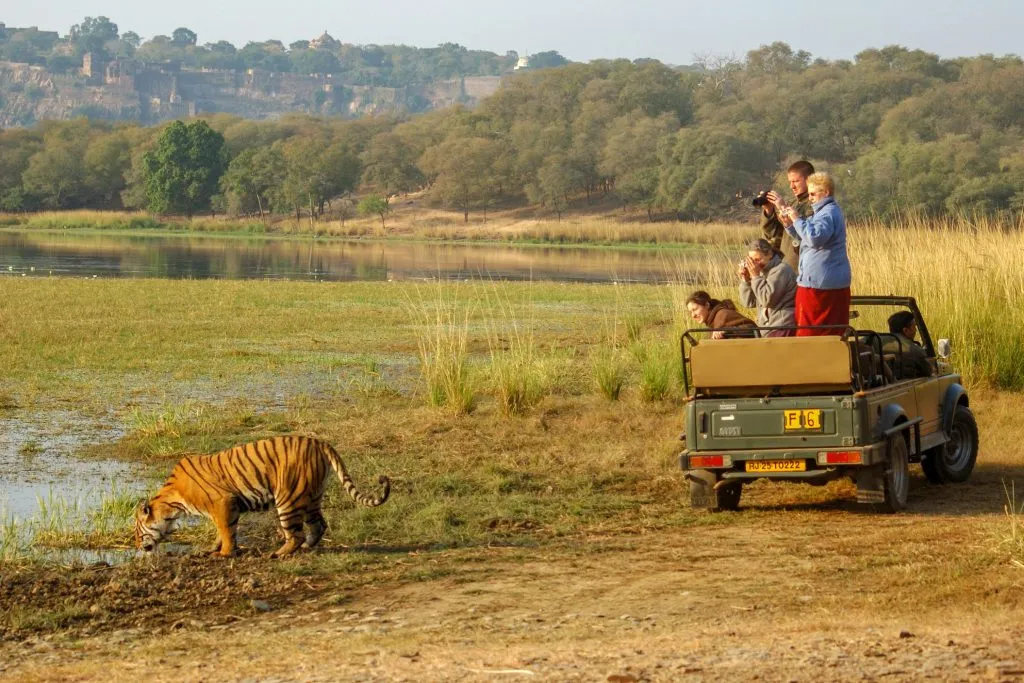
- The Vehicles: Safaris are conducted twice daily (morning and afternoon) in two types of vehicles:
- Jeep (Gypsy): Smaller, faster, and more maneuverable, offering a more intimate experience (accommodates 6 passengers).
- Canter: A larger, open-top bus, which is more cost-effective (accommodates 20 passengers).
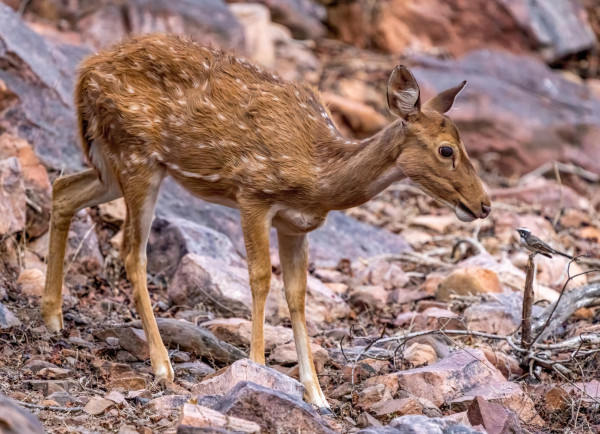
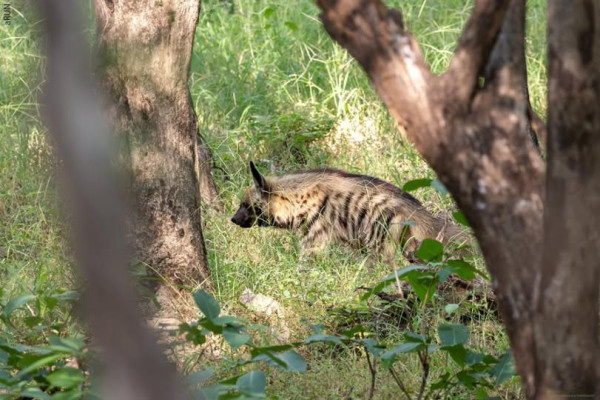
- Other Wildlife: Beyond the Royal Bengal Tiger, keep your eyes peeled for Leopards, Sloth Bears, Striped Hyenas, Sambar and Spotted Deer, Jackals, and various species of reptiles and birds.
The Three Lakes (The Lifeblood of the Park)
Within the core zones of the park (primarily Zones 3, 4, and 5), three major lakes act as critical water sources and wildlife hotspots, serving as essential tourist attractions in Ranthambore.
- Padam Talao: The largest of the three, this lake is famous for its blanket of pink water lilies (Padam means lotus) during the season. It is a crucial hunting and drinking spot for tigers, especially near the picturesque Jogi Mahal ruins on its edge.
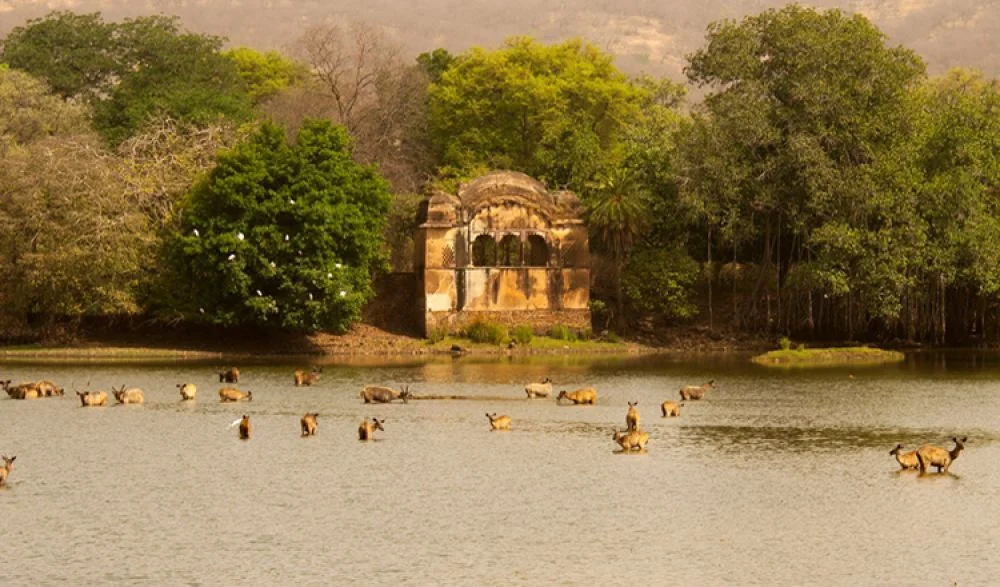
- Malik Talao: A smaller, yet significant water body, this lake is a haven for birdwatchers, hosting various species like kingfishers, herons, and egrets. Mugger crocodiles can also be spotted sunbathing on its banks.
- Raj Bagh Talao: Located between the other two, this lake is surrounded by the fascinating Raj Bagh Ruins (see point 5). It's common to see large herds of Sambar Deer grazing or drinking here.
The Historical Gems: Forts, Temples, and Ruins
The unique character of Ranthambore comes from its history, preserved in the structures found deep within the wilderness.
Ranthambore Fort (A UNESCO World Heritage Site)
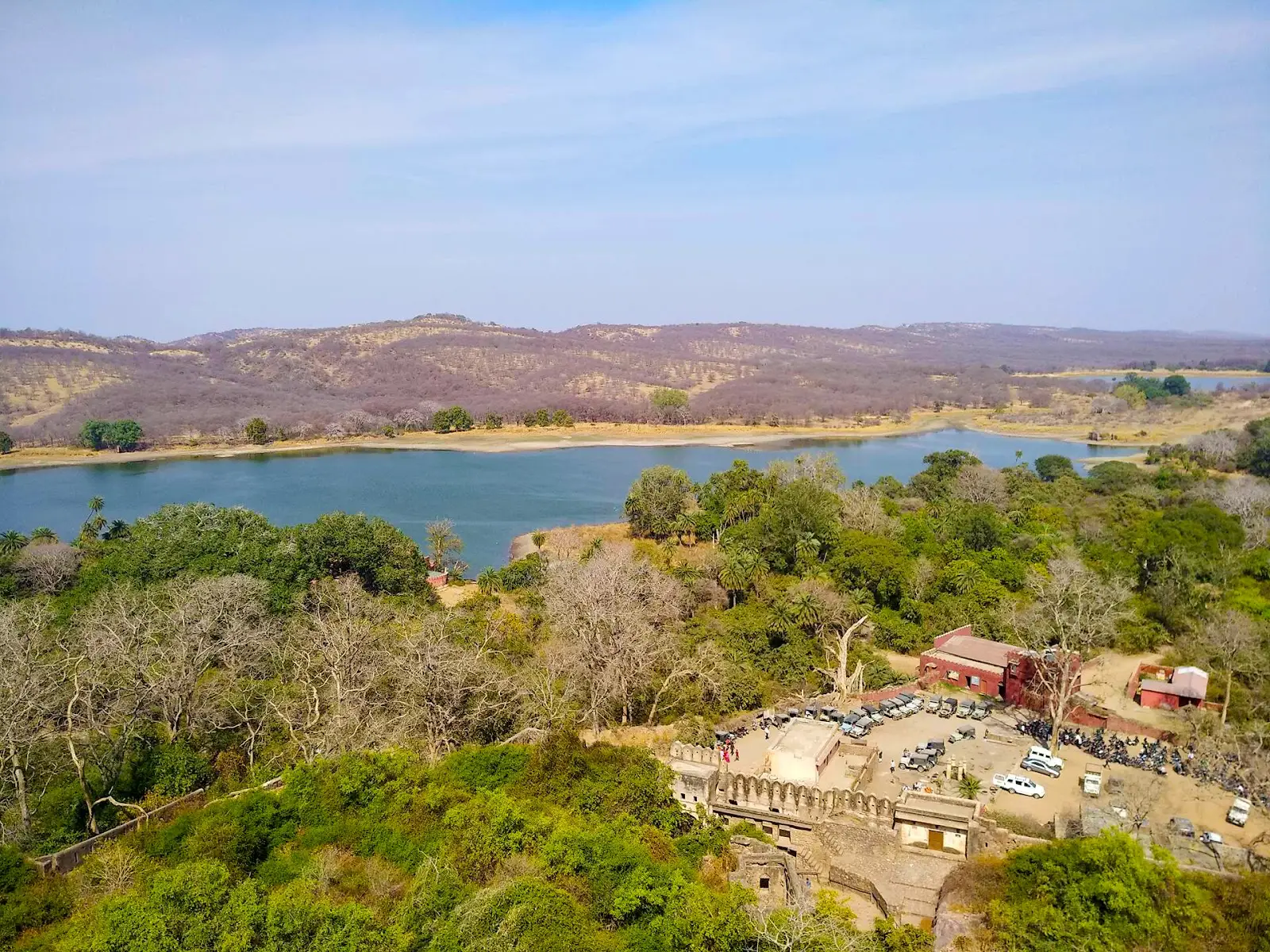
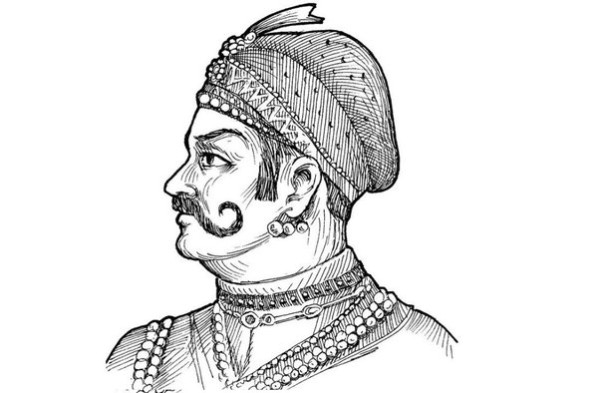
This massive, formidable fortress, dating back to the 10th century, is the most important historical site and one of the best tourist attractions in Ranthambore. It sits atop a 700-foot hill, offering magnificent panoramic views of the entire park.
- History: The fort witnessed epic sieges, including the famous battle in 1301 when the Chauhan ruler Hammir Dev valiantly resisted Alauddin Khilji. Its history is integral to Rajasthan’s legacy of valor.
- Access: It is located within the core zone of the park and is accessible by a separate short drive, usually included in the safari zone permits (primarily Zone 3).
- Views: The vantage points from the fort's ruins are fantastic for spotting wildlife in the valleys below.
Trinetra Ganesh Temple (Inside the Fort)
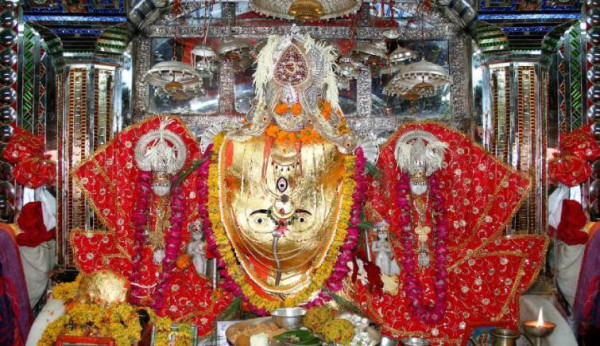
Within the Ranthambore Fort walls lies the highly revered Trinetra Ganesh Temple. It is an ancient and unique temple that attracts thousands of pilgrims every year.
- Significance: It is the only temple in the world where Lord Ganesha is depicted with three eyes (Trinetra). It's also famous for receiving postal mail devotees from around the world send wedding invitations and good luck letters to Ganesha's address here, a tradition rooted in a centuries-old legend.
- Vibe: Visiting the temple offers a moment of cultural calm amidst the wildlife adventure.
Raj Bagh Ruins
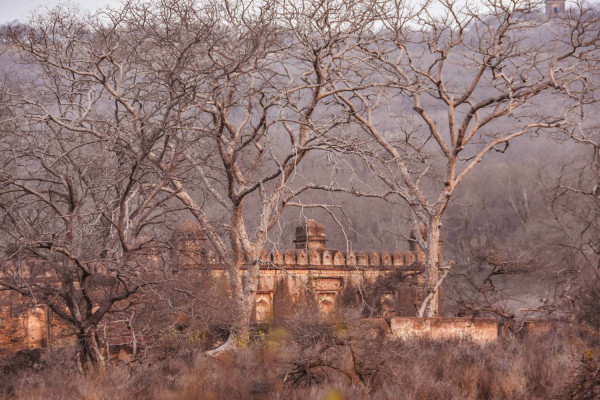
The Raj Bagh Ruins are perhaps the most atmospheric tourist attractions in Ranthambore. These remnants of ancient stone structures domes, arches, steps, and pleasure pavilions are scattered between the forests and the Raj Bagh Talao.
- Photography: The juxtaposition of these crumbling historical structures with the raw, untamed jungle makes for incredible photography.
- Tiger Hotspot: Tigers frequently use the shade of these ruins to rest during the heat of the day, making the area one of the top spots for sightings.
Jogi Mahal
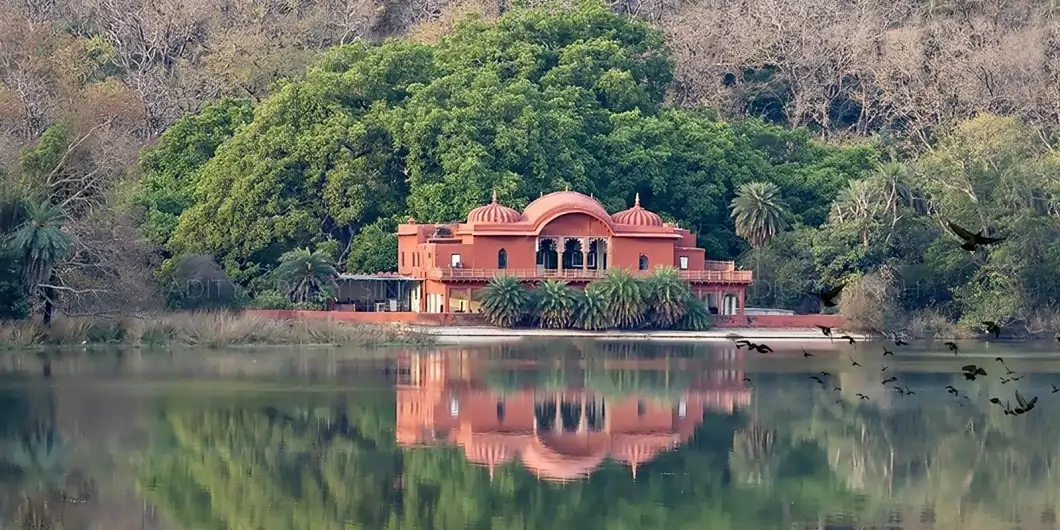
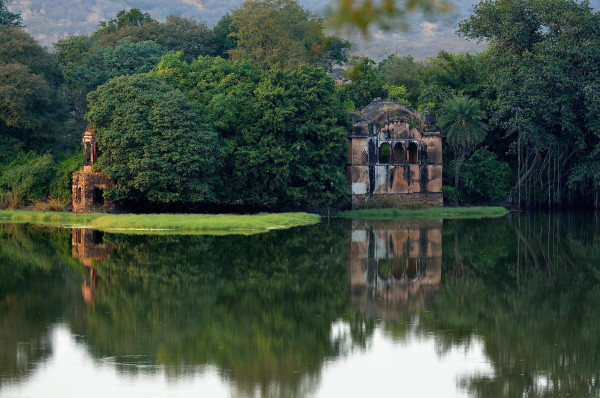
Located on the banks of Padam Talao, the Jogi Mahal is a former royal hunting lodge and guesthouse.
- Historical Note: It was famously home to the world's second-largest Banyan tree, which sadly collapsed in 2017 but remains a significant landmark.
- Present Day: While tourists cannot stay here, the structure and the chhatri (cenotaph) on the lake's edge are beautiful architectural features seen from the safari track.
Beyond the Core Zones: Nature and Culture
Kachida Valley
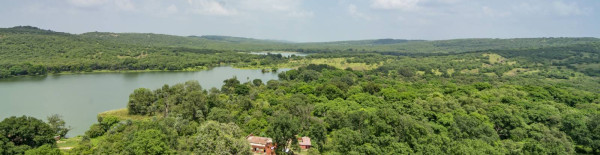
Located on the outskirts of the park, Kachida Valley is known for its rugged landscape and hills.
- Wildlife Focus: This area is particularly noted for sightings of panthers (leopards) and Sloth Bears, which prefer the dense vegetation and rockier terrain away from the main tiger territory.
- Alternative View: It offers a beautiful, scenic drive and a different perspective on the Ranthambore ecosystem.
Lakarda and Anantpura
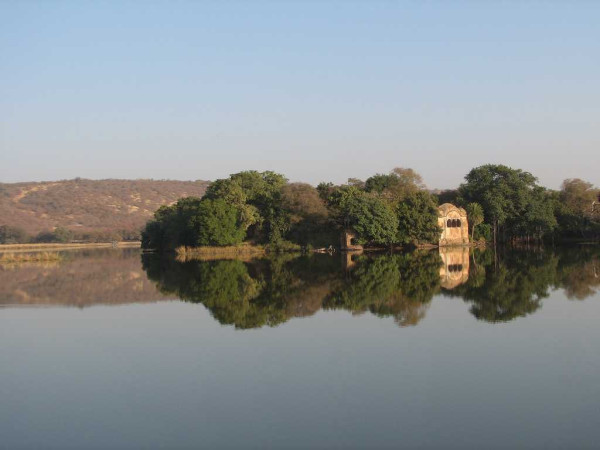
These areas, also part of the reserve, offer a change in scenery and a specific type of wildlife viewing.
- Sloth Bear Territory: The region is largely populated by Sloth Bears and is one of the best places to look for them.
- Striped Hyena: The dry, scrubby terrain of this zone is also home to the elusive Indian Striped Hyena.
Rajiv Gandhi Regional Museum of Natural History (RGRMNH)
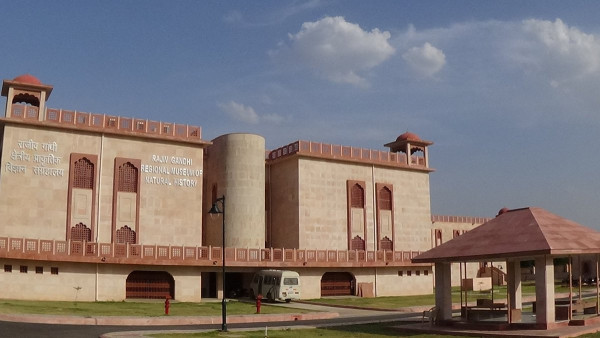
Located 9 km from Sawai Madhopur, this museum is a fantastic educational stop, especially for families and those interested in ecology.
- What it Offers: The museum showcases the natural heritage of the Western India region, focusing on the geology, flora, and fauna of Rajasthan. It provides context to what you see in the park, detailing the importance of conservation.
Amareshwar Mahadev Temple

Situated amidst high hills on the route leading to Ranthambore National Park, this sacred temple offers a peaceful, scenic diversion.
- Religious Significance: Nestled in a natural setting with small waterfalls (seasonal), it is dedicated to Lord Shiva and attracts devotees seeking quiet contemplation.
Village Safari (Sawai Madhopur Region)

To round out your Ranthambore experience, consider a village safari in the surrounding areas of Sawai Madhopur.
- Cultural Immersion: This allows you to interact with the local communities, particularly the Meena tribes, and observe the rural lifestyle, pottery, and traditional Rajasthani craftsmanship. It provides a contrast to the high-stakes tiger chase and offers a deep dive into the local culture.
Ranthambore stands as a powerful testament to India's conservation success and a captivating destination where history truly merges with the wild. By focusing on these tourist attractions in Ranthambore from the thrilling safari in the park to the ancient reverence of the fort and temples you ensure a complete, enriching travel experience.
