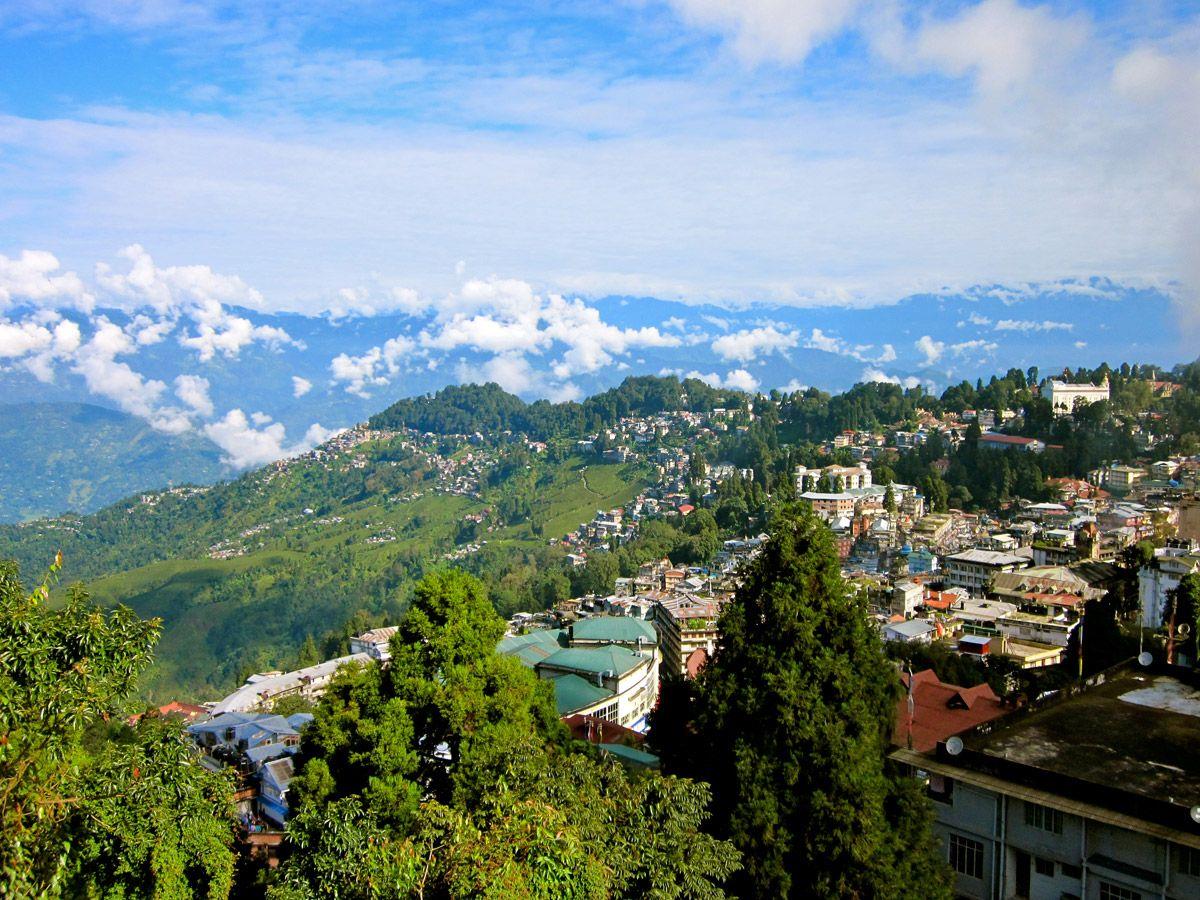
At TicketsToTrip, we believe every couple deserves a dreamy honeymoon filled with love and adventure. July’s refreshing monsoon creates the perfect setting for romance and relaxation. In this guide, we’ll explore the 10 Best Honeymoon Places to Visit in July for Couples, helping you discover destinations that promise unforgettable moments and serene beauty.
1. Dharamshala & McLeod Ganj
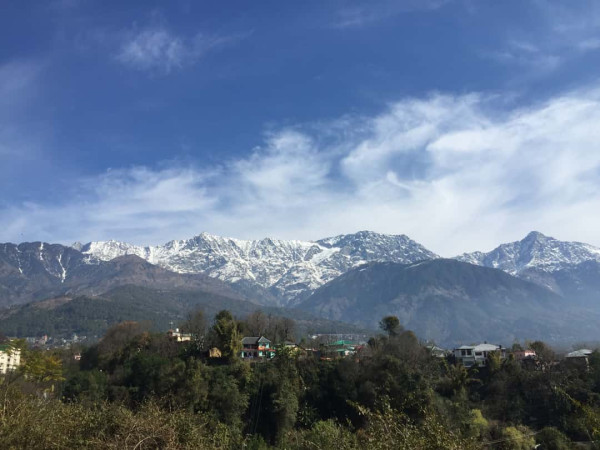
Dharamshala, especially its upper extension, McLeod Ganj (or 'Little Lhasa'), is less about a typical hill station and more about a profound cultural experience. It is the seat of the Dalai Lama and the heart of the Tibetan Government-in-Exile, giving it a unique spiritual and political gravitas.
- Fresh Perspective: Beyond the usual tourist spots like the Dalai Lama Temple Complex (Tsuglagkhang), explore the Norbulingka Institute. This lesser-known gem is dedicated to preserving Tibetan art and culture, offering a tranquil space to witness monks and artisans creating thangkas, metalwork, and sculptures.
- Genuine Experience: Instead of just a day trek to Triund, consider spending time in the nearby, quieter village of Dharamkot. Often called the 'Yoga Village', it's a haven for budget travelers and spiritual seekers, offering authentic yoga, meditation retreats, and a truly relaxed, bohemian vibe.
2. Nainital
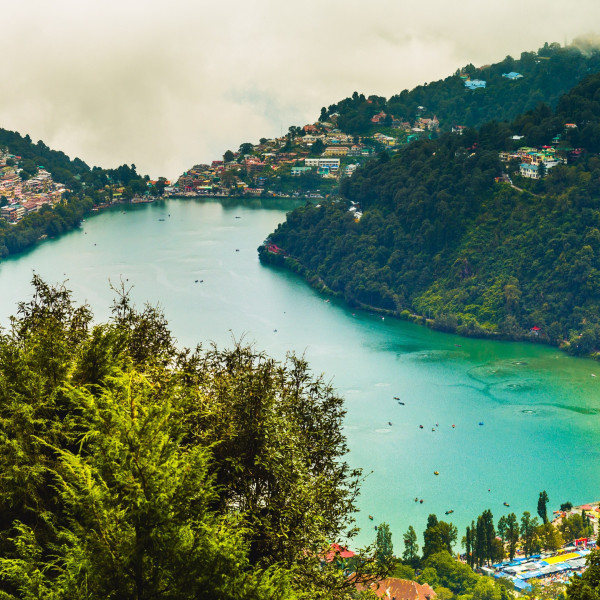
Nainital is famous for its emerald, eye-shaped lake, but the true charm lies in the surrounding, less-trodden paths that offer tranquility away from the mall road rush.
- Fresh Perspective: Escape the crowds by visiting during the Autumn (October to November) or late Winter (February to March). The skies are clearest during this time, offering razor-sharp, breathtaking views of the Himalayan peaks (like Nanda Devi) from Snow View Point or Tiffin Top, which are often obscured by haze in peak summer.
- Genuine Experience: Take a long walk or pony ride to Kilbury, a picturesque forest area about 12 km from the town. It's a paradise for bird-watchers, tucked deep within a dense oak, pine, and rhododendron forest, giving you a quiet, intimate encounter with the Kumaon wilderness.
3. Mysore
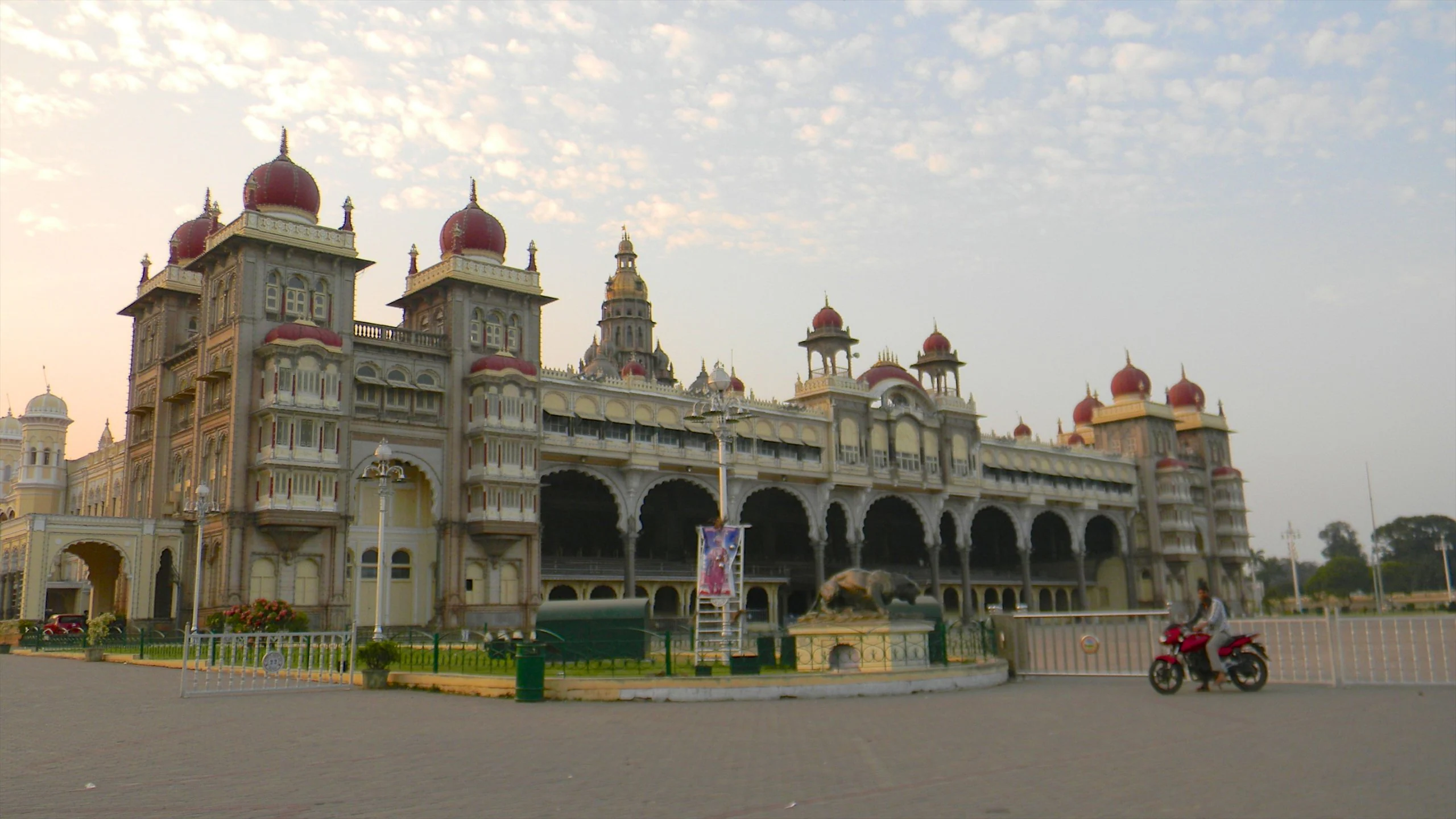
Mysore is globally renowned for its magnificent palace, but its depth as the cultural capital of Karnataka goes far beyond the royal gates.
- Fresh Perspective: Explore the unique Folklore Museum on the Manasagangotri campus, which houses a spectacular collection of regional folk art, costumes, musical instruments, and life-size figures of deities and demons used in traditional dramas. This provides a deep, colourful dive into the state's living traditions.
- Genuine Experience: Wake up early and drive up Chamundi Hills not just for the Chamundeshwari Temple, but to witness the massive, 16-foot-tall monolithic Nandi Bull statue carved out of a single rock. The view of the city waking up from this vantage point is stunning.
4. Madurai
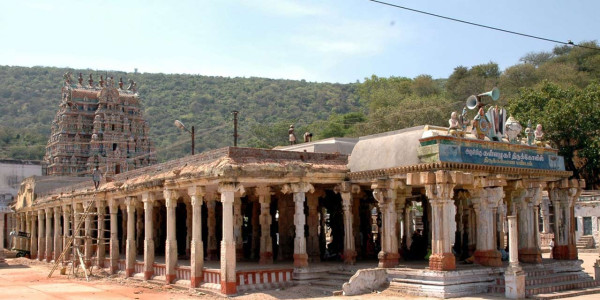
Madurai is one of the world's oldest continuously inhabited cities, with its life revolving around the spectacular Meenakshi Amman Temple.
- Fresh Perspective: The Meenakshi Amman Temple is not just a place of worship; it's an architectural marvel. Focus on the Aayiram Kaal Mandapam (Thousand Pillar Hall), where each of the 985 carved pillars tells a different mythological story. Also, look out for the musical pillars near the main sanctum, which produce different notes when tapped.
- Genuine Experience: Take an evening stroll through the Pudhu Mandapam, a 17th-century pillared hall right outside the temple complex. Once a busy marketplace for clothes and handicrafts, it gives a visceral sense of the city's ancient, bustling trade culture and is an excellent spot to interact with local artisans.
5. Unakoti, Tripura

Unakoti, meaning 'one less than a crore' (99,99,999), is a spectacular but little-known rock-cut marvel in the remote hills of Tripura.
- Fresh Perspective: The site features colossal bas-relief sculptures carved into a vertical hill surface, predominantly dedicated to Lord Shiva. The central, 30-foot-high carving of Shiva, known as Unakotiswara Kal Bhairava, is a breathtaking sight, featuring an elaborate headdress and flanked by figures of Durga and a lion.
- Genuine Experience: The mystery surrounding the carvings' creation whether they were carved by a master artist in a single night or are the result of a divine curse (where all the gods accompanying Shiva to Kashi failed to wake up before sunrise and were turned to stone) adds a mystical layer to the visit. You are stepping into an ancient Shaivite pilgrimage center dating back to the 8th or 9th century.
6. Nighoj, Maharashtra
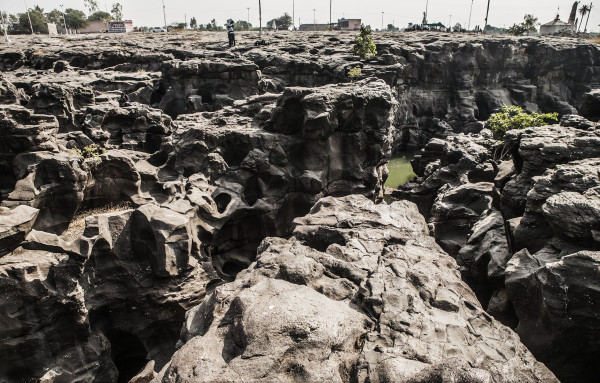
Nighoj is a geological wonder, largely unknown outside of Maharashtra, featuring the largest natural riverbed potholes in Asia.
- Fresh Perspective: The potholes, locally known as Ranjan Khalge, are a marvel of erosion on the bed of the Kukadi River. Over millennia, the river water's force, combined with the rotation of trapped pebbles, has drilled deep, perfectly rounded cavities into the basalt rock. Some of these potholes are over 100 feet deep.
- Genuine Experience: The site offers a unique perspective of a natural canyon formation. You can walk along the edges of the gorge and view the incredible symmetry and depth of the potholes. It's a destination that attracts geologists as much as tourists, making the experience genuinely educational and awe-inspiring.
7. Munnar, Kerala
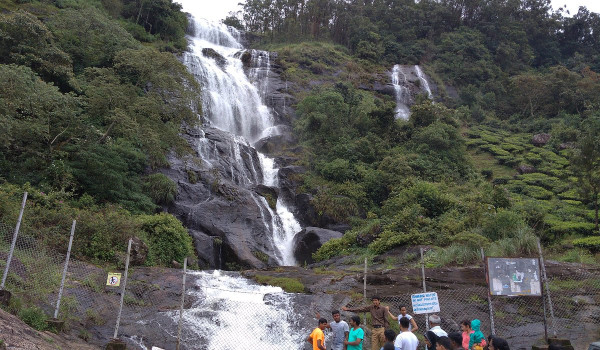
Munnar is the poster child for Kerala's hill stations, famous for its rolling green tea plantations. For a fresh experience, go higher and deeper.
- Fresh Perspective: Visit the Kolukkumalai Tea Estate. At nearly 7,900 feet, it is the highest tea plantation in the world. The journey there is an adventure in itself, often requiring a thrilling jeep ride over rugged terrain. It offers stunning sunrise views over the surrounding hills.
- Genuine Experience: Kolukkumalai still uses a traditional, century-old tea factory that processes tea using classic methods. A factory tour here gives a deeper, more rustic insight into the art of tea-making than the more commercial museums. The flavour of the high-grown tea is truly distinct.
8. Mawlynnong, Meghalaya
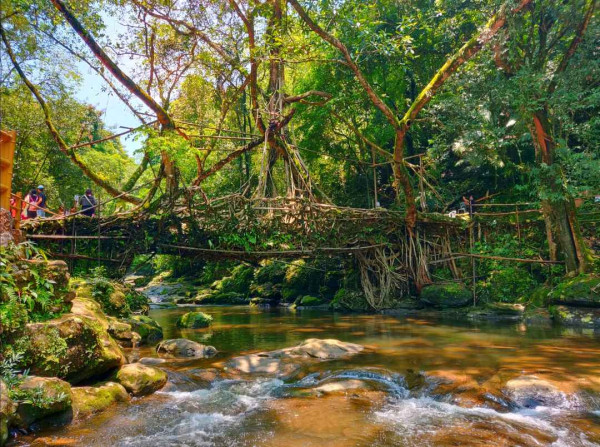
Mawlynnong is famous for the almost mythical title of "Asia's Cleanest Village," which is a testament to the community's ingrained ecological discipline.
- Fresh Perspective: The cleanliness is a result of a living tradition, not just a cleanup drive. Every household takes responsibility, and bamboo dustbins are placed everywhere. This focus on sustainable, conscious living makes the village itself the main attraction.
- Genuine Experience: Walk a short distance to the nearby village of Riwai to see the famous Single-Decker Living Root Bridge (Jingkieng Nongriat). These bio-engineered bridges, grown by the Khasi people from the roots of the Indian Rubber Tree, are a marvel of sustainable architecture unique to Meghalaya. You are witnessing human harmony with nature that takes decades to grow.
9. Pangi Valley, Himachal Pradesh
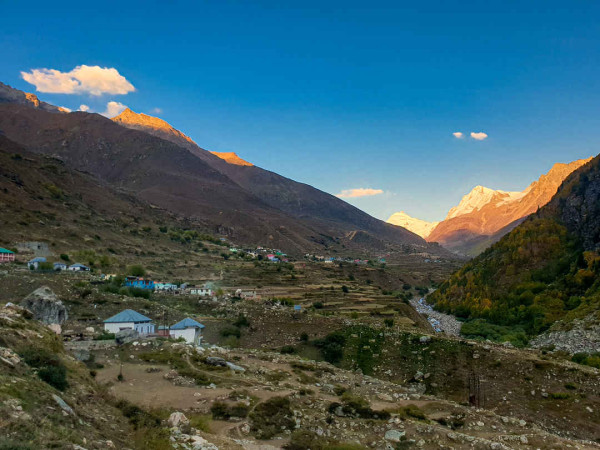
Pangi Valley is one of the most remote and challenging valleys to access in Himachal Pradesh, ensuring a raw, untamed Himalayan experience.
- Fresh Perspective: The valley is accessed primarily via the treacherous but immensely rewarding Sach Pass (4,420 m), open only for a few months in summer. The sheer difficulty of the journey keeps it largely untouched by mainstream tourism. Its inhabitants, the Pangwals, have a distinct culture and lifestyle shaped by the harsh environment.
- Genuine Experience: This is a trekker's paradise. Explore remote, picturesque villages like Killar, Hudan Bhatori, and Sural Bhatori, which are nestled by the mighty Chenab river. The views of the towering Pir Panjal and Zanskar ranges are spectacular and virtually uninterrupted, offering a true "travel beyond civilization" feeling.
10. Laitlum Canyons, Meghalaya
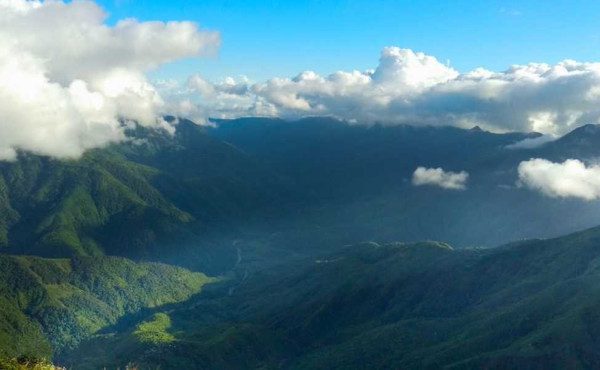
Laitlum Canyons, which translates to the "End of the Hills" in the local Khasi language, lives up to its name, offering a panoramic view that truly feels like the edge of the world.
- Fresh Perspective: Unlike a typical viewpoint, Laitlum offers a 270-degree vista of deep valleys and green hills that often have clouds swirling below the observation point. The play of mist and clear skies is ever-changing, making every visit unique.
- Genuine Experience: The sheer, dramatic drop-offs and the vast, open expanse are best enjoyed by taking the steep trek (a challenging path of nearly 3,000 stone steps) down to the small, remote village of Rasong in the valley floor. This descent brings you up close with the natural landscape and the quiet, traditional life of the Khasi villagers living in the canyons' embrace.
