Discover Amazing Kedarnath
Sacred Himalayan pilgrimage site in Uttarakhand, famous for its ancient temple and spectacular mountain scenery. Major stop on the Char Dham Yatra, popular with trekkers and spiritual travelers.
About This Destination
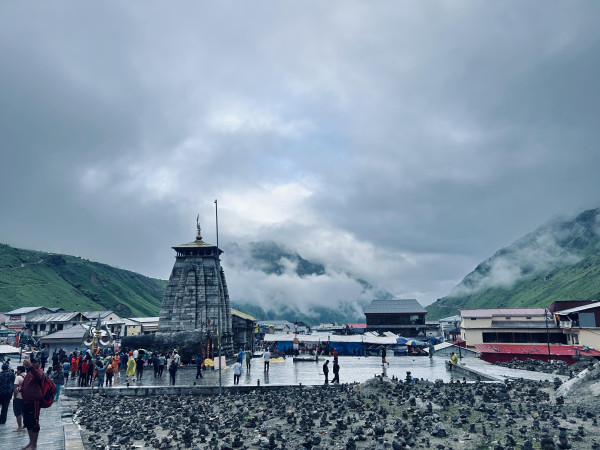
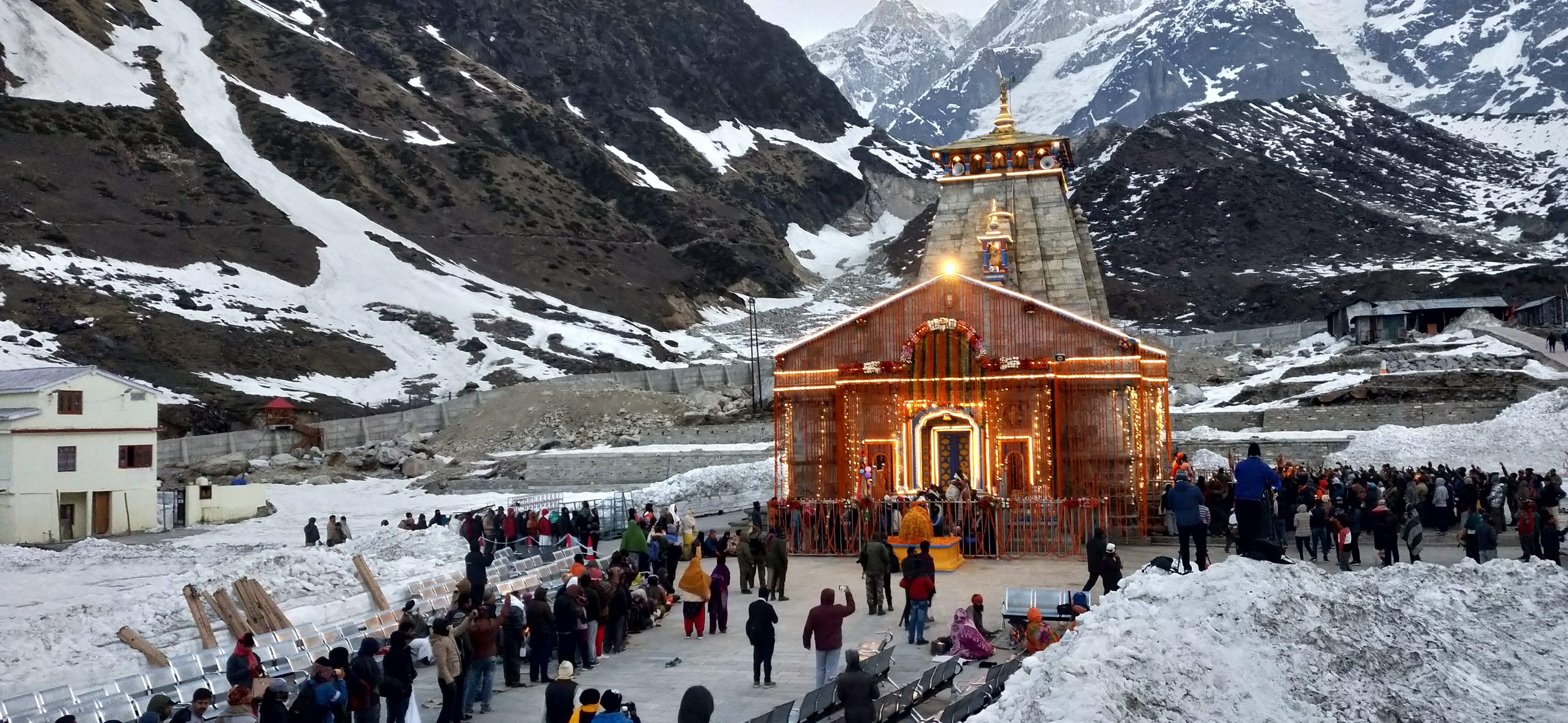
Char Dham Yatra: Kedarnath is more than a temple; it is a profound spiritual anchor of Hinduism, nestled dramatically beneath the towering, snowy peaks of the Garhwal Himalayas in Uttarakhand. Situated at an altitude of approximately 3,583 meters (11,755 feet), the ancient stone temple dedicated to Lord Shiva stands as one of the twelve Jyotirlingas and the most important of the Panch Kedar shrines. The sheer scale of the surrounding mountains dominated by the formidable Kedarnath Peak and Kedar Dome creates an atmosphere of humbling, powerful divinity.
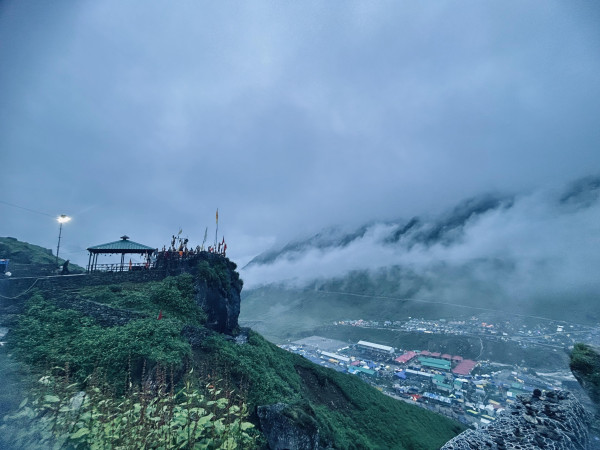
Overview: History, and myth
Kedarnath’s existence is steeped in the mythology of the Mahabharata and the subsequent historical renewal by the 8th-century philosopher-saint, Adi Shankaracharya.
The Temple's Mythical Origins
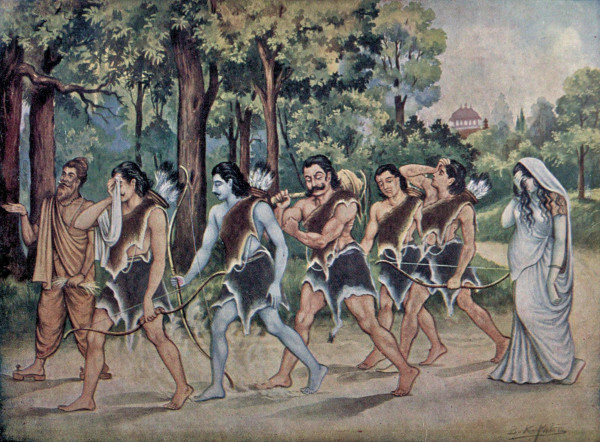
Legend traces the temple's origin to the Pandavas, who sought Lord Shiva’s forgiveness after the battle of Kurukshetra. Shiva, initially evading them, took the form of a bull. When the Pandavas recognized and tried to catch him, the bull plunged into the earth, leaving his hump at Kedarnath. The remaining body parts appeared at the other four Panch Kedar sites. The unique, conical rock formation within the temple is worshipped as the hump of the bull-form of Shiva.
The Modern Shrine
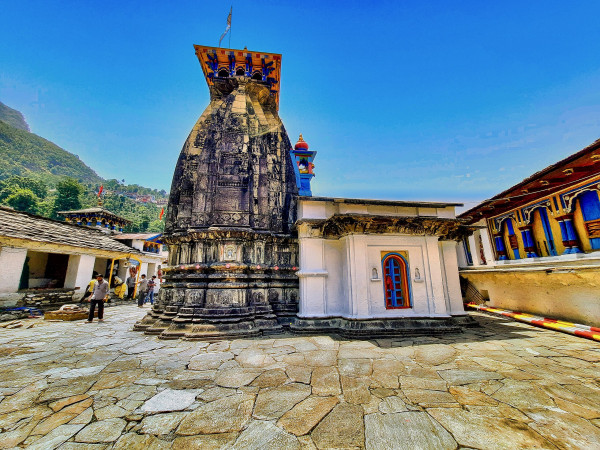
The current temple structure is a marvel of ancient architecture, built with large, interlocking grey stone slabs. Its resilience is incredible, having stood firm against floods, earthquakes, and time. Due to heavy snowfall, the temple is closed for six months every year, with the deity (Utsav Murti) being moved to the Omkareshwar Temple in Ukhimath (the winter seat).
How to Reach Kedarnath
The journey is broken into three main stages:
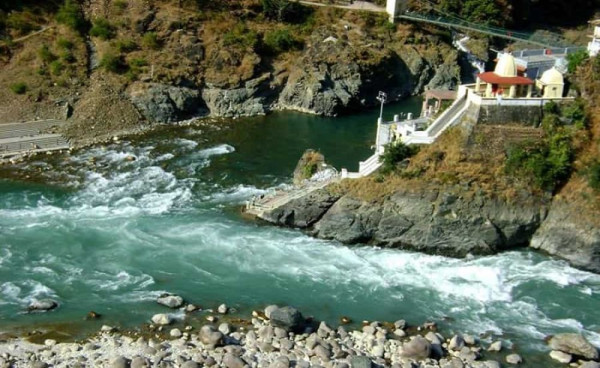
- To Rudraprayag/Guptkashi: Drive from major hubs like Rishikesh/Haridwar (approx. 220–240 km) to Guptkashi or Sonprayag. This is a long 8–10 hour drive through the mountains, typically requiring an overnight stay.
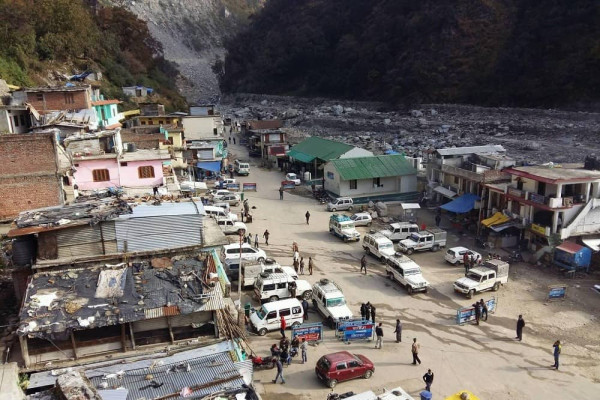
- To Gaurikund (The Base Camp): From Guptkashi, drive to Sonprayag (30 km). All private vehicles must stop here. The final 5 km to the official trek start point, Gaurikund, is covered by authorized local/shared taxis.
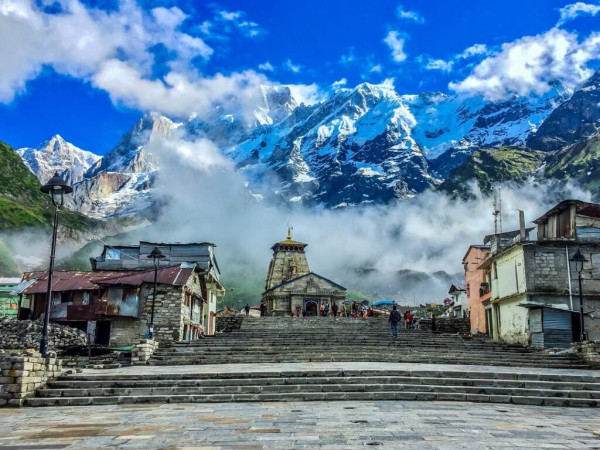
- To Kedarnath Temple: The remaining distance is covered on foot or by alternate means.
Best Time to Visit
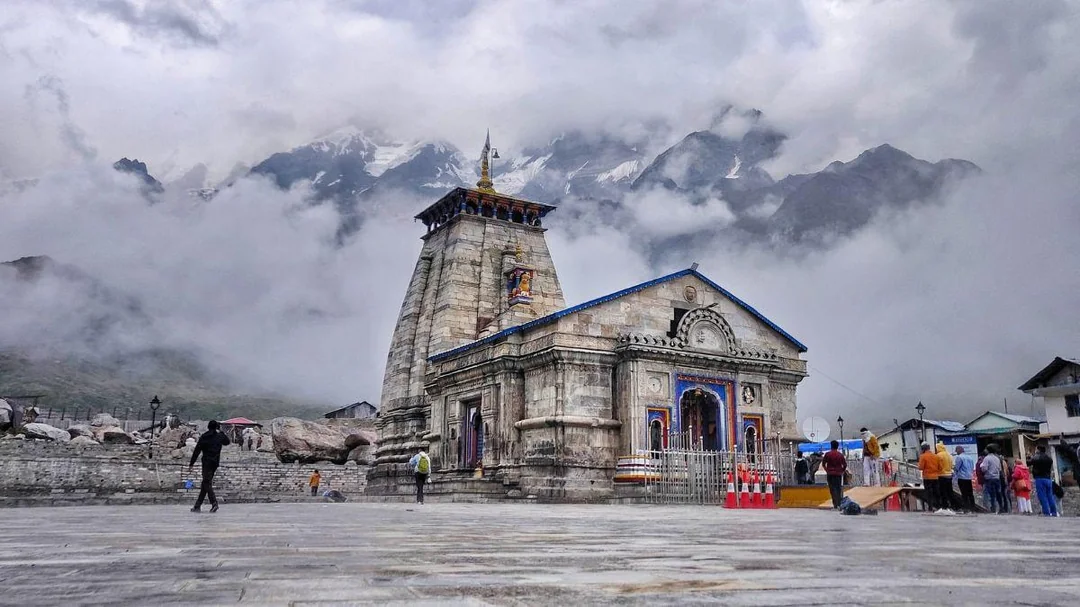
- May to June: Excellent. Clear weather, pleasant daytime temperatures, and the excitement of the pilgrimage season opening.
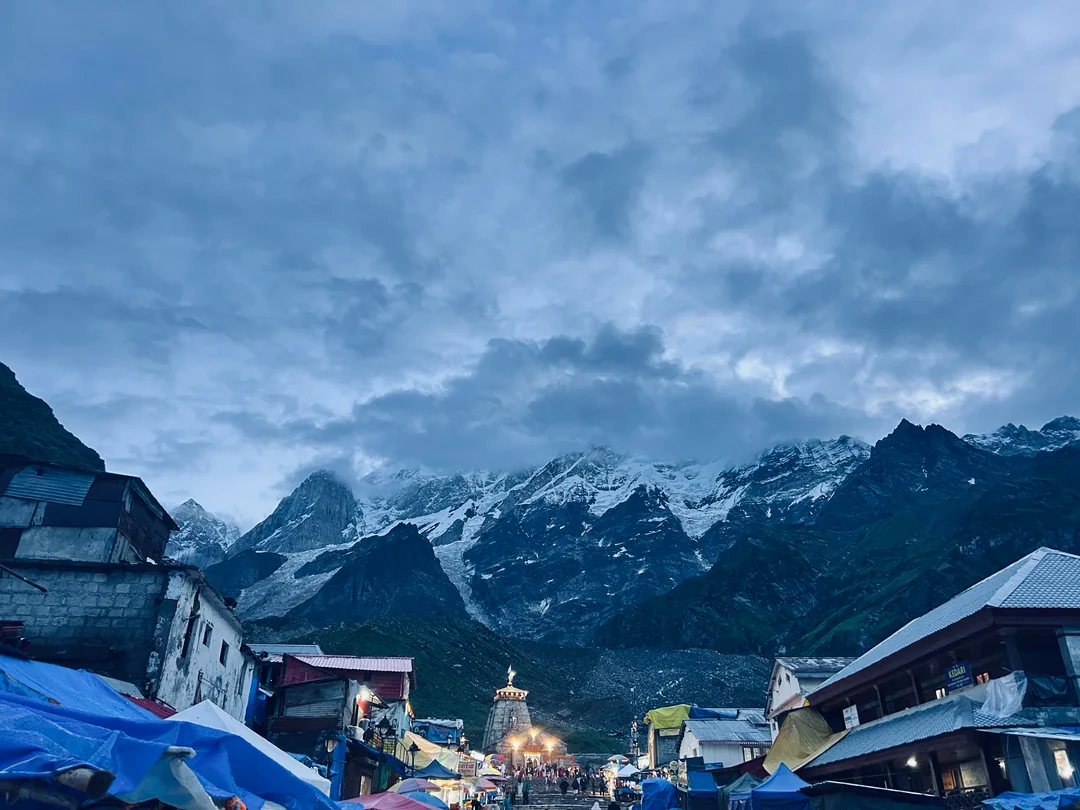
- September to October: Optimal. Post-monsoon period offers the cleanest air, the most spectacular, crisp mountain views, and fewer crowds than the pre-monsoon rush.
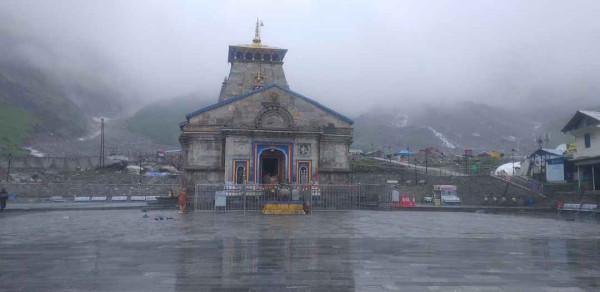
- Avoid: Monsoon (July–August) due to heavy rainfall, landslides, and poor visibility. Winter (November–April) when the temple is closed.
The Pilgrimage Trail: Gaurikund to Kedarnath
The 16 km trek is the ultimate test of physical fitness and spiritual will. The trail follows the mighty Mandakini River upstream, weaving through forests and climbing steadily towards the high-altitude valley.
Gaurikund to Kedarnath: The 16 km Trail
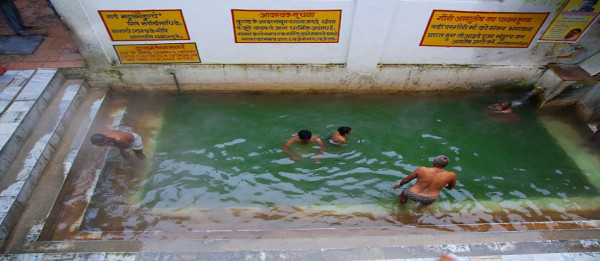
- Starting Point: Gaurikund (1,980m), historically famous for its hot springs and the Gauri Devi Temple, where Goddess Parvati is said to have performed penance.
- Distance: Approximately 16 km one way.
- Difficulty: Moderate to Challenging. The path is paved with stones and has been significantly improved post-2013, but the altitude gain (around 1,600 meters) and the cold air make it strenuous.
- Trekking Time: Typically takes 6 to 8 hours one way, depending on fitness and breaks.
- Key Halting Points: The official route includes rest points like Jungle Chatti (4 km), Bheembali (6 km), and Linchauli (11 km) with basic amenities, shelters, and medical camps.
Options for the Ascent
- On Foot (Trekking): The traditional, most spiritual way.
- Pony/Mule: Services are readily available and can be booked at Sonprayag or Gaurikund.
- Palki (Palanquin): Services where the pilgrim is carried by porters, ideal for the elderly or those with health issues.
- Helicopter: Services operate from nearby helipads like Phata, Guptkashi, and Sirsi. This reduces travel time to mere minutes, though the final 500 meters from the helipad to the temple must still be walked.
Kedarnath 2013:
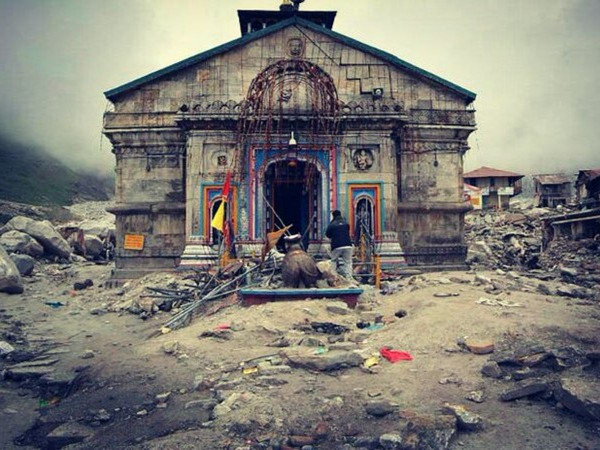
It is impossible to discuss Kedarnath without acknowledging the devastating flash floods and landslides that struck the valley on June 16th and 17th, 2013, triggered by unprecedented torrential rains and a cloudburst.
The Catastrophe and Survival
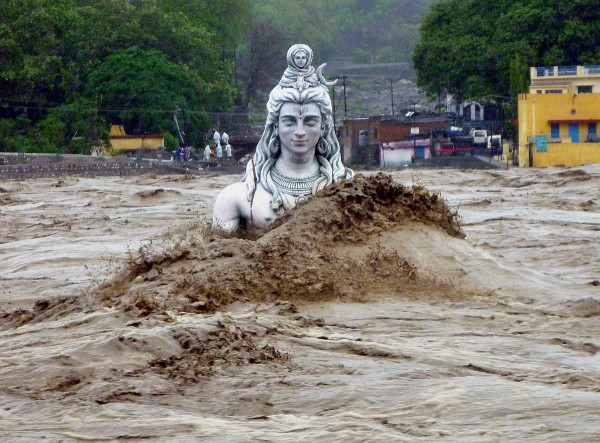
The floods, caused by the bursting of the Chorabari Lake (Gandhi Sarovar) and the eruption of the Mandakini River, swept away the entire town and all surrounding infrastructure. Thousands of pilgrims, locals, and tourists perished.
However, the 1,200-year-old Kedarnath Temple remarkably survived. A massive, perfectly positioned boulder (often referred to as the Bhima Shila or Divine Rock) miraculously stopped behind the temple, splitting the catastrophic water flow and diverting it around the structure. The temple itself was spared, becoming a poignant symbol of eternal faith and endurance amidst unimaginable destruction.
The Aftermath and Rebuilding
The tragedy fundamentally changed the Kedarnath landscape. The town was painstakingly rebuilt with a focus on flood-proof infrastructure, wider walking paths, and improved safety measures. The rebuilding effort, emphasizing resilience and modern disaster preparedness while respecting the site's spirituality, stands as a massive testament to the Garhwal people's determination to preserve this holiest of shrines.
Treks from Kedarnath: Exploring the High Alpine
For the physically fit and experienced trekker, the Kedarnath valley offers access to several incredible high-altitude alpine destinations.
- Vasuki Tal Trek:
- Distance: Approximately 8 km one way from Kedarnath.
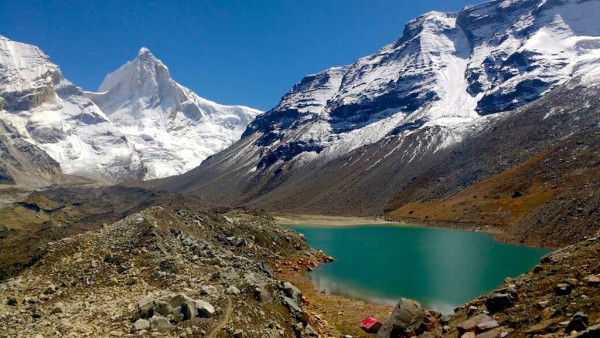
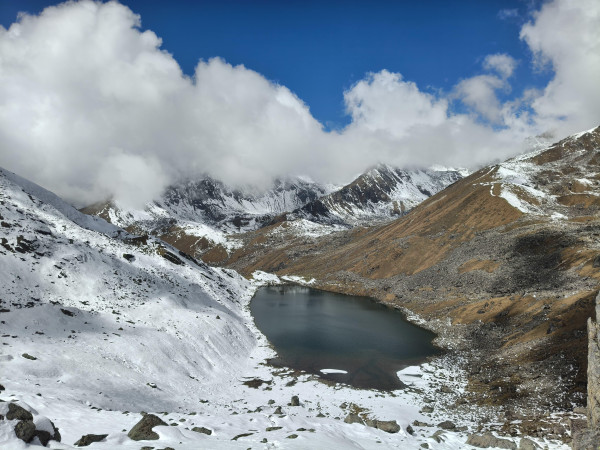
- Overview: A challenging trek leading to a serene, high-altitude glacial lake at about 4,135 meters. The lake is said to be the source of the Mandakini's tributary, the Vasuki Ganga. The route offers spectacular close-up views of Chaukhamba Peak and the surrounding peaks, with rare Himalayan Brahma Kamal flowers blooming in summer.
- Chorabari Tal (Gandhi Sarovar) Trek:
- Distance: Only about 3–4 km from Kedarnath.
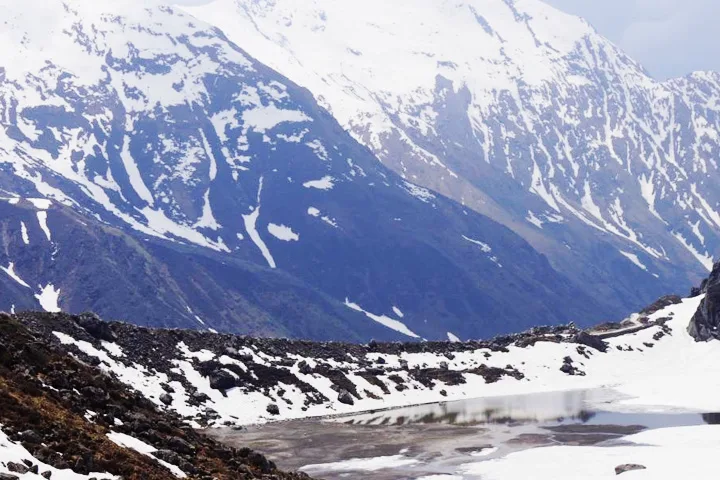
- Overview: This trek leads to the now-smaller glacial lake that was the source of the 2013 floods. It offers dramatic views of the Kedarnath region's geography and the Chorabari Bamak glacier snout. Note: The area is restricted and access may be controlled due to geological stability concerns.
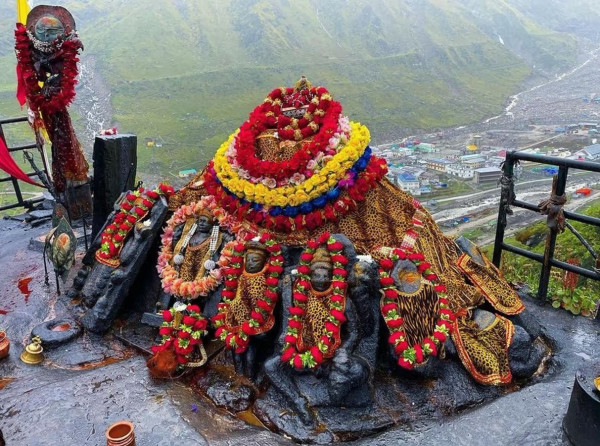
- Bhairavnath Temple:
- Distance: A short, steep 500m climb from the main Kedarnath temple.
- Overview: Dedicated to Lord Bhairavnath, the fierce manifestation of Shiva who is believed to be the protector (Kshetrapal) of the Kedarnath temple valley. The short climb offers the best aerial view of the temple complex and the entire valley.
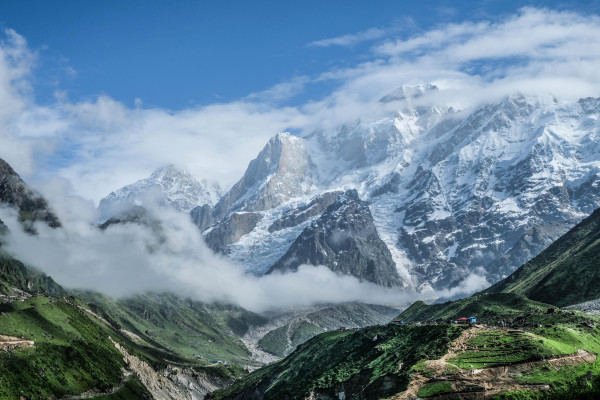
- Panpatia Pass Trek:
- Overview: An extremely challenging, multi-day, high-altitude mountaineering expedition that connects the Kedarnath valley to the Badrinath valley. This is reserved for highly experienced, prepared mountaineers with expert guides and special permits, crossing glaciers and crevasses at passes above 4,200 meters.
Top Things to Do & Activities in Kedarnath
Discover a world of unforgettable experiences and top activities at this destination! Whether you’re seeking adventure, cultural immersion, relaxation, or family fun, find the best things to do—from sightseeing and outdoor adventures to culinary delights, spiritual journeys, and local events. Enjoy every moment and make your trip truly memorable!