Discover Amazing Yamunotri
Yamunotri, the sacred source of River Yamuna, is the first stop of the Char Dham Yatra. Know temple history, trekking route, registration details, best time to visit, and travel tips for a smooth pilgrimage.
About This Destination
Deep in the heart of the Garhwal Himalayas, where the air is thin and the mountains stand as silent sentinels, lies Yamunotri. As the first stop in the sacred Char Dham Yatra, it is more than just a destination; it is the starting point of a spiritual purification. At an altitude of 3,293 meters, Yamunotri marks the source of the River Yamuna, a goddess who represents the life-giving force of water and the warmth of the sun.
This guide is designed to help you navigate your journey to this high-altitude sanctuary with ease, respect, and preparedness.
The Spiritual Heart of Yamunotri
Yamunotri Dham is the seat of Goddess Yamuna. In the traditional Char Dham circuit, one always begins here before proceeding to Gangotri, Kedarnath, and finally Badrinath. The temple stands near the foot of the Kalind Mountain, overlooking the emerald-colored river. For a pilgrim, a dip in these waters isn't just a ritual it is believed to cleanse the soul and provide protection from the cycle of rebirth and the God of Death.
History & Mythology:
The stories of Yamunotri are deeply personal. According to legend, Goddess Yamuna is the daughter of Surya (the Sun God) and the sister of Yama (the God of Death). It is said that those who bathe in her waters are spared from a painful end, as a sister’s love protects them from her brother’s judgment.
Another beloved story is that of Sage Asit Muni. The sage lived a life of devotion, bathing daily in both the Ganga and the Yamuna. In his old age, when his body could no longer make the arduous trek to Gangotri, a stream of the Ganga miraculously emerged next to the Yamuna just for him. Today, the temple remains a testament to such unwavering faith.
Best Time To Visit Yamunotri
The temple doors typically open on Akshaya Tritiya (late April or early May) and close on Bhai Dooj (two days after Diwali).
- Summer (May to June): This is the peak season. The weather is pleasant (10°C to 20°C), making the 6 km trek manageable. Expect crowds and longer wait times for darshan.
- Monsoon (July to August): Travel is risky due to heavy rainfall and potential landslides in the Uttarkashi region. Trails can become very slippery. Only travel if you have confirmed weather reports.
- Autumn (September to October): Perhaps the most beautiful time. The air is crisp, the skies are clear, and the monsoon greenery is at its peak. It gets quite cold at night, so heavy woolens are a must.
How to Reach Yamunotri
The journey involves a mix of scenic drives and a final mountain trek.
- By Road: Most travelers start from Dehradun (180 km), Rishikesh (210 km), or Haridwar (230 km). The route usually goes through Mussoorie and Barkot. Barkot serves as the major base camp where most people spend the night.
- The Final Leg: From Barkot, you drive about 45 km to Janki Chatti. This is the last motorable point.
- Helicopter: For those who cannot trek, helicopter services operate from Sahastradhara in Dehradun to the Kharsali helipad. From Kharsali, the temple is just a short distance away.
Janki Chatti to the Dham
The trek is the most physically demanding part of the trip but also the most rewarding.
- Distance: 6 km (one way).
- Time: 3 to 5 hours depending on your pace.
- Difficulty: Moderate. The path is well-paved and has railings, but the incline is steep.
- Assistance: If you find the walk difficult, you can hire Ponies (mules), Palkis (palanquins), or Kandis (baskets) at Janki Chatti. Prices are regulated by the local administration.
Registration & Permits
As of 2026, Char Dham Registration is mandatory for all pilgrims.
- Why: It helps the Uttarakhand government monitor the number of people on the trails for safety and disaster management.
- How: You can register online at the official Tourist Care Uttarakhand portal or use the mobile app.
- Tip: Do this at least a few weeks before your trip. You will receive a "Yatra Registration Letter" with a QR code, which will be scanned at various checkpoints.
Accommodation & Food
Yamunotri is a remote high-altitude site, so keep your expectations grounded.
- Where to Stay: Most people stay in Janki Chatti or Barkot. There are several budget hotels, guest houses, and GMVN (Government) Tourist Rest Houses. Near the temple, there are only a few basic Dharamshalas and ashrams.
- What to Eat: Food is strictly vegetarian. You will find small dhabas serving hot parathas, dal, rice, and tea. Don't forget to try the local "Prasad" rice cooked in the natural hot springs of Surya Kund.
Things to Know Before You Go
- Health First: High altitude can cause breathlessness. Walk slowly and take frequent breaks. If you have heart or respiratory issues, consult a doctor before planning the trip.
- Packing Essentials: Even in summer, carry a light jacket. In autumn, you'll need heavy woolens, gloves, and thermals.
- Footwear: Wear broken-in trekking shoes with a solid grip. Avoid new shoes that might cause blisters.
- Cash is King: Network connectivity is spotty and ATMs are rare beyond Barkot. Carry enough physical cash for local expenses.
Nearby Places to Explore
- Surya Kund: A natural hot spring where the water is hot enough to boil rice and potatoes.
- Divya Shila: A sacred rock pillar near the Surya Kund. It is customary to offer prayers here before entering the temple.
- Kharsali: A quiet, beautiful village near Janki Chatti. It houses the ancient Shani Temple and serves as the winter seat for the idol of Goddess Yamuna.
- Hanuman Chatti: Located 13 km before Yamunotri, this is the confluence of the Hanuman Ganga and Yamuna rivers a great spot for a short, peaceful halt.
Who Should Visit?
Yamunotri is a destination for everyone from spiritual seekers looking for peace to families introducing children to their heritage. While the trek is steep, the availability of ponies and palkis makes it accessible for senior citizens as well. For nature lovers, the raw Himalayan landscape is a sight to behold.
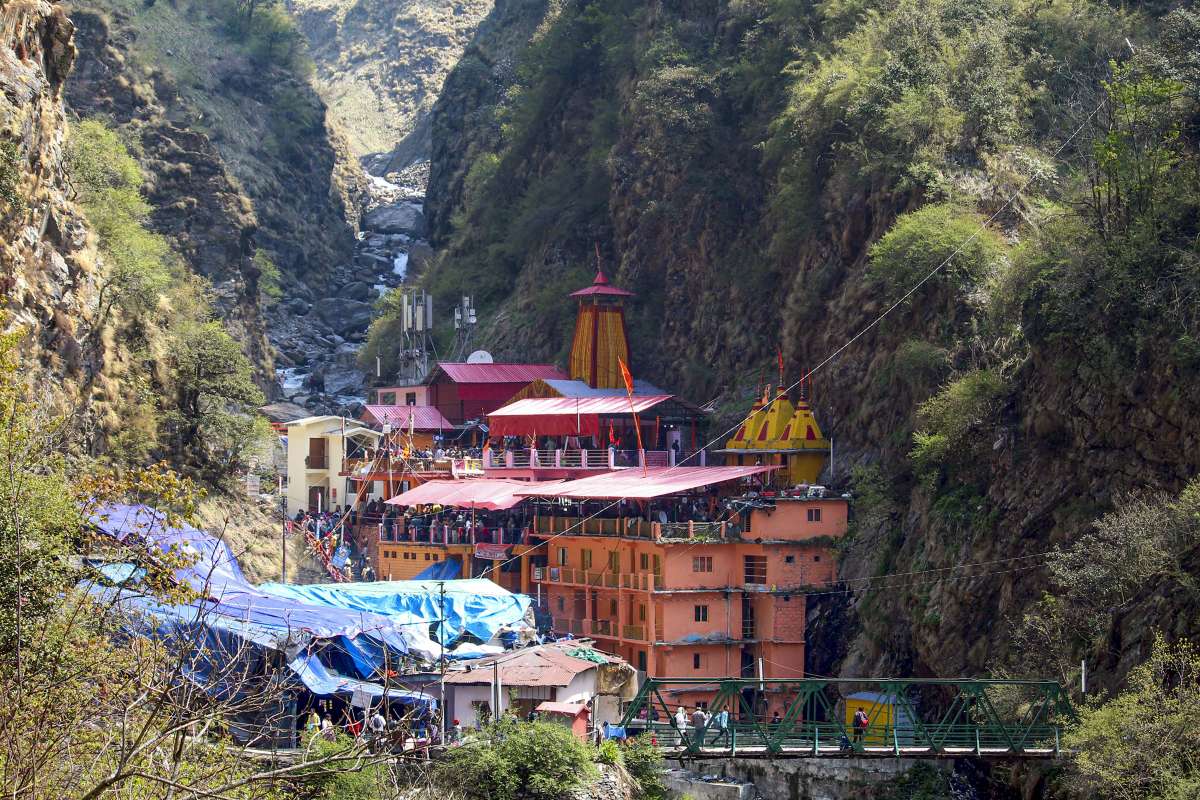
Top Things to Do & Activities in Yamunotri
Discover a world of unforgettable experiences and top activities at this destination! Whether you’re seeking adventure, cultural immersion, relaxation, or family fun, find the best things to do—from sightseeing and outdoor adventures to culinary delights, spiritual journeys, and local events. Enjoy every moment and make your trip truly memorable!