Discover Amazing Gangotri
Gangotri, perched at 3,100 meters in Uttarkashi, is a revered Hindu pilgrimage town and the origin point of the River Ganges. Surrounded by majestic Himalayan peaks on the banks of the Bhagirathi River, Gangotri is famous for its ancient temple, tranquil beauty, and spiritual significance.
About This Destination
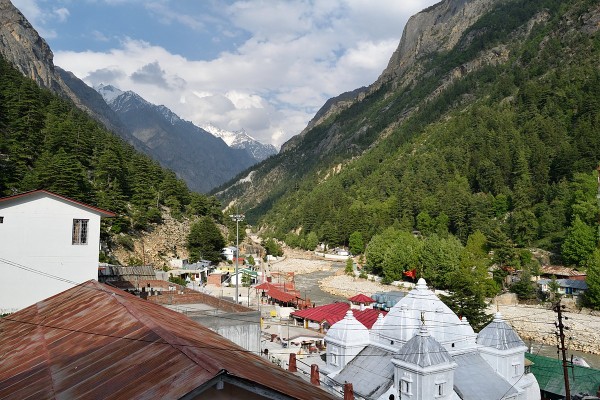
Char Dham Tour Package: Gangotri is far more than a pilgrimage site; it is a point of powerful mythological origin, marking the hallowed spot from which the sacred Ganga River (known here as the Bhagirathi) first descended to Earth. Situated deep within the Garhwal Himalayas of Uttarakhand, at a lofty elevation of approximatly 3,100 meters (10,200 feet), this small, remote settlement is one of the four principal shrines of the Char Dham Yatra and the geographical starting point of the river's journey to the sea.
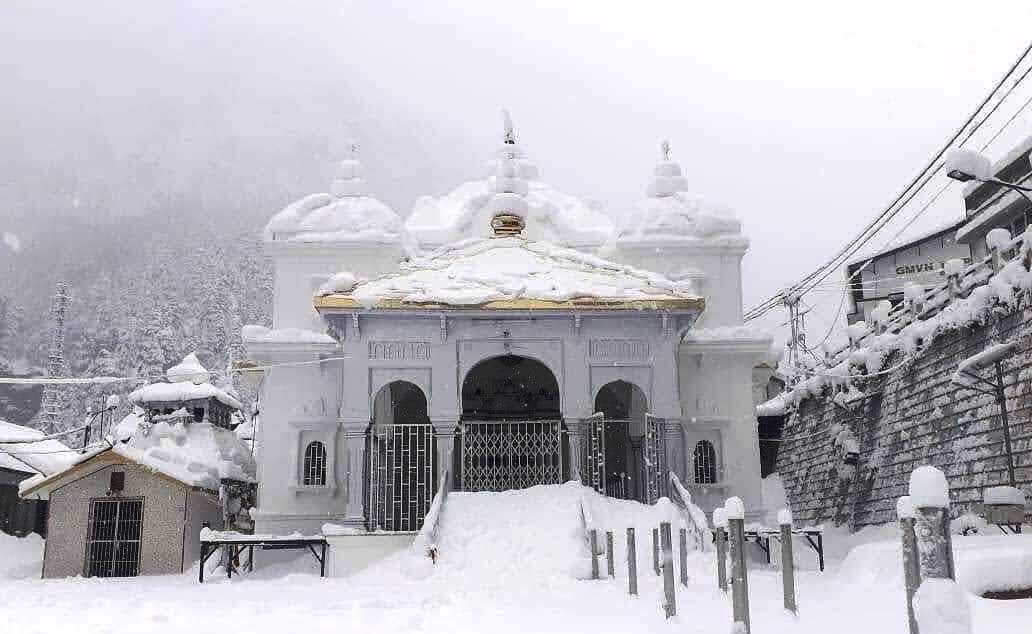
The setting is dramatic and pristine: a towering, granite temple stands against the backdrop of snow-capped peaks, and the mighty river rushes through the narrow valley with untamed force. Legend links this spot to King Bhagiratha, whose penance compelled the Goddess Ganga to flow down from the heavens to purify his ancestors' souls. To visit Gangotri is to witness the source of one of the world's greatest spiritual and cultural forces an act of faith that is both physically challenging and profoundly moving.
Overview:
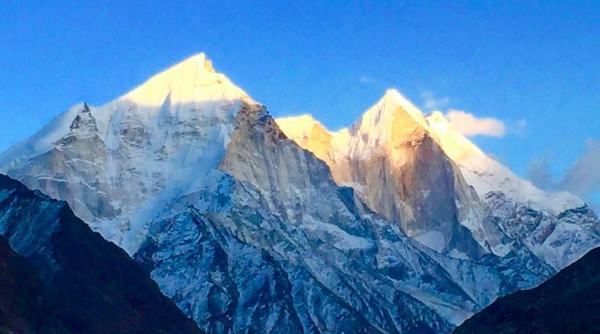
Gangotri’s identity is wholly intertwined with the cosmic and terrestrial journey of the Ganga, revered by billions as Ganga Ma (Mother Ganga).
Mythological Significance
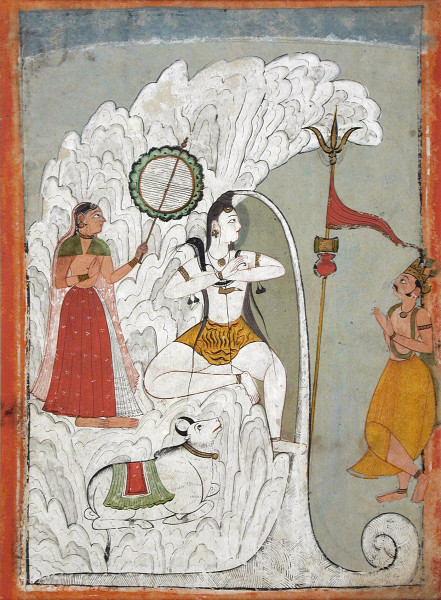
The town is believed to be the spot where King Bhagiratha meditated for thousands of years to appease Ganga, who was then residing in the heavens. When she finally agreed to descend, Lord Shiva received the mighty river in his matted locks to break her fall, preventing the deluge from destroying the Earth. The massive rock structure near the temple, known as Bhagirath Shila, is said to be the stone where Bhagiratha performed his penance.
The Temple and the Source
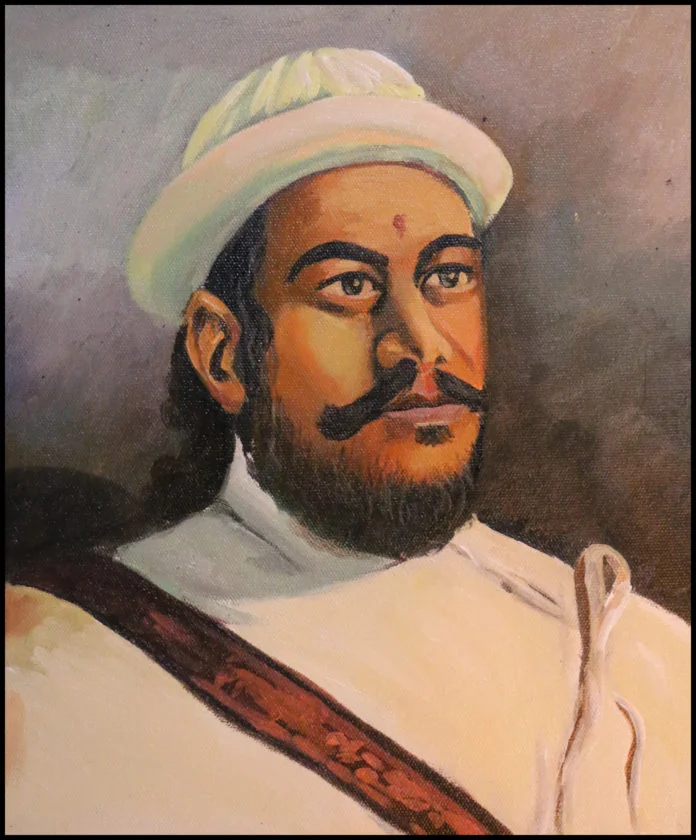
The elegant white granite temple was originally constructed by a Gorkha General, Amar Singh Thapa, in the early 18th century. It houses the idol of Ganga Ma.
The true glacial source of the Bhagirathi River, Gaumukh (the Cow's Mouth), is located approximately 18 km further upstream from Gangotri. While the temple marks the spot where the river appeared on Earth according to mythology, Gaumukh is the ecological origin, located at the snout of the Gangotri Glacier.
Seasonal Closure
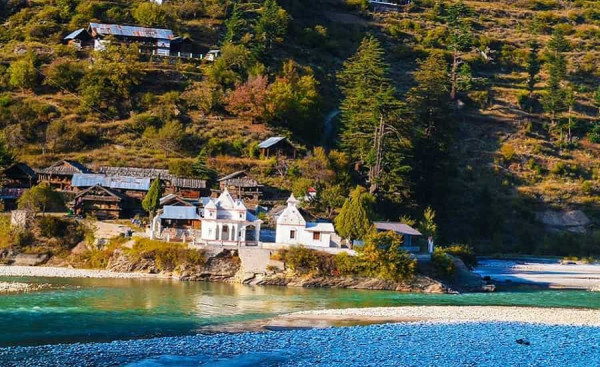
Due to heavy snowfall and extreme cold, the temple is accessible only for a short season. The deity is moved to its winter seat at Mukhba (Mukhimath) village, near Harsil, during the closure period (typically late October/early November to late April/early May).
How to Reach Gangotri
- By Air: The nearest airport is Jolly Grant Airport (DED) in Dehradun, approximately 260 km away. From the airport, one must hire a taxi or take a bus for the long 9–10 hour road journey, which typically requires an overnight stay in an intermediate town like Uttarkashi.
- By Rail: The nearest railway stations are Rishikesh Railway Station (RKSH) or Haridwar Railway Station (HW), both around 270–290 km away. Taxis, shared cabs, and local/state transport buses (GMOU/UTC) are readily available from these hubs.
- By Road: Gangotri is the final point on the National Highway 34 (NH 34). The road from Uttarkashi (98 km) is a well-traveled route, passing through the beautiful Harsil Valley. Due to the distance from the plains, the journey is often broken over two days, stopping in Uttarkashi.
Best Time to Visit
The pilgrimage window is short and dictated by the weather.
- Peak Pilgrimage Season (May to June and September to October): Ideal. These months offer the most stable and pleasant weather, with clear skies essential for both the drive and the trek to Gaumukh.
- May-June: Warmer, busier, but with the excitement of the opening.
- September-October: Optimal. Crisp, clear mountain views, cooler temperatures, and post-monsoon greenery, perfect for Himalayan sightseeing and photography.
- Avoid: Monsoon (July–August) due to heavy rain and the risk of landslides. Winter (November–April) when the temple is closed and the region is covered in deep snow.
Things to Do: Devotion, Trekking, and Reflection
The experience at Gangotri centers on devotion and high-altitude nature immersion.
- Darshan at Gangotri Temple: Seek the blessings of Ganga Ma and observe the unique architecture of the granite temple. Participate in the morning or evening aarti for a powerful experience of devotion.
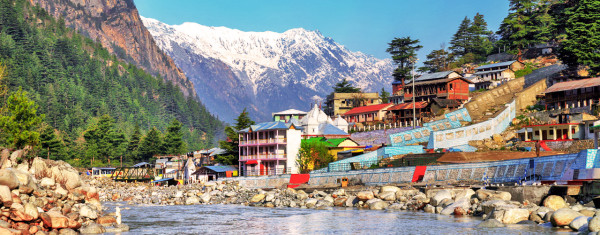
- Bhagirath Shila: Spend time meditating near the sacred rock where King Bhagiratha is said to have performed penance. The energy of the place is profoundly spiritual.
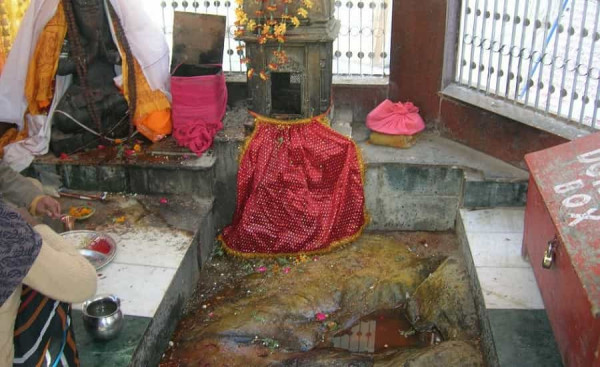
- The Gaumukh Trek (Eco-Tourism): This is the ultimate trek for the region. A challenging 18 km trek from Gangotri leads to the Gaumukh Glacier, the actual snout from which the Bhagirathi River emerges. The trek requires an Inner Line Permit (obtained in Uttarkashi or Gangotri) and proper preparation due to the altitude. The route is spectacular, offering views of the iconic Bhagirathi peaks.
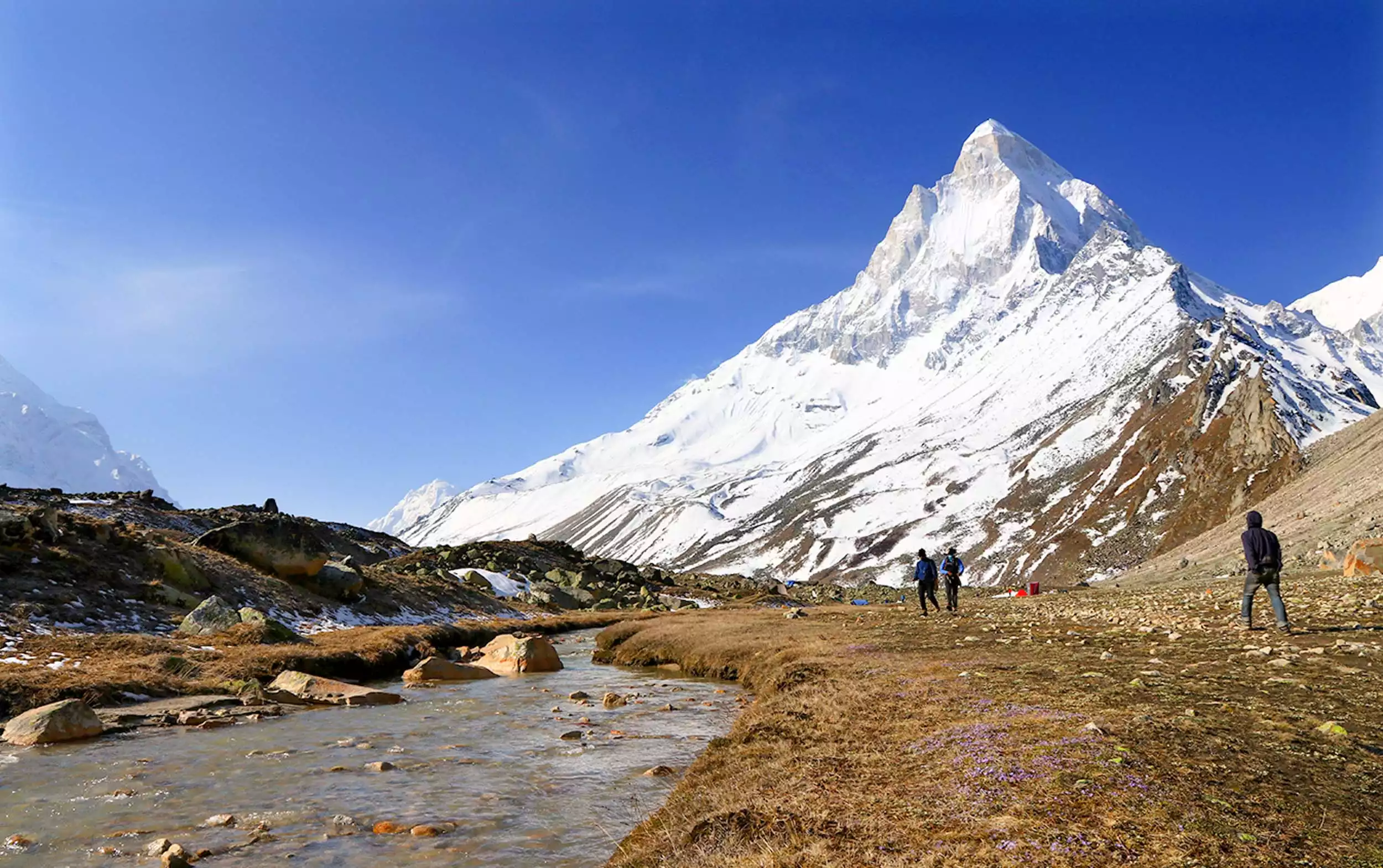
- Harsil Village Stopover: Located about 26 km before Gangotri, Harsil is an exceptionally picturesque valley famous for its apple orchards, tranquil setting, and beautiful natural environment. It is a highly recommended spot for an overnight stay or a day of soft adventure and relaxation on the drive.

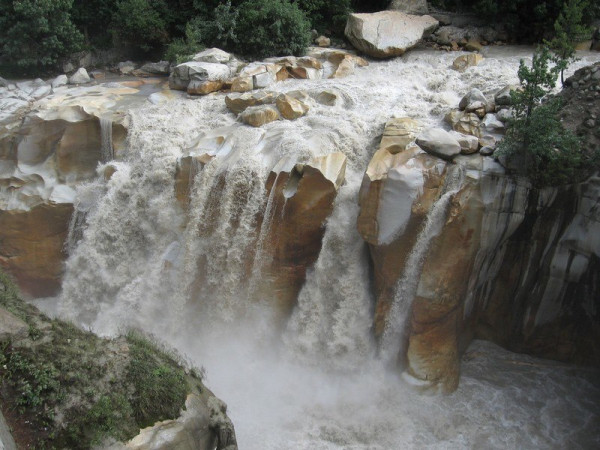
- Surya Kund: Located near the Gangotri Temple, this is a naturally formed hot spring where the river creates a small waterfall, giving pilgrims a chance for a symbolic purification dip.
Beyond Gangotri: The High Alpine Treks
Gangotri is the crucial base camp for several world-famous, challenging, and spectacularly rewarding high-altitude Himalayan treks, cementing its role as a premier adventure tourism destination.
- Trek to Tapovan:
- Distance: An additional 4-5 km steep climb from Gaumukh.
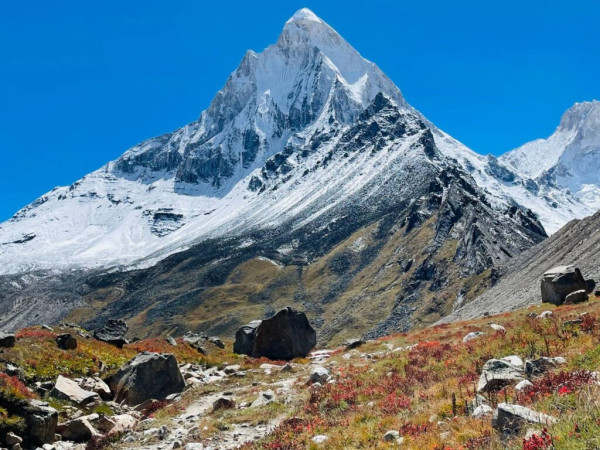
- Overview: Tapovan is a high-altitude meadow (4,460m) situated at the base of the towering Shivling Peak. It is a sacred place used by ascetics for meditation and offers one of the most stunning, close-up panoramic views of the Shivling, Meru, and Bhagirathi ranges. This trek is challenging and requires a night of camping.
- Trek to Kedartal:
- Distance: Approximately 18-20 km from Gangotri via Gangotri Temple.
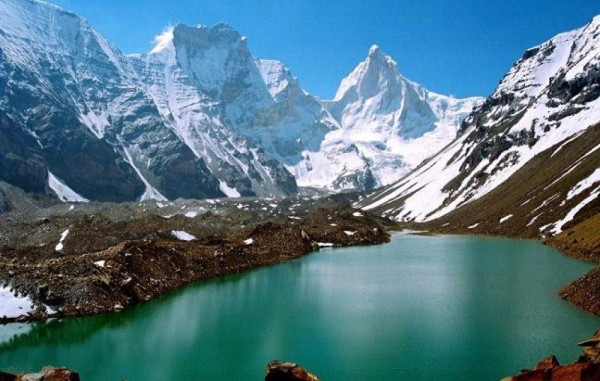
- Overview: A spectacular but difficult trek leading to a pristine, emerald-green glacial lake that serves as the source of the Kedar Ganga, a tributary of the Bhagirathi. The lake offers a mirror-like reflection of the Thalaysagar and Bhrigupanth peaks and requires multiple days of camping and expert guidance.
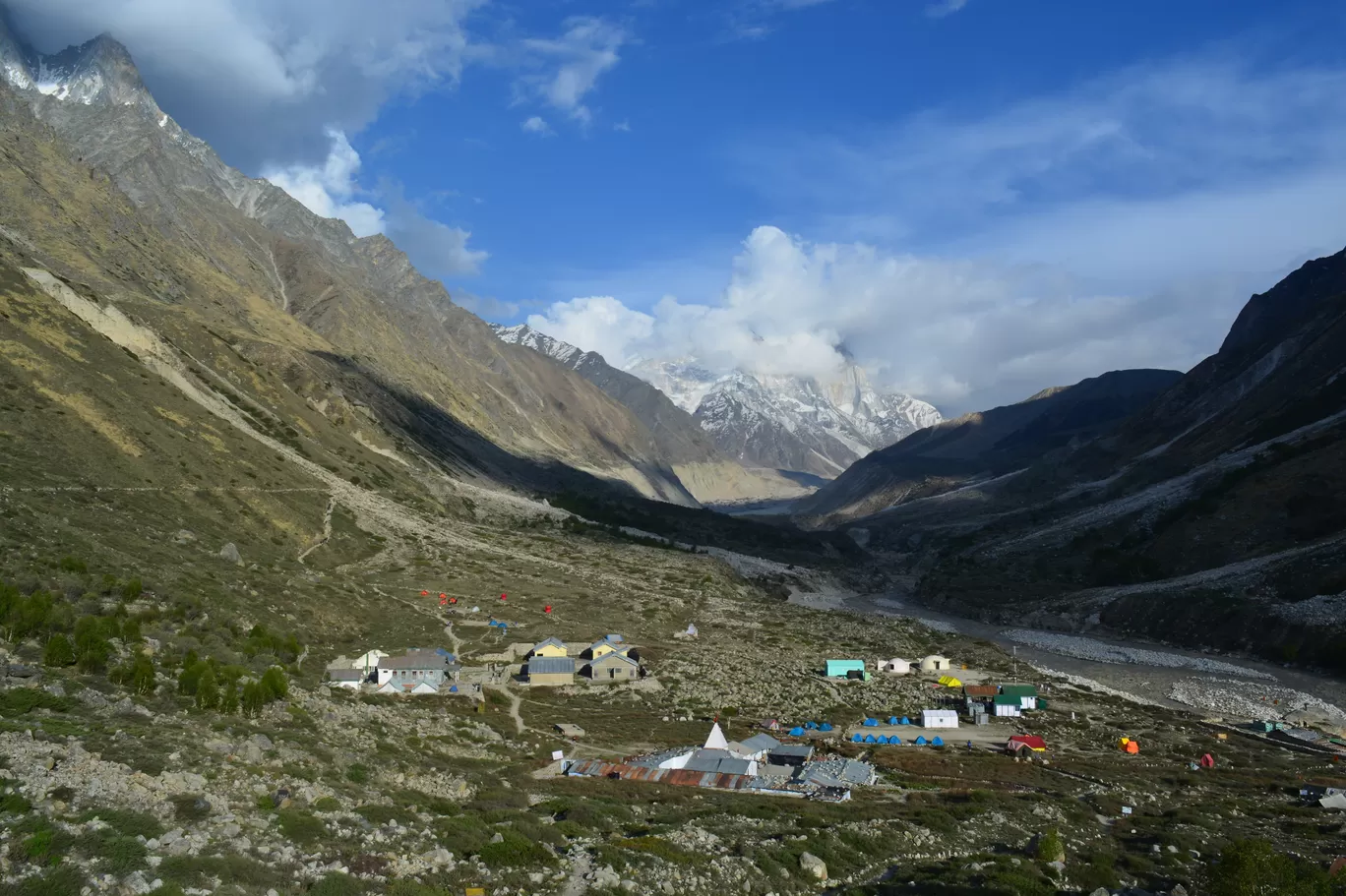
- Chirbasa and Bhojbasa: These are important rest camps along the Gaumukh route, known for their sparse vegetation (Chirbasa for chir pine, Bhojbasa for bhojpatra or birch trees) and providing essential shelters for trekkers. Spending a night at Bhojbasa helps significantly with altitude acclimatization before reaching Gaumukh.
Top Things to Do & Activities in Gangotri
Discover a world of unforgettable experiences and top activities at this destination! Whether you’re seeking adventure, cultural immersion, relaxation, or family fun, find the best things to do—from sightseeing and outdoor adventures to culinary delights, spiritual journeys, and local events. Enjoy every moment and make your trip truly memorable!