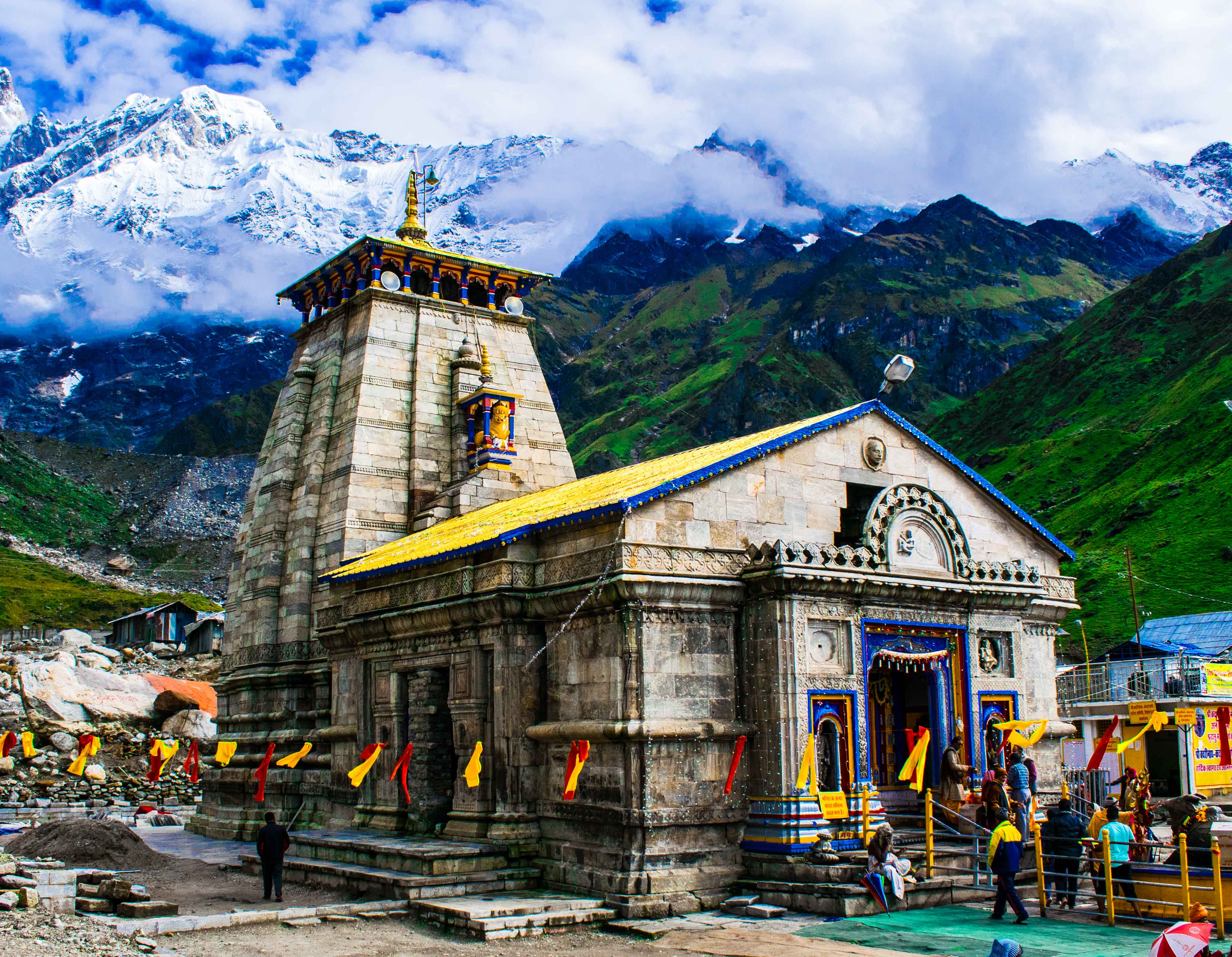
Embarking on the Char Dham Yatra is a spiritual journey like no other. This sacred pilgrimage in the Himalayas takes devotees to four holy shrines - Yamunotri, Gangotri, Kedarnath, and Badrinath. But how long does this divine expedition actually take?
To answer this question, let's delve into the duration of the Char Dham Yatra. Typically, the entire yatra takes around 10 to 12 days to complete. However, the duration can vary depending on several factors such as the route chosen, transportation options, and individual preferences.
Some pilgrims opt for the popular helicopter tour, which significantly reduces the travel time. This allows them to complete the pilgrimage in as little as 2 to 4 days. On the other hand, those who choose to undertake the yatra by road or on foot might require more time, ranging from 10 to 15 days.
The duration of the Char Dham Yatra is not just about time, but also about the spiritual experience it offers. As pilgrims traverse through the breathtaking landscapes and visit these revered shrines, they not only connect with the divine but also rejuvenate their souls. So, no matter how many days the yatra takes, the transformative journey is worth every moment.
Importance and significance of the Chardham Yatra
The Char Dham Yatra holds immense spiritual significance for millions of devotees across India and beyond. This revered pilgrimage encompasses four sacred shrines: Yamunotri, Gangotri, Kedarnath, and Badrinath, each embodying unique spiritual energy and cultural heritage. The journey is not merely a physical undertaking but a profound exploration of faith, devotion, and self-discovery. For many, visiting these holy sites is a lifetime aspiration, driven by the desire to seek blessings, attain spiritual enlightenment, and purify the soul.
Each of the four dhams has its own historical and mythological significance. Yamunotri, dedicated to Goddess Yamuna, is known for its pristine natural beauty and hot springs. Gangotri, the source of the sacred Ganges River, symbolizes purity and salvation. Kedarnath, one of the twelve Jyotirlingas of Lord Shiva, is perched high in the mountains and is considered a place of immense power and devotion. Lastly, Badrinath, dedicated to Lord Vishnu, is revered as a site of ultimate spiritual attainment. Together, these shrines form a spiritual circuit that embodies the essence of Hinduism, attracting devotees from diverse backgrounds.
Moreover, undertaking the Char Dham Yatra is believed to cleanse one's sins and grant moksha, or liberation from the cycle of birth and death. The journey allows pilgrims to immerse themselves in the serenity of the Himalayas, fostering a deep connection with nature and the divine. The experience of traversing through breathtaking landscapes, facing challenging terrains, and witnessing the grandeur of the shrines fosters a sense of humility and reverence. Thus, the Char Dham Yatra is not just a pilgrimage; it is a transformative journey that nourishes the soul and rejuvenates one's spiritual essence.
Importance and significance of the Chardham Yatra
The Char Dham Yatra holds immense importance in the spiritual landscape of India, particularly for Hindus. It is believed that a pilgrimage to these four sacred sites—Yamunotri, Gangotri, Kedarnath, and Badrinath—washes away sins and grants moksha, or liberation from the cycle of birth and death. Each of these shrines is dedicated to a different deity and holds unique significance, making the journey a holistic spiritual experience. The yatra is not just a physical journey but also a profound internal transformation that many devotees seek.
Moreover, the Char Dham Yatra is steeped in ancient legends and scriptures. Each shrine has a story that is intricately woven into the fabric of Hindu mythology. For instance, Yamunotri is regarded as the source of the Yamuna River, which is revered as a goddess. Similarly, Kedarnath is dedicated to Lord Shiva and is one of the twelve Jyotirlingas. The Yatra is thus a journey through both sacred geography and mythology, enhancing its spiritual significance for pilgrims.
The pilgrimage also emphasizes the importance of nature and the divine connection that exists between humans and the environment. The breathtaking landscapes of the Himalayas serve as a backdrop for this spiritual journey, reminding pilgrims of the magnificence of creation. Many devotees feel a sense of peace and rejuvenation as they traverse the lush valleys, gushing rivers, and towering peaks, reinforcing the belief that the journey is as important as the destination.
Chardham Yatra itinerary
Planning a Char Dham Yatra itinerary is essential for a fulfilling experience, as it involves visiting four significant shrines spread across the picturesque Himalayan region. Typically, a well-structured itinerary includes starting from Haridwar or Rishikesh, which are the common gateways to the Char Dham. From there, pilgrims usually head towards Yamunotri first, followed by Gangotri, Kedarnath, and finally Badrinath. This route not only optimizes travel time but also enhances the spiritual journey.
The itinerary generally begins with a drive to Hanuman Chatti, the base point for Yamunotri, where devotees can either trek or take a pony to reach the shrine. After paying homage at Yamunotri, the next stop is Gangotri, which is around a 5-6 hour drive away. Gangotri is known for its serene environment and the sacred Bhagirathi River. Pilgrims often spend time meditating by the riverside before visiting the temple.
Following the visit to Gangotri, the yatra continues to Kedarnath, which is one of the most revered sites due to its association with Lord Shiva. The trek to Kedarnath can be challenging, but the spiritual ambience makes it worthwhile. Finally, the journey culminates at Badrinath, dedicated to Lord Vishnu, where pilgrims can soak in the divine atmosphere. Completing this itinerary typically takes about 10 to 12 days, ensuring that devotees have ample time to reflect and connect with their spirituality at each shrine.
Duration of the Chardham Yatra
The duration of the Char Dham Yatra can vary significantly depending on several factors, including the mode of transportation chosen by the pilgrims. On average, most travelers complete the yatra in about 10 to 12 days, allowing sufficient time for travel and to absorb the spiritual essence of each location. This timeframe includes time spent at each shrine for prayers, rituals, and personal reflection, which are integral to the pilgrimage experience.
For those who prefer a quicker journey, helicopter services have become increasingly popular. These services can dramatically reduce the travel time, enabling pilgrims to complete the yatra in as little as 2 to 4 days. This option is especially appealing for those who may have time constraints but still wish to undertake this sacred journey. The helicopter tour typically covers the major shrines directly, allowing pilgrims to avoid long treks and road journeys.
Conversely, some travelers may choose to extend their yatra for a more immersive experience. By opting for a slower pace and possibly including additional stops at nearby temples or natural attractions, the duration can stretch to 15 days or more. This approach allows for deeper engagement with the spirituality of the journey, making the trip not just a pilgrimage but a comprehensive exploration of the Himalayan region's rich cultural heritage.
Factors that can affect the duration of the Chardham Yatra
Several factors can influence the duration of the Char Dham Yatra, making it crucial for pilgrims to plan carefully. One of the primary factors is the choice of transportation. As mentioned earlier, those who opt for helicopter services will complete the journey significantly faster than those who rely on road travel or trekking. The road conditions and the availability of transportation facilities can also play a pivotal role, especially in the hilly terrain of the Himalayas, where landslides and weather conditions may cause delays.
Another essential factor is the physical fitness and readiness of the pilgrims. The trek to certain shrines, especially Kedarnath, can be strenuous, requiring a good level of fitness. Pilgrims who are not physically prepared may need additional time to reach their destinations. Furthermore, the individual’s pace and preference for rest breaks can affect the overall duration of the yatra, emphasizing the importance of personal preparation before embarking on this journey.
Additionally, weather conditions can significantly impact the yatra's timeline. The Char Dham Yatra is typically conducted between April and November, but during the monsoon months, heavy rains can lead to landslides, road closures, and unsafe trekking conditions. Pilgrims must keep abreast of weather forecasts and local advisories, as these factors can lead to unexpected delays and may require adjustments to the planned itinerary.
Recommended number of days for the Chardham Yatra
When planning the Char Dham Yatra, it is generally recommended to allocate at least 10 to 12 days for the entire journey. This timeframe allows for a balanced experience, where pilgrims can visit each shrine without feeling rushed. Each temple visit is not just a quick stop; it involves rituals, prayers, and often moments of contemplation that enrich the pilgrimage experience. Spending adequate time at each location contributes to the spiritual depth of the yatra.
For those considering a helicopter tour, the recommended duration can be condensed to 2 to 4 days. This option is ideal for individuals with limited time but a strong desire to connect with these sacred sites. However, it's essential to remember that while the helicopter service saves time, it may not provide the same immersive experience as traveling by road or trekking. Pilgrims who seek to fully embrace the journey might find that the extended timeframe enhances their spiritual connection.
Ultimately, the recommended number of days can also depend on personal preferences and individual experiences. Some may wish to linger longer at certain temples, while others may want to explore additional local attractions or engage with the surrounding communities. Therefore, flexibility in planning and a willingness to adapt the itinerary can lead to a more enriching and fulfilling Char Dham Yatra.
Tips for planning and preparing for the Chardham Yatra
Preparing for the Char Dham Yatra requires careful planning to ensure a smooth and enjoyable experience. One of the most important tips is to physically prepare in advance. Given the trek involved, especially to Kedarnath, maintaining good health and fitness levels is essential. A regular exercise regimen that includes cardio, strength training, and endurance activities can help pilgrims manage the physical demands of the yatra more effectively.
Another vital aspect of preparation is to pack wisely. Pilgrims should bring clothing suitable for varying weather conditions, as the Himalayan climate can be unpredictable. Layers are advisable, allowing pilgrims to adjust to changing temperatures. Footwear should be comfortable and sturdy, as the terrain can be challenging. Additionally, carrying essential items such as a first-aid kit, water bottles, and snacks can aid in maintaining energy levels during the journey.
Lastly, it's beneficial to stay informed about the latest travel advisories and local customs. Understanding the cultural significance of each shrine and the rituals involved enhances the spiritual experience. Engaging with local guides or joining organized tours can provide valuable insights and help navigate the logistics of the yatra. Being prepared mentally and emotionally also plays a crucial role, as the pilgrimage is as much about inner transformation as it is about visiting sacred locations.
Must-visit places during the Chardham Yatra
While the primary focus of the Char Dham Yatra is on the four sacred shrines, several other noteworthy places enrich the pilgrimage experience. For instance, on the way to Yamunotri, pilgrims can explore the scenic beauty of the Janki Chatti, a beautiful hamlet known for its hot springs and picturesque landscapes. It's a perfect spot for a brief respite before the trek to Yamunotri.
At Gangotri, the Bhagirathi Shila, a rock believed to be where King Bhagirath meditated to bring the Ganges to Earth, is a must-visit. The serene surroundings of Gangotri and the flowing river create an atmosphere conducive to meditation and reflection. Pilgrims often take time here to connect with the divine essence of the Ganges, making it an integral part of the experience.
On the route to Kedarnath, the scenic village of Gaurikund serves as the base for the trek. It is also home to several temples and hot springs that add to its significance. Additionally, after visiting Badrinath, many pilgrims choose to explore the nearby Mana village, known as the last Indian village before the Indo-Tibetan border. This village is rich in culture and tradition, further enhancing the overall experience of the yatra.
Accommodation options during the Chardham Yatra
Accommodation during the Char Dham Yatra varies widely, catering to different budgets and preferences. At each of the four shrines, there are options ranging from budget guesthouses to more comfortable hotels. In Yamunotri, basic lodges offer essential amenities, while some trekkers prefer to camp in designated areas for a more immersive experience with nature. It's advisable to book accommodations in advance, especially during the peak pilgrimage season, to ensure availability.
In Gangotri, several dharamshalas (charitable lodging) provide a place for pilgrims to rest. These facilities are often simple but clean, focusing on affordability and accessibility. For those seeking a bit more comfort, mid-range hotels can be found, offering better amenities and meals. The atmosphere in Gangotri is generally calm and conducive to spiritual reflection, making it a popular stop for many pilgrims.
Kedarnath presents a unique challenge due to its remote location, particularly following the trek. Here, options are more limited, but several lodges and tents are available to accommodate pilgrims. Badrinath, being more developed, has a range of hotels, from budget to luxury. The choice of accommodation can significantly affect the overall experience of the yatra, so pilgrims should consider their comfort levels and budget while planning their stays.
Conclusion and final thoughts
In conclusion, the Char Dham Yatra is not just a pilgrimage; it is a transformative journey that encompasses spirituality, nature, and culture. The duration of the yatra can vary significantly based on individual preferences, transportation modes, and physical readiness. Whether one chooses to complete the journey in a few days via helicopter or takes the time to walk the holy paths, each experience is unique and enriching.
As pilgrims traverse through the majestic Himalayas, visiting revered shrines, they engage in a deep connection with the divine. The yatra offers a profound opportunity for self-discovery and reflection, making it a meaningful journey for countless devotees. Adequate preparation, awareness of the itinerary, and understanding of the local customs can significantly enhance the pilgrimage experience.
Ultimately, the Char Dham Yatra is a celebration of faith, perseverance, and the beauty of nature. It invites individuals to step away from their daily lives and embark on a quest for spiritual fulfillment. As the journey unfolds, it is the memories created, the connections made, and the peace found along the way that truly define the essence of the Char Dham Yatra.
