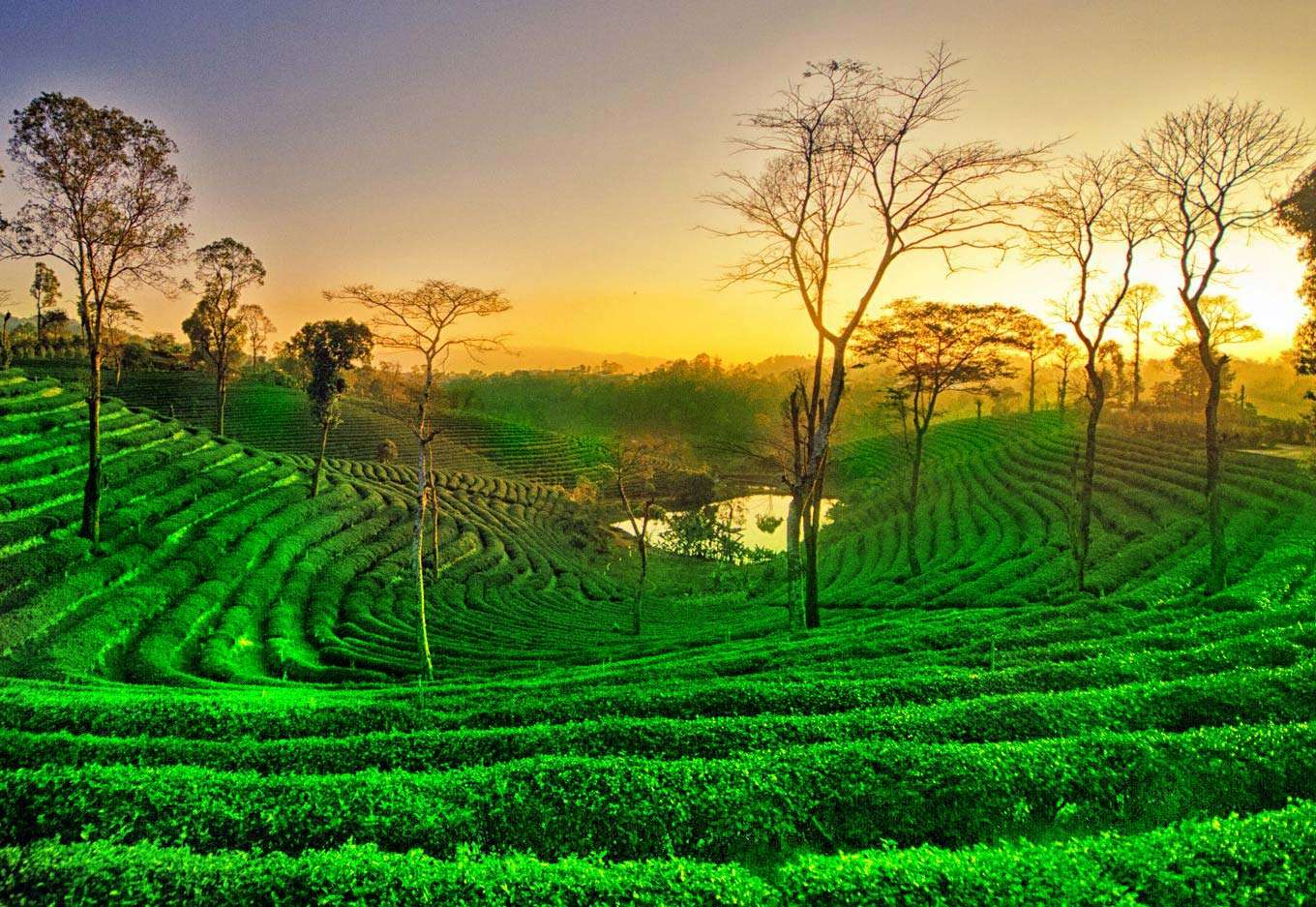
Here’s the guide to the best places to visit in 2026 destinations that go beyond sightseeing and offer moments worth remembering. From peaceful mountains and sunlit deserts to tropical shores and rich cultures, this guide is for travelers seeking beauty, meaning, and experiences that truly stay with them.
15+ International Gems for 2026
1. Jaipur (Rajasthan)
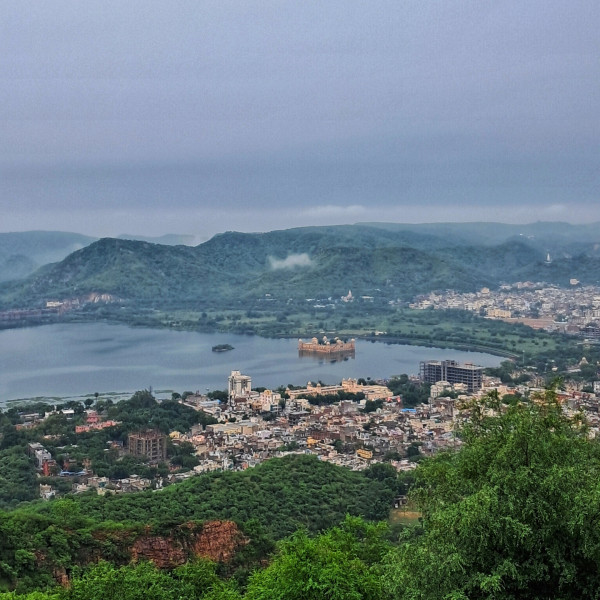
A majestic cultural haven, a trip to Jaipur in 2026 is an experience of vibrant self-expression amidst amber-hued forts and bustling craft districts. You can either opt for a boutique heritage villa in the quiet lanes of Bani Park or a high-energy backpacker hostel near the Old City; it is an enriching experience, perfect for solo travelers and friends looking to bond over artisan workshops and historic sunsets. Walking through the pink-washed bazaars at sunrise or joining a "Night Heritage Walk" through the illuminated old markets is a soulful and visually stunning adventure.
- Why Jaipur: Known as the “Pink City,” Jaipur is evolving in 2026 as a hub for "Artisan Tourism," famed for its new dedicated Craft District, world-class literature festivals, and a thriving scene for traditional Rajasthani learning modules.
- How to get there: Jaipur is exceptionally well-connected by Jaipur International Airport (JAI) and a robust rail network. It is also a smooth 5-hour drive from Delhi via the expressways.
- Best budget places to stay: Trendy hostels like Zostel or The Hosteller on MI Road and boutique homestays in Bani Park offer quirky, affordable stays with social rooftops perfect for meeting fellow travelers.
- Key attractions: Beyond the iconic Amer Fort and Hawa Mahal, 2026’s highlights include the Jaipur Craft District (for hands-on block printing), the Jhalana Leopard Reserve for urban safaris, and the stargazing sessions at the Jantar Mantar observatory.
- Best Food: Indulge in local favorites like Pyaaz Kachori at Rawat, rooftop chai at Tapri Central, and the famous Thali at LMB in the heart of the Johari Bazaar.
- Best Time to Visit: January (for the world-famous Jaipur Literature Festival); March (for Holi celebrations); and October to February (for perfect weather and outdoor festivals).
2. Gokarna (Karnataka)
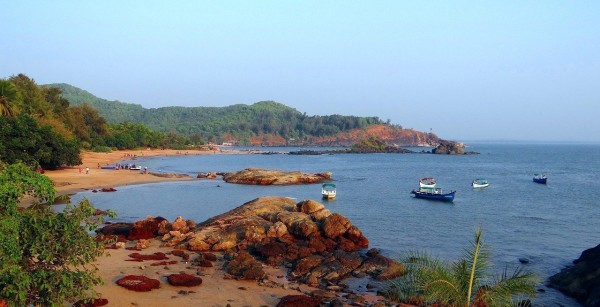
A laid-back coastal haven, a vacation in Gokarna is an experience of barefoot luxury amidst rugged cliffs and golden crescent beaches. You can either opt for a shack right on the sand at Kudle Beach or a boutique cliffside resort overlooking the Arabian Sea; it is a soulful experience, perfect for couples who love beach treks and spiritual vibes. Hiking the "Golden Trail" from one beach to another and sharing a quiet moment during a cliffside sunset is incredibly romantic.
- Why Gokarna: A quieter, more rustic alternative to Goa, Gokarna is famed for its pristine "Om" shaped beach, its spiritual significance, and its relaxed hippie-chic atmosphere.
- How to get there: The nearest airport is Dabolim (Goa), about 140 km away. Alternatively, take a train to Gokarna Road station or a bus from Bangalore or Mangalore.
- Best budget places to stay: Beach shacks on Kudle Beach or cozy hostels in the main town offer an easygoing, affordable stay with instant beach access.
- Key attractions: Om Beach, Half Moon Beach (accessible by trek), the Mahabaleshwar Temple, and the vibrant flea markets near the shore.
- Best Food: Fresh seafood platters, wood-fired pizzas at Namaste Cafe, and authentic South Indian filter coffee.
- Best Time to Visit: October to March (for beach weather); June to August (for lush green monsoon beauty).
3. Tawang (Arunachal Pradesh)
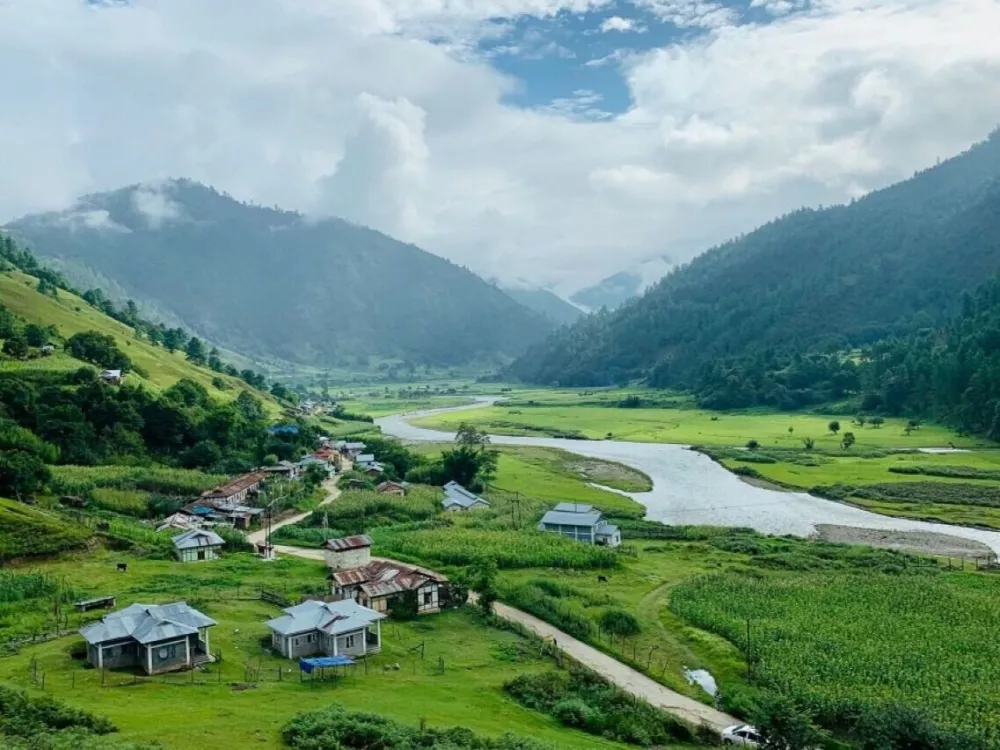
You can opt for a traditional homestay near the Old Market or a cozy mountain lodge overlooking the valley; it is a grounding experience, perfect for travelers looking to explore Tibetan culture and the raw beauty of the Eastern Himalayas. Walking through the rhythmic prayers of the Tawang Monastery or driving through the snow-bound Sela Pass is a humbling and majestic adventure.
- Why Tawang: Known as the "Land of Dawn-lit Mountains," it is home to the largest monastery in India and offers some of the most untouched high-altitude landscapes in the country.
- How to get there: The most scenic route is a road trip from Guwahati or Tezpur (Assam) via Bomdila. The nearest major airport is Guwahati (GAY).
- Best budget places to stay: Local Monpa homestays and government tourist lodges in the main town offer warm hospitality and authentic local living at very affordable rates.
- Key attractions: Tawang Monastery, Sela Pass & Lake, the Indo-China border at Bumla Pass, and the serene Madhuri Lake (Sungester Lake).
- Best Food: Warm up with Thukpa, Zan (a traditional millet dish), and authentic wood-fired Momos.
- Best Time to Visit: March to June (for rhododendrons) and September to October (for clear skies).
4. Hanle (Ladakh)
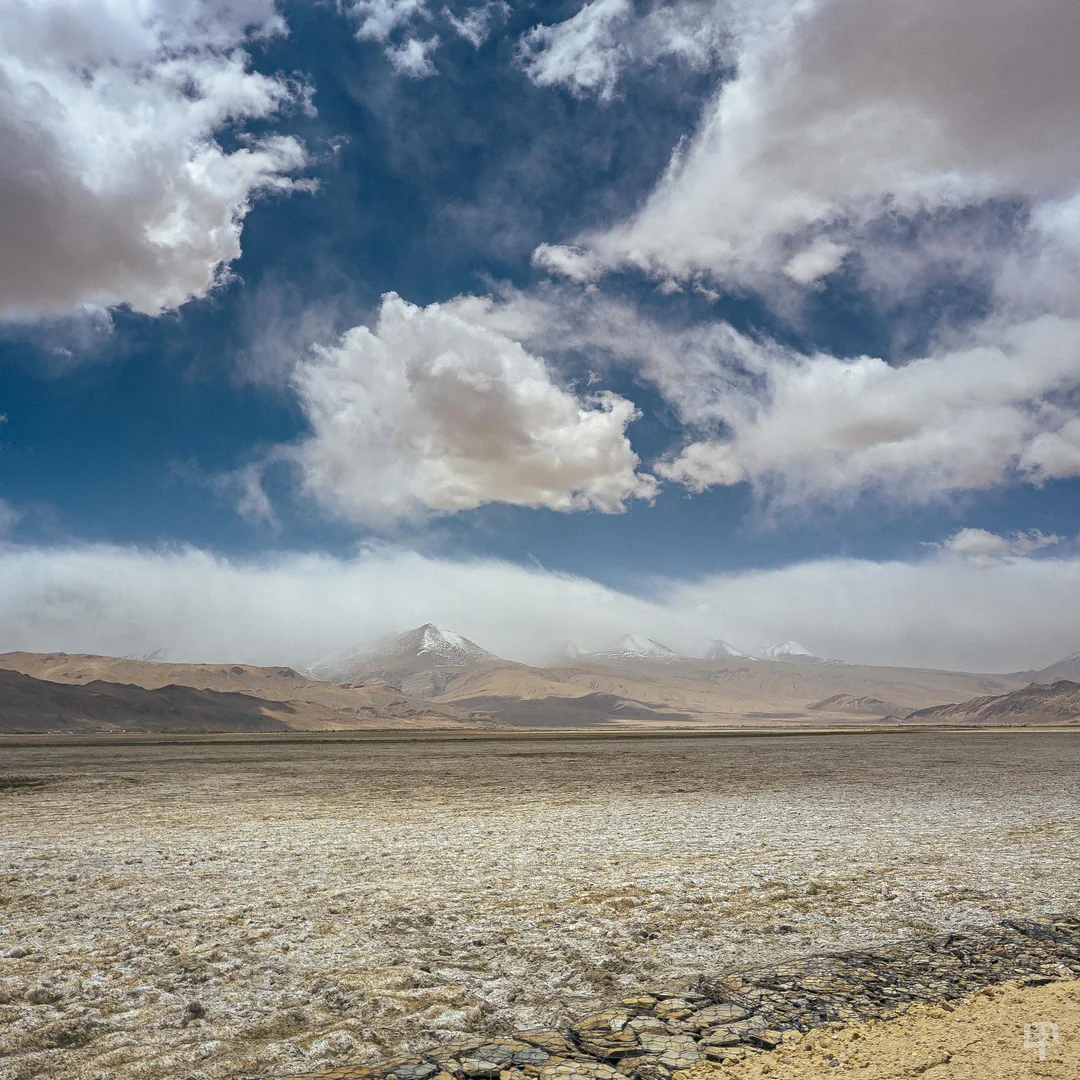
You can opt for a warm, community-run homestay that offers a front-row seat to the universe; it is a profound experience, perfect for solo travelers and photographers looking to reconnect with the stars. Sitting in total darkness at 14,000 feet and watching the Milky Way stretch across the sky is a grounding, once-in-a-lifetime adventure.
- Why Hanle: As India’s first designated "Dark Sky Reserve," Hanle is 2026’s top pick for "astro-tourism" and travelers seeking a digital detox in one of the world's most remote inhabited regions.
- How to get there: It’s a 10-hour scenic (but rugged) drive from Leh. You’ll need an Inner Line Permit (ILP) and a high-clearance vehicle.
- Best budget places to stay: Local Ladakhi homestays are the heart of the experience, offering simple beds, heavy blankets, and home-cooked meals.
- Key attractions: The Indian Astronomical Observatory (one of the world's highest), Hanle Monastery, and spotting rare wildlife like the Tibetan Wild Ass (Kiang).
- Best Food: Hearty bowls of Thukpa (noodle soup) and Khambir (local bread) with apricot jam.
- Best Time to Visit: May to September for accessibility; December to March for the clearest (but freezing) night skies.
5. Bir Billing (Himachal Pradesh)

An adrenaline-fueled mountain haven, a journey to Bir Billing is an experience of pure freedom amidst the Dhauladhar ranges. You can opt for a trendy backpacker hostel in the colony or a boutique eco-stay overlooking the landing site; it is an empowering experience, perfect for groups of friends and adventure seekers wanting to conquer the skies. Walking through the Tibetan colonies and watching hundreds of colorful paragliders dot the sunset sky is a sight of pure joy.
- Why Bir Billing: Rated as one of the best paragliding sites in the world, it’s a 2026 trend-setter for its unique blend of "extreme adventure" and "monastic calm."
- How to get there: The nearest airport is Gaggal (Dharamshala), 70 km away. Regular Volvo buses also run from Delhi and Chandigarh.
- Best budget places to stay: The Bir Colony area is packed with quirky, budget-friendly hostels and "workation" cafes with great Wi-Fi.
- Key attractions: Paragliding from Billing (the take-off point), exploring the Palpung Sherab Ling Monastery, and the Deer Park Institute for philosophy and art.
- Best Food: Spicy Laphing (Tibetan street food) and artisan wood-fired pizzas at the local garden cafes.
- Best Time to Visit: March to June and October to November for the best flying thermals.
6. Majuli (Assam)
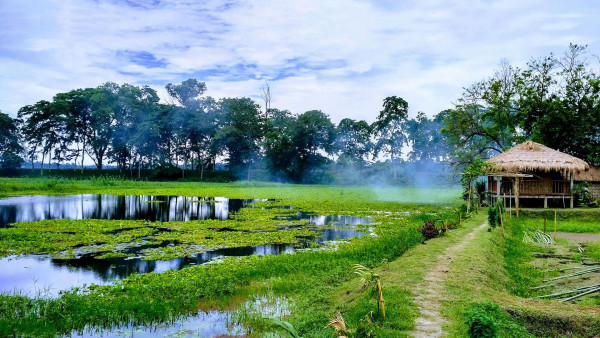
A disappearing riverine haven, a visit to Majuli is an experience of living history amidst the shifting banks of the Brahmaputra. You can opt for a traditional bamboo cottage built by the Mishing tribe; it is a culturally immersive experience, perfect for slow travelers looking to understand ancient Assamese traditions before the river reclaims the land. Cycling along the narrow embankments and meeting the master mask-makers is a lesson in resilience and art.
- Why Majuli: As the world's largest river island, it is a 2026 must-visit for "impact travel" supporting a fragile ecosystem and a vibrant, 15th-century monastic culture.
- How to get there: Drive to Nimati Ghat (near Jorhat), then take a scenic 1-hour ferry ride across the river.
- Best budget places to stay: Traditional Mishing stilt houses (homestays) provide an authentic, eco-friendly, and very affordable island life experience.
- Key attractions: The Satras (monasteries) like Samaguri for masks and Auniati for ancient artifacts, and sunset boat rides.
- Best Food: Sajol (rice wine) and fish cooked in banana leaves with local herbs.
- Best Time to Visit: October to March (during the dry season and the Raas Leela festival).
7. Hampi (Karnataka)
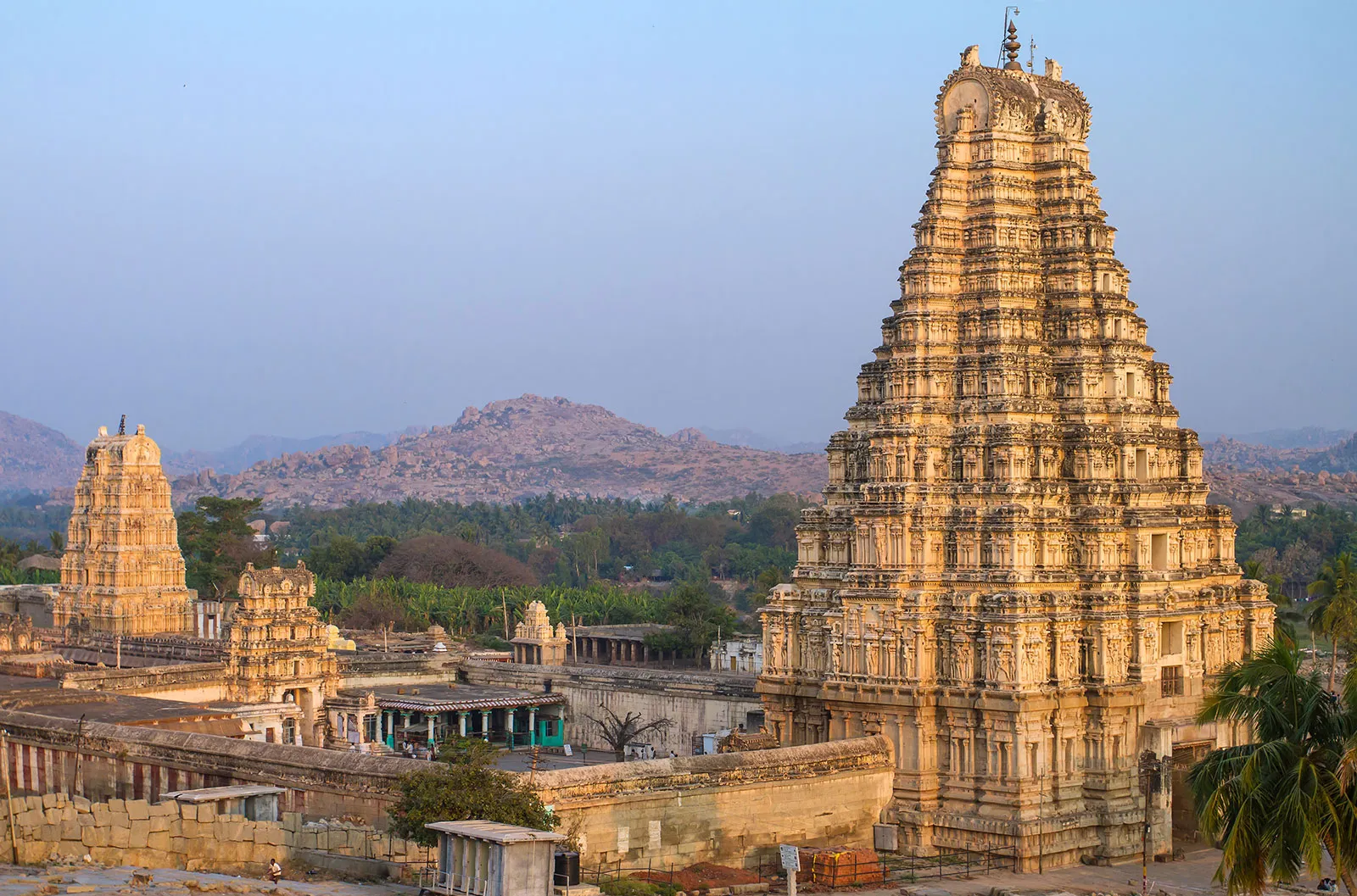
A surreal archaeological haven, a trip to Hampi is an experience of wandering through a giant open-air museum. You can opt for a guesthouse on the "Anegundi" side for a rustic, rural vibe or a stay near the bazaar to be close to the ruins; it is a mind-bending experience, perfect for history buffs and rock climbers. Scrambling over giant boulders to find a hidden 14th-century pavilion is like being in a real-life adventure movie.
- Why Hampi: In 2026, Hampi is trending for its "Ancient-Tech" circuits, where travelers can explore the genius of medieval water systems and musical architecture.
- How to get there: The nearest major railhead is Hosapete (Hospet). From there, it's a 30-minute rickshaw ride to the ruins.
- Best budget places to stay: Simple guesthouses in Hampi Bazaar or the riverside shacks in Virupapur Gaddi offer great value and a bohemian atmosphere.
- Key attractions: The Vitthala Temple (musical pillars), Virupaksha Temple, and coracle (round boat) rides on the Tungabhadra River.
- Best Food: Multi-cuisine "Hippie" cafes serving everything from Banoffee Pie to traditional South Indian Thalis.
- Best Time to Visit: November to February to avoid the scorching granite heat.
8. Wayanad (kerala)
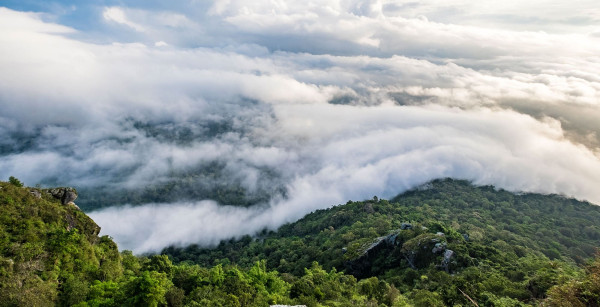
A mist-covered forest haven, a trip to Wayanad is an experience of deep green immersion in the Western Ghats. You can opt for a homestay nestled within a coffee plantation or a dorm-style eco-camp; it is a refreshing experience, perfect for families and nature lovers looking to explore the wild side of Kerala. Walking through spice trails where the air smells of cardamom and pepper is an awakening for the senses.
- Why Wayanad: It’s a top 2026 destination for "Agri-tourism," offering travelers a chance to see where their food comes from through coffee and tea science trails.
- How to get there: The nearest airport and railway station are in Kozhikode (Calicut), about 100 km away.
- Best budget places to stay: Plantation homestays in Kalpetta and Mananthavady offer a cozy, "live-like-a-local" feel at budget prices.
- Key attractions: Edakkal Caves (prehistoric carvings), Banasura Sagar Dam, and wildlife spotting in the Wayanad Sanctuary.
- Best Food: Malabar Biryani and the local specialty, Unniyappam (sweet rice dumplings).
- Best Time to Visit: October to May; or July to September for "Monsoon Tourism."
9. Patan (Gujarat)
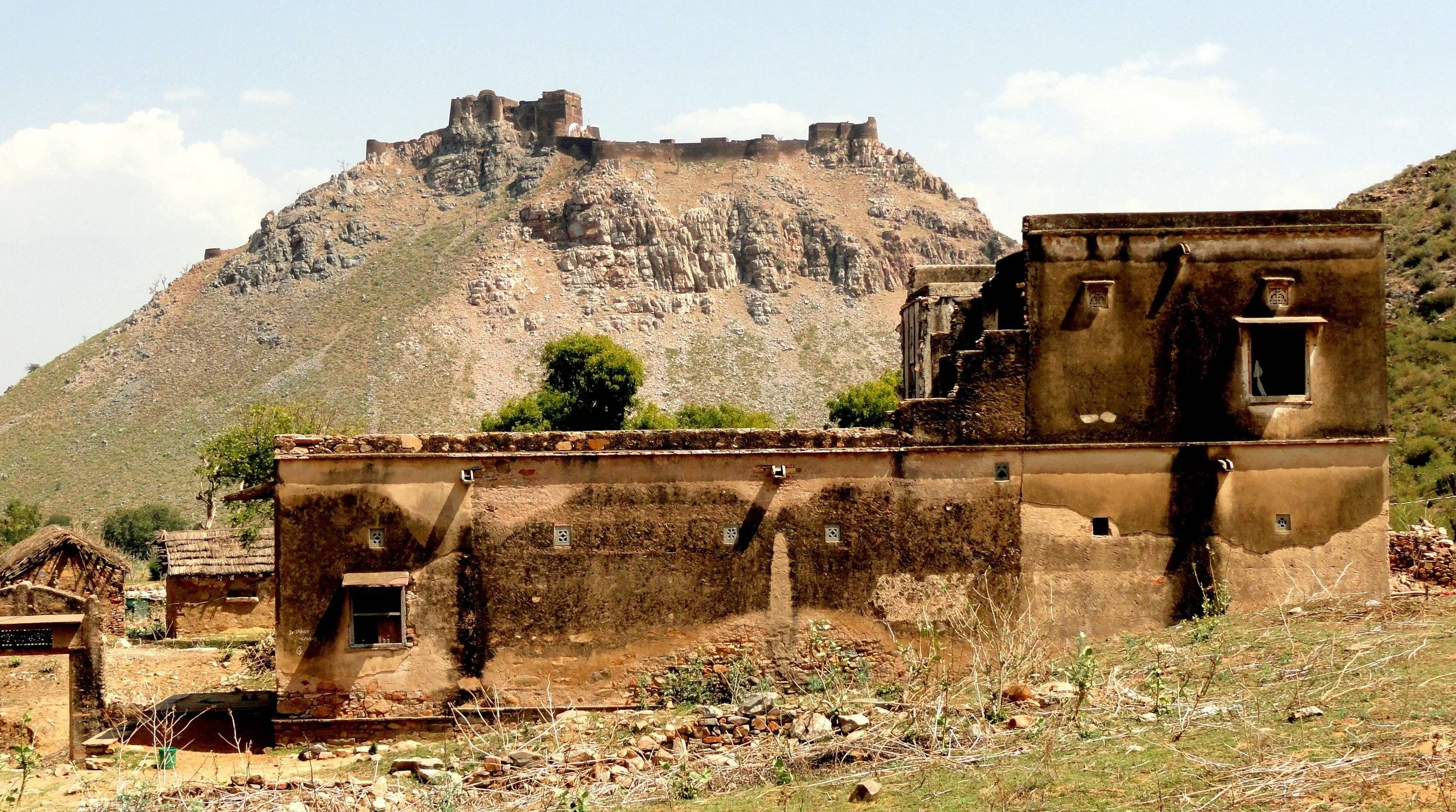
A quiet heritage haven, a visit to Patan (Gujarat) is an experience of intricate craftsmanship amidst ancient stepwells and legendary looms. You can opt for a heritage homestay that echoes the town's glorious past; it is an enriching experience, perfect for couples who enjoy architecture and traditional arts. Standing before the majestic carvings of Rani ki Vav and witnessing the precision of Patola weaving is a truly awe-inspiring experience.
- Why Patan: Once the capital of medieval Gujarat, Patan is famed for the UNESCO-listed Rani ki Vav (Queen’s Stepwell) and the world-renowned, double-ikat Patola silk.
- How to get there: Patan is best reached by road from Ahmedabad (approx. 125 km), which has the nearest major airport and railway station.
- Best budget places to stay: Local guesthouses and budget hotels near the Saraswati River area offer comfortable and accessible stays.
- Key attractions: Rani ki Vav, Sahastralinga Talav, and the Patan Patola Heritage Museum.
- Best Food: Traditional Gujarati Farsan (snacks like Khaman and Dhokla) and the elaborate Gujarati Thali.
- Best Time to Visit: October to March (to avoid the intense summer heat of Gujarat).
10. Ranthambore National Park (Rajasthan)
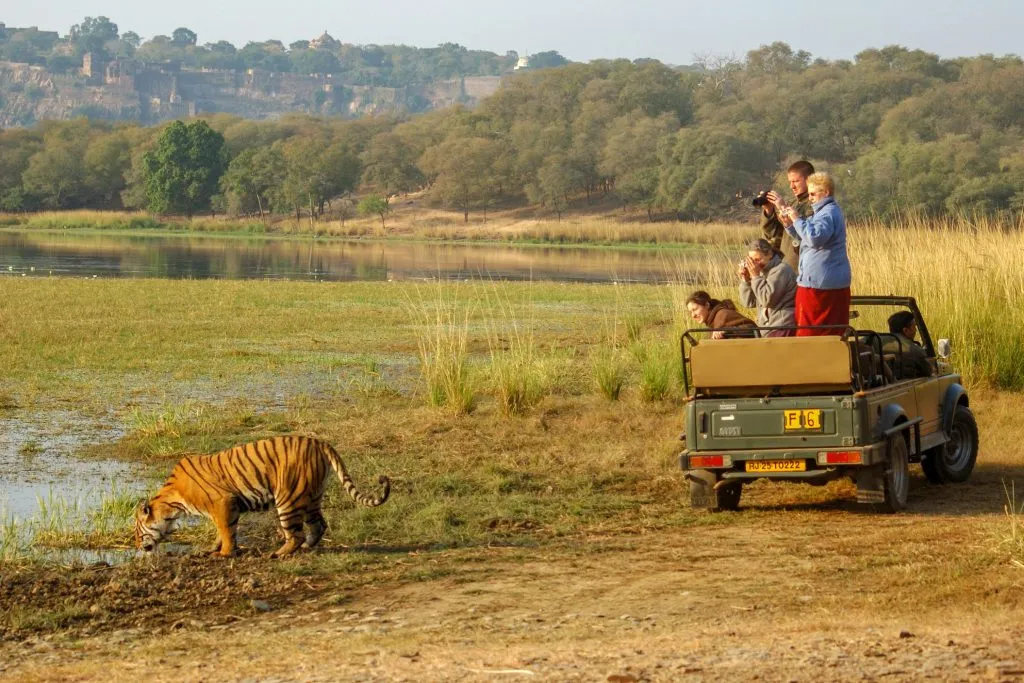
A legendary forest haven, a trip to Ranthambore in 2026 is an experience of raw power amidst ancient ruins and dry deciduous jungles. You can opt for a rustic tented camp that brings you close to the sounds of the wild or a heritage lodge near the park gates; it is an adrenaline-pumping experience, perfect for wildlife enthusiasts and photographers. Spotting a Royal Bengal tiger basking on the steps of a thousand-year-old fort at dawn is a scene straight out of a storybook.
- Why Ranthambore: It is one of the few places in the world where history meets nature so dramatically, with the UNESCO-listed Ranthambore Fort looming over the tiger-inhabited valleys.
- How to get there: The nearest airport is Jaipur (JAI), about 180 km away. Most travelers arrive by train at Sawai Madhopur, which is well-connected to Delhi and Mumbai.
- Best budget places to stay: Clean and safe guesthouses in the town of Sawai Madhopur or budget-friendly eco-resorts along the Ranthambore Road offer great value.
- Key attractions: Tiger Safaris (Jeep/Canter), Ranthambore Fort, Padam Talao (the largest lake), and the ancient Trinetra Ganesha Temple.
- Best Food: Traditional Rajasthani Ker Sangri, Laal Maas (for meat lovers), and the local specialty Bajra Roti with garlic chutney.
- Best Time to Visit: October to March (for pleasant weather); April to June (for high chances of tiger sightings near water holes).
11. Auli (Uttarakhand)
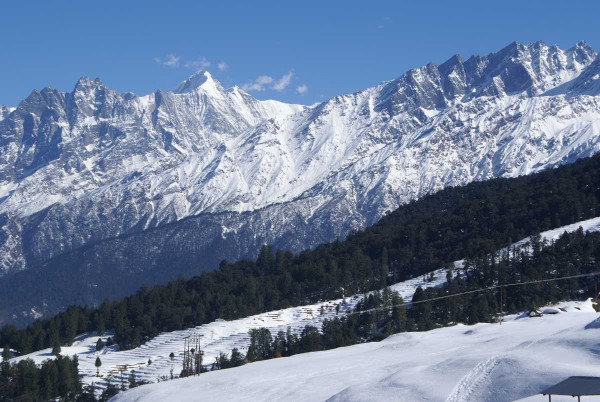
A pristine snow-covered haven, a journey to Auli in 2026 is an experience of high-altitude thrills amidst the towering peaks of the Garhwal Himalayas. You can opt for a cozy wooden cabin with panoramic views of Nanda Devi or a ski resort right on the slopes; it is a revitalizing experience, perfect for those wanting to learn skiing or simply witness the "Mini Switzerland of India." Sliding down the powdery slopes or taking the long cable car ride over the oak forests is an unforgettable alpine escape.
- Why Auli: It is India’s premier skiing destination, offering some of the best 360-degree views of Himalayan giants like Nanda Devi, Kamet, and Mana Parvat.
- How to get there: Fly into Dehradun (DED) and drive to Joshimath (about 8-9 hours). From Joshimath, you can take a 4 km cable car or drive up to Auli.
- Best budget places to stay: Budget travelers usually stay in Joshimath, where affordable guesthouses are plentiful, and commute to Auli by the daily ropeway.
- Key attractions: Auli Artificial Lake, skiing on the slopes, the Gorson Bugyal trek, and visiting the Narsingh Temple in Joshimath.
- Best Food: Steaming bowls of Maggi at the slopes, local Garhwali Phanu (lentil stew), and Kachmauli (stuffed goat).
- Best Time to Visit: December to February (for skiing and heavy snow); April to June (for lush green meadows and trekking).
12. Spiti Valley (Himachal Pradesh)
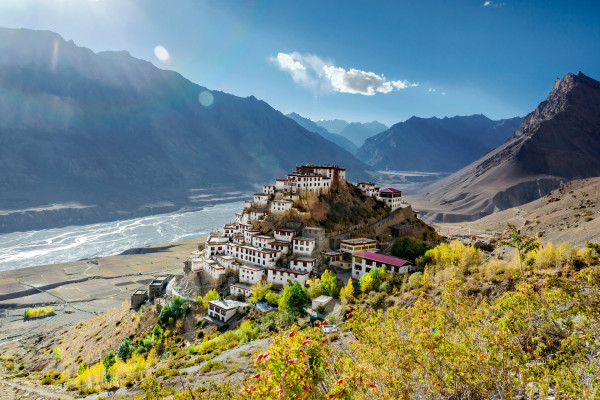
A surreal and sacred haven, a trip to Spiti Valley in 2026 is an experience of profound isolation amidst a high-altitude cold desert. You can opt for a traditional mud-brick homestay in a remote village or a riverside camp in Kaza; it is a life-altering experience, perfect for adventure seekers looking for "off-the-grid" travel. Seeing the 1,000-year-old murals of Tabo Monastery or driving through the treacherous Kunzum Pass will challenge and inspire you in equal measure.
- Why Spiti: Known as the "Little Tibet," Spiti is famed for its stark moon-like landscapes, ancient Buddhist culture, and the world's highest motorable villages.
- How to get there: There are two routes: via Shimla (open year-round) or via Manali (seasonal, through the Atal Tunnel and Kunzum Pass).
- Best budget places to stay: Authentic homestays in villages like Kibber, Langza, or Dhankar offer a warm, affordable, and culturally deep experience.
- Key attractions: Key Monastery, Chandratal (Moon Lake), Hikkim (world's highest post office), and the "mummy" of Gue village.
- Best Food: Warm up with Spitian Barley Bread, Thenthuk (hand-pulled noodles), and the famous Seabuckthorn juice.
- Best Time to Visit: June to September (for comfortable weather and road access); January to March (for the "White Spiti" winter expedition).
13. Dharamshala & McLeod Ganj (Himachal Pradesh)
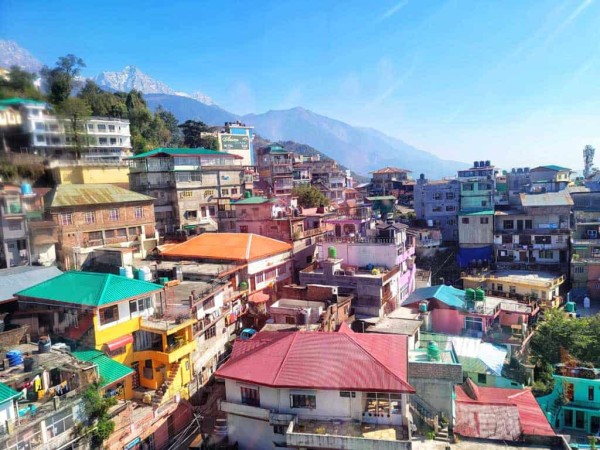
A soulful mountain haven, a getaway to Dharamshala and McLeod Ganj is an experience of Tibetan tranquility amidst the rugged Dhauladhar range. You can opt for a quirky backpacker hostel in the cedar forests of Dharamkot or a boutique hotel with valley views; it is an intellectually stimulating experience, perfect for those seeking yoga, meditation, or mountain treks. Walking through the prayer flags of the Dalai Lama Temple or trekking to the top of Triund Hill is a blend of spiritual and physical elevation.
- Why Dharamshala: This is the residence of His Holiness the Dalai Lama and the center of the Tibetan world-in-exile, offering a unique mix of spirituality, cafes, and trekking.
- How to get there: The nearest airport is Gaggal (DHM), just 15 km away. Alternatively, take an overnight Volvo bus from Delhi or a train to Pathankot followed by a 3-hour drive.
- Best budget places to stay: Dharamkot and Upper Bhagsu are the hubs for budget travelers, featuring affordable hostels, guesthouses, and long-stay cafes.
- Key attractions: Namgyal Monastery, Bhagsu Waterfall, Triund Trek, and the HPCA Stadium (one of the world's most beautiful cricket grounds).
- Best Food: Indulge in authentic Tibetan Momos, Thukpa, and the famous Apple Pie at the many rooftop cafes in McLeod Ganj.
- Best Time to Visit: March to June (for trekking and pleasant weather); October to December (for crisp air and mountain views).
14. Shillong (Meghalaya)
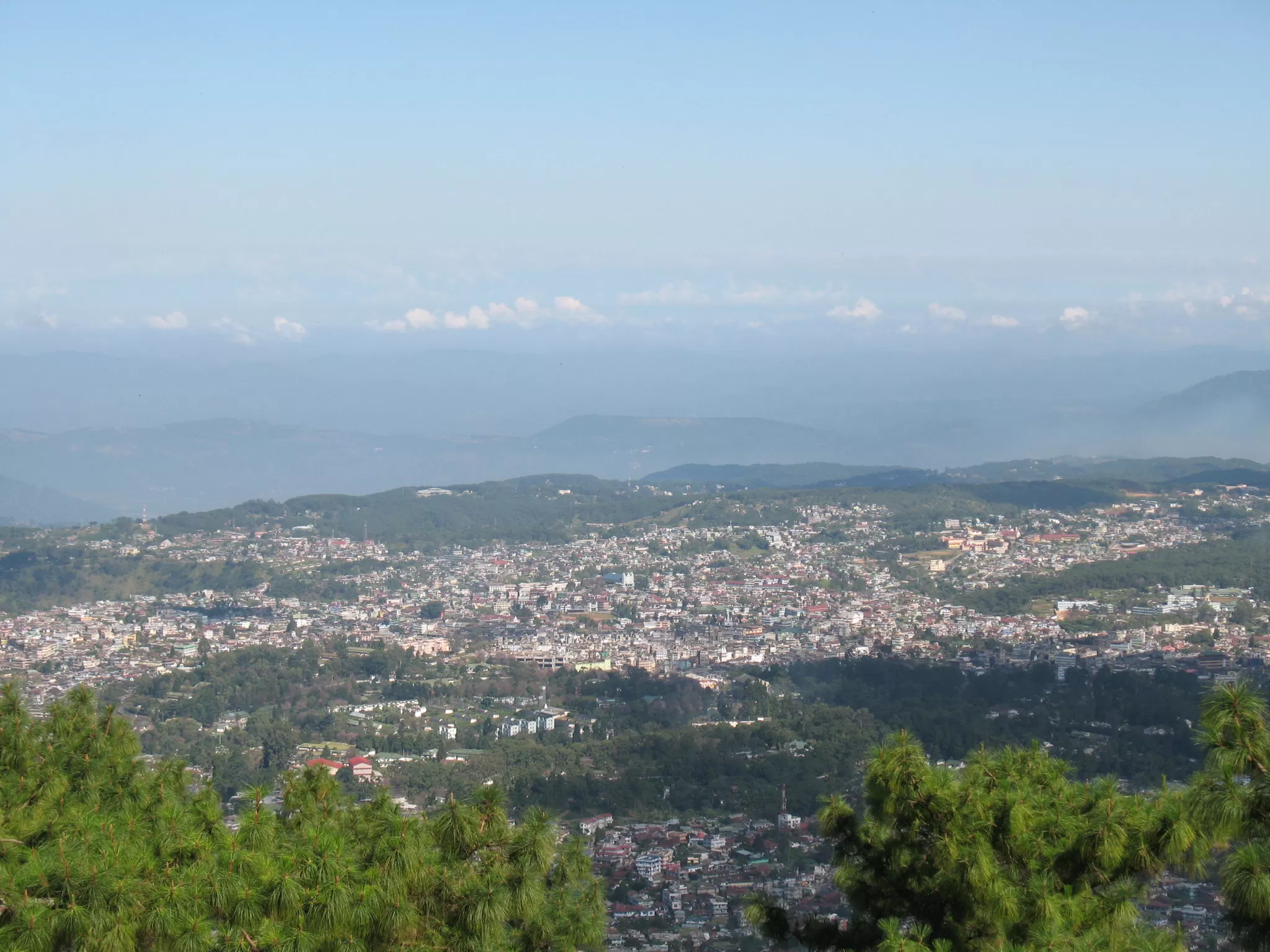
A vibrant hill haven, a visit to Shillong in 2026 is an experience of colonial charm and a thriving independent music scene. You can opt for a heritage bungalow in the pine-scented suburbs of Laitumkhrah or a trendy backpacker hostel near the bustling Police Bazar; it is a refreshing experience, perfect for travelers looking to blend nature walks with cafe culture. Walking around the serene Wards Lake or catching a live gig in a local pub is the perfect way to soak in the "Rock Capital of India."
- Why Shillong: Famed for its pleasant climate, rolling hills, and the unique Khasi culture, it serves as the perfect urban base for exploring the deeper wonders of Meghalaya.
- How to get there: The most common way is to fly into Guwahati (GAU) and take a 3-hour scenic taxi ride. Shillong also has a smaller airport in Umroi (SHL) with limited flights from major cities.
- Best budget places to stay: Guesthouses and homestays in Laban or Laitumkhrah offer a local feel, while hostels near Police Bazar provide affordable, social stays.
- Key attractions: Umiam Lake, Don Bosco Museum (for tribal history), Laitlum Canyons, and Elephant Falls.
- Best Food: Try Jadoh (red rice cooked with meat), Dohkhlieh (pork salad with onions and chilies), and local Kyat (rice beer).
- Best Time to Visit: September to May (for clear skies and pleasant weather).
15. Cherrapunji (Sohra) (Meghalaya)
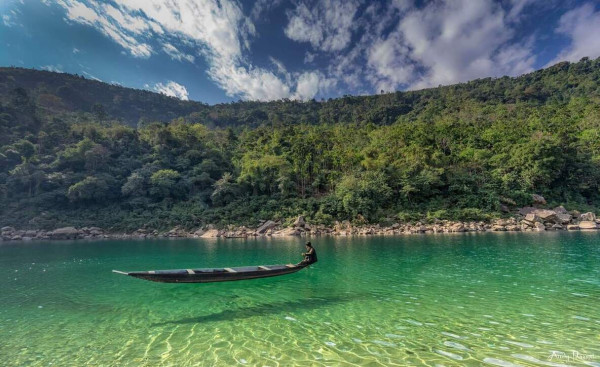
A mist-drenched haven, a journey to Cherrapunji in 2026 is an experience of dramatic cliffs and the world’s most famous living architecture. You can opt for a cozy riverside cottage or an eco-stay overlooking the deep gorges; it is an invigorating experience, perfect for hikers and adventure lovers. Descending the 3,000 steps to the Double Decker Living Root Bridge or standing at the edge of the thundering Nohkalikai Falls is a truly humbling encounter with nature.
- Why Cherrapunji: Known as one of the wettest places on Earth, it is famed for its cascading waterfalls, mysterious limestone caves, and the ancient art of "growing" bridges from tree roots.
- How to get there: Cherrapunji is about a 2-hour drive (55 km) from Shillong. Shared taxis and private cabs are easily available.
- Best budget places to stay: Homestays in Lower Cherrapunji or Nongriat village (for trekkers) offer simple, warm hospitality and spectacular views of the Bangladesh plains.
- Key attractions: Double Decker Living Root Bridge, Nohkalikai Falls, Mawsmai Cave, and the Seven Sisters Falls.
- Best Food: Indulge in warm Pukhlein (sweet rice-flour bread) with red tea, and traditional Khasi pork or veg thalis.
- Best Time to Visit: June to August (to see the waterfalls in full glory); October to April (for trekking and clear views).
16. Kaziranga National Park (Assam)
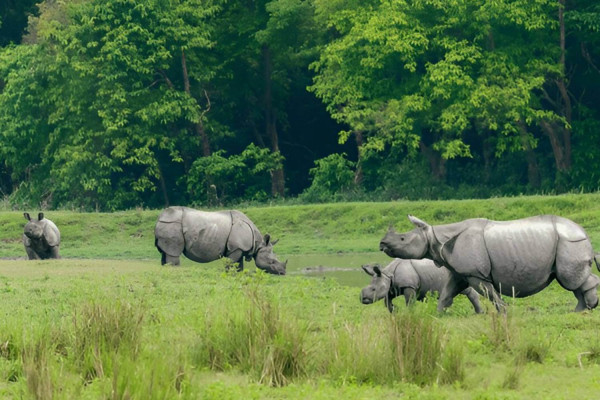
A wild riverine haven, a visit to Kaziranga in 2026 is an experience of prehistoric beauty amidst the tall elephant grass of Assam. You can opt for a rustic jungle resort or a government-run tourist lodge near the park gates; it is a thrilling experience, perfect for wildlife enthusiasts hoping to see the "Big Five" of India. Watching a Great One-Horned Rhino graze against the backdrop of a rising sun during an early morning safari is an iconic Indian safari moment.
- Why Kaziranga: A UNESCO World Heritage Site, it is home to two-thirds of the world's One-Horned Rhino population and offers one of the highest densities of tigers in protected areas.
- How to get there: The nearest major airport and railhead is Guwahati, about a 4-5 hour drive (190 km) away. Jorhat is another nearby airport (100 km).
- Best budget places to stay: Budget guesthouses and homestays are located near the Kohora (Central Range) and Bagori (Western Range) entrances.
- Key attractions: Jeep and Elephant Safaris, the Kaziranga Orchid & Biodiversity Park, and birdwatching near the Brahmaputra banks.
- Best Food: Authentic Assamese Thali with Khar, Masor Tenga (sour fish curry), and smoked meats cooked with bamboo shoots.
- Best Time to Visit: November to April (the park remains closed during the monsoon months from May to October).
10 International Gems for 2026
Vietnam
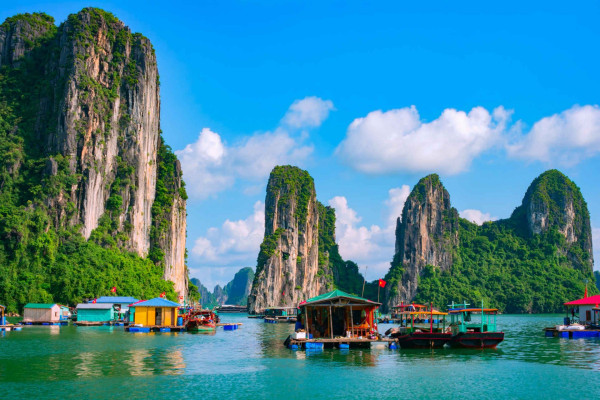
A vibrant coastal haven, a trip to Vietnam in 2026 is an experience of sensory overload amidst emerald rice paddies and neon-lit cities. You can either opt for a boutique "Old Quarter" hotel in Hanoi or a traditional wooden junk boat in Ha Long Bay; it is an exhilarating experience, perfect for backpackers and foodies wanting to explore the balance between ancient history and modern energy. Navigating the Ha Giang Loop by motorbike or wandering the lantern-lit streets of Hoi An is a visually stunning journey.
- Why Vietnam: Famed for its legendary street food, dramatic limestone karsts, and the incredible warmth of its people, it remains one of the most budget-friendly international destinations.
- How to get there: Fly into Hanoi (HAN) in the north or Ho Chi Minh City (SGN) in the south. Both are well-connected by international budget carriers.
- Best budget places to stay: Hostels in Hanoi’s Old Quarter or homestays in the hills of Sapa offer world-class social vibes and incredible value.
- Key attractions: Ha Long Bay, the ancient town of Hoi An, the War Remnants Museum, and the breathtaking Golden Bridge in Da Nang.
- Best Food: Indulge in Pho (noodle soup), Banh Mi (baguettes), and the unique Egg Coffee in Hanoi.
- Best Time to Visit: February to April (Spring) or August to October (Autumn) to avoid the extremes of heat and rain.
Bhutan:
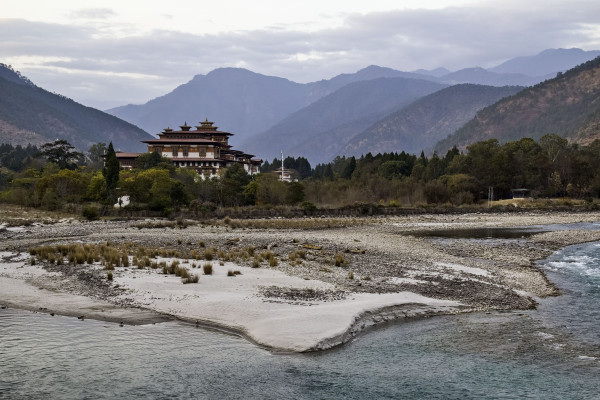
A serene Himalayan haven, a visit to Bhutan in 2026 is an experience of mindful travel amidst prayer flags and fortress-like Dzongs. You can opt for a sustainable farmhouse stay in the Paro Valley or a quiet guesthouse in Thimphu; it is a transformative experience, perfect for those seeking quietude and a deeper connection with nature. Hiking the steep trail to Tiger’s Nest and breathing in the pristine mountain air is a spiritual milestone for any traveler.
- Why Bhutan: The world’s only carbon-negative country, it is famed for its "Gross National Happiness" philosophy and its remarkably preserved Buddhist heritage.
- How to get there: Fly into Paro (PBH) via Drukair or Bhutan Airlines, or enter by road through the border town of Phuentsholing.
- Best budget places to stay: Family-run farmstays in Phobjikha or Haa Valley provide an affordable and intimate look into the Bhutanese way of life.
- Key attractions: Tiger’s Nest (Paro Taktsang), Punakha Dzong, the giant Buddha Dordenma in Thimphu, and the Dochula Pass.
- Best Food: Challenge your palate with Ema Datshi (chili and cheese) and red rice.
- Best Time to Visit: March to May (for the festivals) and September to November (for clear Himalayan views).
Sri Lanka
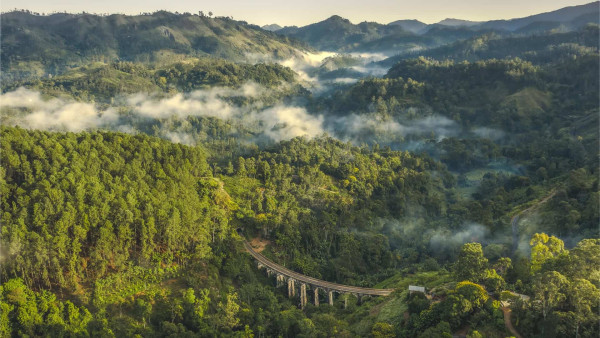
A tropical island haven, a journey to Sri Lanka in 2026 is an experience of diverse landscapes from misty tea plantations to sun-drenched surf breaks. You can either opt for a colonial-era bungalow in the hill country or a beach shack in Hiriketiya; it is a multifaceted experience, perfect for wildlife enthusiasts and sun-seekers. Taking the iconic blue train from Kandy to Ella and watching the wild elephants in Minneriya is a true island adventure.
- Why Sri Lanka: It offers an incredible "compact" travel experience where you can see ancient ruins, lush mountains, and pristine beaches all within a few hours of each other.
- How to get there: Fly into Bandaranaike International Airport (CMB) in Colombo, which is well-served by major global and budget airlines.
- Best budget places to stay: Guesthouses in Ella or surf hostels in Weligama/Mirissa offer affordable comfort with stunning tropical backdrops.
- Key attractions: Sigiriya Rock Fortress, Nine Arch Bridge in Ella, Galle Fort, and Yala National Park for leopard spotting.
- Best Food: Feast on Kottu Roti, Hoppers, and fresh seafood curries with coconut sambal.
- Best Time to Visit: December to April (for the South/West coast) and May to September (for the East coast).
Bali (indonesia)

A lush tropical haven, a trip to Bali in 2026 is an experience of spiritual wellness and creative energy. You can opt for a bamboo eco-lodge in the jungles of Ubud or a trendy loft in the surf town of Canggu; it is a soul-stirring experience, perfect for digital nomads and culture seekers. Watching the sunrise from the peak of Mount Batur or finding a hidden waterfall in North Bali is an essential part of the Balinese "vibe."
- Why Bali: Despite its popularity, Bali remains a top destination for its unique Hindu culture, world-class yoga retreats, and dramatic volcanic landscapes.
- How to get there: Fly into Ngurah Rai International Airport (DPS) in Denpasar.
- Best budget places to stay: Homestays in Ubud or backpacker hostels in Uluwatu provide a high-style experience on a low-budget.
- Key attractions: Uluwatu Temple (for the Kecak dance), Tegallalang Rice Terraces, Nusa Penida island, and the sacred Tirta Empul water temple.
- Best Food: Try Nasi Campur, Babi Guling, and the endless varieties of organic "Buddha Bowls" in the local cafes.
- Best Time to Visit: April to October (the dry season) for the best beach and hiking weather.
Dubai (UAE)
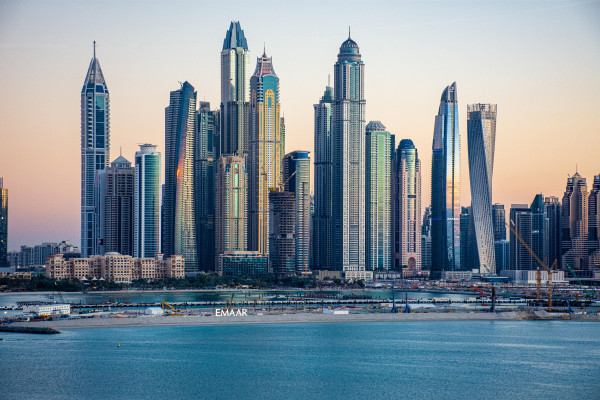
A futuristic urban haven, a visit to Dubai in 2026 is an experience of architectural wonder and high-octane luxury. You can opt for a modern apartment in the Marina or a traditional guesthouse in the Al Fahidi Historical District; it is a high-energy experience, perfect for families and shoppers wanting to see the "city of the future." Crossing the Dubai Creek in an Abra (traditional boat) or watching the city lights from the 148th floor of the Burj Khalifa is a surreal experience.
- Why Dubai: It is a global hub that seamlessly blends traditional Emirati culture with record-breaking skyscrapers and world-class theme parks.
- How to get there: Fly into Dubai International Airport (DXB), one of the world's most connected aviation hubs.
- Best budget places to stay: Hotels in Deira or Bur Dubai offer much more affordable rates while keeping you close to the authentic souks and traditional food.
- Key attractions: Burj Khalifa, The Museum of the Future, Dubai Mall, and a desert safari at sunset.
- Best Food: Savor Shawarma from street stalls, Mandhi (rice and meat), and a variety of Middle Eastern sweets like Kunafa.
- Best Time to Visit: November to March (to enjoy the pleasant outdoor weather).
Baku (Azerbaijan)

A striking Eurasian haven, a trip to Baku in 2026 is an experience of "East-meets-West" amidst Flame Towers and cobblestone alleys. You can opt for a boutique hotel within the walled Old City or a modern high-rise overlooking the Caspian Sea; it is a visually captivating experience, perfect for history buffs and fans of modern architecture. Walking along the Baku Boulevard at night or exploring the mud volcanoes of Gobustan is an otherworldly adventure.
- Why Baku: Known as the "City of Winds," it is famous for its blend of UNESCO-listed history and futuristic designs by Zaha Hadid.
- How to get there: Fly into Heydar Aliyev International Airport (GYD). It is increasingly popular with direct flights from many Asian and European cities.
- Best budget places to stay: Hostels and guesthouses around Nizami Street or the Old City (Icherisheher) are central and affordable.
- Key attractions: The Flame Towers, Heydar Aliyev Center, Maiden Tower, and the bubbling Mud Volcanoes.
- Best Food: Indulge in Shah Plov (king of rice), Dushbara (dumpling soup), and fresh Caspian sturgeon.
- Best Time to Visit: April to June and September to October (for mild, pleasant temperatures).
Kazakhstan
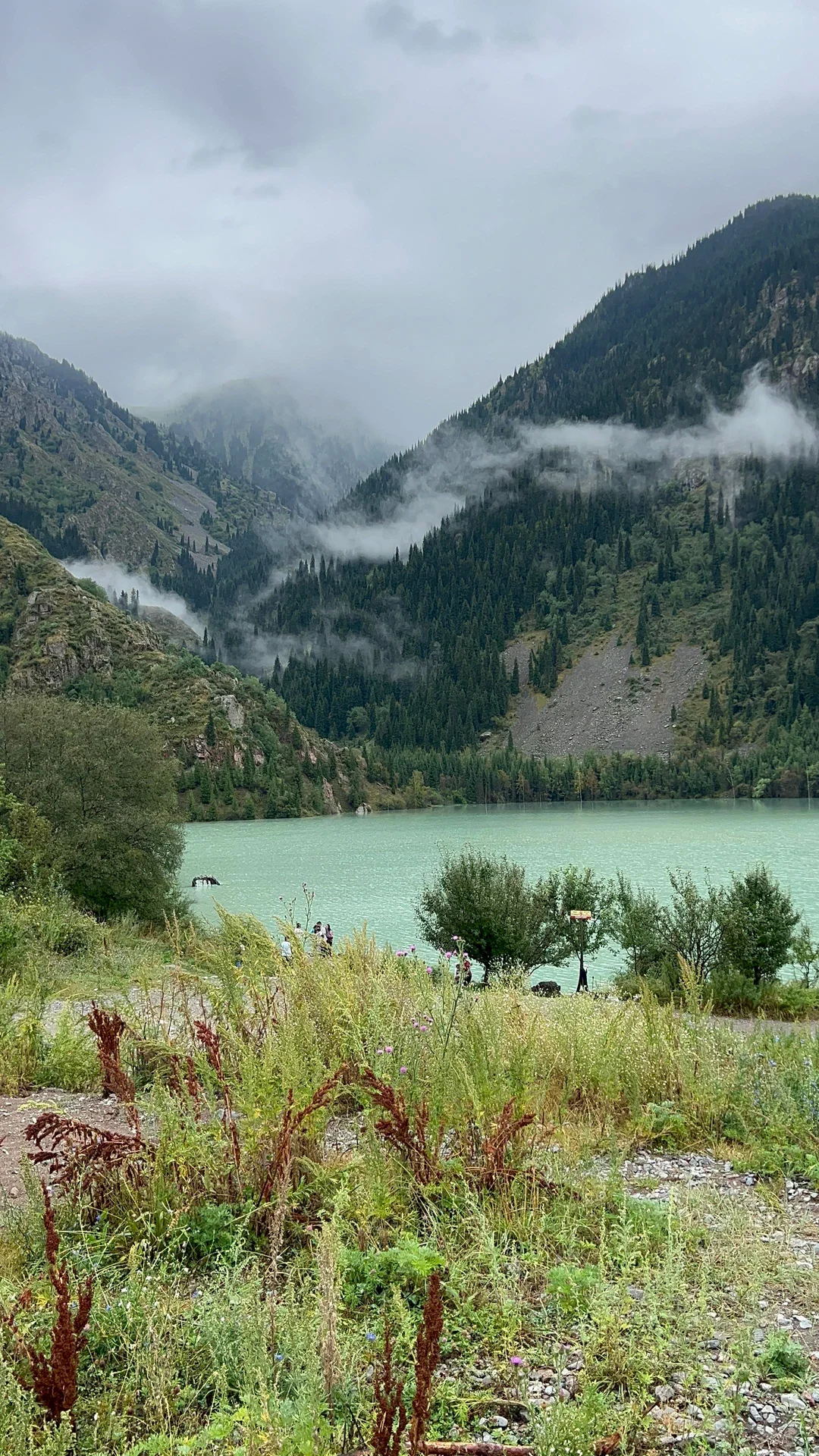
A vast nomadic haven, a journey to Kazakhstan in 2026 is an experience of monumental landscapes and Soviet-era history. You can opt for a sleek hotel in the high-tech capital Astana or a mountain yurt-stay near Almaty; it is an epic experience, perfect for intrepid travelers and hikers. Standing on the edge of the Charyn Canyon or trekking to the turquoise Big Almaty Lake is like stepping into a different world.
- Why Kazakhstan: The largest landlocked country in the world, it is becoming a 2026 favorite for its "Wild West" of the East think canyons, glaciers, and singing sand dunes.
- How to get there: Fly into Almaty (ALA) or Astana (NQZ). Both cities have growing international connections.
- Best budget places to stay: Modern hostels in Almaty are legendary for their cleanliness and community, providing an easy base for mountain trips.
- Key attractions: Charyn Canyon, Kaindy Lake (the sunken forest), Medeu Skating Rink, and the futuristic architecture of Astana.
- Best Food: Try the national dish Beshbarmak (meat and pasta), Baursak (fried bread), and local horse-meat specialties.
- Best Time to Visit: May to September (for trekking and outdoor exploration).
Georgia

A soulful European haven, a trip to Georgia in 2026 is an experience of legendary hospitality and rugged mountain beauty. You can opt for a renovated heritage house in Old Tbilisi or a mountain cabin in Kazbegi; it is a heartwarming experience, perfect for wine lovers and hikers. Taking a cable car over Tbilisi’s rooftops or standing at the base of the Gergeti Trinity Church with Mount Kazbek in the background is a cinematic experience.
- Why Georgia: Famed as the birthplace of wine, Georgia offers an incredible mix of ancient churches, vibrant nightlife, and some of the highest peaks in Europe.
- How to get there: Fly into Tbilisi (TBS) or the budget-friendly Kutaisi (KUT) airport.
- Best budget places to stay: Guesthouses in the Old Town of Tbilisi or village homestays in Svaneti offer deep cultural immersion for very little cost.
- Key attractions: Narikala Fortress, the wine region of Kakheti, the Vardzia cave city, and the Stepantsminda (Kazbegi) mountains.
- Best Food: You must eat Khinkali (dumplings) and the cheesy Khachapuri (bread) paired with local Saperavi wine.
- Best Time to Visit: May to June and September to October (for perfect hiking and wine harvest festivals).
Mauritius
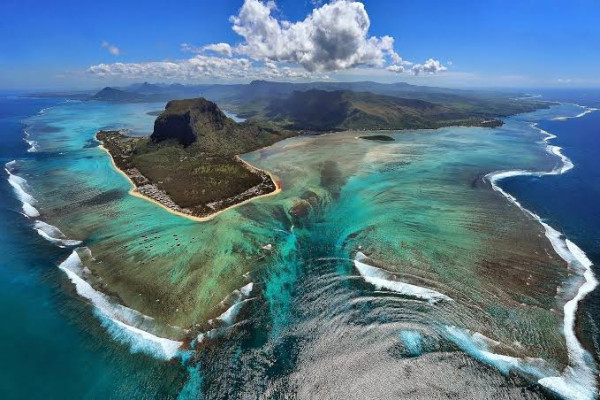
A brilliant ocean haven, a holiday in Mauritius in 2026 is an experience of turquoise lagoons and volcanic peaks. You can either opt for a coastal eco-tent or a boutique resort in the North; it is a rejuvenating experience, perfect for travelers who want to balance beach time with hiking and Creole culture. Swimming with wild dolphins in the West or trekking through the Black River Gorges is a vibrant island experience.
- Why Mauritius: While famous for luxury, it is a 2026 standout for "Eco-Adventure," offering incredible hiking, waterfalls, and a unique multicultural history.
- How to get there: Fly into Sir Seewoosagur Ramgoolam International Airport (MRU).
- Best budget places to stay: Look for self-catering apartments and guesthouses in Flic en Flac or Grand Baie for affordable beach access.
- Key attractions: Seven Coloured Earths (Chamarel), Le Morne Brabant mountain, Pamplemousses Botanical Garden, and Île aux Cerfs.
- Best Food: Sample Dholl Puri (street food pancakes), Gateaux Piment, and fresh vanilla tea.
- Best Time to Visit: May to October (the cooler, drier winter months) is ideal for outdoor activities.
