
Rajasthan the land of kings, valor, and legend is often defined by its architectural marvels: the colossal walls of the Mehrangarh Fort, the shimmering marble of the Udaipur City Palace, and the rose-pink symmetry of the Hawa Mahal. While these are non-negotiable sights, a truly profound journey into this state requires venturing beyond the palace courtyards and into the unique cultural rhythms, desert solitude, and forgotten corners that make Rajasthan the vibrant, intoxicating soul of India.
This guide moves past the standard itinerary to reveal five pillars of an immersive, unforgettable Rajasthani adventure, ensuring your trip is one of genuine cultural connection and thrilling new experiences.
1. Jaisalmer:

The Golden City of Jaisalmer is the gateway to the Thar Desert, offering the most quintessential Rajasthani experience of all: the desert safari. However, the true magic lies in moving away from the tourist congestion of the Sam Sand Dunes.
The Private Oasis: Khuri and Osian
Instead of the packed resorts near Sam, seek out the quieter, more authentic dunes near Khuri or the ancient village of Osian. This is where you trade loud cultural shows for deep, reflective peace.
- The Authentic Safari: Opt for an overnight or multi-day camel trek led by local Thar villagers. The journey is slow and deliberate, designed to let you absorb the vast, empty beauty of the arid landscape. The camels themselves adorned with colorful trappings are your companions on this journey into the deep desert.
- Starry-Eyed Glamping: The peak experience is camping under the open sky. Far from the city lights, the Thar desert offers one of the clearest nighttime views in the world. After a simple, delicious meal of authentic Dal Baati Churma cooked over a bonfire, you can lie back and watch the Milky Way arc across the velvet expanse. This isn't just accommodation; it's a profound, spiritual solitude shared with the stars.
- The Manganiyar Rhythm: In these remote camps, the evening entertainment is often provided by Manganiyar musicians and dancers. Unlike staged performances, these are intimate gatherings where the music characterized by the haunting sounds of the Kamaicha (a bowed instrument) and the vibrant rhythms of the Khartal—tells stories of kings, chivalry, and desert life. This genuine cultural exchange is the soul of Jaisalmer.
- The Ghost Village of Kuldhara: On your way out to the dunes, take a detour to the abandoned village of Kuldhara. This eerie, well-preserved settlement was mysteriously deserted overnight by the Paliwal Brahmins centuries ago. Walking through the ruins of its stone homes offers a tangible connection to the region's folklore and history, adding a unique, almost cinematic layer to the Jaisalmer experience.
Key Jaisalmer Experience: Trading the Sam Sand Dunes’ crowds for a quiet, star-studded overnight camp near Khuri, paired with genuine Manganiyar folk music.
2. Jodhpur:

The imposing presence of the Mehrangarh Fort defines Jodhpur, the Blue City. To find the "best things to do," you need to look down, not up.
The Stepwell and the Spice Market
Jodhpur's vitality is found in its chaotic yet charming old city, which is painted a brilliant shade of indigo.
- Toorji Ka Jhalra: While most tourists rush through the clock tower area, the beautifully restored 18th-century stepwell, Toorji Ka Jhalra, is the new hub of cool. This architectural marvel of red sandstone is a geometric wonder, featuring intricately carved lions, elephants, and waterspouts. Now surrounded by chic cafes and boutique shops, it’s where locals gather and where you can sit and appreciate the ingenuity of ancient Rajasthani water harvesting.
- A Culinary Immersion: Rajasthan's cuisine is built for its arid climate. Instead of just eating in a restaurant, book a private cooking class in a local Jodhpur Haveli. Learn the secrets of preparing Marwari cuisine dishes like the rich, mutton-based Laal Maas, the tangy Ker Sangri (a dried desert berry and bean vegetable), and, of course, the perfect Gatte Ki Sabzi. This is an authentic, hands-on cultural experience that connects you with the home and hospitality of the locals.
- Walking the Blue Streets: Hire a local guide for a heritage walk through the lanes that snake down from the fort. The striking blue color historically used by Brahmins to keep homes cool creates stunning alleyways and photographic opportunities. You’ll see local artisans at work, selling handcrafted leather goods, oxidized silver, and the famous bandhani fabrics.
Key Jodhpur Experience: Exploring the newly revitalized Toorji Ka Jhalra stepwell followed by a hands-on Marwari cooking class in a family Haveli.
3. Jaipur:
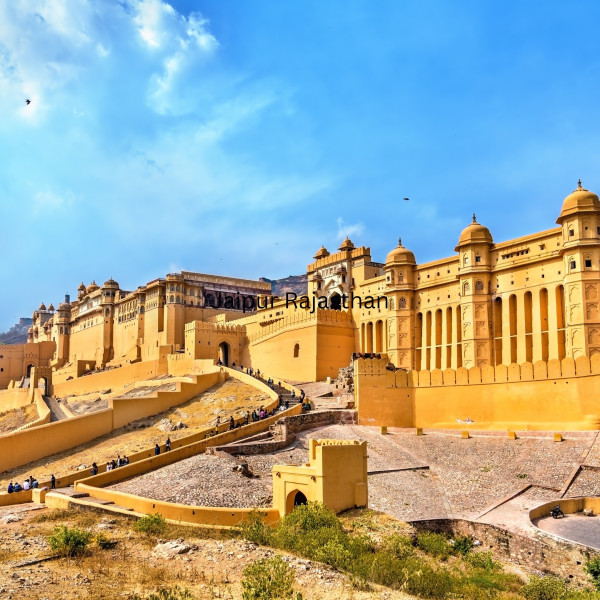
Jaipur, the capital, is a sensory overload of forts, bazaars, and palaces. To truly appreciate its historical planning and vast scale, you must rise above the traffic.
Sunrise from the Hot Air Balloon
While climbing the Nahargarh Fort offers a great view, the Hot Air Balloon Safari offers a truly unmatched, serene, and exhilarating experience.
- The Magic Hour: Flights typically start just before dawn. As you ascend silently in the basket, the first rays of sunlight hit the Pink City, painting the sandstone walls and hidden lakes in spectacular golden hues.
- The Viewpoint: You float gently over the Aravalli hills, gaining a bird's-eye view of the majestic Amber Fort, the ancient ramparts, and the surrounding traditional Rajasthani villages. It provides an unbelievable context for the history you are about to explore on the ground, making the Amber Fort suddenly look like an immense, integrated defensive system rather than just a monument.
- Logistics and Value: While costly, this one-hour experience (often run by professional, internationally certified operators) is a genuine once-in-a-lifetime adventure. It's crucial to book well in advance, especially during the peak tourist season (October to March), and be prepared for early mornings and the possibility of weather-related cancellations.
Key Jaipur Experience: Hot Air Ballooning at dawn over the Amber Fort and the Aravalli hills for a unique, spectacular view of the Pink City’s royal scale.
4. Ranthambore:
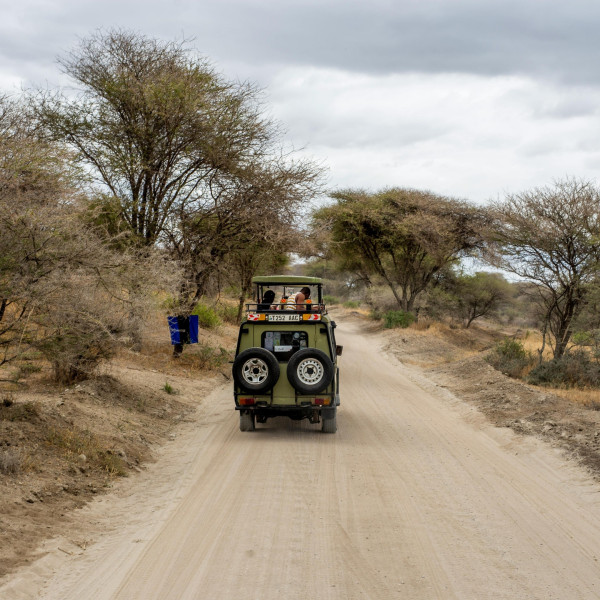
Rajasthan is not just desert and dynasty; it boasts incredible biodiversity. Ranthambore National Park, near Sawai Madhopur, offers an unparalleled opportunity to encounter the wild heart of the state.
The Tiger and the Fort
Ranthambore stands out among India's national parks because it perfectly blends nature and history.
- The Royal Bengal Tiger: This park is one of the best places in the world to spot the elusive Royal Bengal Tiger. Unlike in denser forests, Ranthambore’s rugged, dry deciduous terrain and open grasslands make sightings more frequent. The thrill of a Jeep or Canter safari is immense, with experienced naturalists tracking pug marks and distress calls.
- A Historical Backdrop: What sets Ranthambore apart is the 10th-century Ranthambore Fort located deep inside the reserve. This UNESCO World Heritage Site adds a dramatic, almost surreal element to the safari. Imagine spotting a tiger drinking from the Padam Talao lake, with the ruins of an ancient hunting lodge or fort ramparts in the background it is a visual spectacle found nowhere else.
- Kachida Valley and Wildlife Diversity: Beyond the tiger, explore the Kachida Valley for sightings of sloth bears and leopards. The park is also home to abundant species of deer, langurs, crocodiles, and a fantastic array of migratory birds, offering a rewarding experience even if the majestic tiger remains hidden.
Key Ranthambore Experience: A morning Jeep safari focused on spotting the Royal Bengal Tiger against the dramatic, historical backdrop of the 10th-century Ranthambore Fort ruins.
5. The Forgotten Artistry:
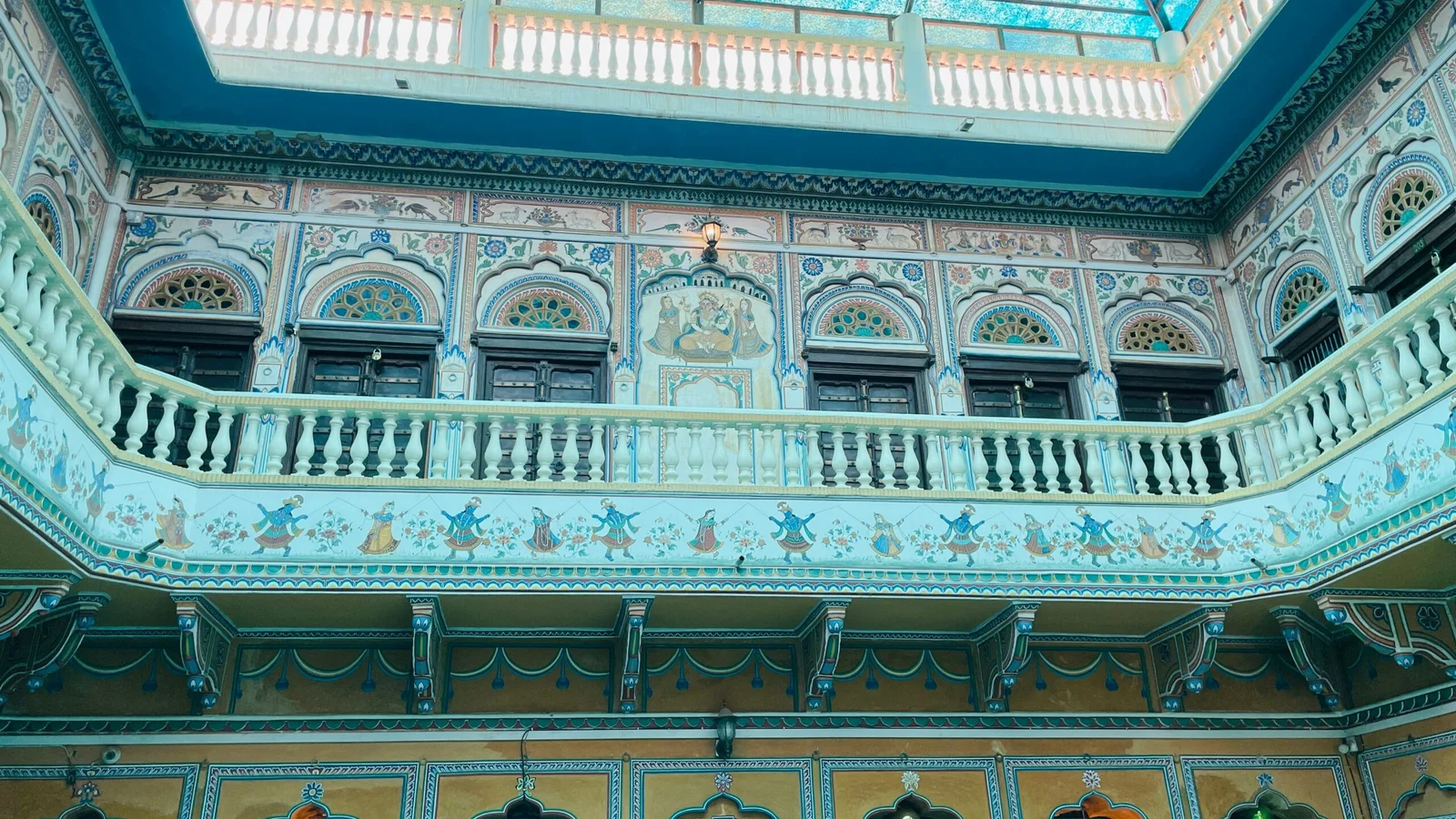
The most overlooked treasures in Rajasthan are its ancient solutions to water scarcity: the magnificent stepwells (Baoris or Kunds). These architectural puzzles reveal an incredible blend of engineering and artistic symmetry.
The Geometric Puzzles of Bundi and Abhaneri
While many stepwells exist, the ones near Jaipur and in the southern town of Bundi are masterpieces.
- Chand Baori (Abhaneri): Located roughly 95 km from Jaipur, this is the most famous example. Dating back to the 9th century, it is one of the deepest and largest stepwells in India, plunging 13 stories with 3,500 perfectly symmetrical, narrow steps forming an impossible geometric pattern. It's a breathtaking, Escher-like spectacle that is a photographer's dream.
- Bundi—The City of Stepwells: The town of Bundi, a quiet, blue-painted gem often bypassed by the mainstream circuit, is known as the "City of Stepwells" with over fifty baoris. The most famous is Raniji Ki Baori (Queen's Stepwell), built in the late 17th century. It features stunning, intricate carvings of elephants and gods, showcasing a more decorative, classical style compared to Chand Baori's strict geometry.
- The Experience: Visiting a baori offers a moment of profound reflection. These structures were not just wells; they were cool, subterranean social gathering places during the scorching summers. Descending into their cool embrace offers a unique sensory contrast to the heat and bustle of Rajasthan.
Key Stepwell Experience: A day trip to the 9th-century Chand Baori near Jaipur, followed by an exploration of the richly carved, decorative Raniji Ki Baori in the quiet, blue town of Bundi.
