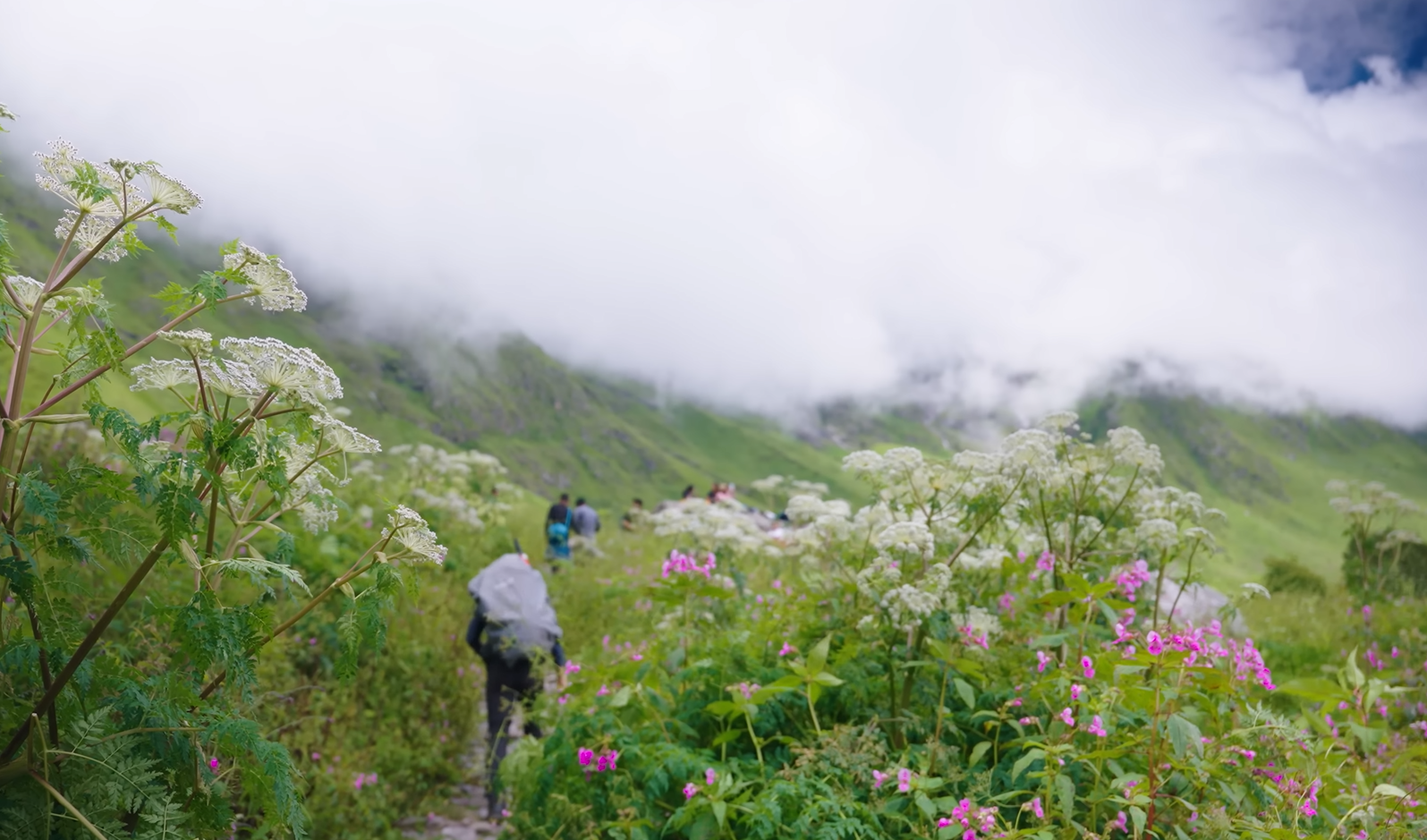
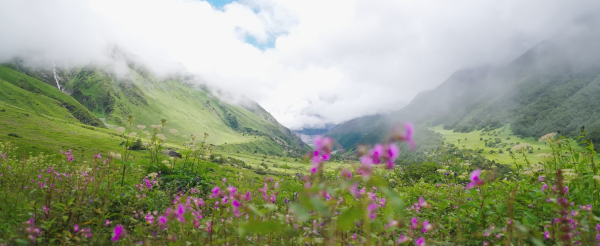
The Valley of Flowers National Park in Uttarakhand is a UNESCO World Heritage Site known for its endemic alpine flowers and rare wildlife. Accessible only from June to October via a moderate trek from Govindghat, this high-altitude sanctuary offers spectacular meadows, beautiful landscapes, and a pristine Himalayan ecosystem.
Tucked away in the Garhwal Himalayas lies a high-altitude sanctuary famous for its vibrant alpine flora and rugged mountain wilderness. The Valley of Flowers National Park sits between 3,352 and 3,658 meters above sea level, transforming into a kaleidoscope of colors during the monsoon season. This pristine ecosystem stretches across 87.50 square kilometers, offering a haven for nature lovers, botanists, and adventurers.
Visitors undertake a scenic trek to witness this natural wonder. The journey takes trekkers through lush forests, past cascading waterfalls, and into a unique transition zone between the Zanskar and Great Himalayas. Navigating this remote region requires careful preparation, from securing permits to understanding the physical demands of the trail.
This comprehensive guide provides everything required to plan a successful trip to the Valley of Flowers. You will find detailed information on the trek route, optimal visiting times, local accommodation, and how to book a Valley of Flowers tour package from Delhi. By following these insights, travelers can safely experience one of India's most spectacular national parks.
What makes the Valley of Flowers a UNESCO World Heritage Site?
The Valley of Flowers National Park boasts a rich history of exploration and ecological significance. British mountaineers Frank S. Smythe, Eric Shipton, and R.L. Holdsworth stumbled upon the valley by chance in 1931 after losing their way while returning from Mount Kamet. Struck by the expansive alpine meadows blooming with color, Frank S. Smythe named the region the "Valley of Flowers" and later authored a book detailing his experiences.
Botanical interest in the region grew shortly after. In 1939, Joan Margaret Legge, a botanist deputed by the Royal Botanic Gardens in Kew, arrived to study the diverse plant life. Tragically, Joan Margaret Legge slipped on a rocky slope and passed away, and her sister later erected a memorial grave that still stands in the valley today.
The Indian government established the area as a national park in 1982 to protect its fragile ecosystem. By 1988, the site gained international recognition when it was inscribed as a UNESCO World Heritage Site, forming part of the Nanda Devi and Valley of Flowers National Parks. Today, both parks fall under the Nanda Devi Biosphere Reserve, which spans 223,674 hectares and actively protects the unique biodiversity of the Western Himalayas.
What flora and fauna inhabit this mystical Himalayan landscape?
The Valley of Flowers National Park contains an incredibly diverse range of alpine plants and rare wildlife. The Pushpawati River flows directly through the valley, nourishing the soil and creating a highly fertile environment for vegetation.
What are the notable alpine flowers in the park?
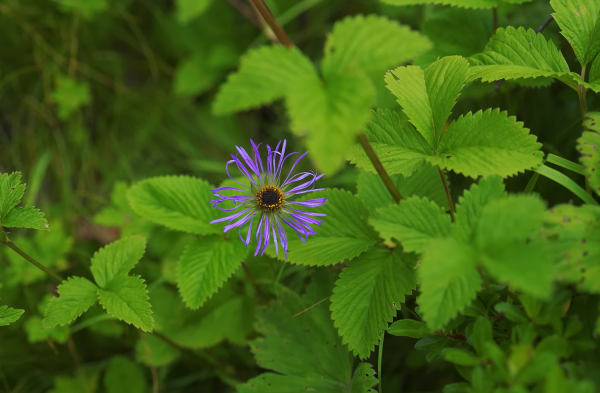
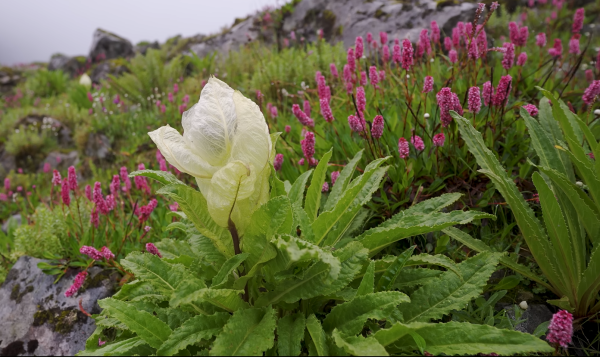
According to a decade-long study conducted by botanist Chandra Prakash Kala starting in 1993, the national park features 520 species of alpine plants. The valley floor blossoms with over 600 species of angiosperms, providing an incredible visual display. Some of the most sought-after and rare flowers include:
- The Blue Poppy (Meconopsis aculeata): A stunning, highly rare flower that attracts photographers from around the world.
- Brahma Kamal (Saussurea obvallata): A sacred medicinal plant frequently offered to mountain goddesses Nanda Devi and Sunanda Devi.
- Cobra Lily (Arisaema jacquemontii): A distinctively shaped plant that thrives in the sub-alpine zones.
- Himalayan Slipper Orchid: A beautiful orchid species found scattered throughout the meadows.
What rare wildlife lives in the Nanda Devi Biosphere Reserve?
While animal density remains relatively low due to the harsh high-altitude climate, the Valley of Flowers supports several endangered species. Wildlife sightings are rare but deeply rewarding. The park provides critical habitat for the snow leopard, Himalayan musk deer, Asiatic black bear, and brown bear. Smaller mammals like the red fox, Himalayan weasel, and blue sheep (bharal) also navigate the rocky terrain.
Bird watchers can spot high-altitude avian species soaring above the valley. The Himalayan monal pheasant, yellow-billed chough, and Himalayan vulture frequently appear in the skies above the Pushpawati River valley.
How should you plan your journey to the Valley of Flowers?
Planning a trip to the Valley of Flowers requires precise timing and logistical coordination. Because heavy snow covers the region for most of the year, the Uttarakhand State Forestry Department only opens the park to the public from June to October.
When is the best time to visit the Valley of Flowers?
The absolute best time to visit the Valley of Flowers is between mid-July and early September. During this monsoon window, the maximum number of alpine flowers burst into full bloom. August provides the most vibrant displays, though trekkers must remain prepared for heavy rains and potentially slippery trails.
How do you reach the Valley of Flowers basecamp?
The journey typically begins in Delhi, Haridwar, or Dehradun. Travelers must reach Govindghat, a small town in the Chamoli district that serves as the starting point for the trek.
- From Delhi: Take a train to Haridwar or Dehradun, followed by a bus or taxi ride to Govindghat via Rishikesh. The drive from Delhi covers approximately 500 kilometers and usually takes a full day.
- Booking a package: Choose a Valley of Flowers tour package from Delhi if convenience matters more than independent budget travel. A comprehensive tour package generally covers transportation, permits, meals, and accommodations, streamlining the logistics of reaching remote Garhwal.
How difficult is the Valley of Flowers trek route?
The Valley of Flowers trek is widely classified as a moderate hike, making it suitable for beginners with a reasonable level of physical fitness. However, the high altitude and monsoon conditions introduce specific challenges that trekkers must respect.
What is the daily trekking itinerary?
The trekking route breaks down into manageable daily segments.
- Govindghat to Pulna: Travelers can take a shared taxi from Govindghat to Pulna, covering the first 4 kilometers by road.
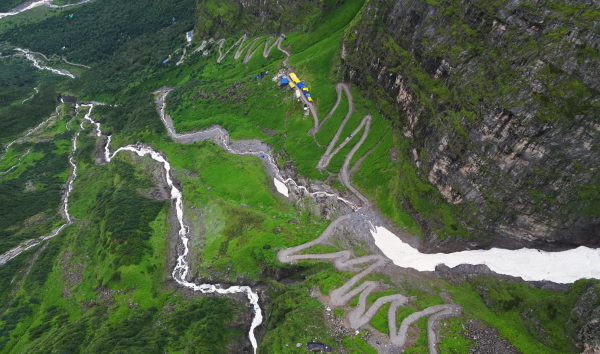
- Pulna to Ghangaria: From Pulna, a 9-kilometer uphill trek brings you to Ghangaria, a small settlement located at 3,049 meters. This bustling village acts as the main basecamp.
