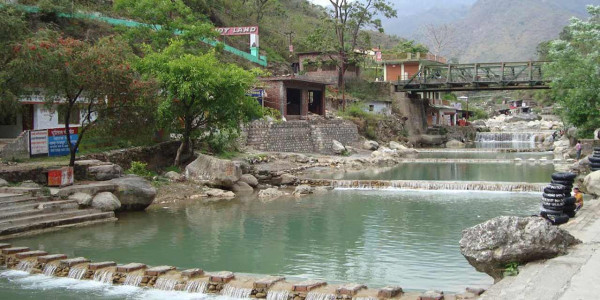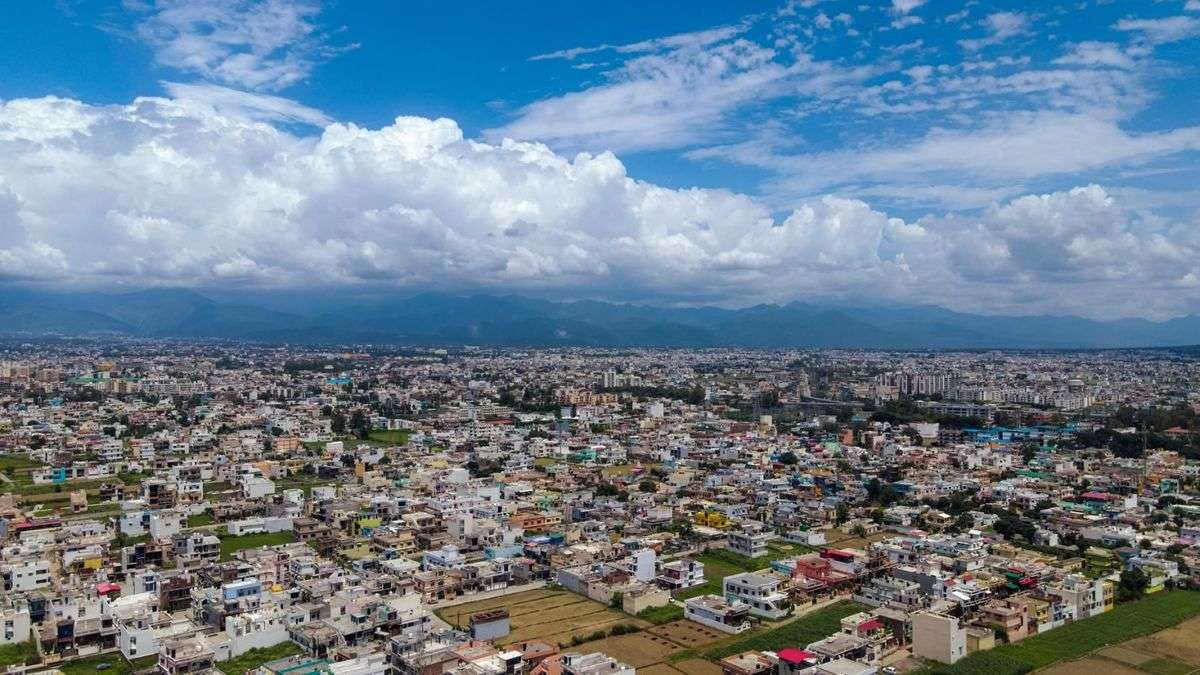
Nestled in the foothills of the Garhwal Himalayan range, Mussoorie, affectionately crowned the Queen of Hills, is an evergreen destination defined by its colonial architecture, cascading waterfalls, and breathtaking panoramic views of the distant snow peaks and the sprawling Doon Valley. It's a place where winding roads lead to misty mornings and quiet, pine-scented pathways, promising a refreshing escape from the plains.
The journey to Mussoorie is as picturesque as the destination itself, a crucial transition from the heat of the plains to the cool embrace of the mountains. This comprehensive guide details every aspect of planning your trip, from precise logistical steps to the must-do activities and the hidden gems surrounding this iconic hill station.
How to Reach Mussoorie
Mussoorie does not have its own airport or railway station, a fact that preserves its quiet, elevated charm. All major journeys terminate in the neighboring city of Dehradun, which serves as the indispensable gateway to the Queen of Hills.
1. By Air: The Fastest Route
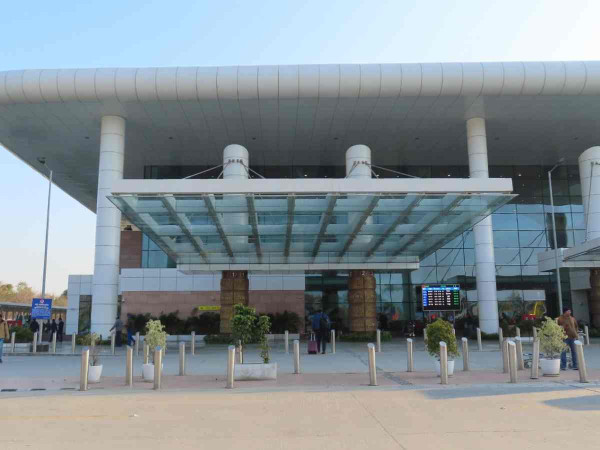
The quickest way to reach the region is by flying into Jolly Grant Airport (DED) in Dehradun.
- Connectivity: DED is a well-connected airport with daily flights from major metropolitan centers, including Delhi, Mumbai, Bengaluru, and Hyderabad.
- Distance to Mussoorie: The airport is approximately 60 kilometers from Mussoorie’s Mall Road.
- Final Leg (DED to Mussoorie):
- Pre-booked Taxi: The most comfortable option. Pre-booked private cabs take about 2 to 2.5 hours, depending on traffic on the ghat road.
- Shared Taxis/Buses: Budget travelers can take an airport shuttle to Dehradun ISBT or the railway station, and then proceed with cheaper local transport, though this adds significant travel time.
2. By Rail: The Himalayan Railhead (Via Dehradun Railway Station)
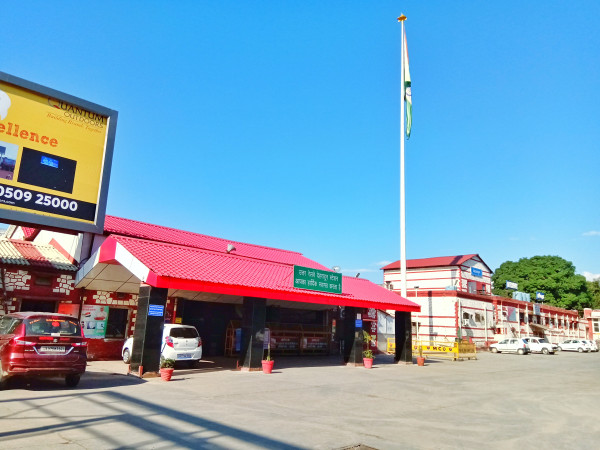
The nearest and most significant rail connectivity hub is the Dehradun Railway Station (DDN).
- Connectivity: DDN enjoys excellent rail links across India, with popular trains like the New Delhi-Dehradun Shatabdi Express and the overnight Mussoorie Express connecting it efficiently to Delhi.
- Distance to Mussoorie: The railway station is situated roughly 35 to 40 kilometers from Mussoorie.
- Final Leg (DDN to Mussoorie):
- Public Bus: Immediately outside the station, you can find local buses run by the Uttarakhand Transport Corporation (UTC) and private operators. They are the most economical option, taking approximately 2 hours to reach Library Chowk (Mussoorie).
- Taxis: Hired and prepaid taxis are readily available. This is the most popular option, traversing the steep, scenic ghat road in about 1.5 hours.
3. By Road: The Scenic Drive (The Journey of Ascent)
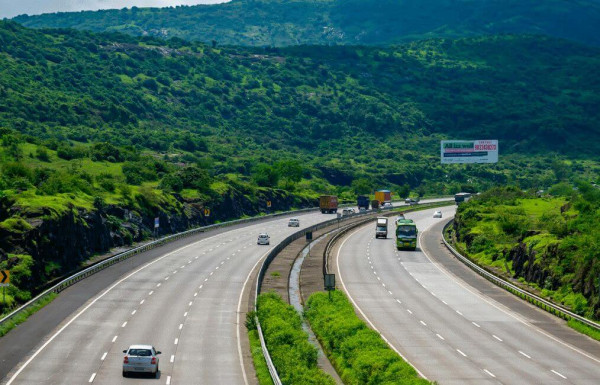
Driving to Mussoorie is the most popular choice, offering flexibility and stunning views as you ascend.
- From Delhi: Mussoorie is approximately 290 kilometers from Delhi. The journey takes around 6 to 8 hours, depending on traffic. The route primarily follows NH-334 (via Meerut, Muzaffarnagar, Roorkee, and Haridwar/Dehradun).
- The Final Climb (Dehradun to Mussoorie): This 35-40 km stretch is the defining part of the journey. There are two main routes:
- Mussoorie Diversion Route (The faster path): This road is well-maintained and provides the quickest ascent to the main town area (Kulri/Library Bazaar).
- Kempty Fall Route (The longer, more scenic path): This road is generally taken when traveling toward Kempty Falls first or if the main diversion route is congested.
- State Buses: UTC runs regular bus services connecting Dehradun and Delhi to Mussoorie, offering a reliable and budget-friendly option.
The Mussoorie Experience - Activities and Must-See Spots
Mussoorie’s soul lies in its heritage walkways and vantage points, where every bend reveals a new, spectacular view. The essence of a Mussoorie trip is slow travel walking, sitting, and simply absorbing the majestic environment.
1. The Heartbeat: Mussoorie’s Mall Road

The Mall Road is the social, economic, and cultural artery of Mussoorie. Stretching from Library Bazaar to Kulri Bazaar, this pedestrian-friendly street is perfect for evening strolls.
- Activities: Shopping for local handicrafts, woolens, and antiques; sampling Tibetan and local Garhwali food; horse riding; and simply watching the vibrant tourist life unfold. The famous Cambridge Book Depot is a must-visit for literature lovers, especially those hoping to spot the hill station’s most celebrated resident author, Ruskin Bond.
2. Vantage Points and Spectacular Views
- Lal Tibba (Depot Hill): The highest point in Mussoorie (Landour area). It offers the clearest and most expansive views of the Himalayan peaks (Badrinath, Kedarnath, Nanda Devi). There is a Japanese telescope installed here for close-up viewing.
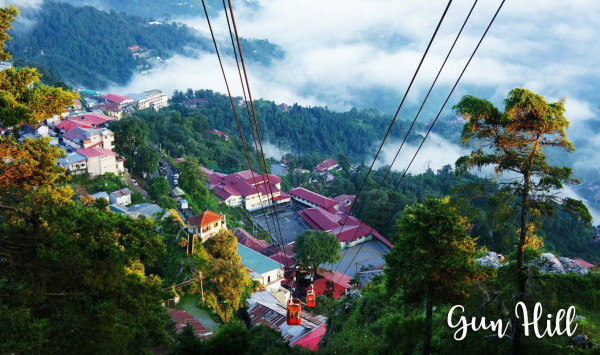
- Gun Hill: The second-highest point. Accessible by a scenic ropeway ride or a challenging 20-minute uphill trek from the Mall. The viewpoint provides a stunning 360-degree panorama of Mussoorie, the Doon Valley, and the snow ranges.
- Camel’s Back Road: A 3 km stretch resembling a camel's hump. It is the most romantic place in Mussoorie for an evening or early morning walk, offering serene views of the sunset/sunrise.
3. Nature and Waterfalls
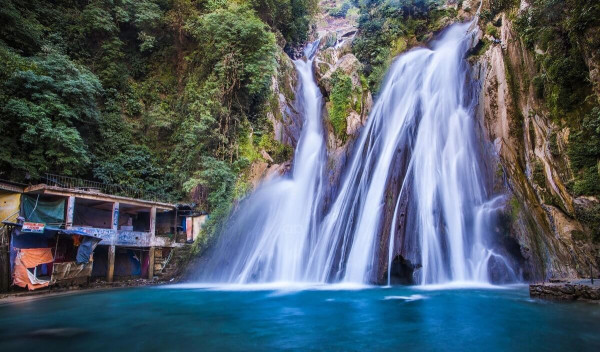
- Kempty Falls (The Iconic, But Crowded): Situated 15 km from Mussoorie, Kempty Falls is the region's most famous waterfall. While beautiful, it can be extremely crowded. For a more secluded experience, visit early in the morning.
- Mossy Falls: A quieter, more secluded waterfall reached via a short trek near Barlowganj, offering a more pristine and serene environment.
- Cloud’s End: Located at the extreme western end of Mussoorie, this point marks the geographical end of the town. It offers spectacular, quiet views and is ideal for long nature walks amidst thick oak and deodar forests.
4. The Winterline Phenomenon
Mussoorie is one of the few places in the world (along with Switzerland) where the Winterline is clearly visible. This spectacular natural light phenomenon occurs just after sunset from late October to January, creating a secondary horizon a vivid band of mauve, violet, and orange colors visible above the Doon Valley. Watching the Winterline from Gun Hill or Lal Tibba is an unforgettable visual treat.
The Literary Sister and the Spiritual Hikes
Mussoorie is not just about the Mall Road; its true charm lies in the surrounding, less-commercialized areas.
1. Landour: The Colonial Time Capsule
Landour, situated just 5 km above Mussoorie, is the destination for peace-seekers and history buffs. It is essentially an old British cantonment town that has fiercely retained its early 20th-century colonial charm.
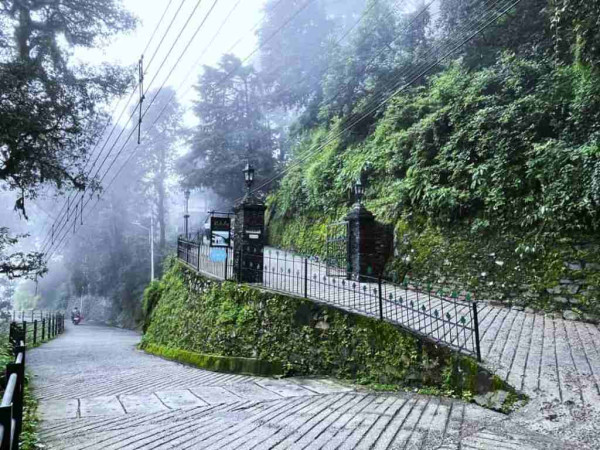
- The Vibe: Landour is quieter, enveloped in dense pine and deodar forests, and often covered in a beautiful mist. It is famously home to acclaimed author Ruskin Bond, whose presence has infused the place with a unique literary atmosphere.
- Landour Walk: The circular walk around Landour is a pilgrimage in itself, passing historical bungalows, rhododendron trees, and the crisp scent of the mountains.
- Landour Highlights:
- Char Dukan: An iconic cluster of four tiny shops serving famous pancakes, waffles, and Maggi.
- St. Paul's Church: A beautiful, ancient church built in 1840, offering a glimpse into Landour's past.
- Sisters Bazaar: A small, quaint settlement named after the resident nurses in the colonial era, known for its unique shops.
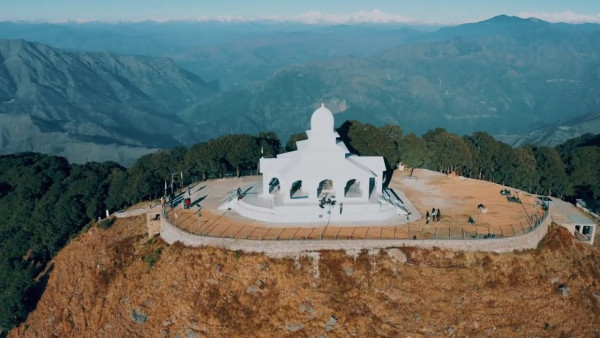
2. Bhadraj Temple: The Divine Day Trek
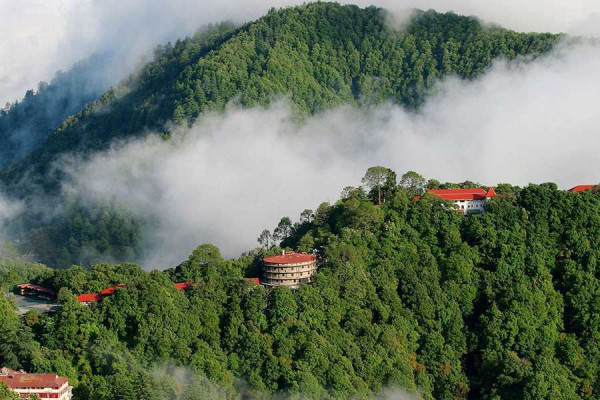
Located on the westernmost spur of the Mussoorie range, the Bhadraj Temple is dedicated to Lord Bal Bhadra (the brother of Lord Krishna), and is a highly recommended day trip for active travelers.
- The Trek: The trek starts from Cloud's End or a village near it and involves a picturesque hike of about 6-7 hours (round trip). The trail winds through dense forests, offering a unique perspective away from the main tourist crowds.
- The Reward: The temple itself is modest, but the location offers truly spectacular, panoramic views of the entire Doon Valley, the Chakrata ranges, and the Shivalik hills. Camping options are available near the temple premises for those wishing to spend the night.
3. The Pilgrimage Route: Mussoorie to Barkot
While Barkot is not a tourist spot near Mussoorie, it is a significant strategic junction for those undertaking a longer pilgrimage into the Himalayas.
- Significance: Barkot is the major halt town on the route to Yamunotri, the first shrine of the Char Dham Yatra.
- Logistics: The drive from Mussoorie to Barkot is approximately 100-110 kilometers and takes around 4-5 hours, depending on the mountainous road conditions. This journey marks the point where your cozy hill station trip transitions into a serious Himalayan exploration.
Places Near Mussoorie - Extended Exploration
Mussoorie’s strategic location makes it an excellent base for exploring other serene spots in the Garhwal region.
1. Landour: The Literary and Colonial Haven
- Location: Directly adjacent to Mussoorie, just uphill from Picture Palace.
- Why Visit: Landour is where time slows down. It retains a distinct, old-world charm that Mussoorie's main Mall Road has lost. It is famously home to author Ruskin Bond and is characterized by quiet, winding roads, historical churches (St. Paul’s), and moss-covered bungalows. The air here smells crisper due to the dense canopy of deodar and oak trees.
- Must-Do: The famous Landour loop walk passing through Char Dukan (a cluster of four iconic shops known for waffles and pancakes) and Lal Tibba, the highest viewpoint.
2. Dhanaulti: The Tranquil Eco-Park Retreat
- Location: 30 km east of Mussoorie, along the Chamba road.
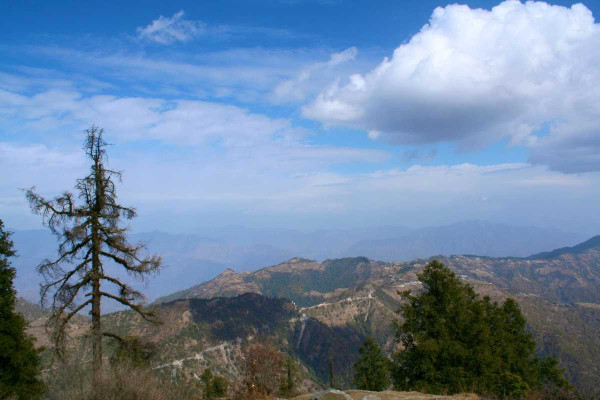
- Why Visit: Located at a higher altitude (around 2,286m), Dhanaulti is significantly quieter and less commercialized. It is known for the Eco Parks (Amber and Dhara), which are beautifully maintained forests of deodar and pine trees offering pristine air and a sense of deep calm.
- Must-Do: Enjoy a serene walk through the Eco Parks and visit the Potato Farm for a unique view of the surrounding valleys.
3. Surkanda Devi Temple: Spiritual Heights and Views
- Location: 35 km from Mussoorie, near Kaddukhal.
- Why Visit: This sacred temple is one of the 51 Shakti Peethas and sits atop a hill at nearly 10,000 feet. The short trek (about 2 km) or the newly opened ropeway to the top is spectacular. It offers one of the best spots to view the spectacular Winterline phenomenon during the winter months.
- Must-Do: Visit during the Ganga Dussehra festival for a vibrant cultural experience, or simply take the ropeway for an effortless ascent and unmatched mountain scenery.

4. Dehradun: The Gateway and City of Love
- Location: 35 km downhill from Mussoorie.
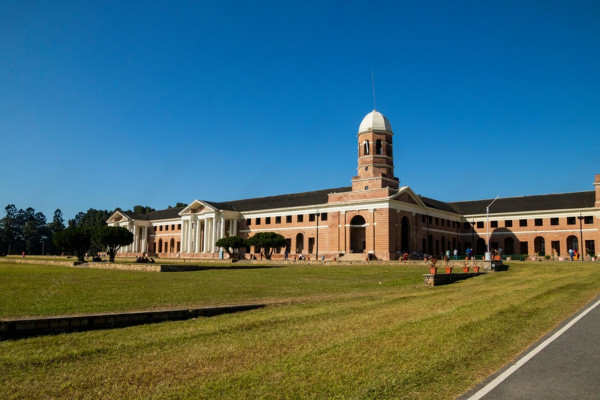
- Why Visit: Dehradun is the cultural and logistical hub for Mussoorie. It offers excellent dining, shopping, and historical sites. Known as the 'School Capital of India', it boasts prestigious institutions like Doon School and Forest Research Institute (FRI).
- Must-Do: Visit the iconic FRI building (known for its Greco-Roman architecture and film location popularity) and explore the bustling Paltan Bazaar for local goods.
7. Nag Tibba: The Weekend Trekker’s Peak
- Location: Approx. 100 km from Mussoorie (via Dehradun/Pantal).
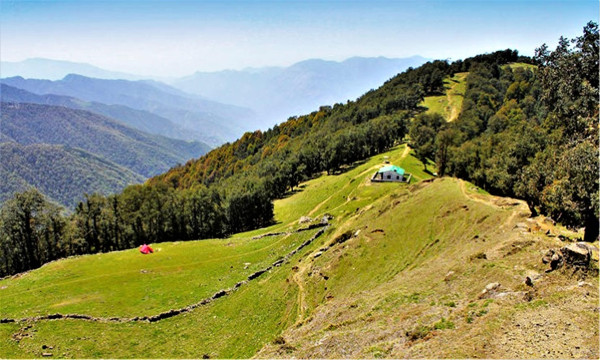
- Why Visit: Known as the 'Serpent's Peak,' Nag Tibba is the highest peak in the lower Garhwal region. It is extremely popular as a weekend trekking destination for its relatively easy access and the magnificent views of the Bandarpunch, Kedarnath, and Gangotri peaks from the summit.
- Must-Do: Book a guided 2-day, 1-night trek, camping under the stars in the scenic bugyals.
8. Chakrata: The Unexplored Cantonment
- Location: 90 km northwest of Mussoorie.
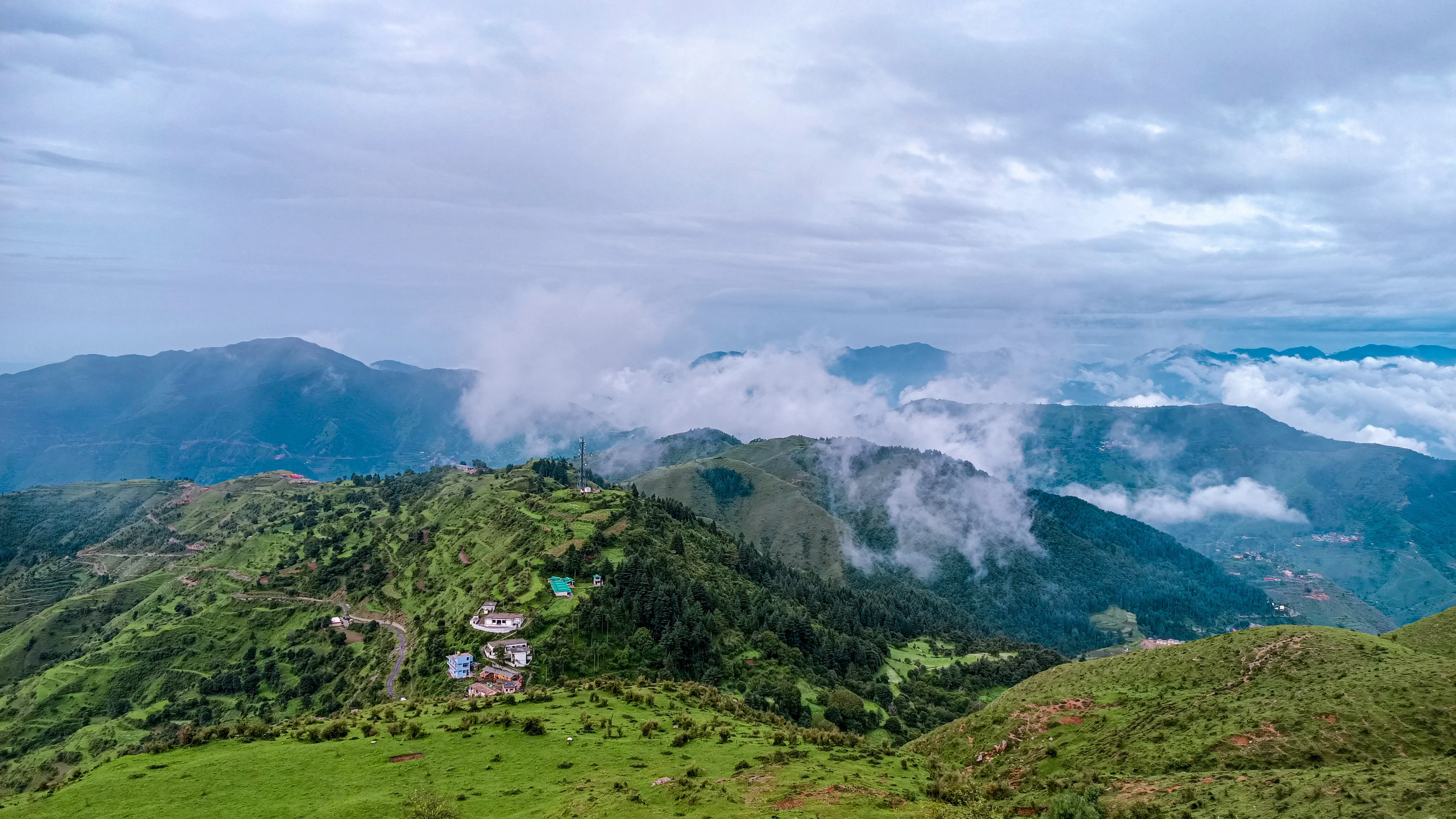
- Why Visit: For the traveler seeking solitude, Chakrata offers a dense, unspoiled landscape. It is an old British Indian Army cantonment town that is still restricted and significantly less commercialized than other hill stations.
- Must-Do: Visit Tiger Falls, one of the highest direct waterfalls in Uttarakhand, requiring a 1 km downhill trek, and explore the dense Deoban forest area.
9. Kalsi: The Historical Ashokan Edict Site
- Location: 50 km from Mussoorie, situated on the banks of the Yamuna River.
- Why Visit: Kalsi is a fascinating stop for history and archaeology enthusiasts. It is home to the famous Ashoka Rock Edict, a major historical monument where Emperor Ashoka's declarations, dating back to 253 BC, are inscribed on a rock surface.
- Must-Do: View the ancient inscription and spend time by the serene confluence of the Yamuna and Tons rivers.
10. Sahastradhara: The Thousand-Fold Spring
- Location: 45 km from Mussoorie, near Dehradun.
- Why Visit: Translating to 'Thousand-Fold Spring,' Sahastradhara is a popular picnic spot famous for its sulphur-rich water. The unique chemical composition of the springs is believed to have medicinal properties. The water drips over limestone caves, creating unique patterns and a cool, misty environment.
- Must-Do: Take a rejuvenating dip in the sulphur springs and ride the ropeway to the nearby hilltop for panoramic views of the valley.