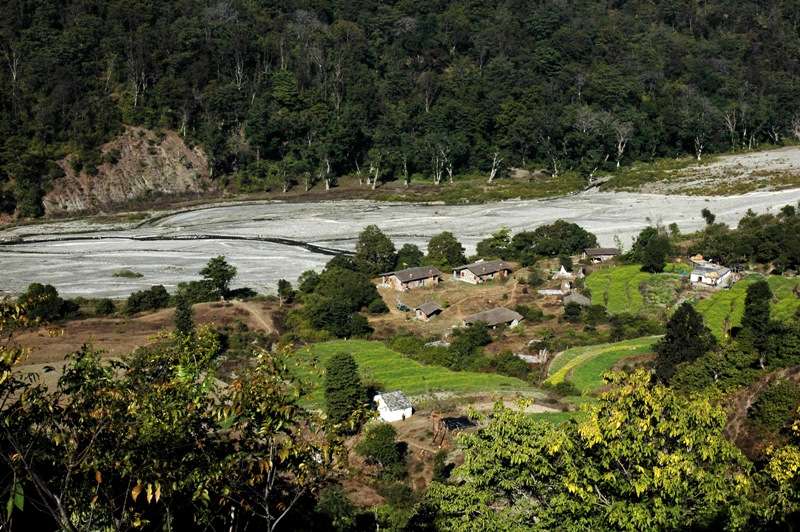
This is the mesmerizing reality of Rajaji National Park Dehradun Uttarakhand. A majestic ecosystem nestled in the Shiwalik Range, it acts as a critical bridge between the Himalayas and the vast Indo-Gangetic plains. Far more than just a quick jeep ride, Rajaji is a haven for wildlife enthusiasts and a living library of North Indian flora and fauna. If you are seeking a genuine wilderness experience without venturing deep into remote zones, Rajaji is your perfect jungle escape.
History and Geography Of Rajaji National Park Dehradun
Rajaji National Park is a story of conservation and strategic location. Understanding its context enhances the magic of your safari.
1. The Historical Amalgamation

The park was formally created in 1983 by combining three separate wildlife sanctuaries: Rajaji, Motichur, and Chilla. This amalgamation resulted in a vast protected area spanning over 820 square kilometres.
- The Name: The park is named in honour of the great freedom fighter and the last Governor-General of independent India, C. Rajagopalachari, fondly known as 'Rajaji'.
- Tiger Reserve Status: In 2015, Rajaji was officially declared a Tiger Reserve, highlighting its crucial role in the conservation of the Royal Bengal Tiger population in the region.
2. Strategic Geography: A Unique Ecosystem
Rajaji’s location at the base of the Shiwalik Hills, where the mountains meet the plains, is what gives it such immense biodiversity.

- Forest Types: The terrain features a beautiful mix of dense forest types, including:
- Moist Deciduous Forests: Dominated by the majestic Sal (Shorea robusta) tree, which forms a dense canopy.
- Riverine Forests: Found along the Ganges and Song Rivers, featuring trees like Jamun and Arjun.
- Grasslands (Savannah): Open, grassy patches perfect for grazing animals like elephants and deer.
- The Ganga Connection: The mighty Ganges River flows through the park, separating the Motichur-Rajaji range from the Chilla range, and creating a critical corridor for wildlife movement, particularly elephants.

Fauna: The Stars of Rajaji
Rajaji National Park is renowned for its large herbivore population and is considered the north-western limit for the Asian Elephant in India.
3. The Giants: Asian Elephants

Rajaji is most famous for its healthy and large population of Asian Elephants. They are the flagship species of the park.
- Interaction: During a safari, you have a high chance of encountering small herds of elephants, often near water bodies or grazing peacefully in the grasslands. Their gentle yet powerful presence is truly humbling.
4. Predators and Carnivores
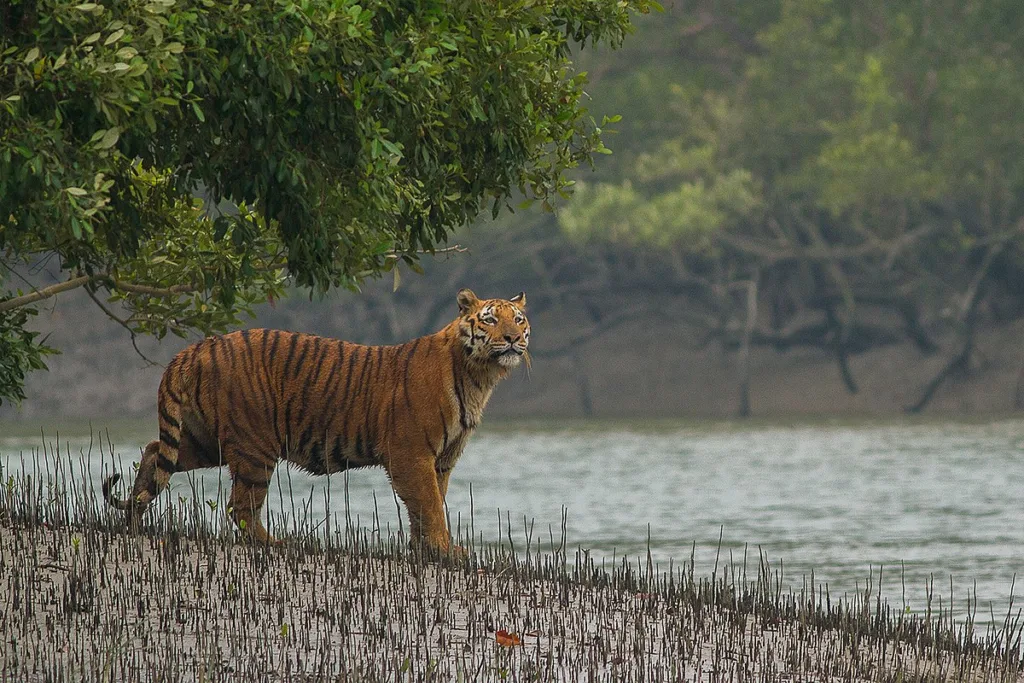
While the park is a Tiger Reserve, spotting the Royal Bengal Tiger is challenging and requires immense luck, as they are secretive. However, other powerful predators are more commonly sighted:
- Leopards: These are relatively easier to spot than tigers, often seen resting on tree branches or crossing the safari track, especially in the Chilla range.
- Other Carnivores: The park is also home to the Himalayan Black Bear, Sloth Bear, Jackals, Wild Boars, Hyenas, and various types of civets.

5. Herbivores and Deer Species
Rajaji boasts a vibrant population of grazing animals that form the base of the food chain:
- Deer: Look out for the elegant Sambar Deer (India's largest deer), the spotted Chital (Spotted Deer), the shy Barking Deer (Muntjac), and the four-horned antelope (Chousingha).
- Other Mammals: Rhesus Macaques, Langurs, and the elusive Goral (a small mountain goat) are also part of the ecosystem.

6. Avifauna and Reptiles
Rajaji is a bird watcher's paradise, especially during the winter. It records over 315 species of birds.
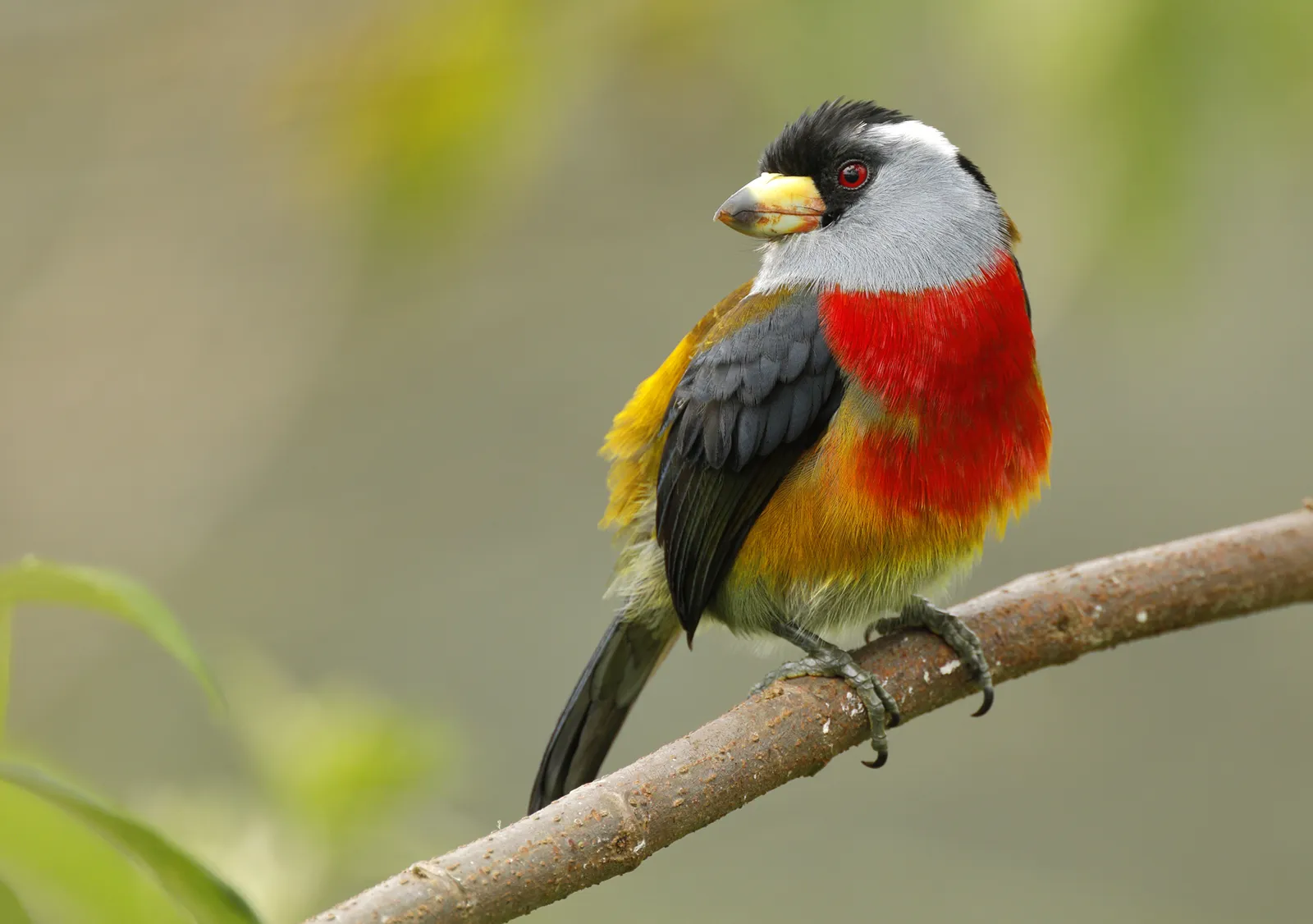
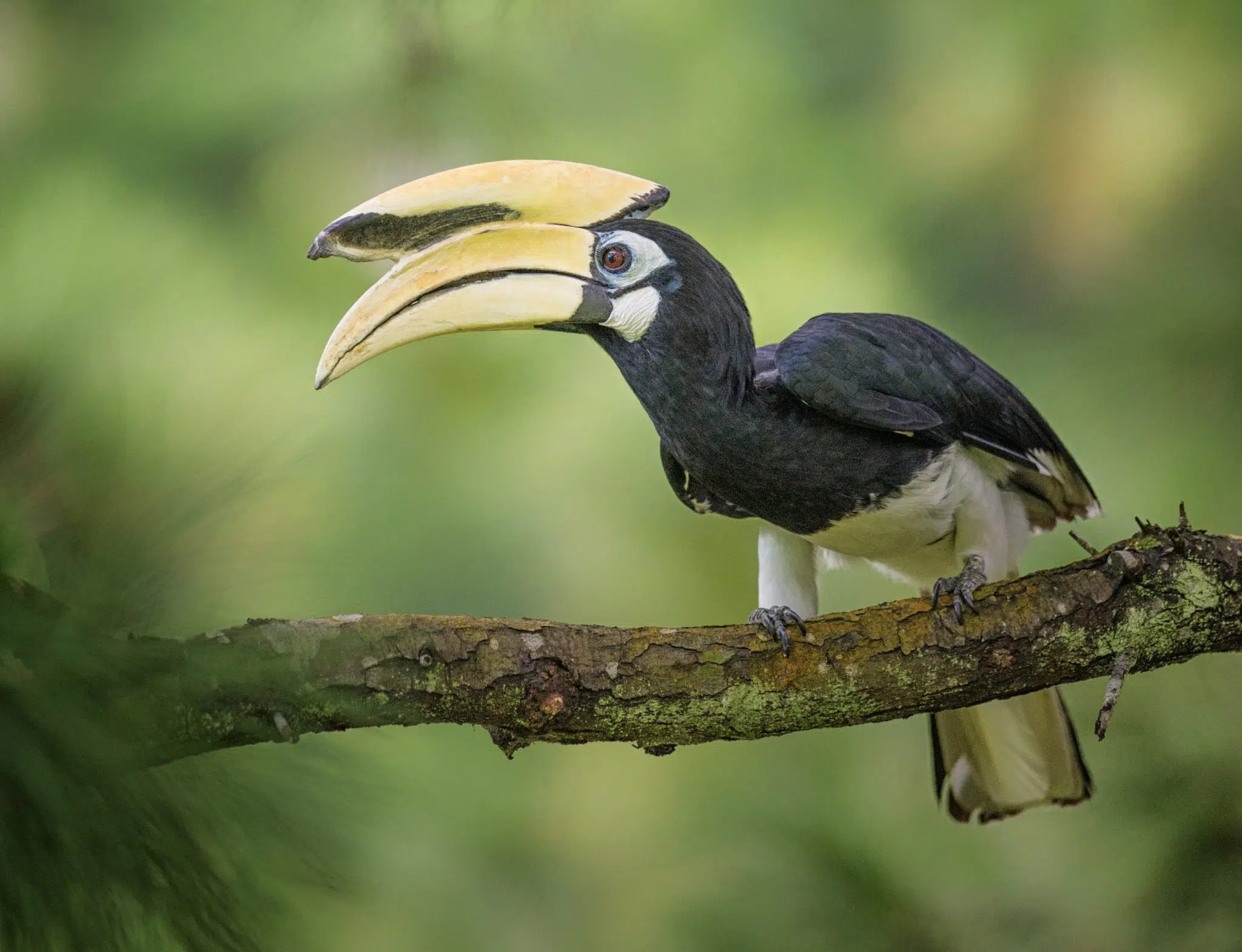
- Birds of Pride: Keep an eye out for the majestic Great Pied , various Kingfishers, Barbets, and colorful migratory birds that flock here in the winter months (November to March).
- Reptile Sightings: The park’s water bodies are home to various reptiles. You might spot a King Cobra, Indian Python, or a Monitor Lizard.
Flora: The Green Canvas
The vegetation is the foundation of Rajaji’s ecosystem, contributing to the rich biodiversity.
7. Dominant Tree Species
The forests are characterized by large, deciduous trees:
- Sal: The most important tree, shedding its leaves in late winter/early spring, which gives the forest floor a beautiful carpet of leaves before the new green growth begins.
- Khair, Sheesham (Indian Rosewood), and Bamboo: These species are common, providing food and shelter to the wildlife.
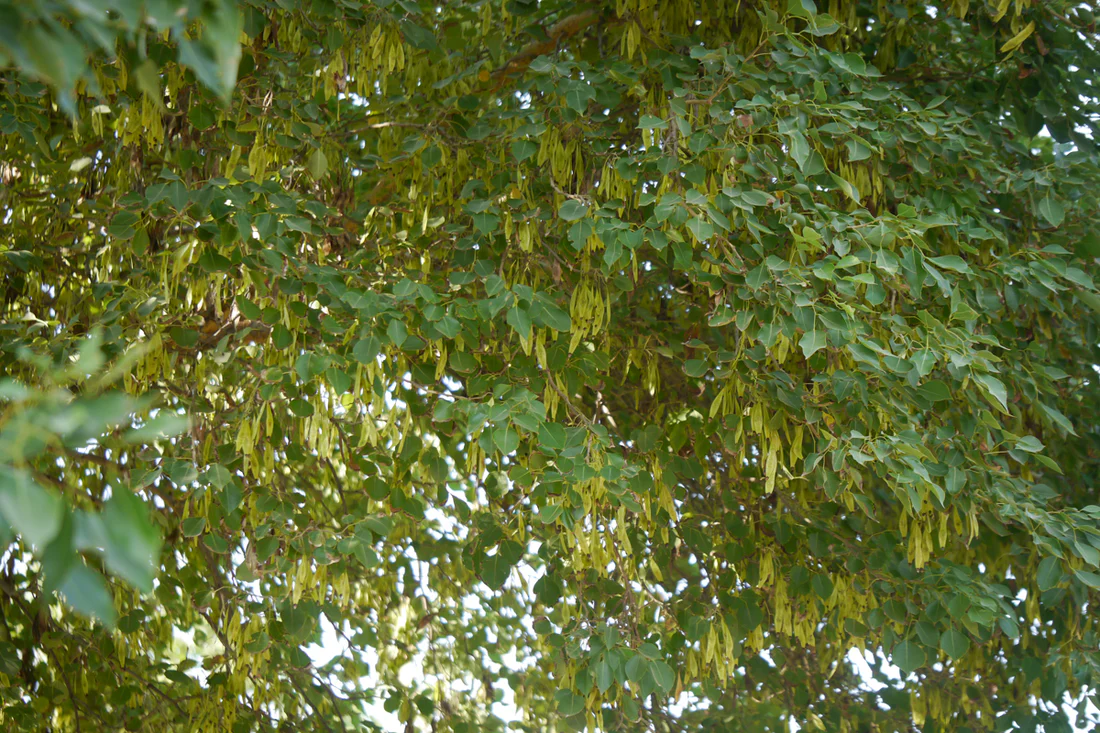
- Medicinal Plants: The park also harbours a rich variety of medicinal herbs and shrubs, which are vital to the local ecosystem.
Planning Your Safari: Interaction and Logistics
Your main interaction with the park's wilderness is through the organized jeep safaris.
8. Safari Gates and Access
While the park is large, safaris are mainly conducted in accessible zones.
- Chilla Gate (Near Haridwar/Rishikesh): This is the most popular and accessible gate for a good chance of spotting elephants.
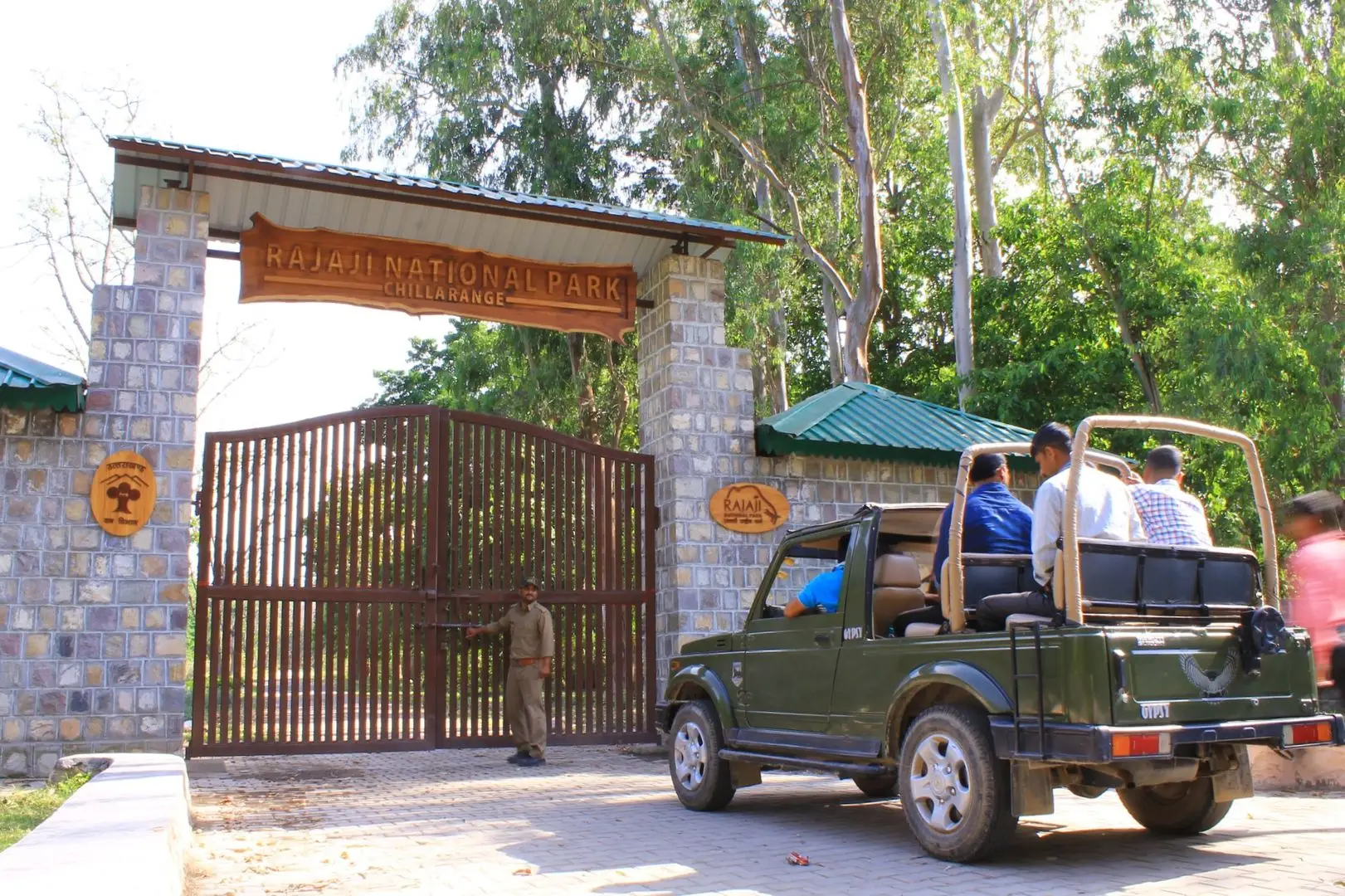
- Motichur Gate & Rajaji Gate (Near Dehradun/Rishikesh): These gates also offer rich experiences and are often closer for those staying in Dehradun.

- Timing is Key: Safaris run twice daily: once in the early morning (around 6:00 AM to 7:00 AM) and once in the late afternoon (around 1:30 PM to 2:30 PM), lasting approximately 3 hours. The cool hours of the day offer the best chance of sighting wildlife as animals come out to feed or drink.
9. Best Time to Visit
The park is closed during the monsoon season (usually July, August, and September) due to heavy rain and the risk of floods on the raus (seasonal river beds).
- Ideal Period: November to mid-June is the official season.
- The Sweet Spot: November to March offers the most pleasant weather for tourists, with cool, clear days ideal for photography and long drives. April to June can be hot, but the increased heat forces animals out to water sources, potentially increasing sighting frequency for serious enthusiasts.
10. Practical Tips for Visitors
- Booking: It is highly recommended to book your safari permits and jeep slots in advance, especially during the peak winter holidays.
- Essentials: Carry a hat, sunglasses, binoculars (a must for bird watching!), and a good camera. Wear clothes that blend with the surroundings (greens, browns, earth tones) and maintain absolute silence during the safari.
Rajaji National Park Dehradun Uttarakhand is a magnificent ecological treasure, offering a vital green lung at the intersection of civilization and wilderness. It’s an easy-to-reach, yet deeply rewarding, destination for anyone wishing to connect with the raw, untamed beauty of North India.
