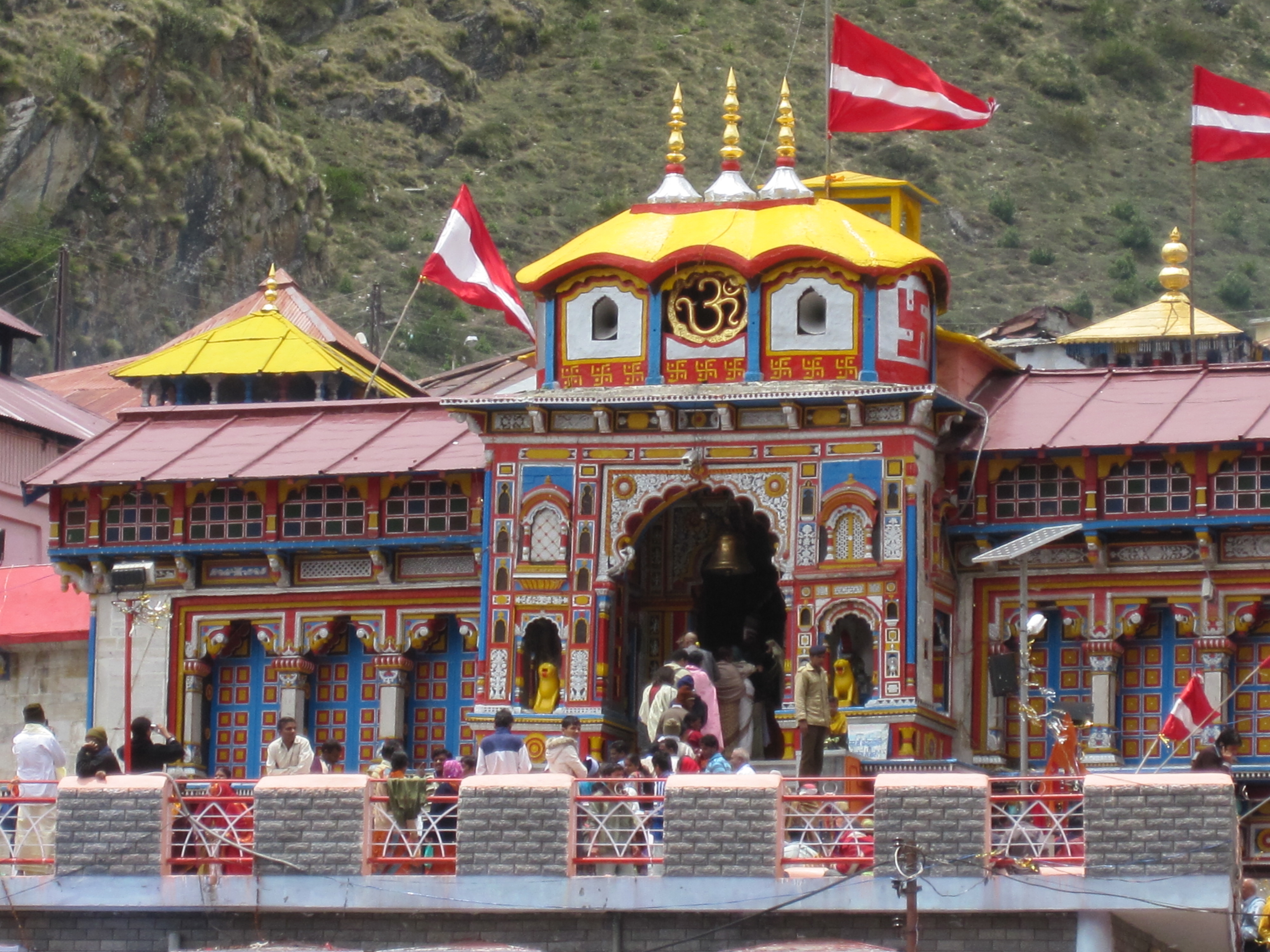
Embarking on a Char Dham Yatra adventure is an extraordinary experience that will leave you with lasting memories. This ultimate guide will help you plan your journey to four sacred Hindu pilgrimage sites nestled in the majestic Himalayas: Yamunotri, Gangotri, Kedarnath, and Badrinath.
As you venture through the rugged terrain, you'll encounter breathtaking landscapes, pristine rivers, and ancient temples that hold deep cultural and religious significance. Whether you are a devout pilgrim or simply seeking a spiritual retreat, this pilgrimage offers a unique opportunity for introspection and self-discovery.
Our comprehensive guide will provide you with all the information you need to make your Char Dham Yatra safe, comfortable, and unforgettable. From tips on when to go and what to pack, to insights on local customs and rituals, we have you covered.
Join us as we delve into the history and significance of each sacred site, explore the surrounding natural wonders, and share stories of pilgrims who have undertaken this transformative journey. Get ready to embark on an adventure of a lifetime and create memories that will stay with you forever.
Importance and Significance of Char Dham Yatra
The Char Dham Yatra holds immense spiritual significance for millions of Hindus around the world. It is not merely a pilgrimage; it is a journey of the soul, connecting the devotee with the divine. The four sacred sites—Yamunotri, Gangotri, Kedarnath, and Badrinath—are considered the abodes of revered deities, each representing a unique aspect of spirituality and devotion. Pilgrims believe that visiting these holy sites can absolve them of sins and lead them closer to Moksha, or liberation from the cycle of birth and death. This profound belief has made the Char Dham a revered undertaking among devotees.
Historically, the Char Dham Yatra has been a tradition for centuries, attracting pilgrims from far and wide. The journey is often seen as a way to fulfill one's spiritual obligations and seeks blessings from the deities. Each location has its own rich mythology and history, with tales of ancient sages and divine interventions that have shaped the cultural landscape of Hinduism. This pilgrimage provides an opportunity for individuals to reflect on their lives, seek forgiveness, and rejuvenate their spirits amidst the serene Himalayan backdrop.
Moreover, the Char Dham Yatra is not only a religious excursion but also a journey through nature's wonders. The breathtaking landscapes, lush valleys, and majestic mountains create an awe-inspiring environment that enhances the overall experience. Pilgrims often find themselves in deep contemplation while surrounded by nature's beauty, allowing for personal growth and introspection. The combination of spiritual significance and natural allure makes the Char Dham Yatra an unforgettable adventure that resonates deeply with those who undertake it.
Planning Your Char Dham Yatra
Planning your Char Dham Yatra requires thoughtful consideration to ensure a smooth and fulfilling experience. First and foremost, determine the duration of your journey. A typical Char Dham Yatra can take anywhere from 10 to 15 days, depending on your pace and the time spent at each location. It is essential to create a flexible itinerary that allows for rest and exploration, as the high altitudes and rugged paths can be physically demanding. Having a clear plan will also help you manage logistics, accommodation, and transportation effectively.
Next, consider your mode of transportation. While some pilgrims prefer traveling by private vehicle, others opt for shared taxis or buses that operate between major towns and the pilgrimage sites. Researching and booking transportation in advance can save you time and hassle, especially during peak pilgrimage seasons. Additionally, familiarize yourself with the local transportation options available at each site, as some areas may require trekking to reach the temples. Ensuring reliable transportation is crucial for a seamless journey through the enchanting Himalayan terrain.
Lastly, it is vital to prepare for the physical demands of the Yatra. Regular exercise leading up to your trip will enhance your stamina and help you acclimatize to the high altitudes. Many pilgrims find that trekking and hiking in their local areas can significantly improve their endurance. Moreover, consult your doctor for any necessary vaccinations or health precautions, particularly if you have pre-existing medical conditions. Being physically prepared will allow you to fully enjoy the spiritual experiences awaiting you at each sacred site.
Best Time to Visit Char Dham
Selecting the right time for your Char Dham Yatra is crucial for a rewarding experience. The pilgrimage season generally runs from late April to early November when the weather is relatively mild and accessible. The temples open for devotees after the heavy winter snows melt, making spring and early summer the ideal times for visiting. During this period, the weather is pleasant, with clear skies and blooming landscapes, allowing pilgrims to appreciate the natural beauty surrounding the holy sites.
Monsoon season, which typically spans from July to September, poses challenges for travelers. Heavy rainfall can lead to landslides and road blockages, making travel hazardous. Many pilgrims choose to avoid the Yatra during this time due to the unpredictable weather conditions. However, if you are keen on experiencing a quieter pilgrimage, visiting during the monsoon may provide a more tranquil environment, albeit with increased risks.
The post-monsoon months of October and early November also attract pilgrims, as the weather stabilizes and the landscapes are refreshed. The clear skies and crisp air create a stunning backdrop for your spiritual journey. Additionally, this time of year often coincides with various festivals, such as Diwali, providing a unique cultural experience. Regardless of when you choose to embark on your Yatra, understanding the seasonal variations will help you make informed decisions about your travel plans.
Route and Itinerary for Char Dham Yatra
A well-planned route and itinerary are essential for maximizing your Char Dham Yatra experience. The traditional route begins at Yamunotri, followed by Gangotri, Kedarnath, and finally Badrinath. This sequence allows pilgrims to gradually acclimatize to the increasing altitudes while experiencing the unique charm of each site. The journey typically starts from the town of Haridwar or Rishikesh, which are well-connected by rail and road.
From Haridwar, you will travel to Yamunotri, renowned for its pristine river and sacred thermal springs. The trek to Yamunotri from the base camp of Janki Chatti is about 6 kilometers and offers mesmerizing views of the surrounding mountains. After paying homage at the Yamunotri Temple, you will proceed to Gangotri, which is approximately 100 kilometers away. The beautiful trek to Gangotri is marked by stunning landscapes, culminating in the sight of the holy Ganges River emerging from the Gangotri Glacier.
Next, you will travel to Kedarnath, situated at an altitude of 3,583 meters. This journey can be challenging, as it involves a steep trek of around 20 kilometers from Gaurikund. Pilgrims often find the journey to Kedarnath particularly rewarding, as the temple is considered one of the holiest shrines dedicated to Lord Shiva. Finally, the Yatra concludes at Badrinath, where devotees seek blessings at the Badrinath Temple. This itinerary allows ample time for reflection, spiritual practices, and enjoying the serene environment of the Himalayas.
Accommodation Options During Char Dham Yatra
Finding suitable accommodation is a key aspect of planning your Char Dham Yatra. The pilgrimage sites offer various lodging options, ranging from budget guesthouses to more comfortable hotels. In major towns like Rishikesh and Haridwar, a wide range of accommodations caters to different preferences and budgets, including luxury hotels, dharamshalas (charitable lodging), and homestays. Booking in advance, especially during peak pilgrimage seasons, ensures you have a place to rest after long days of travel.
At the pilgrimage sites themselves, accommodations can be more limited but still vary significantly in quality. In Yamunotri and Gangotri, you will find basic lodges and dharamshalas that provide essential amenities, while Kedarnath offers a range of options from simple lodgings to slightly more comfortable accommodations. Badrinath has a more extensive selection, including hotels and guesthouses. However, advanced booking is advisable, as these spaces fill up quickly during the pilgrimage season.
While planning your stay, consider the proximity of your accommodation to the temples and trekking paths. Being close to the main sites can save you valuable time and energy, allowing for a more relaxed experience. Additionally, some accommodations may offer meals, which can be convenient for pilgrims. Regardless of where you choose to stay, ensure you prioritize comfort and accessibility to enhance your Char Dham Yatra adventure.
Essential Items to Pack for Char Dham Yatra
Packing wisely for your Char Dham Yatra is crucial for a comfortable and enjoyable experience. The first essential item is appropriate clothing. Given the varying altitudes and temperatures, layering is key. Bring thermal wear, lightweight and breathable fabrics, and waterproof jackets to prepare for sudden weather changes. Sturdy trekking shoes are a must, as you will be navigating rugged terrains. Don’t forget to include a warm hat, gloves, and a scarf, especially for the evenings when temperatures can drop significantly.
In addition to clothing, carry essential personal items such as a first-aid kit, any necessary medications, and toiletries. It’s wise to have a basic first-aid kit handy for minor injuries or ailments during your trek. Also, consider packing energy-boosting snacks, like nuts and dried fruits, to keep your energy levels up while on the move. Staying hydrated is vital, so a reusable water bottle is a practical addition to your packing list.
Lastly, ensure you have the necessary travel documents, including identification and any permits required for the pilgrimage. A camera or smartphone to capture the stunning landscapes and moments of devotion is also a great idea. Remember to pack a power bank as well, since charging facilities may be limited in remote areas. By preparing a thoughtful packing list, you will be ready to embrace the spiritual and physical challenges that lie ahead in your Char Dham Yatra.
Safety Tips for a Successful Char Dham Yatra
Safety should be your top priority while undertaking the Char Dham Yatra, given the challenging terrains and high altitudes involved. First, ensure that you are in good health before embarking on the journey. Consulting a healthcare professional for a check-up and discussing any pre-existing conditions is essential. Additionally, acclimatization is crucial; give your body time to adjust to the high altitudes by taking breaks during your treks and staying hydrated.
Being aware of the weather conditions is equally important. The Himalayan weather can be unpredictable, with sudden changes occurring throughout the day. Always check weather forecasts and be prepared for rain or snow, especially during the monsoon season. Dress in layers and carry waterproof gear to protect yourself from the elements. If you encounter adverse weather, it may be wise to postpone your plans and seek shelter until conditions improve.
Moreover, travel in groups whenever possible. The camaraderie of fellow pilgrims can enhance your experience and provide safety in numbers. Inform someone about your itinerary and expected return times, especially if you're trekking alone. Carrying a fully charged mobile phone with emergency contacts is a good practice. Additionally, familiarize yourself with local emergency services and the nearest hospitals in case of medical needs. By taking these precautions, you can ensure a safe and memorable Char Dham Yatra.
Cultural and Religious Aspects of Char Dham Yatra
The Char Dham Yatra is steeped in rich cultural and religious traditions that enhance its significance for pilgrims. Each of the four sites is imbued with deep-rooted mythology, often linked to ancient scriptures and legends. For instance, Yamunotri is associated with the river goddess Yamuna and is believed to be the place where she took her form. Similarly, Gangotri is the source of the Ganges River, revered as the most sacred river in Hinduism. Understanding these narratives adds depth to your pilgrimage experience, allowing you to connect more intimately with the sacredness of the sites.
Participating in local rituals and customs is another way to immerse yourself in the spiritual ambiance of the Yatra. Pilgrims often engage in activities such as bathing in sacred rivers, offering prayers, and observing traditional ceremonies at the temples. These practices not only fulfill religious obligations but also foster a sense of community among devotees. Many pilgrims find solace in the shared experience, as they collectively seek blessings and guidance from the divine.
Moreover, the Char Dham Yatra serves as a reminder of the importance of respect for nature and the environment. The stunning landscapes surrounding the pilgrimage sites are sacred to many, and maintaining their beauty is a shared responsibility. Pilgrims are encouraged to practice eco-friendly habits, such as avoiding littering and using biodegradable products. By understanding the cultural context and embracing the spiritual ethos of the Char Dham, you contribute to a more enriching and responsible pilgrimage experience.
Conclusion and Final Tips for a Memorable Char Dham Yatra Experience
As you prepare for your Char Dham Yatra adventure, keep in mind that the journey is as significant as the destination. Embrace the challenges and the beauty of the Himalayan landscapes, and allow yourself to be transformed by the spiritual essence of the pilgrimage. Each step taken on this sacred path is an opportunity for reflection, growth, and connection with the divine. Take your time to appreciate the sights, sounds, and experiences along the way, and be open to the lessons that the journey will bring.
In conclusion, remember to stay flexible with your plans. While having an itinerary is essential, being open to spontaneous experiences can lead to unexpected joys. Engage with fellow pilgrims, local residents, and the vibrant culture that surrounds the Char Dham. Share stories, learn from each other, and savor the moments that make this pilgrimage unique.
Finally, carry the spirit of the Char Dham Yatra with you long after the journey ends. Reflect on the lessons learned, the connections made, and the beauty experienced during this transformative adventure. Whether you seek spiritual growth, personal reflection, or simply the beauty of nature, the Char Dham Yatra will undoubtedly leave an indelible mark on your heart and soul, enriching your life in ways you may not have anticipated. Embrace the journey, and cherish the memories that will last a lifetime.
