Choosing between Kerala tour Package and Rajasthan tour package is perhaps the most significant decision a traveller faces when planning a trip to India. It is a choice between two magnificent, yet fundamentally opposite, travel experiences. This decision is not about which is objectively "better," but rather which tapestry of India will resonate more deeply with your personal travel style and expectations.
Rajasthan, the "Land of Kings," is a dramatic explosion of vibrant color, heroic history, and arid desert grandeur. It is the quintessential, visually intense India of enormous fortresses, royal palaces, and vibrant turbans a scene set for grand photography and architectural awe.
Kerala, "God's Own Country," is a soft, verdant, water-laced paradise. It is the soul-soothing antidote to the intensity of the North, offering tranquil backwaters, lush spice hills, and the restorative power of Ayurveda. It is the gentle, green side of India, focused on relaxation and nature.
This comprehensive guide delves deep into the core essence of both states, comparing their top attractions, unique activities, and crucial logistics to help you determine which of these Indian masterpieces truly speaks to your soul.
The Core Philosophy: History vs. Harmony
The greatest difference between the two states lies in their dominant cultural and historical themes.
Rajasthan:

Rajasthan offers a profound journey into India’s feudal and martial past. The culture is a colourful product of centuries of fierce battles, opulent court life, and the harsh survival dictated by the Thar Desert.
- Atmosphere: Visually intense, grand, dramatic, and often loud. You are constantly surrounded by monumental architecture.
- Vibe: A pursuit of the Royal Fantasy. Expect vast distances between cities, incredible heritage accommodations (converted palaces), and highly stratified social traditions.
- Cultural Focus: History, architecture, heroism, traditional folk music (like the Kalbelia dance), and the intense colours of the desert people.
Kerala:
Kerala’s history is defined by trade, water, and tropical abundance. Its culture is a cosmopolitan blend of indigenous traditions mixed with influences from the Portuguese, Dutch, Jewish, and Arab traders who came for its spices.
- Atmosphere: Gentle, serene, relaxed, subtle, and incredibly lush. The pace of life is markedly slower and calmer.
- Vibe: A pursuit of Wellness and Nature. Expect shorter travel distances, a high literacy rate, excellent English communication, and a strong focus on holistic health. Kerala is often recommended as a gentler introduction for first-time visitors to India.
- Cultural Focus: Waterways, Ayurveda (traditional medicine), spices, performing arts (like Kathakali), and a unique syncretic religious history.
Top Destinations: A Head-to-Head Comparison
We explore the most famous destinations to highlight the practical differences in your travel itinerary.
Jaipur (The Pink City) vs. Kochi (The Queen of the Arabian Sea)
Jaipur:
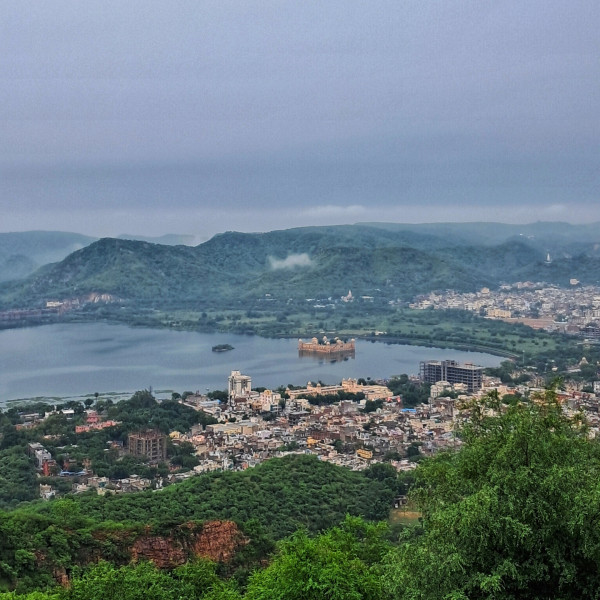
Jaipur is the capital of Rajasthan, part of the famous Golden Triangle. Its main attractions focus on spectacular architectural landmarks:
- Amber Fort: A colossal sandstone and marble fortress outside the city, accessed via jeep or elephant. It exemplifies Rajput military and artistic genius, particularly the glittering Sheesh Mahal (Hall of Mirrors).
- Hawa Mahal (Palace of Winds): An iconic, five-story façade with 953 intricate jharokhas (windows), built so royal ladies could observe street festivals without being seen.
- Vibe: Loud, bustling, excellent for shopping (gems, textiles), and the starting point for most Rajasthan itineraries.
Kochi (Cochin):
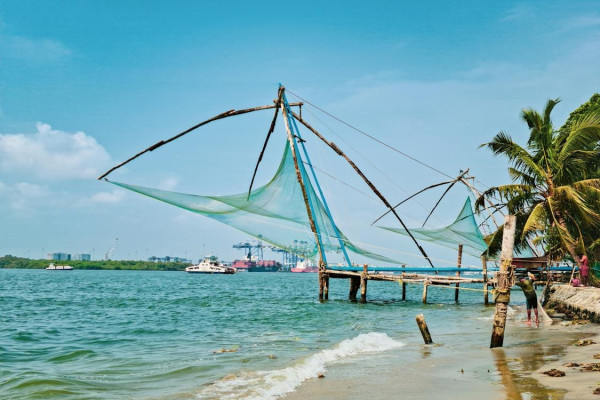
Kochi is a layered, coastal city that feels like a European settlement blended into the tropics. Its attractions tell a history of global trade:
- Fort Kochi & Chinese Fishing Nets: The unique, ancient cantilevered fishing nets define the waterfront. The area is filled with narrow streets, colonial villas, and artistic cafes.
- Mattancherry: Home to the 16th-century Paradesi Synagogue and the adjacent Mattancherry Palace (Dutch Palace), showcasing centuries of trade and cultural exchange.
- Vibe: Laid-back, cosmopolitan, artistic (home to the Kochi-Muziris Biennale), and ideal for slow-paced heritage walks.
Udaipur (The Lakes) vs. Alleppey (The Backwaters)
Udaipur:
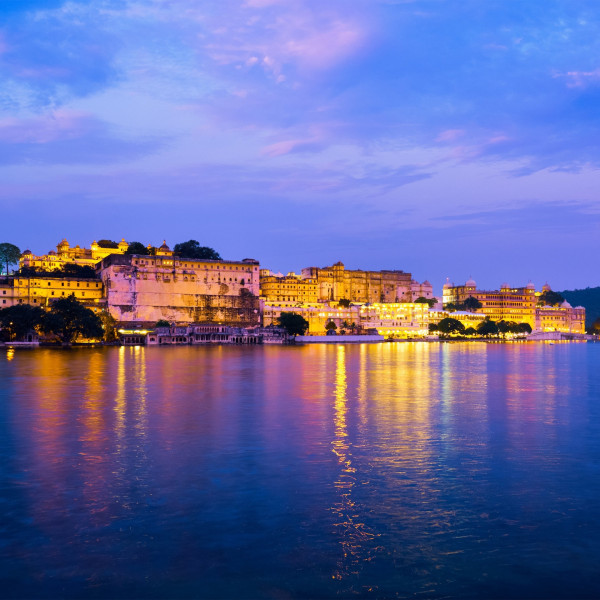
Known as the "Venice of the East," Udaipur is Rajasthan’s most romantic city, defined by its man-made lakes and surrounding Aravalli hills.
- City Palace: The enormous palace complex built over three centuries, towering over Lake Pichola. It offers spectacular views, especially from its numerous balconies and courtyards.
- Lake Pichola: The centrepiece, where the exquisite white marble Jag Niwas (Taj Lake Palace) appears to float. Evening boat cruises here are the ultimate romantic Rajasthani experience.
- Vibe: Opulent, cinematic, and majestic. Accommodation often focuses on luxury heritage stays with stunning water views.
Alleppey (Alappuzha):
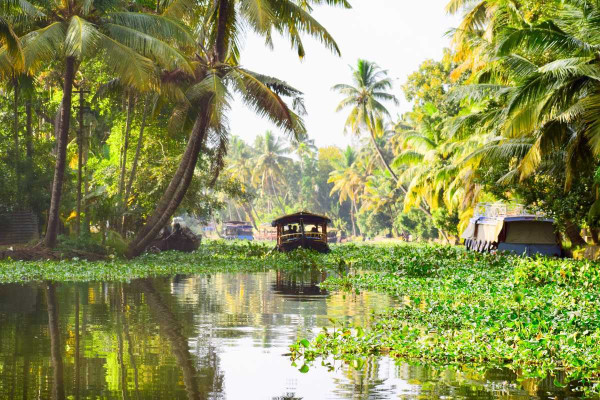
Alleppey is the heart of Kerala’s unique water world a vast, serene network of brackish lagoons, lakes, and narrow canals parallel to the Arabian Sea.
- The Houseboat Cruise: The signature experience involves staying and cruising for a night or day on a Kettuvallam (traditional houseboat). This offers a deeply relaxing perspective on the rural life of Kerala, passing paddy fields and tiny villages.
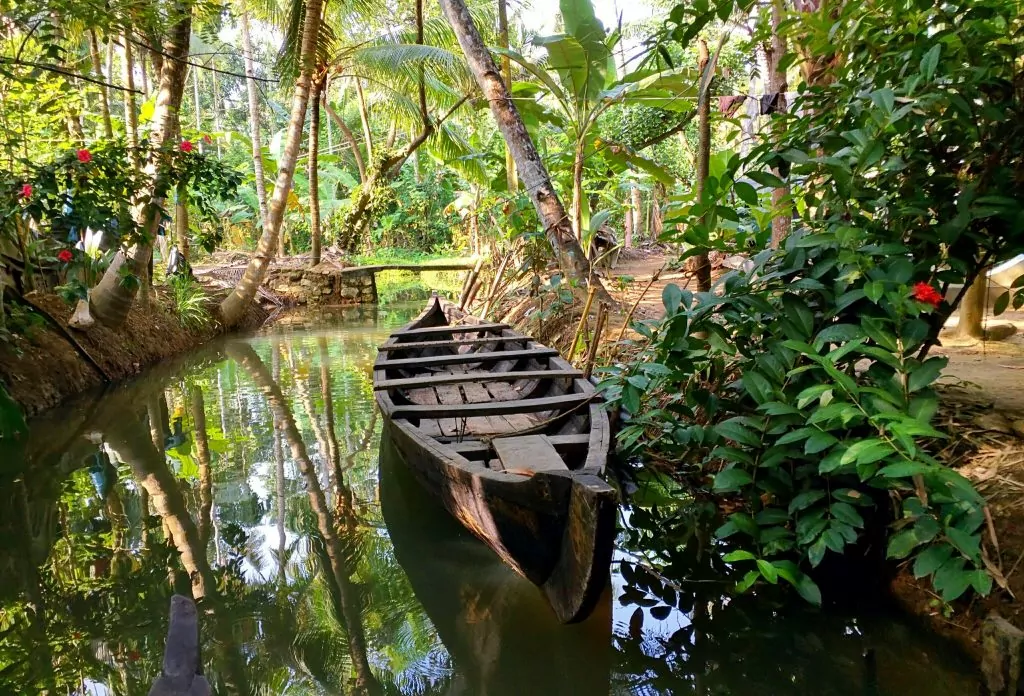
- Canoe Trips: For a more intimate, genuine experience, take a small canoe into the narrow, palm-fringed canals inaccessible to the houseboats, witnessing the daily routines of the villagers.
- Vibe: Tranquil, deeply green, rustic, and restorative. The pace is slow, encouraging reflection and relaxation.
Jaisalmer (The Desert) vs. Munnar (The Tea Hills)
Jaisalmer:
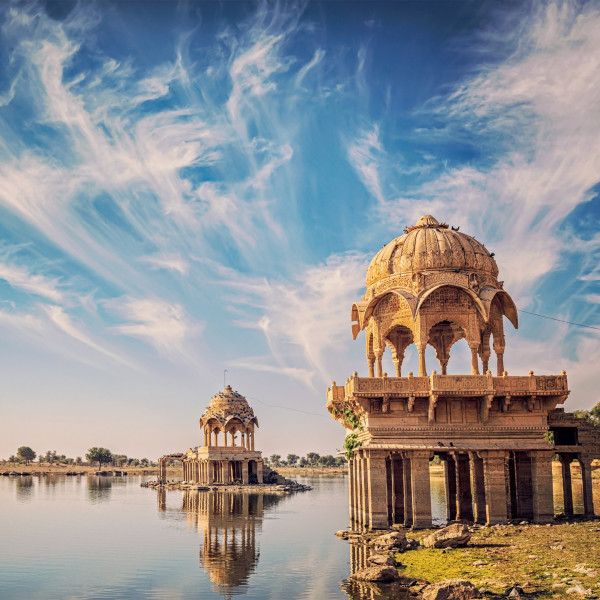
Jaisalmer, the "Golden City," rises dramatically from the Thar Desert, offering the most exotic landscape in Rajasthan.
- Jaisalmer Fort (Sonar Quila): Unlike other forts, this is a living fort, where a quarter of the city's population still resides within its walls, creating a labyrinthine world of temples, shops, and homes.
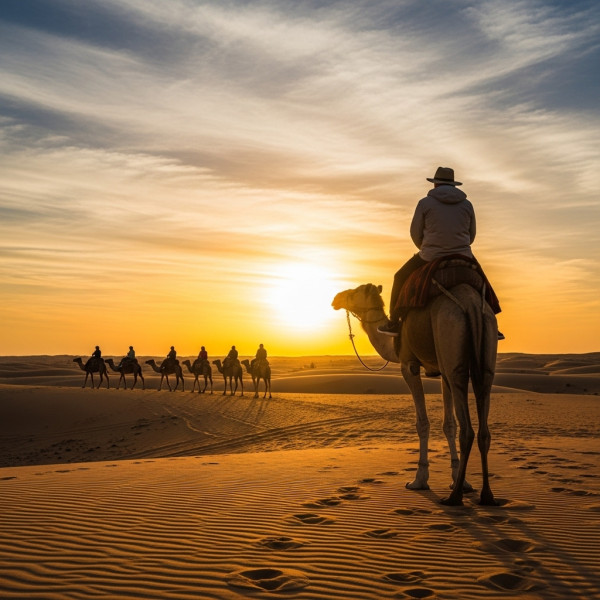
- Sam Sand Dunes: The quintessential desert experience involves taking a camel or jeep safari out to the vast, undulating dunes outside the city to watch a spectacular sunset, often followed by a night of desert camping under an incredibly clear, star-studded sky.
- Vibe: Arid, adventurous, historical, and defined by the stark beauty of the sand and the vibrant culture of the desert communities.
Munnar:
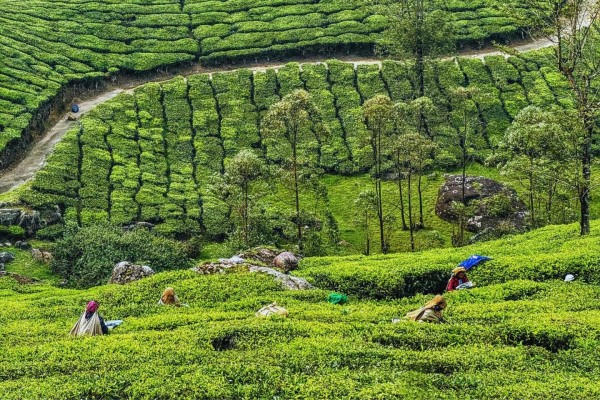
Munnar is Kerala's most famous hill station, a stark contrast to the desert, located high up in the Western Ghats mountain range.
- Tea Gardens: Endless, rolling hills covered in meticulously manicured tea plantations, creating a lush, green carpet that defines the landscape. Walks and visits to tea museums are popular.
- Eravikulam National Park: Home to the endangered Nilgiri Tahr (a mountain goat), offering trekking and spectacular views of the misty valleys.
- Vibe: Misty, cool, fragrant (due to the spices and tea), and focused on nature, trekking, and romantic scenery.
Unique Activities and Signature Experiences
The activities in each state are so distinct that they should be the primary factor in your decision.
Rajasthan's Unique Cultural Immersion
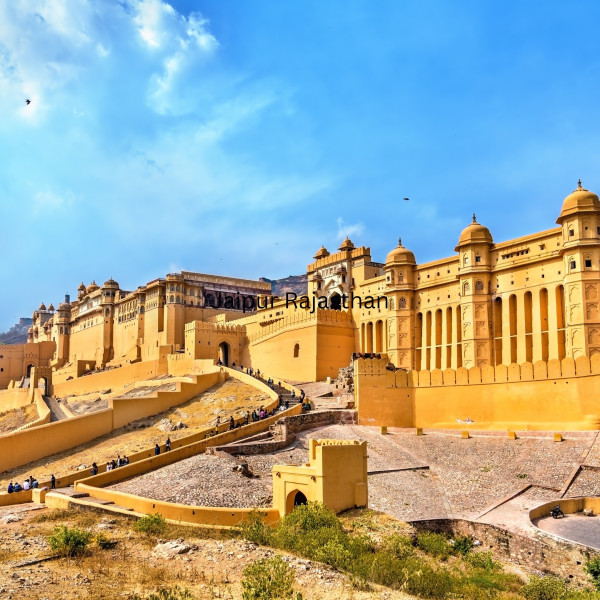
- Sleeping in a Palace: Rajasthan specializes in Heritage Hotels, where former palaces, fort-hotels, and grand havelis (mansions) have been converted into luxury accommodations, allowing you to literally live the royal history.
- Exploring the Blue City (Jodhpur): Wander the maze of old city streets painted a distinctive blue, offering incredible contrast to the mighty Mehrangarh Fort towering above.
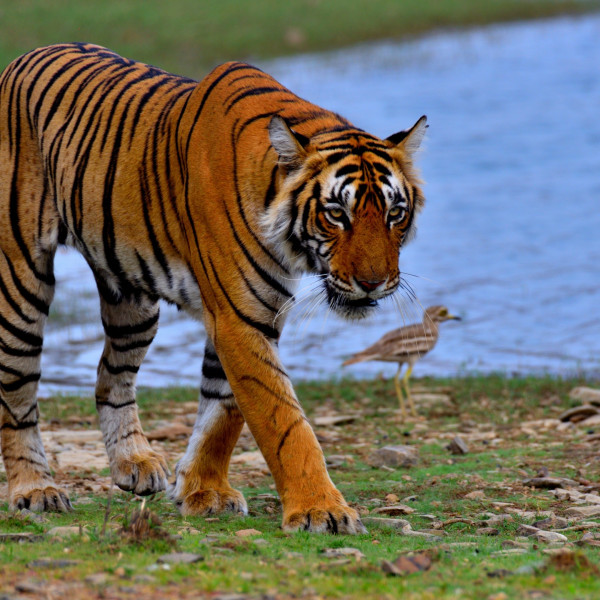
- Tiger Safari in Ranthambore: One of the best places in India for high-stakes wildlife spotting, offering a chance to see the Royal Bengal Tiger against the backdrop of an ancient fort ruin.
- Bargaining in Vibrant Bazaars: Engage in the exhilarating chaos of markets in Jaipur and Jodhpur, shopping for world-famous textiles, precious stones, and traditional leather goods.
Kerala's Unique Wellness and Nature Immersion
- Ayurvedic Healing: Submit to the ancient science of Ayurveda at one of Kerala’s many certified resorts. Treatments are often specialized during the monsoon season when the climate is supposedly best for the body’s absorption of herbal oils.
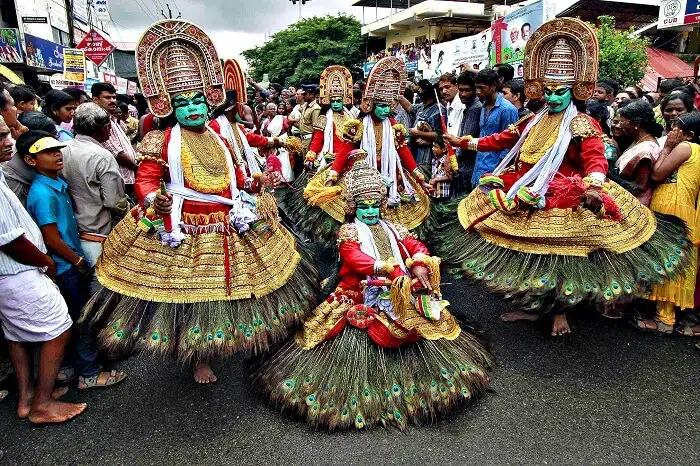
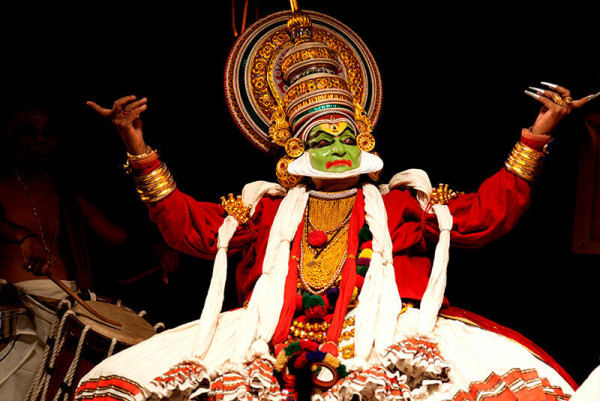
- Witnessing Kathakali: Attend a performance of this classical dance-drama, renowned for its elaborate, stylized make-up, colourful costumes, and intense facial expressions that narrate Hindu epics.
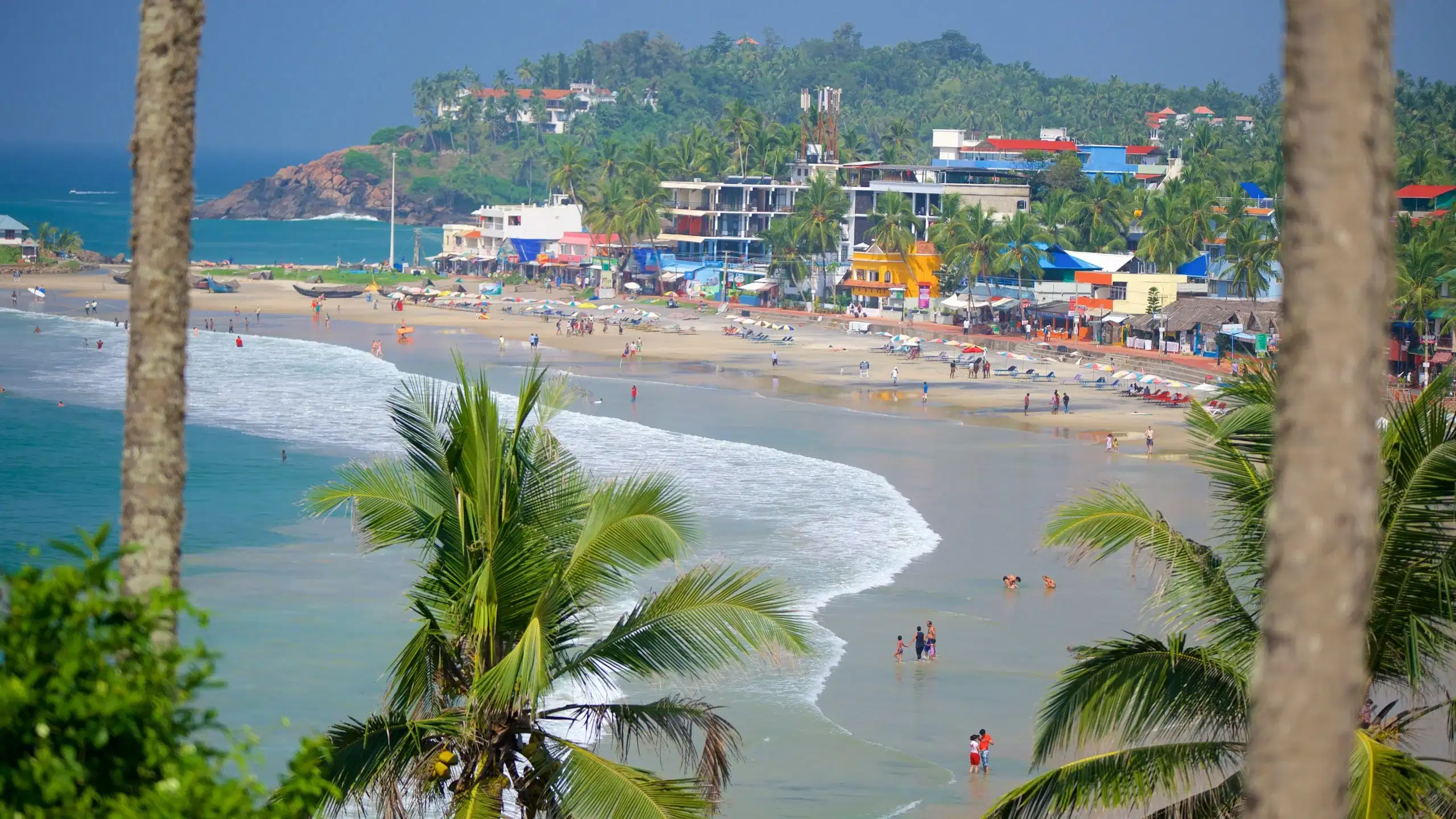
- Varkala Cliff Beach: Relax on the stunning black cliffs that overlook the Arabian Sea, a unique geological feature that hosts laid-back cafes and provides breathtaking sunset views.
- Spice Plantation Visits: Take guided walks through the fragrant spice gardens of Thekkady and Wayanad, learning about the cultivation of cardamom, pepper, vanilla, and cinnamon.
Practical Travel Considerations
The logistics of travel when to go and how easy it is differ substantially.
Best Time to Visit (Crucial Difference)
- Rajasthan: The best time is the dry winter (October to March). The weather is cool and pleasant (daytime highs around 25°C), ideal for exploring massive forts. The summers (April–June) are brutally hot, often exceeding 40°C, making sightseeing exhausting.
- Kerala: The peak season is also the dry winter (October to March). However, Kerala is a great year-round destination. The monsoon (June to September) transforms the state into an emerald paradise and is considered the best time for Ayurvedic treatments, despite the heavy rain.
Travel Intensity
- Rajasthan: Requires long travel days due to the size of the state and the distances between cities (Jaipur, Jodhpur, Udaipur, Jaisalmer). A private car with a driver is the most comfortable and efficient way to travel, but the journey itself can be tiring.
- Kerala: Journeys are shorter and smoother. The state’s attractions (Kochi, Alleppey, Munnar, Thekkady) are geographically closer, allowing for quicker transfers and a more relaxed pace overall.
Cultural Ease for First-Timers
- Rajasthan offers the most visually dramatic "India experience" but can be more chaotic and intense for a beginner, with more aggressive touts and larger crowds at major sites.
- Kerala is generally considered a gentler introduction to India. Its high literacy rate, prevalence of English speakers, and naturally calm environment make it less overwhelming and easier to navigate independently.
