Discover Amazing Assam
Discover Assam, famous for tea gardens, one-horned rhinos, and rich culture. Explore Kaziranga National Park, cruise the mighty Brahmaputra, visit ancient temples, and experience vibrant Bihu festivals. Enjoy world-class tea, silk weaving, and warm Assamese hospitality in this northeastern gem.
About This Destination
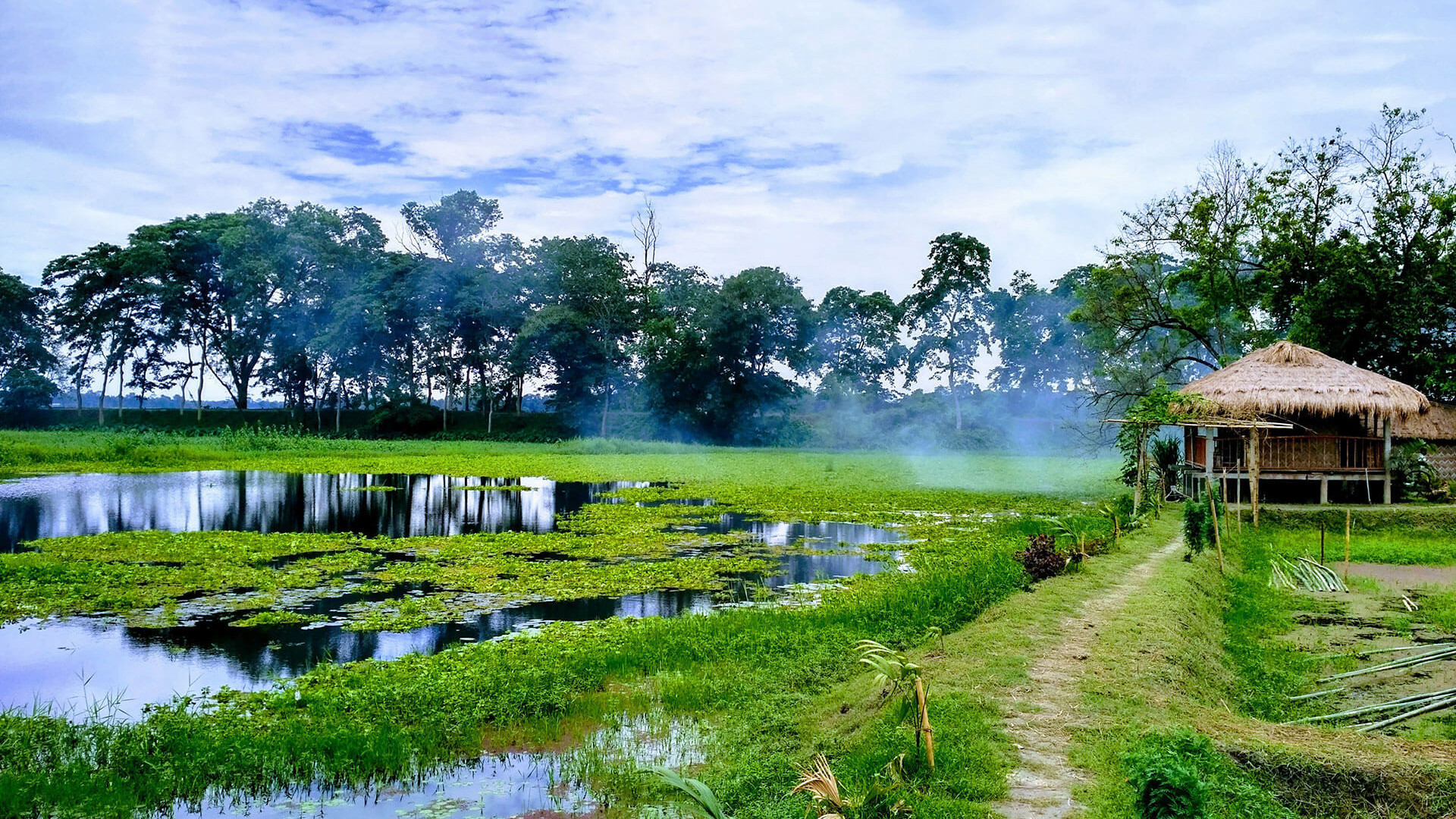
Forget what you think you know about India. Travel to the Northeast, and you find a world defined not by dry desert fortresses, but by the raw, untamed power of the Brahmaputra River, the misty majesty of the Himalayan foothills, and the deep emerald green of countless tea plantations. Assam is the gateway to this world a place of incredible biodiversity, ancient kingdoms, and a unique culture woven from the threads of indigenous tribes and the dominant Assamese Vaishnavite tradition.
This is a land of sensory overload, where the roar of the one-horned rhino in Kaziranga rivals the hum of devotion at Kamakhya Temple. It demands a specific kind of traveller: one who appreciates nature over monuments, culture over commerce, and is willing to trade the well-worn paths of the West for an authentic, rewarding journey into the heart of India's most vibrant corner.
As your dedicated travel planner, I've compiled everything you need to know to navigate this beautiful state, ensuring your experience goes far beyond the typical tourist checklist.
The Core Identity: River, Rhino, and Royalty
To appreciate Assam, you must understand the three pillars that define its existence:
- The Brahmaputra River: Known locally as Luit, this massive river is the lifeline of Assam. It defines the landscape, creates the fertile Brahmaputra Valley, and hosts the world's largest river island, Majuli. All travel, history, and life here revolve around its flow.
- The Rhino: Assam is the global capital for the endangered Great One-Horned Rhinoceros. The state's commitment to wildlife is evident in its UNESCO World Heritage Sites, Kaziranga and Manas National Parks, making it a non-negotiable destination for wildlife enthusiasts.
- The Ahom Kingdom: Assam's medieval history was dominated by the Ahom dynasty, which ruled the region for six centuries (1228–1826 AD). Their influence is visible in the architecture, traditions, and the magnificent historical ruins of Sivasagar.
How To Reach Assam
Assam, and its capital city of Guwahati, serves as the primary hub for the entire Northeast region.
By Air (The Quickest Route)
- Guwahati (GAU) - Lokpriya Gopinath Bordoloi International Airport: This is the main entry point, well-connected to all major Indian cities (Delhi, Mumbai, Bangalore, Kolkata) by frequent domestic flights.
- Secondary Airports: For accessing the Upper Assam region (tea gardens, Kaziranga), consider flying into Jorhat (JRH) or Dibrugarh (DIB). These airports usually require a connection via Kolkata or Guwahati.
By Rail (The Classic Route)
- Guwahati Railway Station (GHY): This is the busiest and most important junction in the Northeast, offering excellent, scenic connectivity to the rest of India via major trains like the Rajdhani Express and North East Express from cities like Delhi and Kolkata.
- Train Travel Tip: Train journeys into Assam are long but picturesque, passing through plains and foothills.
By Road (Intra-State Travel)
- While road access to Assam is excellent (NH27 connects it to West Bengal), inter-city travel within Assam is often best done by hiring a private vehicle with a driver. This offers comfort and flexibility, essential when covering the distance between Guwahati, Kaziranga, and Majuli.
When to Go: Understanding the Climate
Assam has a tropical monsoon rainforest climate, meaning seasons are defined by the presence or absence of rain.
The Best Time to Visit: The Dry Winter (October to April)
This is the peak tourist season and the optimal time for the essential Assamese experience: wildlife safaris.
- Peak Season (November to February):
- Weather: Cool, pleasant, and dry. Temperatures range from 10°C to 25°C. This crisp weather is perfect for morning safaris and daytime sightseeing.
- Activity Focus: Wildlife Viewing Peaks. Animals congregate near limited water sources, and the tall elephant grass is cut down, improving visibility in the national parks.
- Shoulder Season (March to April):
- Weather: Warmer, but still manageable, with temperatures climbing to 30 °C. The landscape is green and beautiful as the flowers and orchids begin to bloom.
- Activity Focus: Bihu Festival. Mid-April brings Rongali Bihu (the Assamese New Year), a vibrant celebration of dance, music, and feasting.
The Monsoon (May to September)
- Weather: Heavy, relentless rainfall and high humidity. This is the wettest period.
- Impact on Travel: National Parks (Kaziranga, Manas) are typically closed during this time due to flooding, which can severely limit your itinerary. River cruising can also be disrupted by high water levels.
- Why Visit? This season is only recommended for serious botanists, researchers, or travellers seeking solitude and the absolute deepest green of the tea gardens, provided they are prepared for frequent travel interruptions.
The Assam Experience: Essential Things to Do
1. The Wildlife Corridor: Kaziranga and Manas
- Kaziranga National Park (UNESCO World Heritage Site): The undisputed highlight. Book an early morning Elephant Safari for the most immersive viewing of the one-horned rhino in the grassland, followed by a Jeep Safari later in the day to explore the park's different zones (Eastern, Central, Western). Also home to wild buffalo, swamp deer, and tigers.
- Manas National Park (UNESCO World Heritage Site): Located in the foothills of the Himalayas, this park is known for its pristine beauty and its success in protecting several endangered species like the Golden Langur, Hispid Hare, and Pygmy Hog. Manas offers a more rugged, less-visited safari experience near the Bhutan border.
2. The Cultural Heartland: Majuli and Sivasagar
- Majuli Island (World's Largest River Island): Reachable by ferry from Nimati Ghat (Jorhat district), Majuli is a deeply significant cultural centre for Assamese Vaishnavism.
- Visit the Satras: These are Vaishnavite monasteries that preserve ancient arts, including the Sattriya dance (a classical dance form) and traditional mask-making. Stay a night or two to witness the simple, spiritual life of the Mishing tribe.
- Sivasagar (Ahom Kingdom Capital): Explore the relics of the mighty Ahom rulers. Must-sees include the Kareng Ghar (palace), the immense Sivadol temple, and the vast Joysagar tank, a testament to Ahom engineering and grandeur.
3. The Urban and Spiritual Gateway: Guwahati
- Kamakhya Temple: Located atop the Nilachal Hill, this is one of the most sacred Shakti Peethas (sites of divine power). It is a major pilgrimage centre and the site of the famous Ambubachi Mela in June. The views of the Brahmaputra from the hill are stunning.
- Brahmaputra River Cruise: Take a sunset cruise or a river ferry to Umananda Island (Peacock Island), home to the Umananda Temple and one of the smallest inhabited riverine islands in the world.
4. The Plantation Trail: Jorhat and Dibrugarh
- Tea Tourism: Assam is globally famous for its robust black tea. Visit the tea capital, Dibrugarh, or the "Tea City," Jorhat, to stay in colonial-era tea bungalows, tour the processing factories, and learn about the cultivation of the world's finest teas.
History of Assam: Six Centuries of Ahom Rule
Assam’s history is a complex narrative of shifting kingdoms and cultures, but the pivotal era is that of the Ahom Kingdom.
- Ancient Period (Kamarupa and Pragjyotisha): The region, known as Kamarupa, was mentioned in ancient texts and inscriptions, suggesting a highly organized kingdom as early as the 4th century CE. The capital, Pragjyotishpura (modern Guwahati), was an important center.
- The Ahom Dynasty (1228–1826 AD): The Ahoms, led by Sukaphaa, migrated from modern-day Yunnan, China, and established a dynasty that would last for nearly 600 years, successfully resisting numerous Mughal invasions (a feat few North Indian kingdoms could claim). This long, stable rule is why the cultural fabric of Assam remains so unique and intact.
- Colonial Era: The Ahom power eventually declined, leading to the Burmese invasion in the early 19th century. This conflict led to the Treaty of Yandaboo in 1826, which marked the end of the Ahom rule and the beginning of British colonial administration in Assam, paving the way for the massive tea industry.
District Destinations for a Deeper Dive
Assam is currently divided into 35 administrative districts, each with its own special flavour. For the traveller, focusing on a few key districts is most effective:
- Kamrup Metropolitan (Guwahati): The urban, commercial, and spiritual capital. Best for flights, hotels, and the Kamakhya Temple.
- Golaghat & Nagaon (Kaziranga): These districts host the majority of the Kaziranga National Park area. Essential for wildlife safaris.
- Jorhat (Majuli): The gateway district for the Majuli River Island and home to many influential tea estates.
- Sivasagar: The historical and archaeological hub, containing the monuments of the Ahom Kingdom.
- Dima Hasao (Haflong): Home to Haflong, the only hill station in Assam, offering a cooler climate, lakes, and unique tribal culture.
- Chirang & Baksa (Manas): Districts in the western part of Assam, offering access to the quieter, pristine beauty of Manas National Park.
Frequently Asked Questions
When is the best time to visit Assam?
October–April for sightseeing and wildlife safaris; monsoon (June–September) is rainy.
Is Assam safe for tourists?
Yes, tourist areas are safe. Follow local guidance and park rules.
How many days are ideal to explore Assam?
5–7 days cover Kaziranga, Majuli, and Guwahati comfortably.
Do I need permits to visit Assam?
No special permits are required for most areas except some border regions.
What should I pack?
Light woolens, rain gear during monsoon, comfortable shoes, and sunscreen.
Where can I stay?
Luxury hotels, resorts, eco-lodges, and homestays in Guwahati, Kaziranga, and Majuli.
Which activities are must-try?
Wildlife safaris, river cruises, tea garden tours, cultural experiences, and photography.
What local foods should I try?
Masor tenga, bamboo shoot dishes, pitha, and Assam tea.
How to travel between towns?
Taxis, buses, and private hires are common for intercity travel.
Where can I book Assam tours?
Travel operators like Tickets to Trip provide curated itineraries.
Top Things to Do & Activities in Assam
Discover a world of unforgettable experiences and top activities at this destination! Whether you’re seeking adventure, cultural immersion, relaxation, or family fun, find the best things to do—from sightseeing and outdoor adventures to culinary delights, spiritual journeys, and local events. Enjoy every moment and make your trip truly memorable!
Popular City in Assam
Explore our selection of popular packages in Assam. Whether you're looking for a relaxing getaway, a family-friendly trip, or a solo adventure, we have the perfect package for you. Book now and experience the best of Assam like never before!