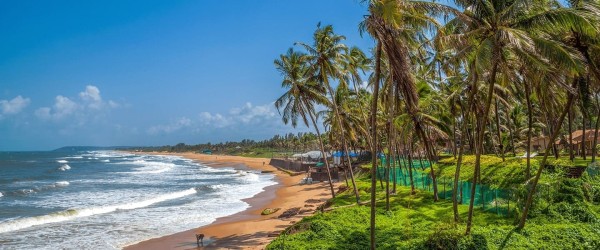
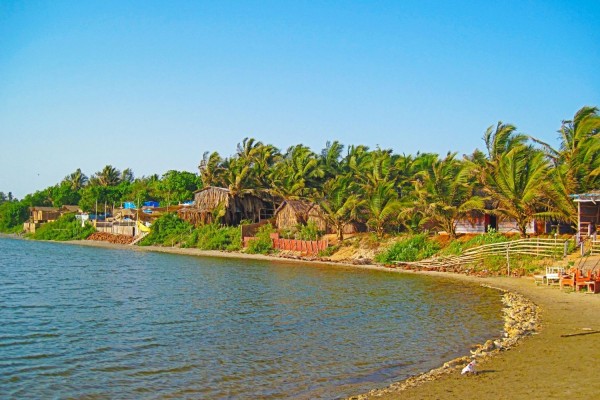
Discover Amazing Goa
Discover Goa’s stunning beaches, vibrant culture, nightlife, and hidden gems in this easy travel guide for an unforgettable coastal getaway.
About This Destination
How to Get to Goa
Goa is excellently connected to the rest of India by air, rail, and road, with each route offering a unique flavor of the journey to the Konkan Coast.
By Air
Flying is the easiest and quickest way to reach the coast. Goa is primarily served by the Dabolim Airport (GOI), located near the port town of Vasco-da-Gama. This airport handles a huge volume of traffic, offering frequent domestic flights from major Indian cities like Mumbai, Delhi, Bengaluru, and Hyderabad. During the peak season, Dabolim also welcomes numerous international charter flights, cementing its status as the main aerial gateway.
A newer airport, Manohar International Airport (Mopa), has also begun operations in North Goa, providing travelers with another modern, convenient entry point, particularly for those whose destinations are closer to the northern beaches. From either airport, taxis and prepaid services are readily available to ferry you to your hotel or chosen beach destination, whether it's the bustling North or the serene South.
By Rail
Traveling to Goa by train is highly recommended for the scenic Konkan Railway journey. This route runs along the picturesque western coast, providing travelers with unforgettable views of lush greenery, numerous tunnels, and dramatic river crossings, especially during or just after the monsoon.
Goa has two major railheads: Madgaon Junction (MAO) in South Goa and Thivim (THVM) in North Goa. Madgaon is the busiest and most centrally connected station, linking Goa to the South Western Railway and the Konkan Railway network. Trains like the Konkan Kanya Express and Mandovi Express run regularly, making it a comfortable and budget-friendly option for long-distance travelers. Choosing your arrival station Madgaon for South Goa beaches like Palolem, or Thivim for North Goa spots like Anjuna and Baga can significantly shorten your final road journey.
By Road
A road trip to Goa is a celebrated experience, thanks to the National Highways that connect it to neighboring states like Maharashtra and Karnataka. The drive, particularly from Mumbai or Pune, is popular, offering both scenic beauty and the freedom to explore at your own pace.
Luxury buses, often featuring sleeper coaches, and regular state-run services operate frequently from major cities like Mumbai, Pune, and Bengaluru. The highways are generally well-maintained, making road travel a feasible and enjoyable option for those who cherish the journey as much as the destination.
Timing Your Bliss
Goa is a true year-round travel destination, but the atmosphere, activities, and prices change drastically with the three distinct seasons. The best time for you depends on your priorities: beach bliss and vibrant nightlife, budget travel and solitude, or lush greenery and waterfalls.
The Peak Season: Winter (November to February)
This period is universally considered the best time for Goa's classic experience. The weather is dry, sunny, and pleasantly cool, with temperatures ranging comfortably between 20°C and 30°C.
- Vibrant Atmosphere: The entire state is alive. All the beach shacks, restaurants, and nightclubs are fully operational. This is the time for water sports, including parasailing, jet-skiing, and scuba diving, as the Arabian Sea is calm and clear.
- Festive Energy: The season is highlighted by massive festivals like Christmas and New Year's Eve, featuring spectacular fireworks and parties. February hosts the famous Goa Carnival, a vibrant parade of floats, music, and dance.
- The Downside: This is the most expensive time to visit. Expect high prices and significant crowds, especially around the major North Goa beaches and during the Christmas-New Year period. Book accommodations many months in advance.
The Budget and Nature Season: Monsoon (June to September)
Often overlooked, the monsoon transforms Goa into a lush green paradise, appealing to nature lovers and budget-conscious travelers.
- Monsoon Charm: Heavy rainfall revitalizes the state's interior. Waterfalls, such as the famous Dudhsagar Falls, flow with spectacular power. The landscape of the Western Ghats is ideal for monsoon trekking and nature walks.
- Quiet Solitude: The beaches are quiet and largely empty, offering a serene, introspective atmosphere. Hotels offer massive discounts, often up to 50–70% off peak rates, making it the best time for budget travelers and those seeking a peaceful, romantic escape.
- The Limitations: Most water sports are temporarily suspended due to safety concerns, and many beach shacks are closed. However, local life, heritage sites like Old Goa's churches, and Ayurvedic wellness retreats remain fully operational, offering a deeper dive into Goan culture.
The Shoulder Seasons: Transition (March, April, May, October)
These months offer a good balance for those who want pleasant weather without the peak season rush, though they come with some humidity.
- Summer Heat (March to May): Temperatures rise significantly, making afternoons hot and humid. However, early mornings and late afternoons are perfect for beach time. Crowds are lower, and prices are moderate compared to winter. It’s a great time for exploring heritage sites like Fort Aguada and Chapora Fort.
- Post-Monsoon (October): This transition month is fantastic. The rains have subsided, the landscape is still incredibly green, the seas begin to calm, and most water sports resume. Prices are moderate, and the weather is pleasant enough to enjoy the beaches without the extreme winter crowds, making it a favored month for many repeat visitors.
History Of Goa
The landscape of Goa represents a civilization carved by the tides of the Arabian Sea, a true mosaic of Luso-Indian identities and a sanctuary for those seeking a profound, sun-drenched quietude. This is a land where every whitewashed chapel tells a tale of seafaring explorers, and every spice plantation whispers the history of traders, friars, and master craftsmen.
For the traveler seeking authenticity, the true magic lies in moving beyond the neon-lit shorelines and exploring the deep cultural veins of the New Conquests and the breathtaking, untouched foothills of the Western Ghats. This journey is an exploration of genuine syncretism, traditional artistry, and unparalleled tropical serenity.
The Hinterland: A Confluence of Heritage and Indo-Portuguese Art
Goa, often simplified as a beach destination, serves as a vital gateway to a vibrant fusion of spirituality and history. To understand its soul, one must look to the "Indo-Portuguese" legacy a unique architectural and social fabric born from 450 years of cultural synthesis.
- Luso-Goan History and Architecture: The historical manor houses of Goa offer more than just aesthetic beauty; they showcase a distinctive style born from necessity and fusion. Structures like the Figueiredo Mansion or Casa Araujo Alvares demonstrate this synthesis, featuring the Balcão (ornate porch) designed as a social bridge between the street and the home. Look for the "Mother of Pearl" (Oyster Shell) windows a sophisticated adaptation using translucent shells to diffuse the harsh tropical sun into a soft, ethereal glow.
- The Latin Quarter Narrative: Exploring Fontainhas in Panjim is a journey through time. These narrow, winding alleys with their bright yellow, blue, and ochre buildings are essential for understanding the urban Dogra-like resilience of the local community. Look for the Azulejos (hand-painted ceramic tiles) that mark house numbers and street names, representing a crucial chapter in the region's heritage art.
- The Kunbi Legacy: Delve into the indigenous roots of the land by seeking out the Kunbi Saree. This handwoven textile, characterized by its sturdy checkered patterns in earthy reds and yellows, was traditionally worn by the tribal women of the fields. Today, it stands as a symbol of Goa’s indigenous resilience and a hidden jewel for textile enthusiasts.
The Western Ghats: Wildlife, Mist, and Highland Solitude
Beyond the coastline, the mountains surrounding Goa’s eastern border conceal valleys of lush greenery, perfect for offbeat adventure activities and peaceful respite.
- The Wild Heart: The Netravali and Cotigao Wildlife Sanctuaries are Goa’s answer to high-altitude serenity. Their expansive deciduous forests and hidden waterfalls like Savari offer a haven for Himalayan-style photography—minus the snow and slow travel. This area is a sanctuary of untouched nature retreats, often missed by travelers fixated on the sand.
- The Ancient Stones: For a peaceful spiritual experience, visit the Tambdi Surla Temple. Situated deep within the Bhagwan Mahaveer Sanctuary, this 12th-century basalt structure dedicated to Lord Shiva is the only surviving piece of Kadamba architecture in Goa. It reflects the deep, pre-colonial spiritual roots of the region.
- High-Altitude Meadows: The Chorla Ghats, bordering Karnataka, provide the fresh, high-altitude air of the Sahyadri range. Here, one can engage in solitude hiking, birdwatching for the rare Malabar Whistling Thrush, and witnessing the "Sea of Clouds" that settles over the valleys at dawn.
Culinary Artistry and Island Life
Goan culture is meticulously preserved in the kitchens and riverine villages where exquisite, time-honored traditions continue to thrive, representing a pinnacle of Indian coastal heritage.
- The Goan Feast: Goan cuisine is a complex, multi-layered culinary tradition defined by the "Three Ks" Kokum, Kernel (Coconut), and Kismoor. Prepared in clay pots (Kudnem) over wood fires, this gourmet experience is rooted in a blend of Hindu Saraswat roots and Portuguese influences.
- Wazwan of the South: Just as the Wazwan defines the North, the Sorpotel and Xacuti define the Goan ceremonial table. These dishes are meticulously crafted with vinegar and complex spice masalas (Recheado), creating a South Asian gourmet experience that is both tart and fiery.
- The Art of the Sweet: Seek out the master bakers of the Bebinca a 7 to 16-layered pudding made of coconut milk and jaggery, baked layer by layer. It is a testament to extraordinary patience and culinary skill.
- Island Solitude: Explore the islands of Divar and Chorao. Once crucial points on ancient trade routes, these islands offer a glimpse into a preserved, slow-paced riverine culture. Navigating these by local ferry (Pomburpa) is a communal and historical experience that feels miles away from the modern world.
An Epic of Resilience and Cultural Depth
The lasting appeal of Goa is found in the warmth and unwavering resilience of its people the spirit of Susegad (a relaxed, contented pace of life). The culture thrives through deep-rooted hospitality and a profound respect for the rhythm of the monsoons and the sea. Goa is a compelling destination that rewards the curious traveler with layers of history, artistry, and natural majesty, making it an unforgettable Indian travel experience.
Top Things to Do & Activities in Goa
Discover a world of unforgettable experiences and top activities at this destination! Whether you’re seeking adventure, cultural immersion, relaxation, or family fun, find the best things to do—from sightseeing and outdoor adventures to culinary delights, spiritual journeys, and local events. Enjoy every moment and make your trip truly memorable!