Discover Amazing Rann of Kutch
The journey from Bhuj to the Rann of Kutch is roughly 80-90 km and takes around 1.5 to 2 hours by car through scenic Kutch terrain. Plan for sunrise or full-moon for a magical desert experience.
About This Destination
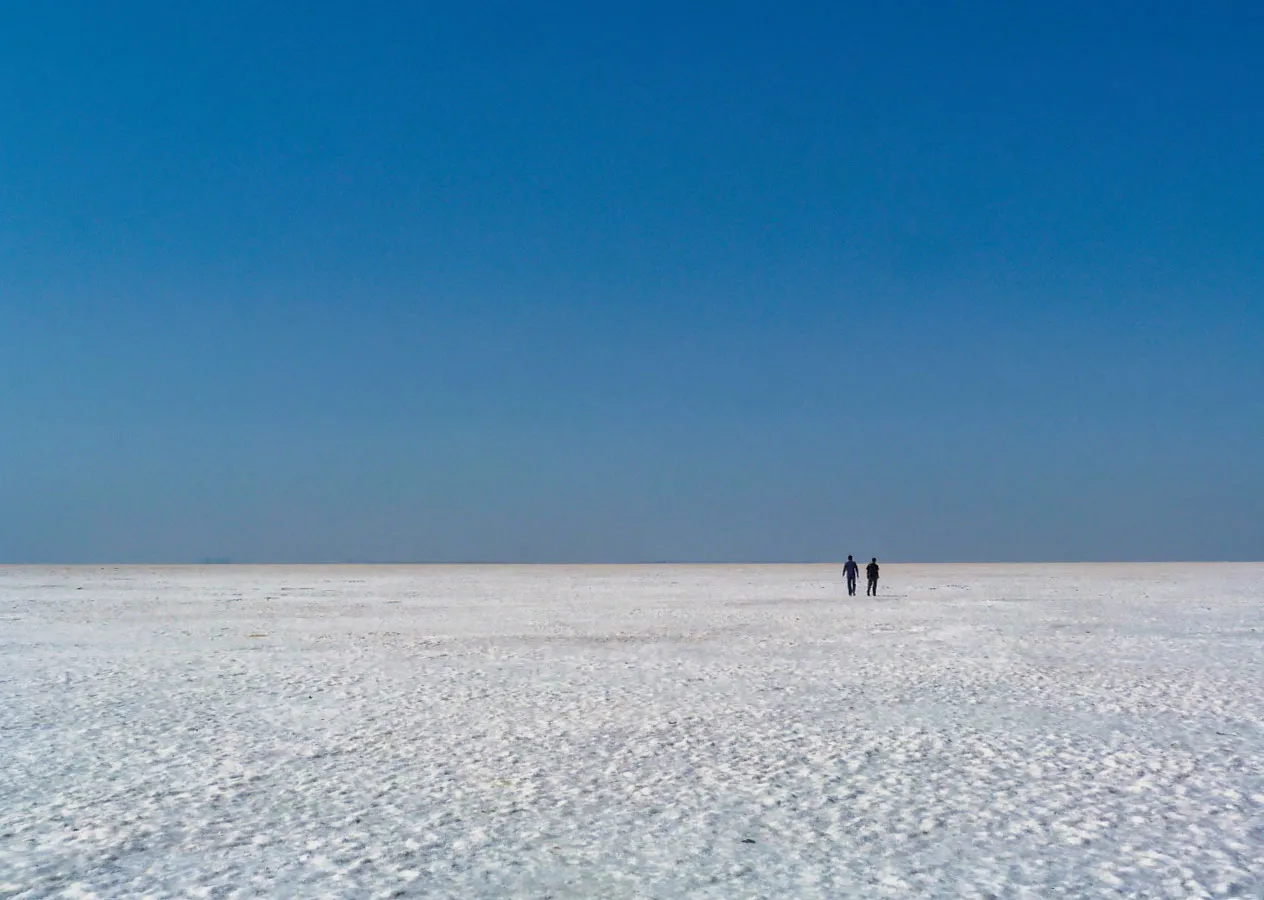
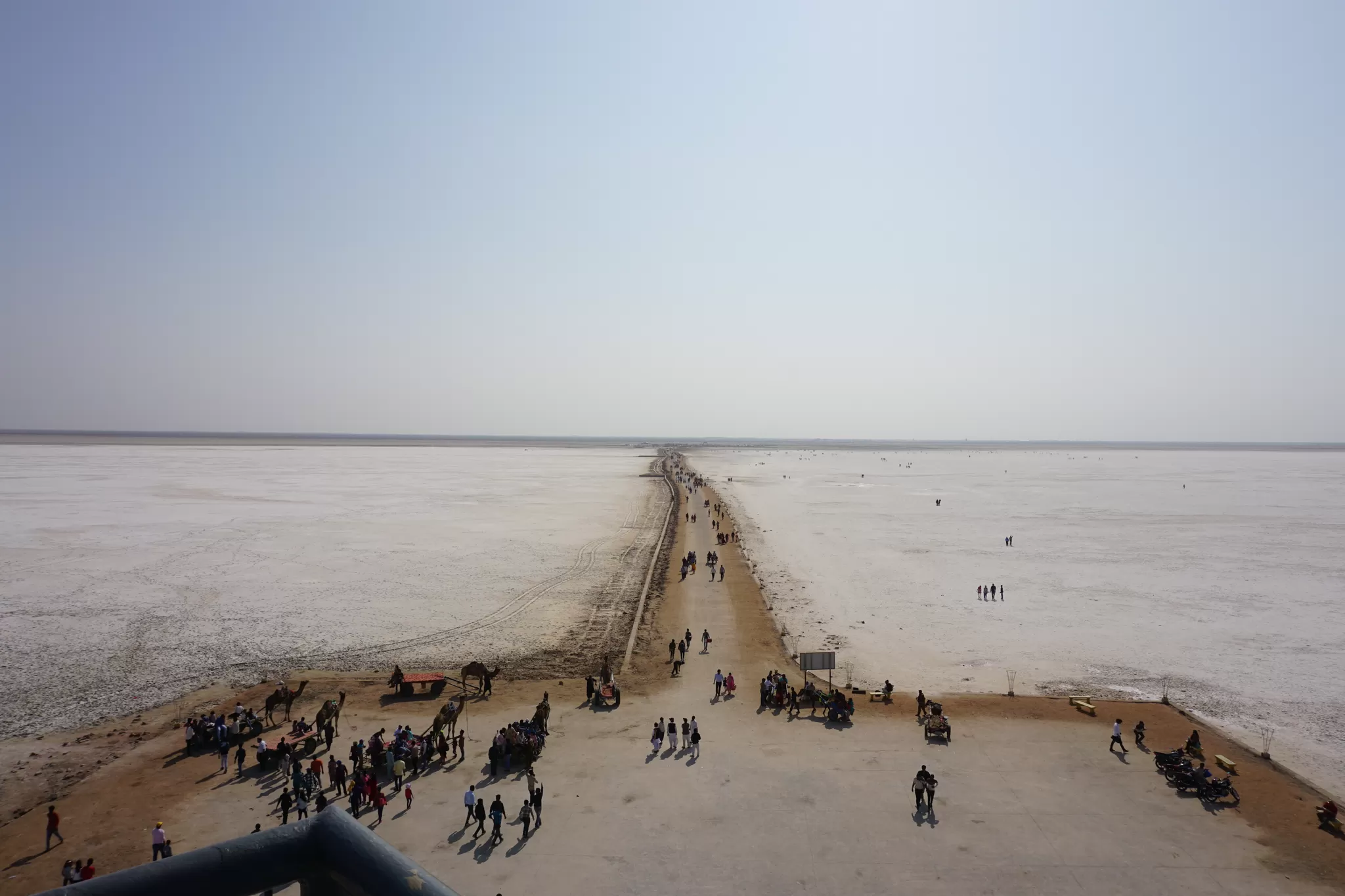
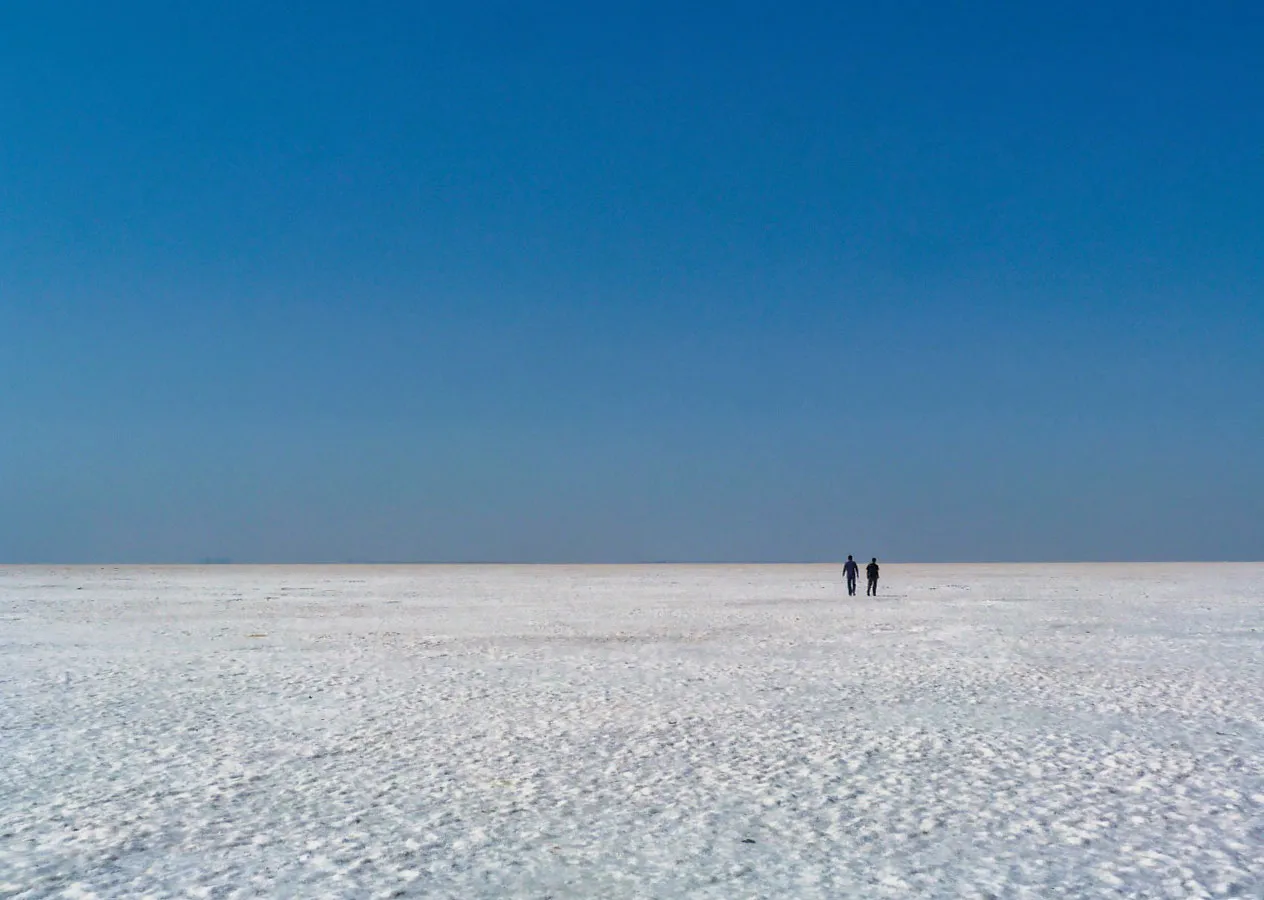
Gujarat Runn Of Kutch Tour Package: The Rann of Kutch, situated in the Kutch district of Gujarat, is not merely a destination; it is an extraordinary geographical phenomenon and a vibrant cultural mosaic. This colossal seasonal salt marsh, famously known as the White Desert, transforms with the cycles of the year from a submerged swampland during the monsoon to an ethereal, expansive blanket of dazzling white salt under the winter sun.
This guide is designed to be the definitive resource for travelers seeking to explore this unique region. We deliver the practical, helpful content required for complex travel how to reach the remote salt flats, the best time for the full moon Rann Utsav experience alongside the deep cultural context that travelers like and search for when planning a journey to this part of India. If you are looking for the best road trip itinerary for Kutch or the location of the ancient Dholavira Harappan site, this narrative is your essential companion, ensuring you don’t get lost in the vastness of the desert or the complexity of the region’s history.

How to Reach the Rann Of Kutch
The Rann of Kutch is part of the extensive Kutch district. The main gateway and logistical hub for accessing the White Desert is the historic city of Bhuj. All travel planning should first center on reaching Bhuj. The specific area of the White Rann visited by tourists, especially for the Rann Utsav festival, is located near the village of Dhordo, approximately 80 to 100 kilometers from Bhuj.
Nearest Airport: Bhuj
- Bhuj Airport (BHJ): This is the nearest and most convenient airport to the Rann of Kutch. It is well-connected by domestic flights to major Indian cities such as Mumbai and Ahmedabad.
- Transfer: The journey from Bhuj to the Rann of Kutch is roughly 80-90 km From Bhuj Airport, you must hire a private taxi, take a shared cab, or utilize the pre-arranged transfers offered by the Rann Utsav Tent City to reach Dhordo (the festival site) or other homestays in nearby villages like Hodka or Gorewali. The drive takes approximately 1.5 to 2 hours.
Nearest Railway Station
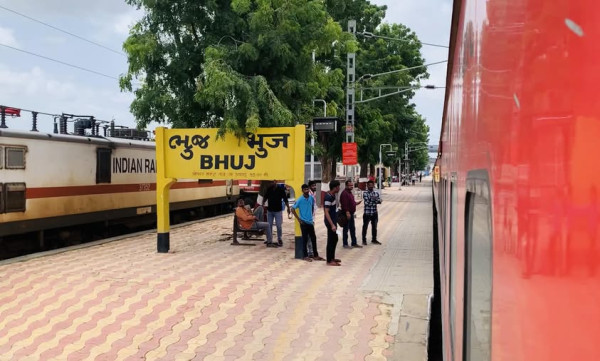
- Bhuj Railway Station (BHUJ): This is the principal railhead for the entire Kutch region. It is a well-connected junction with direct trains like the Kutch Express running to major cities including Mumbai and Ahmedabad. The railway journey is a popular, budget-friendly option for those searching for train connectivity to Bhuj for Rann Utsav.
- Transfer: Similar to the airport, transfers from the Bhuj station to the White Rann area (Dhordo/Hodka) must be completed by road via taxi or pre-booked bus.
By Road: The Scenic Desert Drive
Road travel is essential for the final leg of the journey and for exploring the Kutch region thoroughly.
- From Ahmedabad: The distance is approximately 400 to 420 kilometers, taking around 7 to 9 hours. This is a popular Ahmedabad to Rann of Kutch road trip and the most common route for self-driving tourists.
- From Bhuj to Dhordo: The drive (about 85 km) is smooth and scenic along the Bhuj-Khavda Road. Tourists need a permit to visit the White Rann, as it lies close to the Indo-Pakistan border. This permit is usually obtained at the check post in Bhirandiyara village en route, or sometimes pre-arranged by tour operators.
Best Time to Visit: The White Desert's Transformation
The timing of your visit is paramount, as the Rann’s spectacular white canvas is a seasonal phenomenon. Tourists primarily seek information on the dates of the Rann Utsav festival.
Winter (October to March): The White Desert Blooms
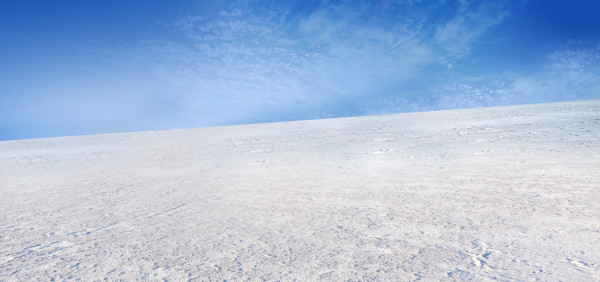
- The Scene: This is the ideal and peak season for visiting the Great Rann. The monsoon waters have receded, leaving behind the stunning, crystallized salt flats. The air is dry and the daytime weather is cool and pleasant (though evenings and nights are intensely cold).
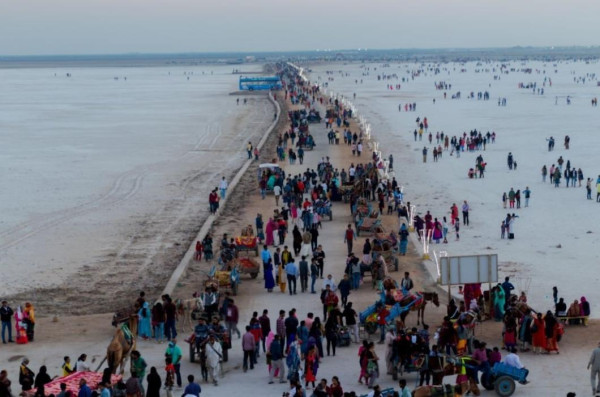
- The Highlight: The Rann Utsav festival, organized by Gujarat Tourism, runs throughout this period (typically from late October/November to late February/early March). This mega-event is a cultural spectacle that provides luxurious tent accommodations near the desert, cultural performances, traditional Kutchi food, and organized tours.
- Best Experience: The experience of witnessing the White Rann under the full moon night is legendary. Travelers should plan their trip to coincide with the full moon phase in December or January for the most ethereal view.
Summer (April to June): The Scorching Months
- The Scene: The region becomes intensely hot, with temperatures soaring well above 45°C. The salt flats are harsh and the overall tourist infrastructure shuts down.
- Travel Notes: Travel is generally discouraged during this period due to the heat and lack of facilities.
Monsoon (July to September): Submerged and Inaccessible
- The Scene: The Rann of Kutch fills with rainwater from the Luni river and coastal high tides, turning the salt flats into a vast, shallow sea. The White Desert is mostly inaccessible and closed to tourists.
- Wildlife Note: This period is crucial for the ecological cycle, serving as a significant breeding ground for migratory birds, though human access is restricted.
History and Geographical Marvel
Kutch is a land of deep history and geological transformation, with its name, derived from the Sanskrit word Kachchha (meaning tortoise or coastland), reflecting its slow, enduring evolution.
Geological Evolution: From Sea to Salt

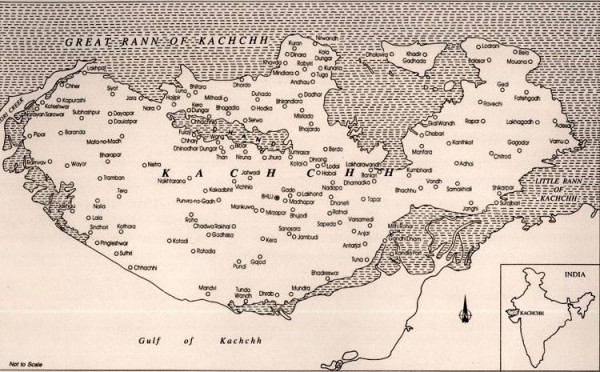
The Rann of Kutch was once a shallow arm of the Arabian Sea, an estuary of the Indus River. Over geological millennia, tectonic movements, silting from rivers, and successive earthquakes (notably the massive 1819 and 2001 quakes) caused the area to uplift, cutting it off from the sea. The water evaporated, leaving behind a thick crust of salt a phenomenon that makes the Great Rann of Kutch the largest salt marsh in the world. The border location further classifies it as the Kutch Desert Wildlife Sanctuary, a protected area defined by its unique environment.
Ancient Civilizations and Dynasties
Kutch has served as a crossroads of civilization for millennia, a fact confirmed by stunning archaeological discoveries.
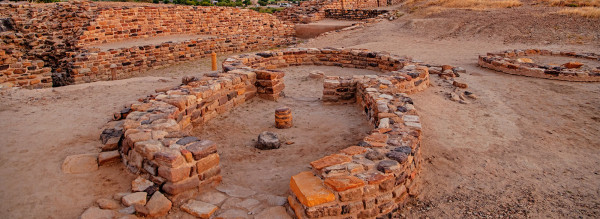
- Dholavira: Situated in the Khadirbet island of the Great Rann, Dholavira is one of the five largest Harappan/Indus Valley Civilization sites in India (in existence from c. 2650 to 1450 BCE). Its ruins reveal sophisticated urban planning, advanced water conservation systems, and the famous Dholavira Signboard, making it a key destination for travelers interested in Indus Valley history in Gujarat.
- The Jadeja Rulers: The history of medieval and modern Kutch is dominated by the Jadeja dynasty of Rajputs, who unified and ruled the region for centuries. They made Bhuj their capital, building magnificent palaces and forts. Their patronage fostered the unique Kutchi handicraft tradition, including detailed embroidery, mirror work, and Bandhani tie-dyeing, which today is a centerpiece of the local economy and culture.
The 2001 Earthquake and Restoration
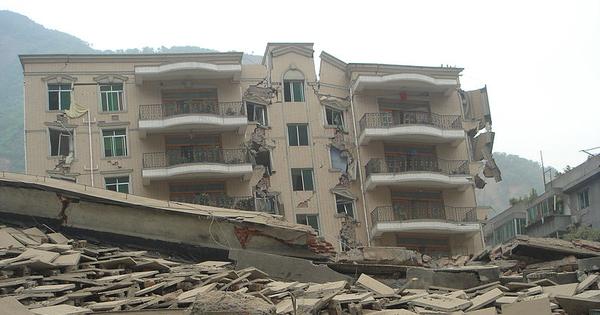
The entire Kutch region, especially Bhuj, was devastated by a massive earthquake in 2001. The subsequent recovery effort, marked by immense local resilience and government support, rebuilt the infrastructure, preserved the heritage sites, and focused on tourism, culminating in the globally popular Rann Utsav festival. The Smritivan Earthquake Memorial on Bhujiyo Dungar commemorates this pivotal event.
Things To Do and Places to Visit Beyond the White Desert
While the White Rann is the star, the experience of Kutch is incomplete without delving into the surrounding historical sites and vibrant craft villages. A well-planned Kutch itinerary for first-time visitors must allocate equal time to Bhuj and the craft belt.
1. The Historical Hub: Bhuj City
Bhuj, the capital of the Kutch district, is the cultural heart, featuring palaces and museums that narrate the region’s regal past.
- Aina Mahal (Palace of Mirrors): This 18th-century palace is a stunning example of fusion architecture, known for its Hall of Mirrors, intricate tile work, and Venetian glass.
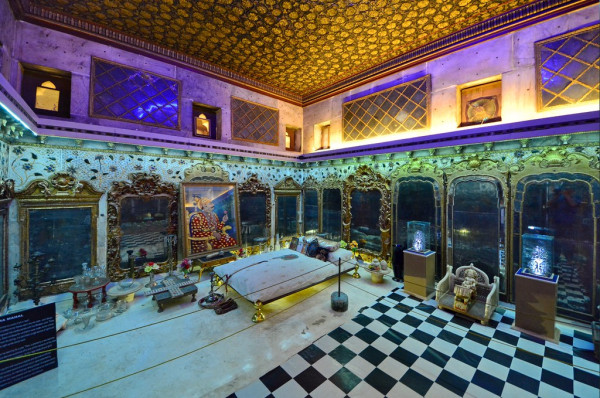
- Prag Mahal: Adjacent to Aina Mahal, this 19th-century palace showcases Italian Gothic style, featuring a grand durbar hall and a tall Clock Tower that offers panoramic views of the city.
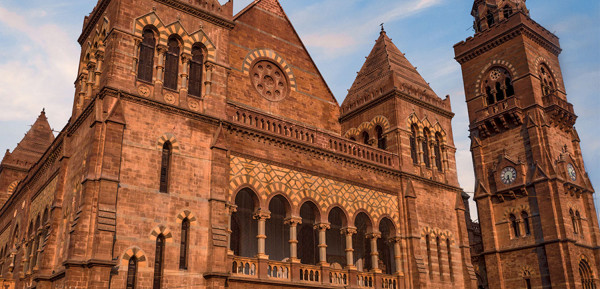
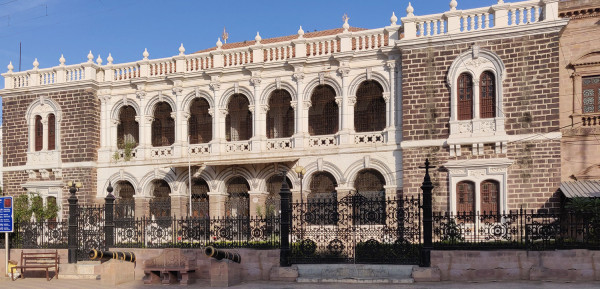
- Kutch Museum: The oldest museum in Gujarat, it houses a rich collection of artifacts, including the extinct Kachchhi script inscriptions, Kutchi art, and tribal culture exhibits.
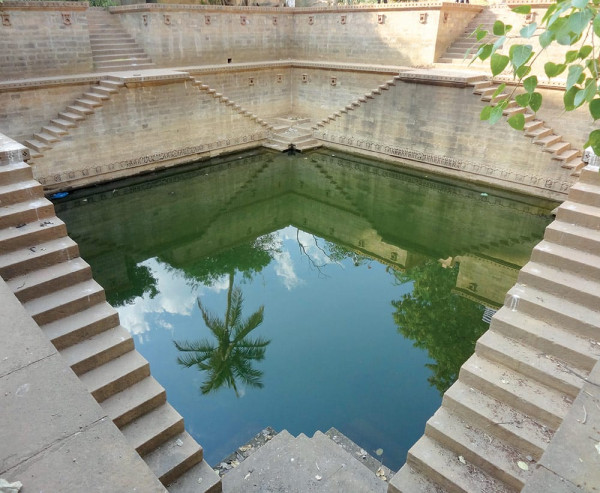
- Ramkund Stepwell: A traditional vav or stepwell, displaying intricate carvings of characters from the Ramayana.
2. Craft Villages and Artistic Heritage
The cultural identity of Kutch is best experienced in its rural artisan villages, where centuries-old traditions thrive.
- Bhujodi Village: Located near Bhuj, this village is renowned for its community of Vankar weavers who specialize in handloom weaving of shawls, carpets, and fabrics using local wool and Kala Cotton (a strain of organic cotton unique to Kutch). Travelers often look for best villages for textile shopping in Kutch.
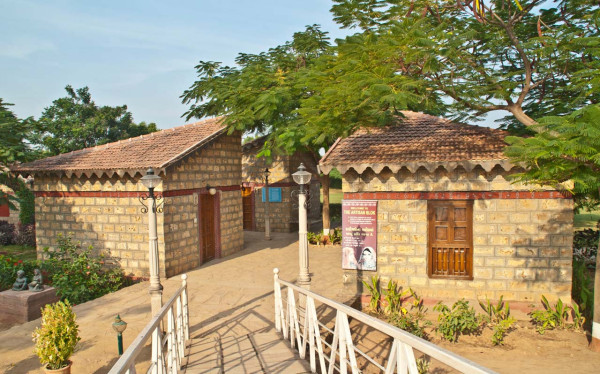
- Nirona Village: Famous for two highly specialized, rare crafts: Rogan Art (a unique form of cloth painting using castor oil-based pigments) and the traditional Copper Bell crafting, where metal sheets are cut and shaped by hand. Visitors can witness the artisans at work.
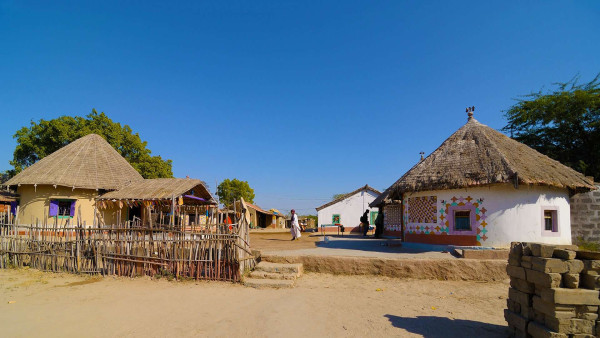
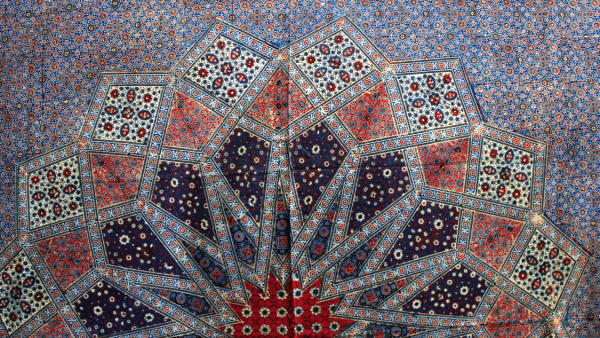
- Dhamadka and Ajrakhpur: Known as centers for Ajrakh block printing, an intricate form of textile printing using natural dyes with distinctive geometric and floral patterns, primarily carried out by the Khatri community.
3. Panoramic Views and Nature Reserves
The geography around the Rann offers spectacular viewpoints and crucial wildlife habitats.
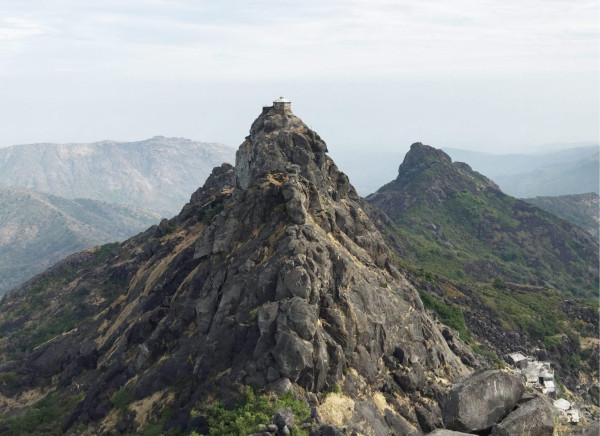
- Kalo Dungar (Black Hill): This is the highest point in Kutch and provides the most comprehensive, breathtaking panoramic view of the entire White Rann, extending to the Indo-Pakistan border. It is home to the Dattatreya Temple, a sacred site where a unique feeding ritual for jackals is performed daily.
- Dholavira Harappan Site: A must-visit for history enthusiasts. Located on the eastern edge of the Rann (requires a longer drive), this site offers insight into the advanced urban planning of the Indus Valley Civilization.
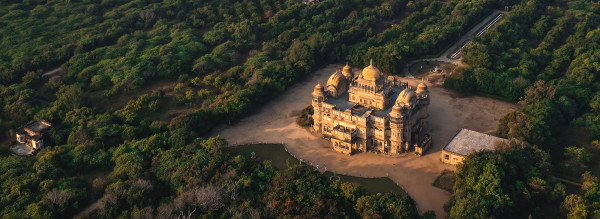
- Mandvi Beach and Vijay Vilas Palace: A scenic drive south of Bhuj leads to the coastal town of Mandvi. Its beach is tranquil and famous for the Vijay Vilas Palace, an architectural gem that served as a summer retreat for the Maharaos of Kutch, known for its exquisite architecture and starring role in Bollywood films.
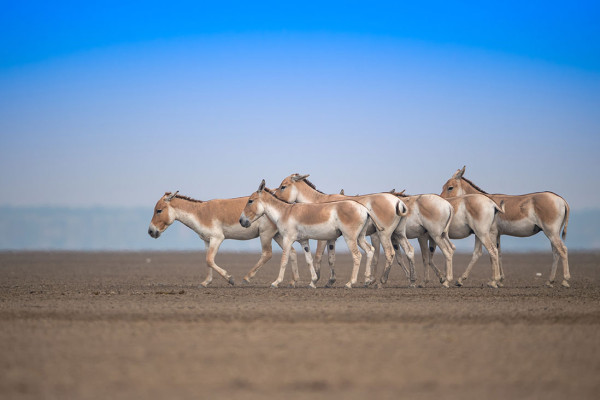
- Little Rann of Kutch (Wild Ass Sanctuary): Though separate from the Great Rann, the Little Rann is essential for wildlife lovers. It is the only place on Earth where the endangered Indian Wild Ass (khur) is found, making it a key spot for a wildlife safari in Kutch.
4. Temples and Spiritual Sites
The faith of the Kutchi people is as strong as their resilience, evident in their cherished temples.
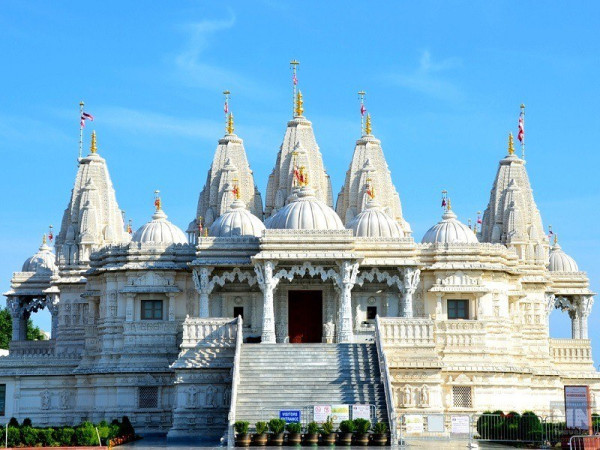
- Shri Swaminarayan Temple, Bhuj: An imposing, grand temple carved from white marble, it is a significant modern religious structure in the city and an architectural marvel.
- Mata no Madh (Ashapura Temple): Located far west of Bhuj, this is a highly revered temple dedicated to Goddess Ashapura (the Wish-Fulfilling Goddess), the patron deity of the Jadeja rulers and the region.

- Koteshwar Temple: Situated at the extreme western coast, this ancient Shiva temple is near the Arabian Sea. It is a pilgrimage site famous for its mythological connection to the epic Ramayana and its location at the last point of land facing the sea.

The Rann of Kutch offers a journey that is a feast for the eyes and a deep dive into the resilient culture of Gujarat. From the shimmering salt desert at night to the colorful handicrafts of its villages, Kutch promises an experience that is truly unique in the world.
Top Things to Do & Activities in Rann of Kutch
Discover a world of unforgettable experiences and top activities at this destination! Whether you’re seeking adventure, cultural immersion, relaxation, or family fun, find the best things to do—from sightseeing and outdoor adventures to culinary delights, spiritual journeys, and local events. Enjoy every moment and make your trip truly memorable!