Discover Amazing Dharamshala
Dharamshala, nestled in Himachal Pradesh, is famous for its scenic mountains, Tibetan culture, and peaceful ambiance. Travelers can reach here by road, train, or air, making it a perfect getaway for nature lovers and spiritual seekers.
About This Destination
Dharamshala, majestically poised on the upper slopes of the Kangra Valley in Himachal Pradesh, is a destination unlike any other, seamlessly blending the serene austerity of the mighty Himalayas with the vibrant, resilient spirit of the Tibetan diaspora. Reverently referred to as "Little Lhasa," this town serves as the spiritual and administrative headquarters for the Tibetan Government-in-Exile and the residence of His Holiness the 14th Dalai Lama, Tenzin Gyatso. The town itself is geographically split into two distinct, yet interconnected, settlements: Lower Dharamshala, which functions as the bustling commercial and governmental hub, and the higher, quieter altitude of Upper Dharamshala, or McLeod Ganj, which is the pulsating cultural heart of the Tibetan community.
Overview
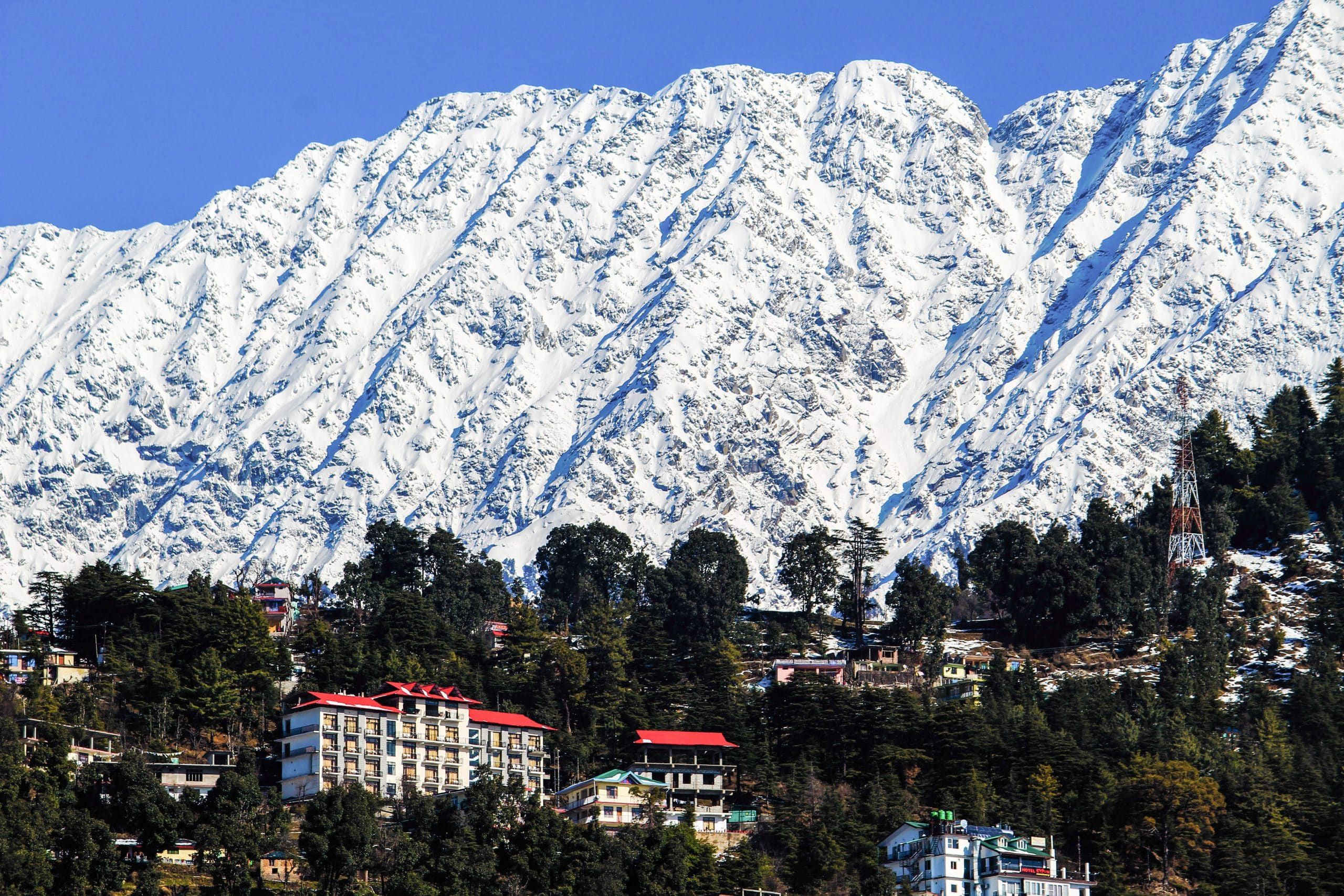
The sheer presence of the Dhauladhar range defines the entire geography and ethos of Dharamshala. These "White Ridge" mountains form a spectacular, snow-capped backdrop that dramatically rises almost vertically from the Kangra plains, their perpetually snow-clad peaks looming over the town like ancient, benevolent guardians. This altitude and isolation lent the town a unique destiny when, in 1960, the Indian government permitted the Dalai Lama and his followers to establish a new home here following the Chinese occupation of Tibet. The ensuing decades transformed McLeod Ganj from a sleepy colonial outpost—marked by the atmospheric remains of the British Raj like the Church of St. John in the Wilderness—into a globally significant center for Tibetan Buddhism, culture, and learning.
The name Dharamshala itself is rooted in Sanskrit, translating to a 'spiritual dwelling' or a 'rest house for pilgrims,' perfectly encapsulating its role today as a sanctuary for both spiritual seekers and adventurous travelers. The atmosphere is a rich cultural mosaic; one can witness Gaddi shepherds, the region's indigenous nomadic community, moving their flocks against the backdrop of fluttering prayer flags, while the air is infused with the scent of pine, spices, and the rhythmic chant of Buddhist mantras. It is a place of profound resilience, where the quiet determination to preserve a rich cultural identity thrives amidst breathtaking natural beauty, making it a compelling pilgrimage for both the devout and the curious.
How to Reach Dharamshala
Reaching this mountain sanctuary involves a scenic journey, primarily via air and road, with the final leg always connecting through the scenic valleys.
By Air
The quickest method is flying directly to the Kangra Airport (Gaggal Airport, code: DHI), which is conveniently located about 13 to 15 kilometers from Dharamshala and approximately 20 kilometers from McLeod Ganj. This regional airport has regular flight connectivity, predominantly from New Delhi and sometimes from Chandigarh, making it an efficient option. Given the high altitude and specific weather patterns of the Kangra Valley, flight schedules can sometimes be subject to change, so flexibility is advised. Upon landing, travelers can easily hire a pre-paid taxi or take local buses directly to their final destination in Lower Dharamshala or McLeod Ganj.
By Rail
Dharamshala itself does not have a broad-gauge railway station. The nearest major railhead is Pathankot Railway Station (often referred to as Pathankot Cantonment), which is about 85-90 kilometers away. Pathankot is well-connected to all major Indian cities like Delhi, Mumbai, and Kolkata via a strong rail network. From Pathankot, the remaining journey to Dharamshala is completed by road, taking approximately 2.5 to 3.5 hours by taxi or local bus. For a more charming, though significantly slower, experience, one can also take the narrow-gauge Kangra Valley Railway (Toy Train) from Pathankot to smaller stations like Kangra Mandir, and then continue by road.
By Road
The road journey to Dharamshala is perhaps the most popular way to arrive, offering stunning vistas as the route climbs into the mountains.
- Bus Services: Both State-run (HRTC) and numerous private operators offer frequent, comfortable overnight bus services, including Volvo and luxury AC coaches, from major North Indian hubs. The journey from Delhi typically covers over 500 kilometers and takes around 10 to 12 hours. From Chandigarh, the distance is shorter, about 250 kilometers, requiring 5 to 6 hours of travel. The buses usually stop in Lower Dharamshala, from where local transport is available to McLeod Ganj.
- Self-Drive/Taxi: The roads, while mostly well-maintained, are winding mountain roads. Driving allows flexibility to stop at scenic spots along the route, such as the famous tea gardens of Palampur.
Best Time to Visit Dharamshala
Dharamshala’s climate offers distinct experiences across the year, catering to various traveler preferences.
- Summer (March to June): This is arguably the most popular tourist season. The weather is exceptionally pleasant, offering a respite from the scorching heat of the plains. Temperatures range comfortably between 15 °C and 30 °C. The skies are usually clear, providing the most breathtaking, unhindered views of the snow-kissed Dhauladhar peaks. This season is perfect for trekking, sightseeing, and enjoying the vibrant outdoor life of McLeod Ganj.
- Monsoon (July to September): Dharamshala receives heavy rainfall, being situated near the foothills of the Dhauladhars, which act as a massive rain shadow. The temperature is cool, averaging between 18 °C and 25 °C. While the entire valley is draped in a spectacular, lush green blanket and veiled in a romantic mist, the heavy rain can cause landslides and interrupt travel plans and outdoor activities. This is the ideal time for those seeking solitude, introspection, and quiet contemplation amidst nature's dense tranquility.
- Winter (October to February): This season is characterized by crisp, cold air and the stunning possibility of snowfall. Temperatures drop significantly, hovering between 4 °C and 15 °C, often dipping below freezing at night and during peak snowfall months (late December to February). October and November are clear-skied and excellent for photography and moderate trekking. The deep winter months appeal to those who wish to experience the serene beauty of a snow-covered Himalayan town and witness the majestic Dhauladhars at their most imposing.
Activities to Do
Dharamshala and McLeod Ganj offer a deeply engaging mix of spiritual exploration, cultural immersion, and adrenaline-pumping adventure.
Spiritual and Cultural Pilgrimage
- The Tsuglagkhang Complex: This is the sacred heart of the Tibetan community in exile and the official residence of the Dalai Lama. It houses the Tsuglagkhang Temple, the Namgyal Monastery (the Dalai Lama's personal monastery), and the Tibet Museum, which documents the history of the Tibetan people and their struggle. Attending a public teaching or simply circumambulating the temple complex with the locals offers a profound spiritual experience.
- Norbulingka Institute: Situated in Lower Dharamshala, this institute is a remarkable center dedicated to preserving Tibetan culture and arts. Visitors can witness artisans practicing traditional Thangka painting, wood carving, metal craft, and garment-making, offering a unique glimpse into the artistic heritage of Tibet.
- Monk Debates at Namgyal/Gyuto Monastery: Witnessing the daily philosophical debates among the monks is a captivating sight—a dynamic, energetic tradition where logic and spiritual doctrine are argued with theatrical hand-clapping and foot-stomping gestures.
Adventure and Nature Trails
- Triund Trek: This is the most famous and accessible trek from McLeod Ganj. It is a moderate, single-day or overnight hike to a stunning grassy ridge at approximately 9,350 feet. Triund offers an unbeatable, up-close view of the Dhauladhar range's icy peaks and panoramic views of the Kangra Valley below.
- Bhagsu Waterfall and Temple: A short, refreshing trek leads to the roaring Bhagsu Waterfall, a beautiful site near the ancient Bhagsunath Temple, dedicated to Lord Shiva. The walk through the village offers numerous cafes for relaxation.
- Dharamkot and Naddi Village: Escape the main town crowds by hiking to the tranquil, high-altitude villages of Dharamkot (often referred to as 'Mini Israel' due to the large presence of Israeli travelers) and Naddi. Naddi Point is particularly famous for its spectacular sunset views over the Dhauladhar peaks and the surrounding valley.
Local Flavor and Relaxation
- HPCA Cricket Stadium: Visit the world’s highest international cricket stadium, which is renowned for its architectural beauty and the dramatic, snow-capped mountains that form its spectacular backdrop.
- Café Culture and Cuisine: Indulge in the eclectic culinary scene that fuses Indian, Tibetan, and Western influences. The area is famous for authentic Thukpa, Momos, Tingmo, and cozy cafes serving delicious, freshly baked goods and local Kangra tea.
- Volunteering and Courses: Participate in short-term courses on Tibetan meditation, Buddhism, or traditional cooking, which are widely available, deepening your immersion into the local way of life.
Nearby Cities and Essential Day Trips
Dharamshala serves as a fantastic base to explore the wider Kangra Valley and other charming Himalayan destinations.
- Palampur (Approximately 35 km): Known as the 'Tea Capital of North India,' Palampur is surrounded by lush green tea gardens against the backdrop of the Dhauladhars. It is a quieter, more spread-out town, famous for the Neugal Khad (a wide stream) and the gentle atmosphere of the Bundla Stream.
- Bir-Billing (Approximately 65 km): This twin destination is globally recognized as one of the best sites in the world for paragliding. Bir, the landing site, is a hub for Tibetan settlements and monasteries, while Billing, the take-off site, offers a thrilling experience of gliding over the valley and is a must-visit for adventure enthusiasts.
- Kangra Town (Approximately 20 km): This historic town is home to the mighty Kangra Fort, one of the oldest and largest forts in the Himalayas, bearing witness to centuries of history. Nearby are the sacred Masroor Rock-Cut Temples, a unique complex of monolithic temples dating back to the 8th century AD, often dubbed the 'Himalayan Ellora'.
- Dalhousie and Khajjiar (Approximately 120 km): A little further afield, Dalhousie is a quaint colonial hill station spread across five hills, known for its Victorian-era architecture and charming atmosphere. A short distance away is Khajjiar, famously nicknamed 'Mini Switzerland' for its pristine, saucer-shaped meadow and dense deodar forests, offering a delightful contrast to the rugged terrain of Dharamshala.
Top Things to Do & Activities in Dharamshala
Discover a world of unforgettable experiences and top activities at this destination! Whether you’re seeking adventure, cultural immersion, relaxation, or family fun, find the best things to do—from sightseeing and outdoor adventures to culinary delights, spiritual journeys, and local events. Enjoy every moment and make your trip truly memorable!