Discover Amazing Kasol
Delhi to Kasol is around 510 km, offering a scenic route through hills, rivers, and forests. The journey by car or bus takes 12–14 hours, making it a popular road trip for nature lovers.
About This Destination
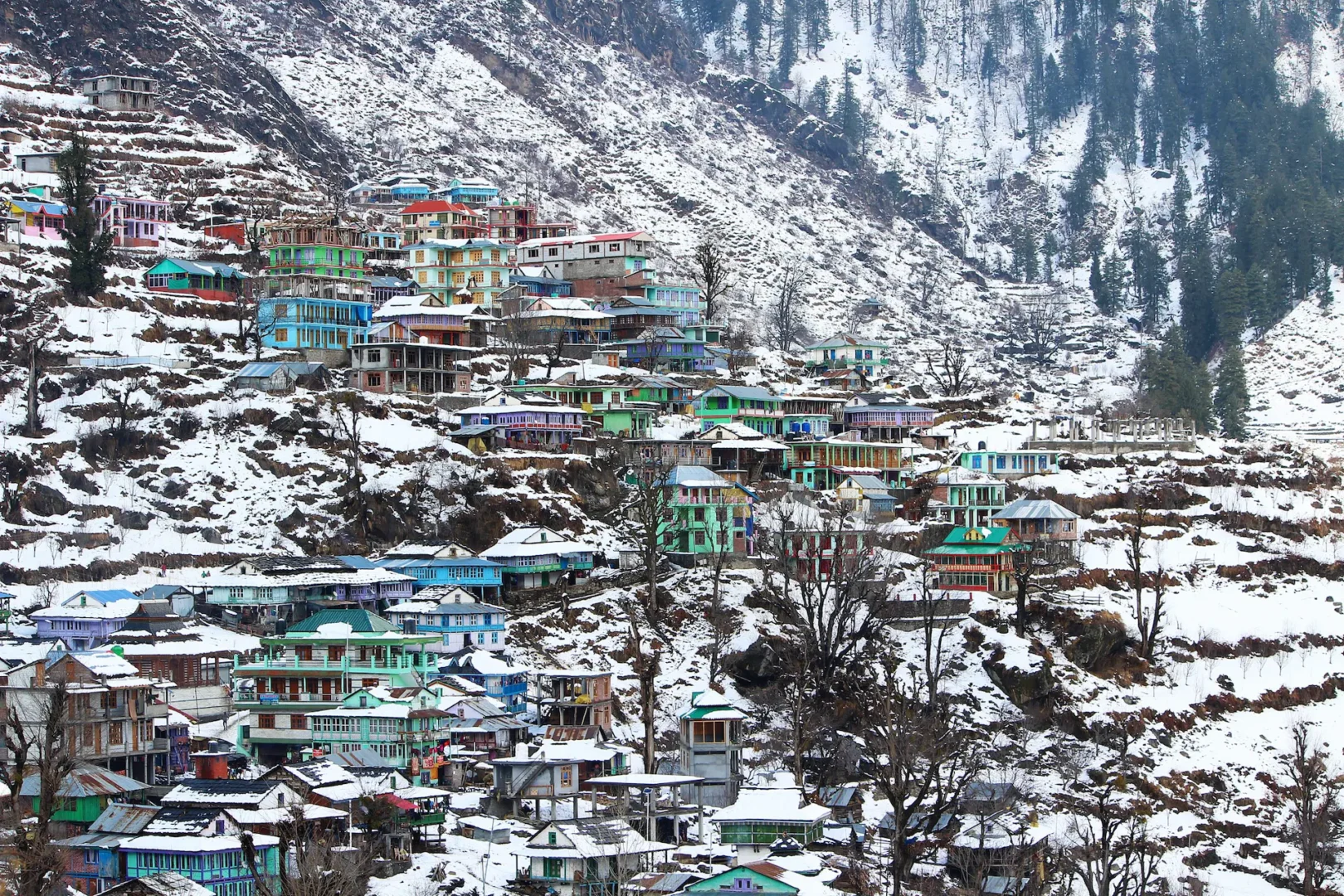
Kasol Tour Package:, nestled deep within the Parvati Valley of Himachal Pradesh, is more than just a backpacker haven; it is a cultural crossroads, a spiritual crucible, and an unparalleled natural retreat. It has earned its fame not through organized tourism but through a free-spirited, word-of-mouth reputation that has attracted travellers, artists, and seekers from across the globe, especially a significant contingent from Israel, giving it its famous nickname: "Little Israel of India."
The Geographic and Natural Sanctuary
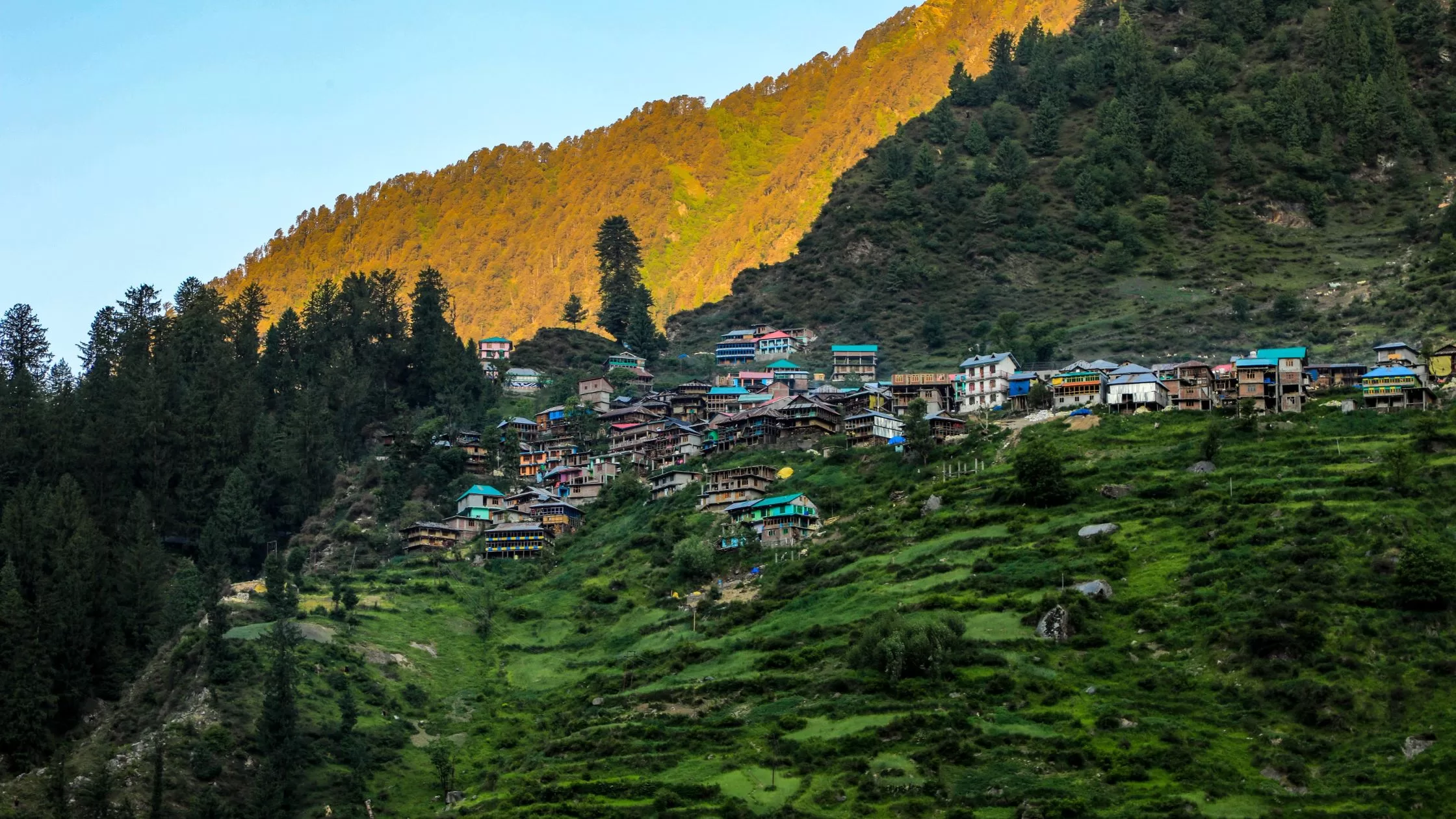
Kasol is situated at an altitude of approximately 5,300 feet (1,640 meters) along the banks of the mighty Parvati River, which carves its path from the melting glaciers high above. The town serves as the central hub for the entire upper Parvati Valley, connecting key trekking destinations like Malana, Kheerganga, and Tosh.
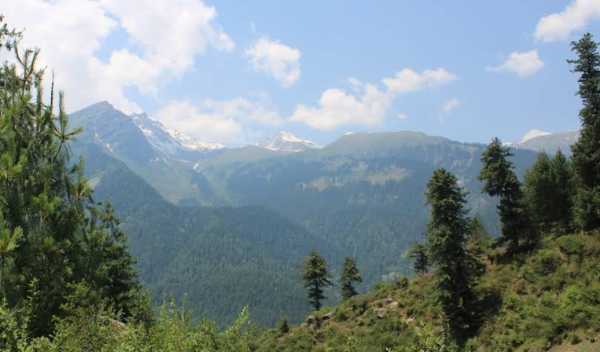
The landscape is overwhelmingly beautiful: towering peaks crowned by snow, dense forests of deodar and pine, and clear, glacial waters. This geographical placement makes it a base camp for some of the most rewarding and challenging Himalayan treks.
The Cultural Crossroads
What truly defines Kasol is its unique cultural fusion. The heavy influence of Israeli tourism, which began decades ago, has resulted in a fascinating blend of Himachali tradition and global counter-culture.
- Cuisine: You'll find menus featuring Shakshouka and Hummus alongside traditional Siddu and Rajma Chawal.

- Language: Hebrew is widely understood by shopkeepers and café owners.
- Vibe: The atmosphere is laid-back, bohemian, and non-judgmental, making it extremely attractive to solo travellers, artists, and those seeking an escape from mainstream life.
How to Reach Kasol
Reaching Kasol is an essential part of the adventure, involving a long drive through winding roads that offer continuously escalating scenic beauty.
By Road (The Himalayan Drive)
The most common mode of access is by road, connecting Kasol to major cities via the Manali-Kullu highway.
- Overnight Bus to Bhuntar: Take an overnight Volvo or HRTC (Himachal Road Transport Corporation) bus from Delhi or Chandigarh heading towards Manali.
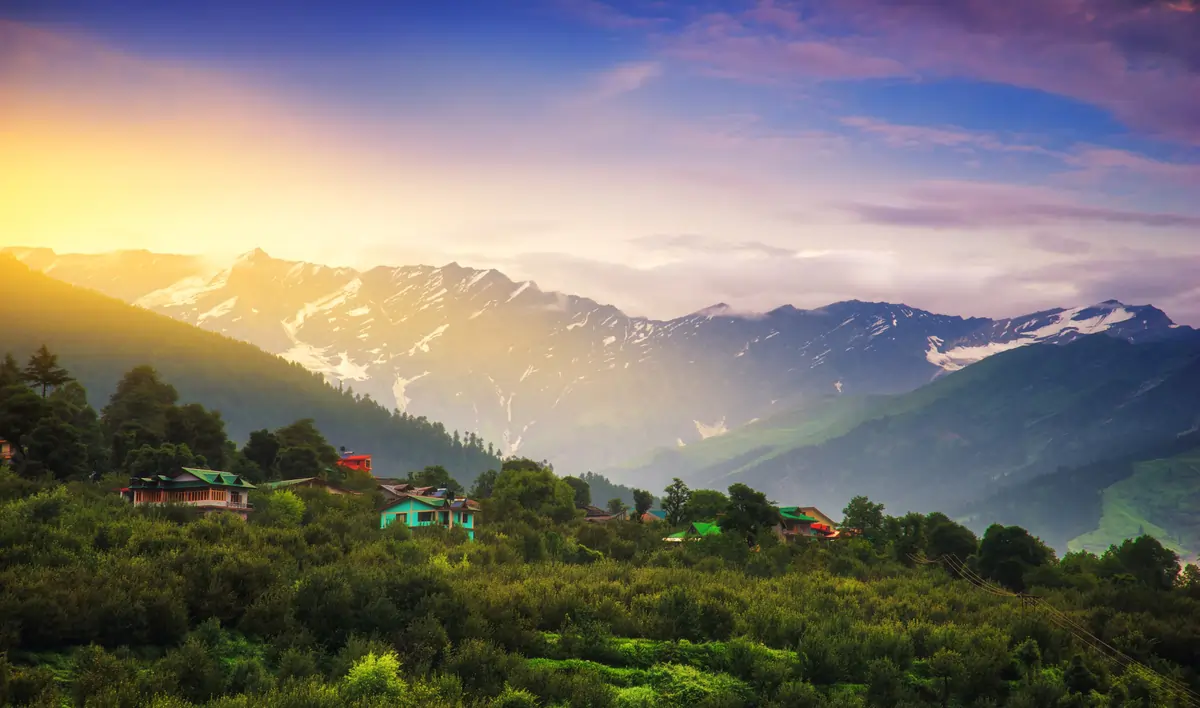
- The Drop-off at Bhuntar: The journey's crucial transfer point is Bhuntar, a small town just south of Kullu. The total bus journey is typically 12–14 hours from Delhi.
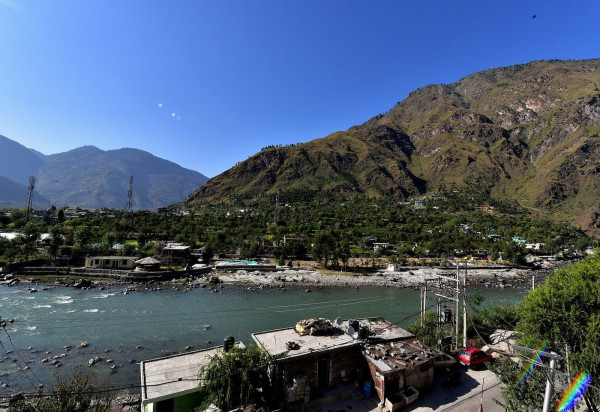
- Bhuntar to Kasol: From Bhuntar, the road branches off into the Parvati Valley. The final 30-kilometre stretch to Kasol takes approximately 1 to 1.5 hours. You can easily hire a local taxi or catch a local bus (which is much cheaper) directly to Kasol. The drive itself is spectacular, running alongside the fierce Parvati River.
By Air (The Quickest Option)
- Nearest Airport: Kullu-Manali Airport (KUU) at Bhuntar.
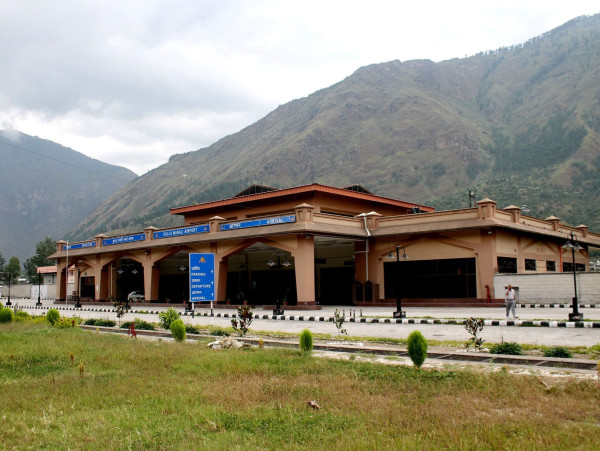
- Bhuntar to Kasol: Bhuntar is about 31 km from Kasol. Taxis are readily available at the airport to complete the final leg of the journey. This is the fastest way, but flight regularity can be subject to mountain weather conditions.
By Train (Not Recommended)
The nearest major railway station is Chandigarh (around 270 km away). Due to the lack of direct rail links to the mountains, combining the train with the long final road journey is usually less efficient than taking an overnight bus.
Best Time to Visit Kasol
Kasol offers something unique in every season, but the best time depends entirely on whether you prefer warmth and trekking or cold and snow.
The Prime Season (April to June)
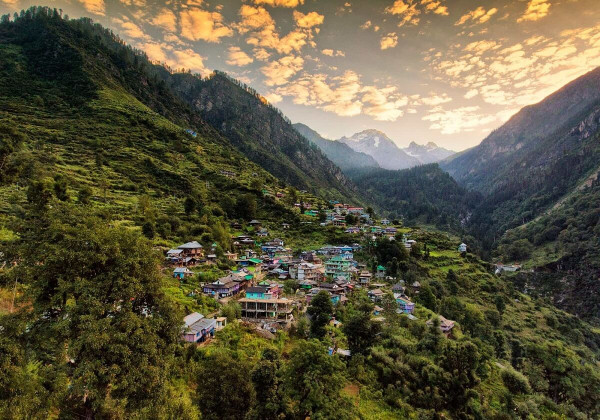
- Weather: Exceptionally pleasant and mild, with temperatures between 15°C and 25°C.
- Why Visit: This is the most popular time. The weather is perfect for all major treks (Kheerganga, Malana, Tosh) and day hikes. The valley is lush, and the river is accessible. Cafes and guesthouses are fully operational.
The Monsoon (July to August)
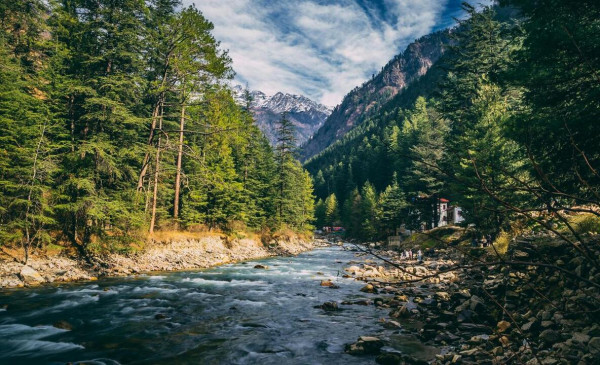
- Weather: Humid and prone to heavy, unpredictable rainfall.
- Why Visit: The valley is at its most vibrant and green, but trekking can be slippery and risky. Road travel should be done with caution due to possible landslides. This is the quietest time, offering a meditative atmosphere for those who seek solitude and are prepared to stay indoors.
Autumn (September to November)
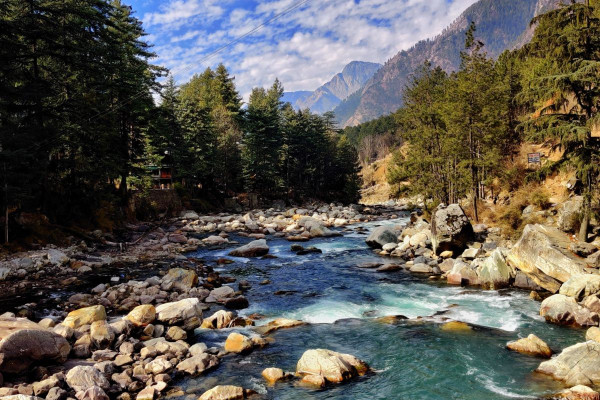
- Weather: Crisp, cool, and highly rewarding, with temperatures ranging from 5°C to 20°C.
- Why Visit: Post-monsoon skies are crystal clear, offering the best views of the high peaks. The air is clean, and the trekking conditions are excellent. This is considered by many locals to be the most beautiful time for photography and long walks.
Winter (December to March)
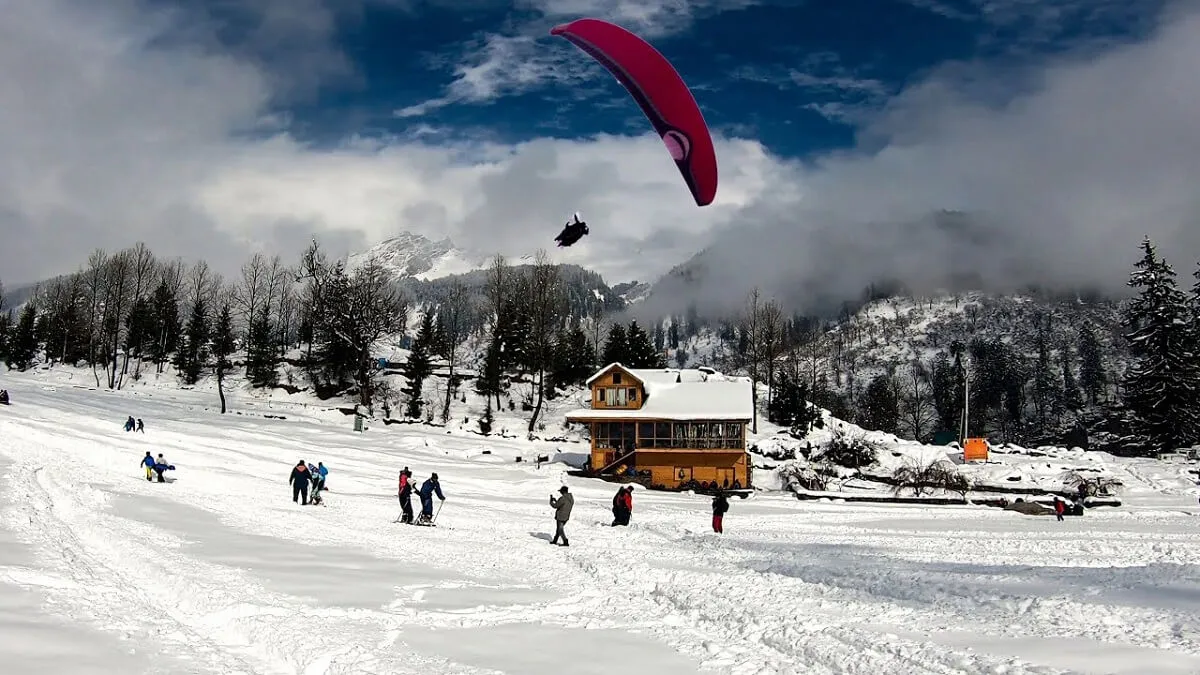
- Weather: Cold to freezing, with heavy snowfall common, especially from January onward.
- Why Visit: Kasol transforms into a winter wonderland. While trekking is limited (Kheerganga is usually closed or very difficult), the valley offers an incredibly cozy, snowy retreat. This is the time for quiet moments, bonfires, and enjoying the unique winter quietude.
Must-Do Activities and Treks
The charm of Kasol lies in its potential for both extreme adventure and deep relaxation. The true experience involves using Kasol as a comfortable base to explore the untouched corners of the valley.
Trekking into the Wilderness (The Valley Trails)
The Parvati Valley is a trekker's dream, offering trails that range from half-day walks to multi-day high-altitude expeditions.
- Kheerganga Trek: This is the most iconic trek from Kasol. It is a moderate 12–14 km hike (one way), typically taking 5–6 hours to ascend. The reward is the summit, featuring natural hot water springs where travellers can bathe while gazing at the snow-capped mountains. It’s a truly surreal experience that perfectly captures the spirit of the Himalayas.
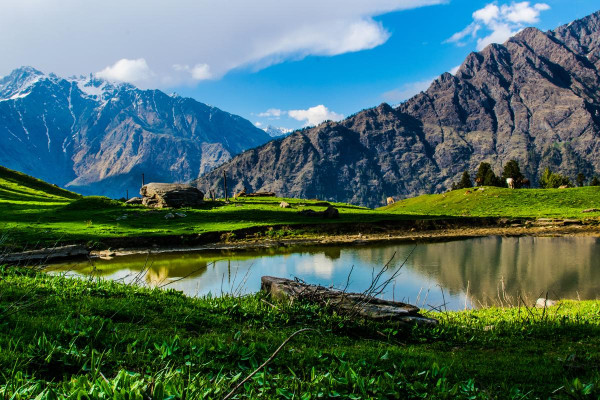
- Tosh Village Excursion: A short but rewarding drive or hike from Kasol, Tosh is the last village in the Parvati Valley accessible by road. It is famed for its traditional Himachali wooden houses and offers majestic, unobstructed views of the surrounding peaks, including the formidable Pin Parvati Pass.
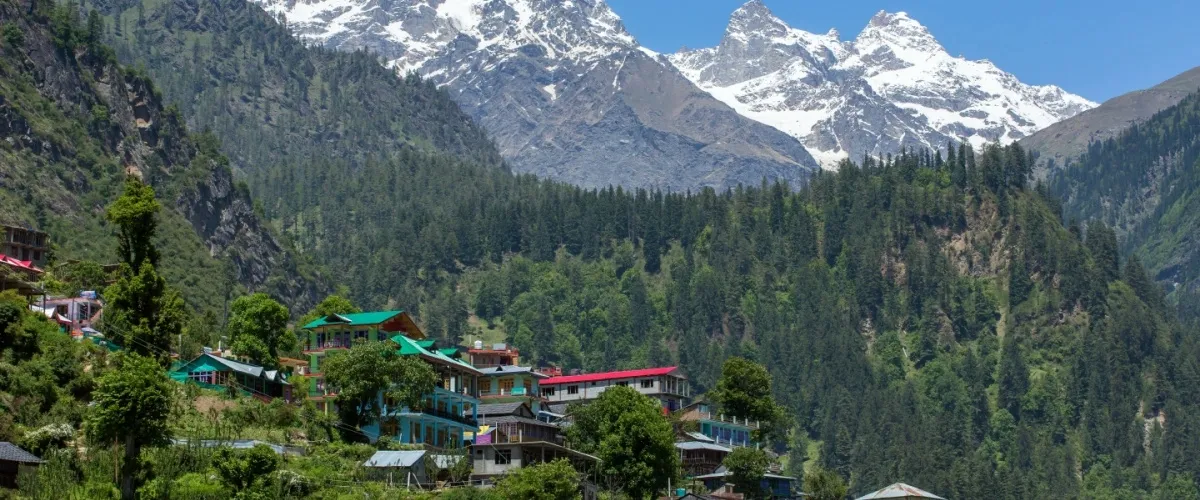
- Malana Village: Known as one of the world's oldest democracies, this isolated village has a distinct culture, dialect, and strict set of laws (touching people or property is forbidden). The trek to Malana offers a fascinating glimpse into an isolated culture. It requires respect for local customs, but the views are spectacular.
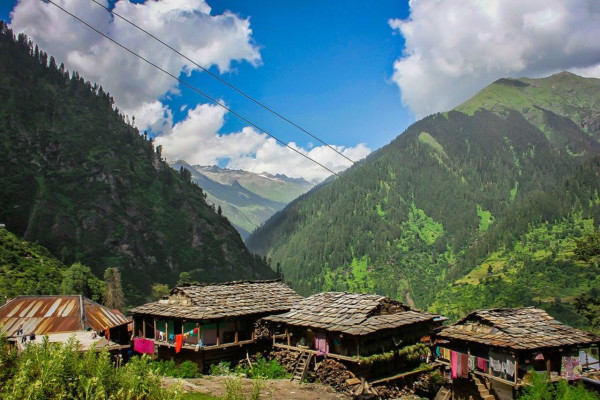
- Grahan Village Trek: A quieter, lesser-known trek from Kasol. This village has traditionally preserved itself from outside influence (it was a complete no-alcohol zone until recently). The trail is peaceful and offers a glimpse into authentic, untouched Parvati Valley village life.
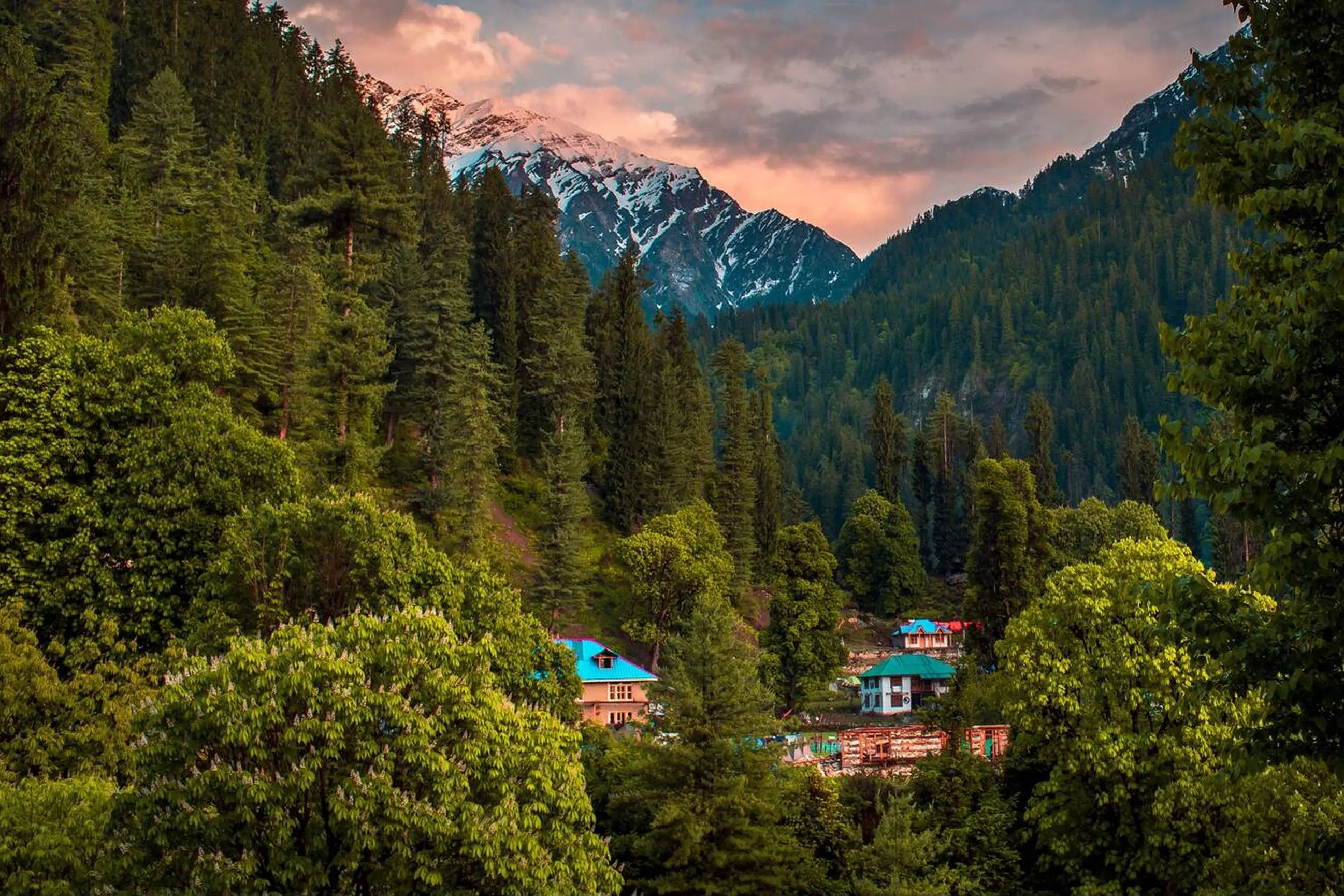
Relaxation and Culinary Immersion
The core of the Kasol experience is its culture of slow living, centered around its river-side cafes.
- Café Hopping: Kasol is famous for its eclectic cafe culture. Spend hours relaxing on cushioned benches overlooking the river, enjoying a blend of international and Indian comfort food. Look for authentic Israeli dishes like Falafel, Hummus, and Malawach (a flaky Yemeni bread), alongside excellent local coffee.
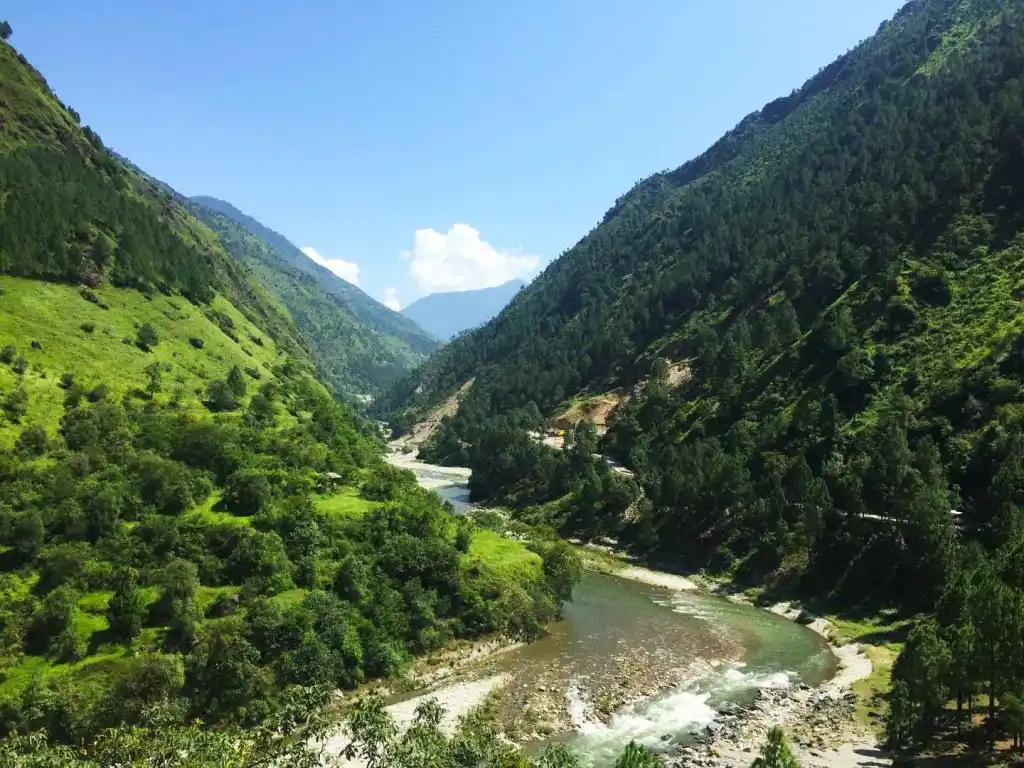
- Riverside Walks (Nagini and Chalal): Take a quiet walk along the trail that hugs the Parvati River to the picturesque villages of Chalal and Nagini. These walks are meditative, crossing old wooden bridges and offering perfect spots for riverside reading or photography. Chalal, in particular, has become a small, quieter version of Kasol.
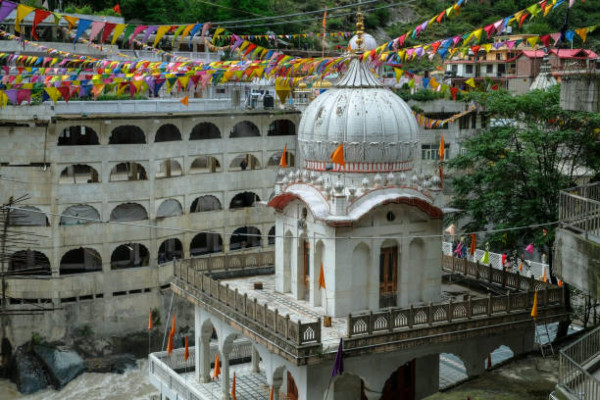
- Manikaran Sahib Gurudwara: Just 4 km from Kasol, this is a highly sacred pilgrimage site for both Sikhs and Hindus. The complex is known for its powerful natural hot springs used to cook food for the Langar (community kitchen). Visiting provides a profound connection to the region's spiritual history.
Adventure and Wellness
- River Activities: When the river is calmer (late spring/early autumn), you can safely enjoy river crossing activities run by local adventure groups, often accompanied by rappelling and small rock-climbing sessions.
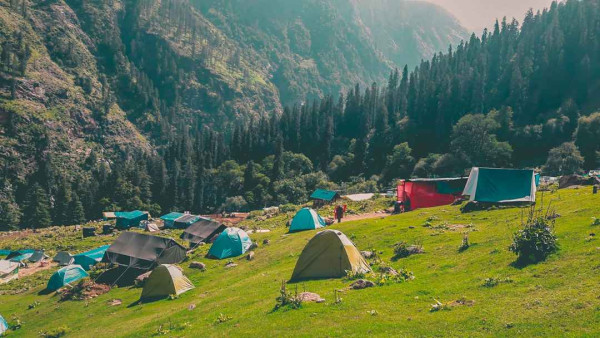
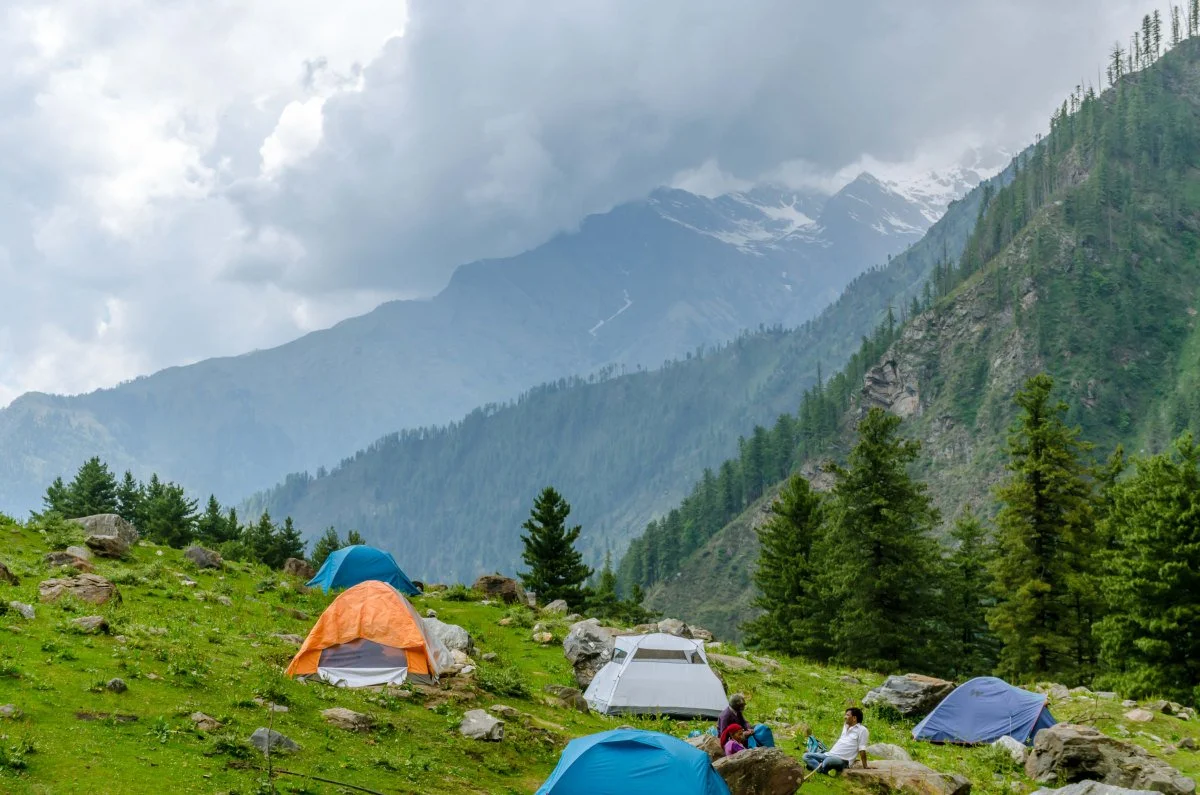
- Camping and Bonfires: Given the low light pollution, camping and stargazing is a must. Numerous campsites along the river offer dome tents and bonfire setups, allowing you to immerse yourself fully in the valley's serene nighttime beauty.
Nearby Places to Visit
Kasol is the hub, but the true wealth of the experience lies in its immediate surroundings. These spots can be easily covered as day trips or short overnight stays.
The Beautiful Hamlets (Within 1 hour)
- Pulga and Kalga: Located a short drive and subsequent forest walk from Barshaini (the starting point for Kheerganga), these two tiny hamlets are famous for their unique charm and isolation. Pulga, known for its wooden fairy-tale-style houses, and Kalga offer completely detached, pristine mountain experiences far removed from even Kasol’s modest bustle. These are perfect for digital detox.
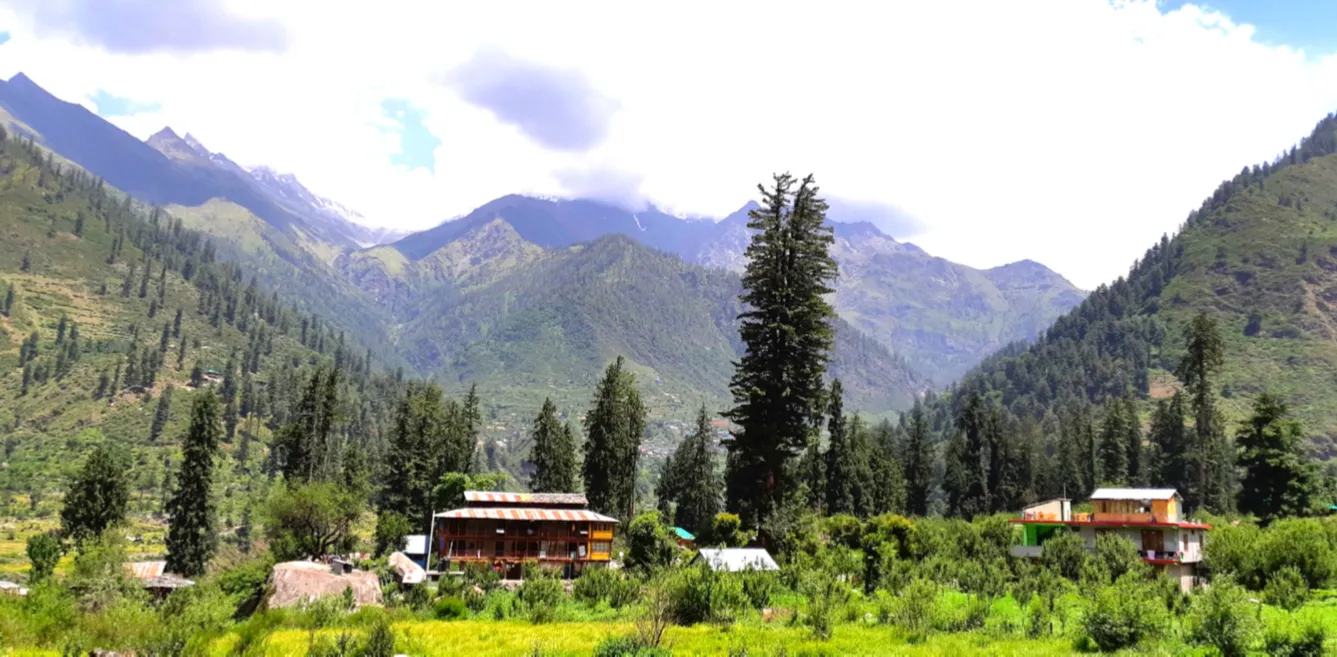
- Rasol: Located across the river from Malana, Rasol requires a challenging hike but rewards visitors with a stunning view of the entire valley and a glimpse into another unique, traditional village culture.
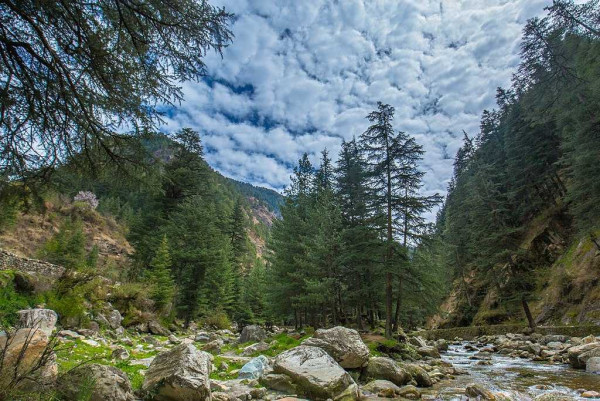
The Valley's End (Barshaini)
Barshaini is the final roadhead in the valley, just before the path to the high peaks. It’s the gateway to the most famous treks:
- Kheerganga: Starts here.
- Tosh: The road to Tosh branches off just before the main Barshaini hub.
The History and Culture Hub (Manikaran)
- Manikaran Sahib: As mentioned, this is a non-negotiable spiritual stop. The sheer volume of steam rising from the hot springs and the sight of devotees cooking rice in the geothermal vents is unforgettable. The Langar offers a true taste of Sikh community service.
The Kasol Ethos: Travelling with Respect and Intent
The enduring appeal of Kasol is its preserved authenticity, a factor highly dependent on the respect shown by its visitors. To ensure your content experience is genuine and sustainable, consider the following traveler's ethos:
- Support Local: Choose homestays and locally-run guesthouses over large hotels. Buy local produce and crafts from small vendors. This ensures the economic benefits directly reach the Kumaoni and Himachali families who maintain the valley's ecosystem.
- Respect Cultural Isolation: When visiting villages like Malana, adhere strictly to their customs. Do not touch their temples, homes, or people unless explicitly invited. Viewing their way of life from a respectful distance is part of the experience.
- Embrace the Simplicity: Kasol is not about luxury resorts or fast-paced sightseeing. It is about slowing down, hiking, reading, and contemplating. The simple, locally-sourced food and lack of high-end amenities are intentional, designed to keep the focus on nature.
Top Things to Do & Activities in Kasol
Discover a world of unforgettable experiences and top activities at this destination! Whether you’re seeking adventure, cultural immersion, relaxation, or family fun, find the best things to do—from sightseeing and outdoor adventures to culinary delights, spiritual journeys, and local events. Enjoy every moment and make your trip truly memorable!