Discover Amazing Manali
Manali, a popular hill station in Himachal Pradesh, is easily accessible from major cities like Delhi and Chandigarh. Travelers can reach by road via the scenic NH3, by train up to Joginder Nagar or Chandigarh, and by air through Bhuntar Airport. Each route offers breathtaking mountain views.
About This Destination
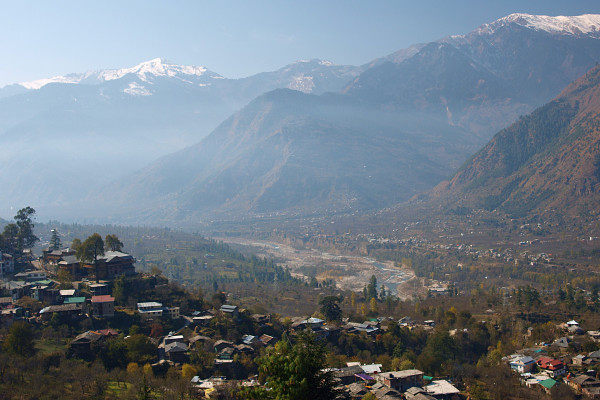
Manali sits quietly along the banks of the Beas River, surrounded by towering mountains and forests that feel alive in every season. It’s a place where crisp air, winding roads, and distant snow peaks instantly slow your thoughts. Beyond the busy streets, Manali reveals moments of stillness early mornings by the river, pine-covered trails, and evenings wrapped in cold mountain calm. People come here for many reasons, but stay for the feeling it leaves behind: a sense of escape, comfort, and connection with the mountains that’s hard to put into words
How To Reach Manali
The journey to Manali is a core part of the experience. It forces you to slow down and transition from the flatland hustle to the mountain mindset.
By Road:
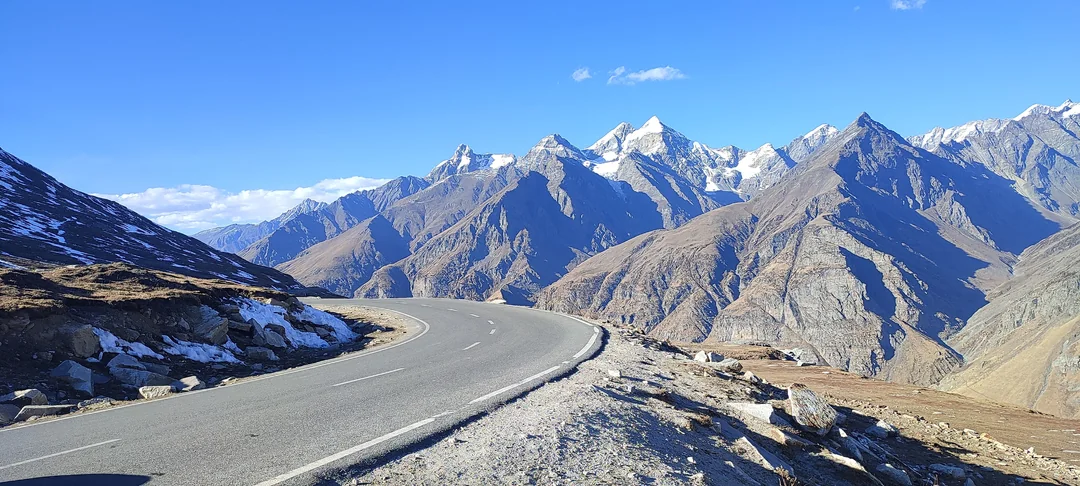
This is the most common route, usually originating from Delhi or Chandigarh. It's a marathon, not a sprint (12-14 hours from Delhi).
- The Vibe: When you leave the plains and enter Himachal Pradesh, you start playing the game of 'River Watch.' The Beas River becomes your constant, winding companion. The air cools dramatically around Mandi, and the final stretch, climbing into the valley, is your first hit of genuine, awe-inspiring mountain majesty.
- A Crucial Tip: Book an overnight Volvo that aims to arrive before 7:00 AM. This lets you bypass the brutal, bumper-to-bumper traffic snarls that plague the Manali town entrance between 8 AM and 11 AM. You gain an extra two hours of peace just by being an early riser!
By Air
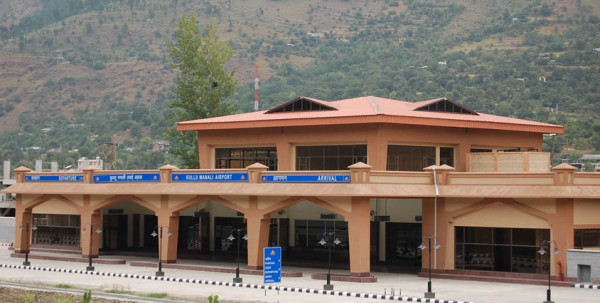
The nearest airport is Kullu Manali Airport (KUU) at Bhuntar, about 50 km from Manali.
- The Experience: Flying into the valley is dramatic the hills feel impossibly close, the descent quick and thrilling. Be prepared for flight delays or cancellations, as the short runway and weather conditions can be challenging.
- The Transfer: From Bhuntar, you must hire a taxi. The 1.5-to-2-hour drive is beautiful, taking you straight up the valley floor to the town.
By Rail
There is no direct railway station in Manali. The best approach is to take a train to Chandigarh (CDG) and then hop onto a reliable overnight bus or hire a cab for the final 8-10 hours. It breaks the journey nicely and is less tiring than the non-stop road trip from Delhi.
Manali isn't one place; it's a triangle of experiences, and knowing where to stay defines your entire trip.
1. New Manali (The Hub)
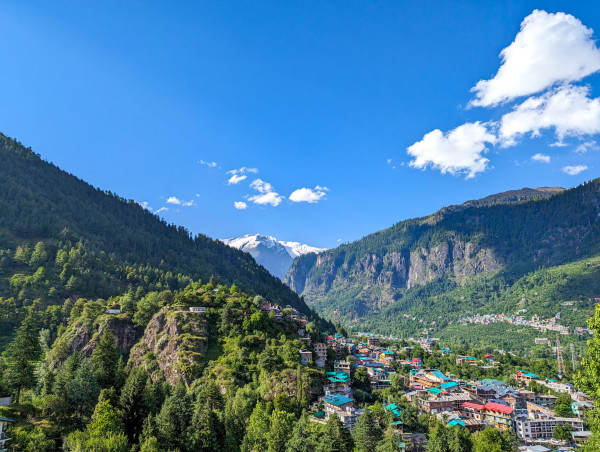
This is the area around Mall Road. It’s loud, commercial, and vital for logistics (bus stops, banks, major hotels). It's the place you land, but not the place you linger. It's necessary noise before the quiet begins.
2. Old Manali (The Soul)
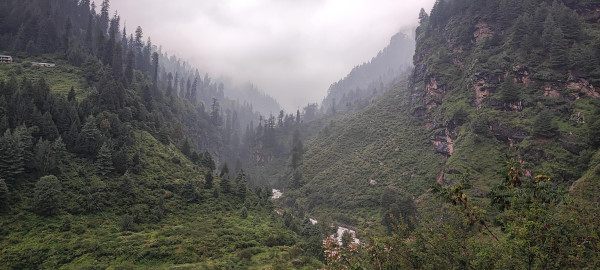
Cross the bridge over the Manalsu River, and the air changes. Old Manali is a world of winding lanes, apple orchards, and traditional stone-and-wood homes. It's bohemian, with Israeli cafes, international travelers, and a distinct, mellow energy. It’s the perfect base if you want to swap traffic horns for the distant rush of the river.
3. Vashisht Village (The Retreat)
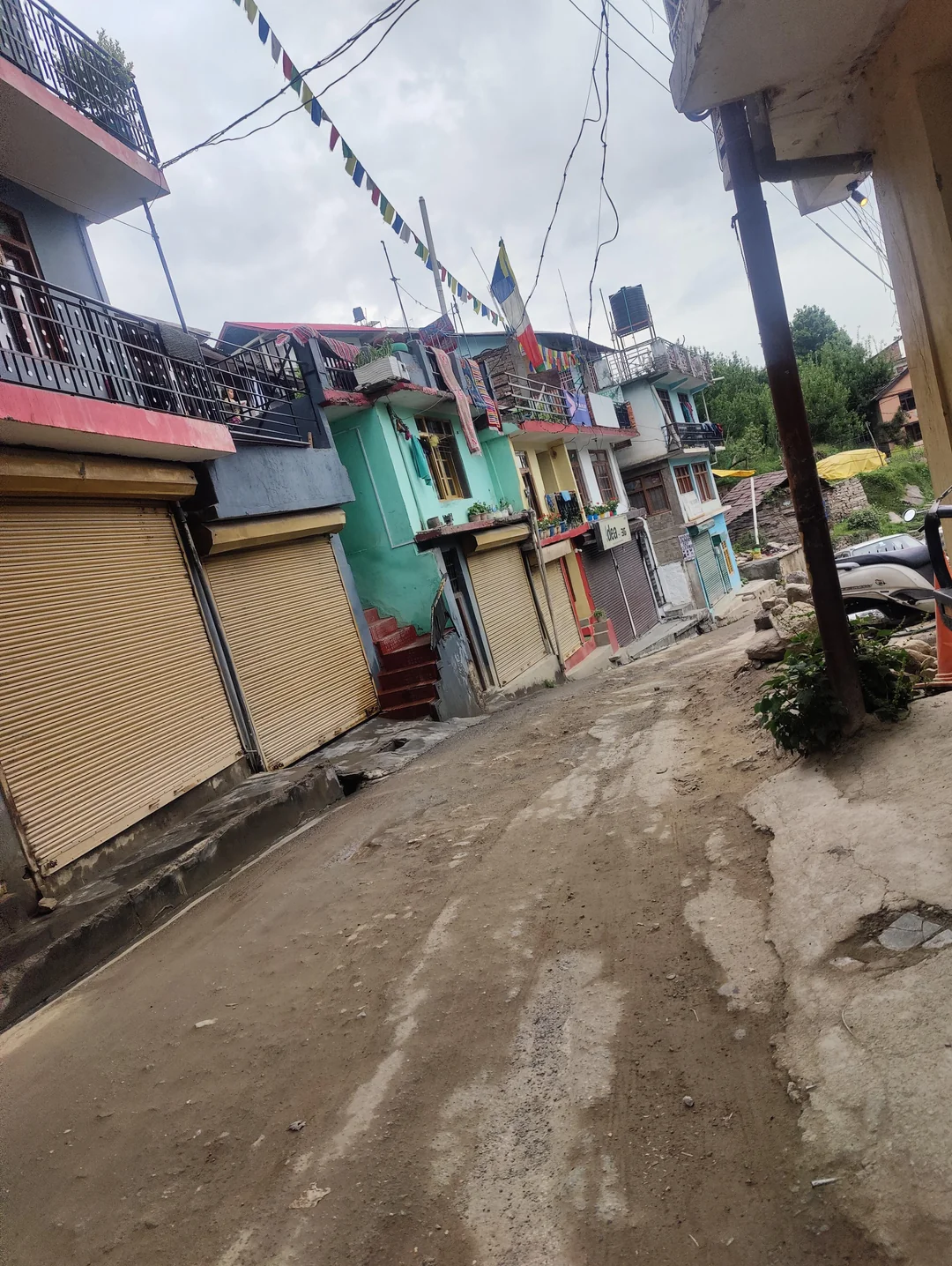
Just across the Beas River, this spiritual hamlet is renowned for its natural hot sulphur springs. It’s quieter than Old Manali, focused on temples, simple guesthouses, and the therapeutic ritual of soaking in the mineral-rich waters while watching the snow-peaks loom above.
When to Go
Manali transforms completely with the seasons. Choose your time based on the landscape you want to fall in love with.
- The Green Bloom (March – June): This is the classic, most popular season. The weather is perfect cool days, pleasant sunshine. It’s ideal for paragliding, river rafting, and easy trekking before the rains hit. Expect crowds, but also the best accessibility to all major sites.
- The Golden Silence (Mid-September – October): This is arguably the best window. The monsoon has cleared, leaving the air impossibly crisp and the skies a piercing blue. The famous apple orchards are turning gold and red, and the mountain views are sharpest. Crucially, the high-altitude passes are still open for epic road trips without the peak season rush.
- The White Cocoon (December – February): This is for the true winter lover. Manali turns into a snowy haven. The main passes close, and the pace of life slows. It’s perfect for snow sports, cozy cafe days, and experiencing genuine snowfall (often in late December and January). Book a guesthouse with a fireplace and settle in.
The Manali Experience
To find the "freshness," you have to seek experiences that rely on nature, not infrastructure.
1. The Local Treks
The real joy of Manali is that major treks start right outside your door. Forget the tourist jeeps; lace up your boots.
- The Jogini Falls Trek (Easy to Moderate): Starting from the Vashisht Temple, this 45-minute trek takes you through small pine forests and apple orchards, following a clear stream until it cascades down as the Jogini Waterfall. It’s a rewarding, half-day hike that offers incredible views of the Beas Valley and the peaks surrounding Solang.
- The Lamadugh Trek (Moderate Day Hike): Starting near the Hadimba Temple, this is a tougher, uphill climb that takes you through dense cedar and oak forests. The payoff is a high-altitude alpine meadow (Lamadugh) with magnificent, unobstructed views of the Deo Tibba and Indrasan peaks. It's a fantastic option for solitude and serious photography.
- The Anjani Mahadev Trek: Located further up near Solang Valley, this site features a natural Shiva Lingam formed by ice. The short trek is an easy way to experience high-altitude views without committing to a multi-day expedition.
2. The Cultural Corners
- Old Manali Village: Just wander. Don't look at a map. Follow the scents of wood-fire smoke and hash smoke. You’ll find tucked-away traditional houses, small shops selling Bob Marley posters and handmade jewelry, and little temples that are hundreds of years old.
- Hadimba Devi Temple: Step into the surrounding Dhungri Forest. This 16th-century wooden temple, built in a pagoda style, feels ancient and calming, a world away from the town noise.
- Naggar Castle and Roerich Art Gallery: Take a day trip downriver to Naggar, the former capital of the Kullu Kingdom. The Naggar Castle is a stunning example of Kath Kuni (stone and wood) architecture. Nearby is the house and gallery of Nicholas Roerich, a Russian artist whose vivid paintings captured the magic of the Himalayas. It’s a perfect slice of art history and magnificent views.
3. The Adrenaline Dose (and the Necessity of Atal)
- Solang Valley: This is your adventure playground. In summer, it’s paragliding (soaring over the Beas River feels like freedom) and zorbing. In winter, it’s skiing and snow scootering.
- The Atal Tunnel: While Rohtang Pass is iconic, the traffic chaos can steal days of your trip. The Atal Tunnel, a nearly 9-km marvel, has revolutionized travel, offering fast, safe access to the stark, stunning landscapes of Lahaul and Spiti. Drive through it, even if just to the town of Sissu on the other side. The moment the lush green of Kullu instantly turns into the cold desert of Lahaul is genuinely mind-blowing.
The Food Scene
This is the most underrated part of the Manali experience, particularly in Old Manali. The fusion food is spectacular.
- The Bohemian Cafes: Spend your evenings at riverside gems like Cafe 1947 or The Lazy Dog Lounge. The menus are heavily influenced by Israeli backpackers, so you’ll find delicious Shakshuka, massive platters of Falafel and Hummus, excellent wood-fired pizzas, and strong coffee.
- The Real Local Meal: Don't leave without trying the local Himachali Thali. Head to a small, unassuming dhaba away from the main streets. Look for dishes like Siddu (a thick, fermented bread served with ghee or mutton/vegetable curry) and Trout Fish (Manali's famous river catch, often simply grilled with butter and herbs). This is the warm, wholesome food designed to sustain you through mountain cold.
- A Personal Obsession: Find a small German Bakery (they are everywhere, especially in Old Manali) and grab a giant slice of their rich, dense Chocolate Walnut Cake or a warm apple crumble. Paired with a cup of piping hot ginger-lemon-honey tea, it’s the perfect afternoon ritual.
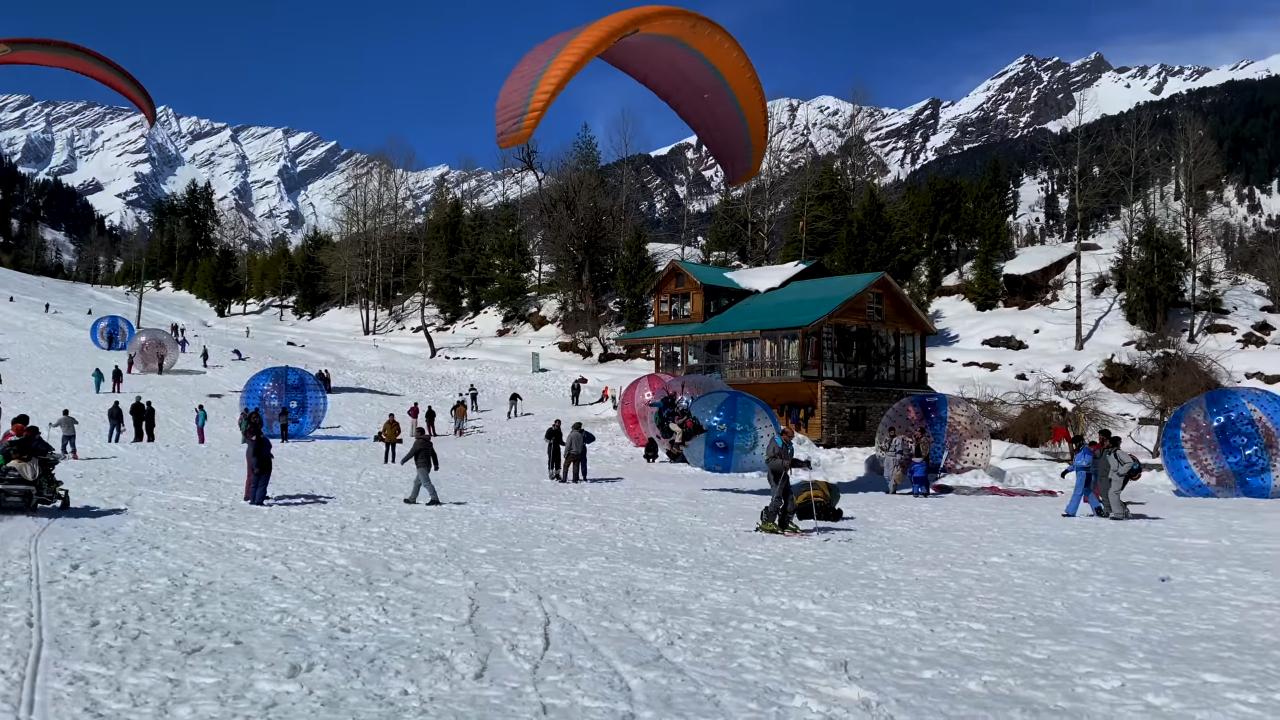
Top Things to Do & Activities in Manali
Discover a world of unforgettable experiences and top activities at this destination! Whether you’re seeking adventure, cultural immersion, relaxation, or family fun, find the best things to do—from sightseeing and outdoor adventures to culinary delights, spiritual journeys, and local events. Enjoy every moment and make your trip truly memorable!