Discover Amazing McLeod Ganj
McLeod Ganj, near Dharamshala in Himachal Pradesh, is known for its Tibetan culture, monasteries, and stunning mountain views. It’s accessible by road, train, and air, offering travelers a peaceful retreat surrounded by nature and spirituality.
About This Destination
McLeod Ganj is an enchanting hill station, often referred to as "Little Lhasa," nestled in the upper reaches of Dharamshala in the Kangra district of Himachal Pradesh, India. It's a place where the majestic Dhauladhar Range of the Himalayas provides a dramatic backdrop to a vibrant, unique cultural landscape. The town serves as the official residence and headquarters of the Tibetan Government-in-Exile and of His Holiness, the 14th Dalai Lama, Tenzin Gyatso. This pivotal role has cemented McLeod Ganj's status as one of the most significant centers of Tibetan Buddhism and culture outside of Tibet.
Overview: A Blend of Cultures and Spirituality
The town of McLeod Ganj is much more than a scenic mountain retreat; it's a living, breathing confluence of Tibetan and Indian cultures, overlaid with the remnants of its British colonial past. Named after Sir Donald Friell McLeod, a former Lieutenant Governor of Punjab, its spiritual and political importance escalated dramatically after 1959 when the Dalai Lama and thousands of Tibetan refugees sought refuge here following the Chinese annexation of Tibet.
The atmosphere in McLeod Ganj is saturated with a palpable sense of resilience, spirituality, and artistic tradition. The central market buzzes with a captivating mix of Tibetan handicrafts, colorful prayer flags, Buddhist monasteries, and cafes serving authentic Tibetan and international cuisine. The air frequently carries the low, resonant sound of monastic chants and the gentle flutter of prayer flags (Lungta) against the backdrop of the towering, snow-capped peaks of the Dhauladhar. It’s a haven for pilgrims, trekkers, and travelers seeking solace, spiritual learning, and a deeper understanding of Tibetan history and the ongoing struggle for freedom. The elevation, around 2,082 meters (6,831 feet), ensures pleasant weather and stunning panoramic views of the Kangra Valley below, making it an idyllic destination for both introspection and adventure.
How to Reach McLeod Ganj
Reaching this mountain sanctuary involves a journey that winds through the beautiful Kangra Valley, with several convenient options available across different modes of transport.
By Air
The Gaggal Airport (DHM), also known as Kangra Airport, is the closest airhead, situated approximately 20-30 kilometers from McLeod Ganj. It operates flights, primarily connecting to major metropolitan cities like New Delhi and Chandigarh. From the airport, one can easily hire a pre-paid taxi or a local cab to cover the remaining distance to McLeod Ganj. The drive is relatively short and scenic, giving you your first glimpses of the mountainous terrain.
By Train
The nearest broad gauge railway station is Pathankot Cantt (Chakki Bank) or Pathankot Junction (PTK), located about 85-90 kilometers away. Pathankot is a major railhead well-connected to various parts of India, including Delhi, Mumbai, and Kolkata. From Pathankot, you can hire a private taxi, take a local or state-run bus to Dharamshala, or even take the charming, slow-moving Kangra Valley Railway (a narrow gauge line) up to Kangra Mandir or Nagrota Bagwan, though a bus or taxi is generally recommended for faster onward travel to McLeod Ganj.
By Road
Road travel is the most popular and often the most straightforward way to reach McLeod Ganj. It is about 490 kilometers from New Delhi and approximately 250 kilometers from Chandigarh.
- Bus: Overnight Volvo and state-run (HRTC/HPTDC) buses frequently ply from major cities like Delhi (from ISBT Kashmiri Gate) and Chandigarh directly to Dharamshala, or sometimes directly to McLeod Ganj. The overnight journey from Delhi is a comfortable and economical option.
- Taxi/Self-Drive: One can hire a private taxi from Delhi, Chandigarh, or Pathankot, or choose to drive their own vehicle. The roads, while winding, are generally well-maintained, but navigating the final stretch from Dharamshala to McLeod Ganj can be steep and busy.
Once you reach McLeod Ganj, the town is best explored on foot, as the central area is compact and walking allows you to fully absorb the unique atmosphere.
Best Time to Visit McLeod Ganj
McLeod Ganj is a year-round destination, each season offering a distinctly different experience. The shoulder seasons of spring and autumn are generally considered the best times to visit.
- Summer (March to June): This is the peak tourist season. The weather is wonderfully pleasant and breezy, with temperatures ranging from 15 °C to 25 °C. This period is ideal for trekking, sightseeing, and outdoor activities as the skies are clear, offering spectacular views of the snow-capped Dhauladhar peaks.
- Monsoon (July to September): The town receives moderate to heavy rainfall, which can sometimes lead to slippery roads and trekking trails, and occasional travel disruptions. However, this season transforms the landscape into a lush, misty green paradise. It is the off-season, meaning fewer crowds and lower accommodation prices, making it a good time for budget travelers and those who enjoy the ethereal beauty of the hills shrouded in mist.
- Winter (October to February): This season is characterized by a significant drop in temperature, with daytime averages between 0 °C and 10 °C, often dipping below freezing at night. December to February brings the excitement of fresh snowfall, turning the area into a stunning, picturesque winter wonderland. This is the best time for snow lovers and experiencing the International Himalayan Festival and Tibetan New Year celebrations (Losar). While trekking may be challenging due to snow, the spiritual and cultural ambiance is at its peak.
Activities to Do in McLeod Ganj
The activities in McLeod Ganj cater to a wide range of interests, from deep spiritual and cultural immersion to thrilling high-altitude trekking.
Spiritual and Cultural Immersion
- Visit the Tsuglagkhang Complex: This is the heart of the Tibetan community in exile. It houses the residence of the Dalai Lama, the Tsuglagkhang Temple (Dalai Lama Temple), Namgyal Monastery, and the Tibet Museum. Walk the Kora Circuit, a spiritual circumambulation path around the complex, often performed by pilgrims, spinning the large prayer wheels and soaking in the peaceful, meditative atmosphere.
- Explore the Tibet Museum: Delve into the poignant and compelling story of the Tibetan people's struggle for freedom and their history. The museum’s exhibits, photographs, and artifacts are deeply moving and educational.
- Discover Norbulingka Institute: A short drive away, this beautiful institute is dedicated to preserving Tibetan art and culture. You can witness artisans practicing traditional Tibetan arts like Thangka painting, metalwork, and woodcarving, set amidst serene Japanese-style gardens.
- Attend a Teachings or Meditation Session: Numerous centers offer introductory courses in Tibetan Buddhism, meditation, and philosophy, providing a unique opportunity for introspection and learning.
- St. John in the Wilderness Church: An Anglican church built in 1852, known for its beautiful Neo-Gothic architecture and Belgian stained-glass windows, standing as a quiet remnant of the British Raj.
Adventure and Nature
- Trek to Triund Hill: The most famous and accessible trek. A moderate 9-kilometer trail from McLeod Ganj (starting near Dharamkot or Gallu Devi Temple) leads to a stunning hilltop offering unrivaled, 180-degree panoramic views of the Dhauladhar peaks on one side and the Kangra Valley on the other. An overnight camp under the stars here is a truly memorable experience.
- Bhagsunag Falls and Temple: A short, uphill walk from McLeod Ganj leads to the ancient Bhagsunath Temple, dedicated to Lord Shiva. Continuing past the temple, a well-marked path takes you to the stunning Bhagsunag Waterfalls, where the cascading water forms a natural pool.
- Hike to Dharamkot: Often dubbed the "Yoga Village," this small village sits a little higher than McLeod Ganj and is known for its serene, hippie-influenced vibe, yoga and meditation centers, and lovely cafes. It also serves as the starting point for the Triund trek.
- Trek to Kareri Lake or Indrahar Pass: For more seasoned trekkers, these are demanding, multi-day excursions that offer a deep dive into the remote, pristine Himalayan wilderness.
- Naddi View Point: A spot nearby offering a majestic, sweeping view of the high peaks, especially beautiful during sunset.
Food and Shopping
- Indulge in Tibetan Cuisine: Sampling authentic momos, thukpa, thenthuk, and traditional Tibetan bread is a must. The town is famous for its myriad of delightful cafes and restaurants offering a wide range of global and local flavors.
- Shop at the Local Markets: The main market street is a treasure trove of authentic Tibetan artifacts, including silver jewelry, handcrafted carpets, singing bowls, Buddhist tankhas (scroll paintings), beautiful wool shawls, and prayer flags. Remember to support local Tibetan artisans.
Nearby Cities and Villages to Explore
The region around McLeod Ganj offers a host of complementary destinations, each adding a different flavor to your Himalayan journey.
- Dharamshala (approx. 10 km): The lower town, serving as the district headquarters, is the commercial and administrative center. Key attractions include the HPCA Cricket Stadium, a marvel of modern architecture set against the snowy mountains, and the bustling Kotwali Bazaar.
- Kangra (approx. 20 km): This historic town is home to the majestic Kangra Fort, one of the largest and oldest forts in the Himalayas, a site that tells tales of ancient dynasties and historical battles. Also nearby is the revered Brajeshwari Devi Temple.
- Bir-Billing (approx. 65 km): Widely celebrated as the Paragliding Capital of India and one of the world's best sites for the sport. Bir is also a significant center for spiritual studies, hosting the Deer Park Institute and several Tibetan monasteries, while Billing is the take-off site for paragliding. It’s perfect for adventure seekers.
- Palampur (approx. 35 km): Known as the "Tea Capital of North India," this quiet, less-commercialized hill station is surrounded by vast, emerald-green tea gardens with the Dhauladhar range providing an incredible backdrop. The Andretta Artists' Village nearby is a cultural hub for pottery and art.
- Dalhousie and Khajjiar (approx. 120 km): A little further afield, Dalhousie is a charming colonial-era hill station famous for its old-world architecture. Khajjiar, just 22 km from Dalhousie, is famously nicknamed 'Mini Switzerland' due to its lush, saucer-shaped meadow and dense deodar forest, making it a stunning day trip option.
McLeod Ganj is an experience that resonates long after you leave, a destination that offers a unique combination of mountain adventure, deep spirituality, and profound cultural exchange.
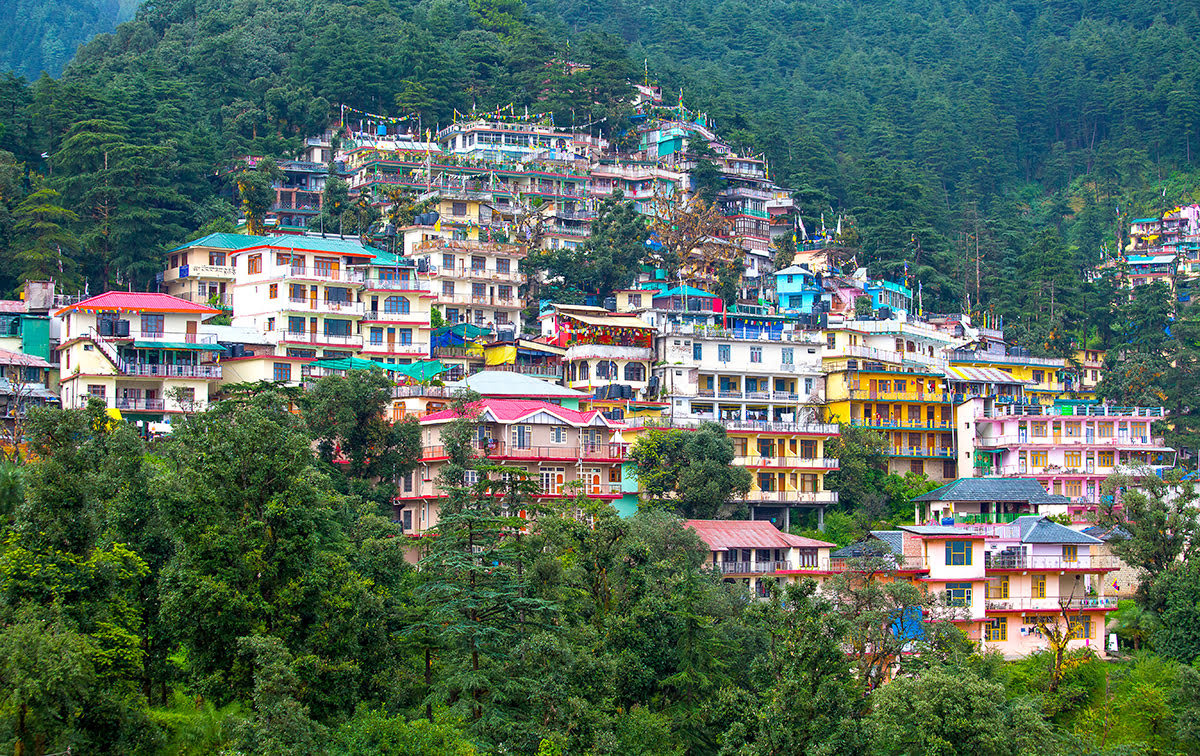
Top Things to Do & Activities in McLeod Ganj
Discover a world of unforgettable experiences and top activities at this destination! Whether you’re seeking adventure, cultural immersion, relaxation, or family fun, find the best things to do—from sightseeing and outdoor adventures to culinary delights, spiritual journeys, and local events. Enjoy every moment and make your trip truly memorable!