Discover Amazing Kochi
Explore the vibrant port city of Kochi, where scenic backwaters meet colonial heritage. Discover Fort Kochi's iconic fishing nets, stroll Jew Town's antique markets, and cruise tranquil waterways. Enjoy rich Kerala cuisine, cultural shows, and lively beaches in this multicultural South India.
About This Destination
Kochi (formerly Cochin) is not just a city; it is a sprawling, vibrant archipelago and a vital cultural nexus on India’s southwest coast. Often called the "Queen of the Arabian Sea," Kochi stands as a living, breathing testament to over six centuries of global trade, cultural exchange, and maritime history. It is a fusion of the traditional Kerala aesthetic with indelible imprints left by Chinese, Arab, Jewish, Portuguese, Dutch, and British settlers.
The true soul of Kochi resides in the historical neighborhoods of Fort Kochi and Mattancherry. Here, the scent of cloves and cardamom mingles with salt air, and you can witness iconic Chinese Fishing Nets beside colonial bungalows and ancient synagogues. A visit to Kochi is a step into a unique historical canvas, a continuous journey through time that offers rich cultural immersion, profound architectural diversity, and a vibrant contemporary art scene. This guide peels back the layers of this resilient, beautiful city, focusing on its genuine, evolving identity.
Overview:
Kochi’s identity is founded on its natural deep-water harbor, which historically made it a key stop on the ancient spice routes. This constant flux of cultures created a highly tolerant, diverse, and cosmopolitan environment unmatched elsewhere in India.
The Heart of Heritage: Fort Kochi and Mattancherry
- Fort Kochi's Colonial Charm: This area is a delightful maze of cobblestone streets, Dutch colonial architecture, and vibrant mustard-yellow bungalows. Life here moves at a slow, contemplative pace, making it perfect for heritage walks and easy exploration.
- Mattancherry's Spice Route Legacy: Adjacent to Fort Kochi, Mattancherry is famous for its narrow market lanes overflowing with spices, antiques, and textiles. This area is the historical commercial hub, where the echoes of the spice trade still resonate strongly.
The Art of the Everyday: Chinese Fishing Nets
The iconic, cantilevered Chinese Fishing Nets (Cheenavala) are perhaps the most recognized symbol of Fort Kochi. They were introduced by Chinese traders in the 14th century and are still operated manually today. Witnessing the fishermen haul these massive nets against the sunset is a quintessential Kochi experience and a fascinating piece of local eco-tourism and sustainable fishing practices.
Kochi's Maturing Art Scene
The city’s global artistic status was cemented by the Kochi-Muziris Biennale, a massive international contemporary art exhibition held every two years. The Biennale utilizes historical sites from dilapidated warehouses to ancient factories as art venues, revitalizing the city's heritage and attracting artists and curators worldwide. This continuous presence fosters a dynamic, year-round contemporary art culture.
Architecture and Faith: Shrines of the Settlers
Kochi’s religious landscape is a living museum of coexistence, where mosques, churches, and temples stand as centuries-old neighbors.
The Jewish and Christian Legacies
- Paradesi Synagogue (Jew Town): Built in 1568, this is the oldest active synagogue in the Commonwealth. Located in Jew Town, its beautiful interior features Belgian glass chandeliers and a stunning hand-painted blue-and-white tiled floor imported from China. It stands as a powerful, poignant symbol of the history of the Malabar Jewish community in India.
- St. Francis Church (Fort Kochi): Originally built in 1503, this is arguably the oldest European church in India. It is historically significant as the original burial site of Vasco da Gama, the Portuguese explorer, before his remains were moved to Lisbon. The simple, solid structure reflects the early Portuguese architectural style.
- Santa Cruz Basilica (Fort Kochi): A more ornate and grand structure, this cathedral boasts impressive Gothic architecture, beautiful frescoes, and stained glass. It is a major center for the Christian community in the region.
Temples of the Kerala Style
- Ernakulam Mahadeva Temple: Located in the modern heart of Kochi, this temple is dedicated to Lord Shiva and is one of the most prominent traditional Kerala temple architecture examples in the city. Its proximity to the Ernakulam district center makes it a vital place for local Hindu spiritual practice.
- Chottanikkara Bhagavathy Temple: Located a short distance outside the city, this is one of Kerala's most revered temples dedicated to the Mother Goddess (Bhagavathy). It is famous for its intricate daily rituals and draws large numbers of devotees seeking healing and blessings.
How to Reach Kochi
Kochi’s status as a major international port ensures that it is one of the most accessible destinations in South India, with world-class transport infrastructure.
By Air:
- Cochin International Airport (COK): This is Kerala’s largest and busiest airport, located approximately 30 kilometers northeast of the city center. COK has excellent domestic and international connectivity, including flights from major hubs in the Middle East and Southeast Asia, making it the most common entry point.
- Transfer: The journey from COK to Fort Kochi takes about 1 to 1.5 hours via the national highway and the convenient Sea-cum-Road Bridge that connects the mainland to the islands.
By Rail:
- Ernakulam Junction (ERS) and Ernakulam Town (ERN): These two stations serve Kochi, with ERS being the main junction handling most express and long-distance trains. Kochi is directly connected to all major Indian metropolitan cities, including Mumbai, Delhi, Chennai, and Bengaluru.
- Accessibility: From the stations, taxis, auto-rickshaws, and the city's new Metro Rail network provide efficient transport options to the mainland parts of the city.
By Road and Water:
- Road Network: Kochi is a major intersection point on the National Highways (NH 66, NH 544), ensuring smooth road trip access from neighboring states like Tamil Nadu and Karnataka.
- Ferry Services: For the most authentic local experience, utilize the Government-run ferry services. Ferries are the lifeblood of Kochi, connecting Ernakulam mainland to the islands of Fort Kochi, Vypin, and Willingdon Island. This mode of water transport is cheap, scenic, and essential for cultural immersion.
Best Time to Visit Kochi
Kochi has a tropical monsoon climate, which means the heat and humidity are constant factors, but the tourist season is defined by the absence of heavy rain.
- Peak Season (October to March): This is the best time to visit as the weather is relatively cool and dry (average 20 °C to 30 °C). The humidity is lower, making heritage walks and sightseeing comfortable. This period also coincides with the Kochi-Muziris Biennale and numerous local Christian and Hindu festivals.
- Monsoon (June to September): The heavy rains transform the backwaters and surrounding areas into a vibrant lush green paradise. Travel is possible, and humidity is high. This is considered the best time for Ayurvedic wellness treatments, as the atmosphere is ideal for traditional detoxification therapies. Rates are typically lower, appealing to budget travel and those seeking solitude travel.
- Summer (April to May): The weather is hot and humid (average 25 °C to 35 °C). The tourist crowds are minimal, offering a quieter, though physically challenging, experience.
Things To Do:
Kochi’s activities are a unique mix of urban exploration, historical discovery, and gentle interaction with the environment.
- Kathakali Performance: Watching a Kathakali dance performance is a cultural imperative. This classical dance-drama, known for its elaborate costumes, vibrant makeup, and stylized gestures, tells stories from Hindu epics. Many centers in Fort Kochi offer evening performances preceded by a makeup application demonstration, providing a fascinating cultural exchange opportunity.
- Backwater Day Trip: While Kumarakom is the main backwater hub, you can easily take a short backwater day cruise from Kochi (often starting from Vypin or Marine Drive) to experience the tranquil canals, Chinese Fishing Nets, and lush scenery typical of the region.
- Culinary Exploration: Kochi's seafood cuisine is world-famous. Visit the local fish markets near the nets to buy fresh catch, then have a nearby vendor cook it in traditional Karimeen Pollichathu (Pearl Spot wrapped and steamed in a banana leaf) style. Learn about the local Malabar Muslim and Syrian Christian culinary traditions which rely heavily on coconut milk, mustard seeds, and curry leaves.
- Mattancherry Spice Markets: Dedicate time to wander through the sensory overload of the spice markets. Engage with local merchants to understand the trade of cardamom, cinnamon, pepper, and ginger, experiencing the true legacy of the Spice Route.
- Walk the Seafront: Take a long, slow walk along the Fort Kochi beach and promenade during sunset. Observing the functioning of the Chinese Fishing Nets and enjoying the fresh sea breeze is the perfect way to conclude a day of sightseeing.
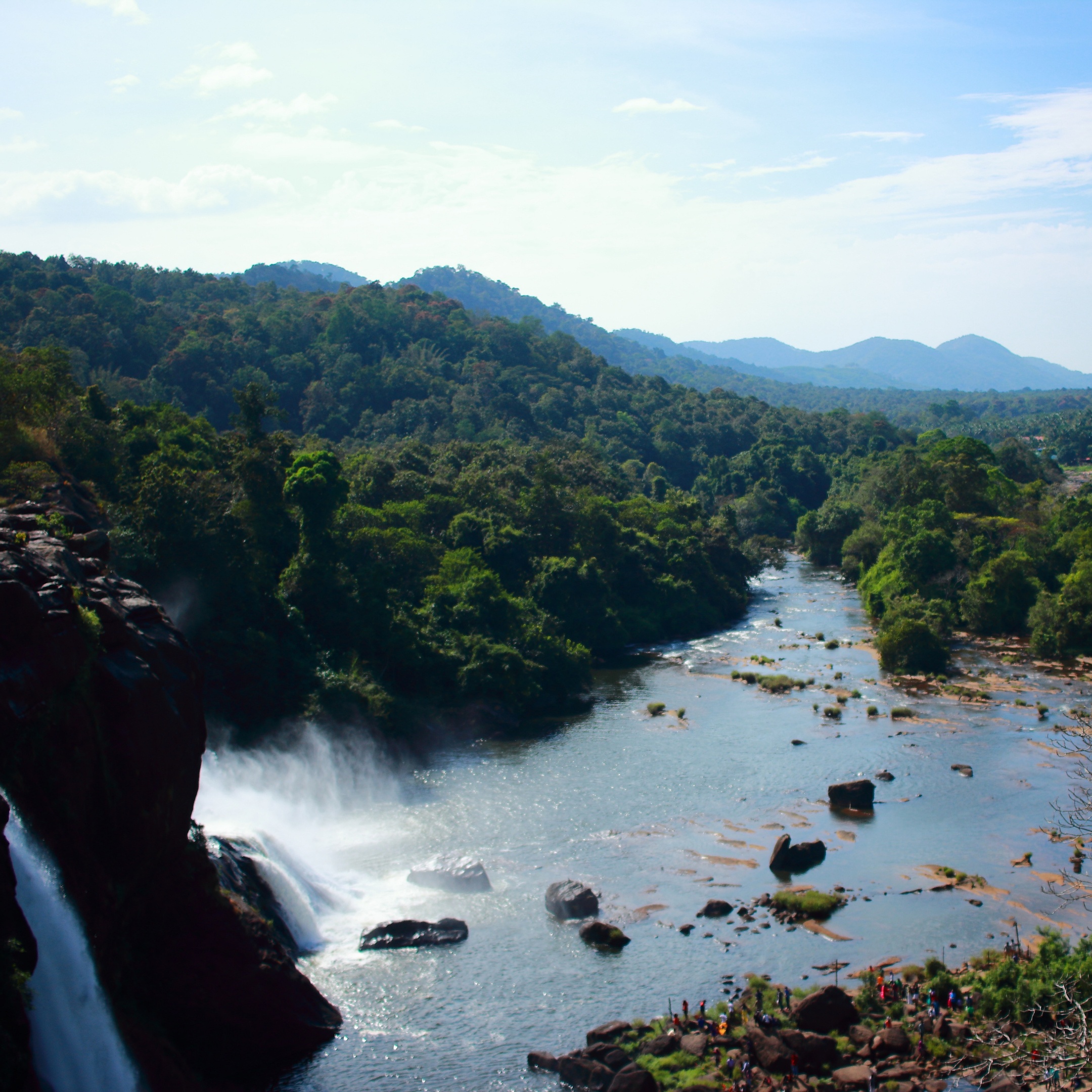
Top Things to Do & Activities in Kochi
Discover a world of unforgettable experiences and top activities at this destination! Whether you’re seeking adventure, cultural immersion, relaxation, or family fun, find the best things to do—from sightseeing and outdoor adventures to culinary delights, spiritual journeys, and local events. Enjoy every moment and make your trip truly memorable!