Discover Amazing Sabrimala
Plan your Sabarimala pilgrimage with this detailed guide covering darshan, trekking routes, best season, and essential travel tips.
About This Destination
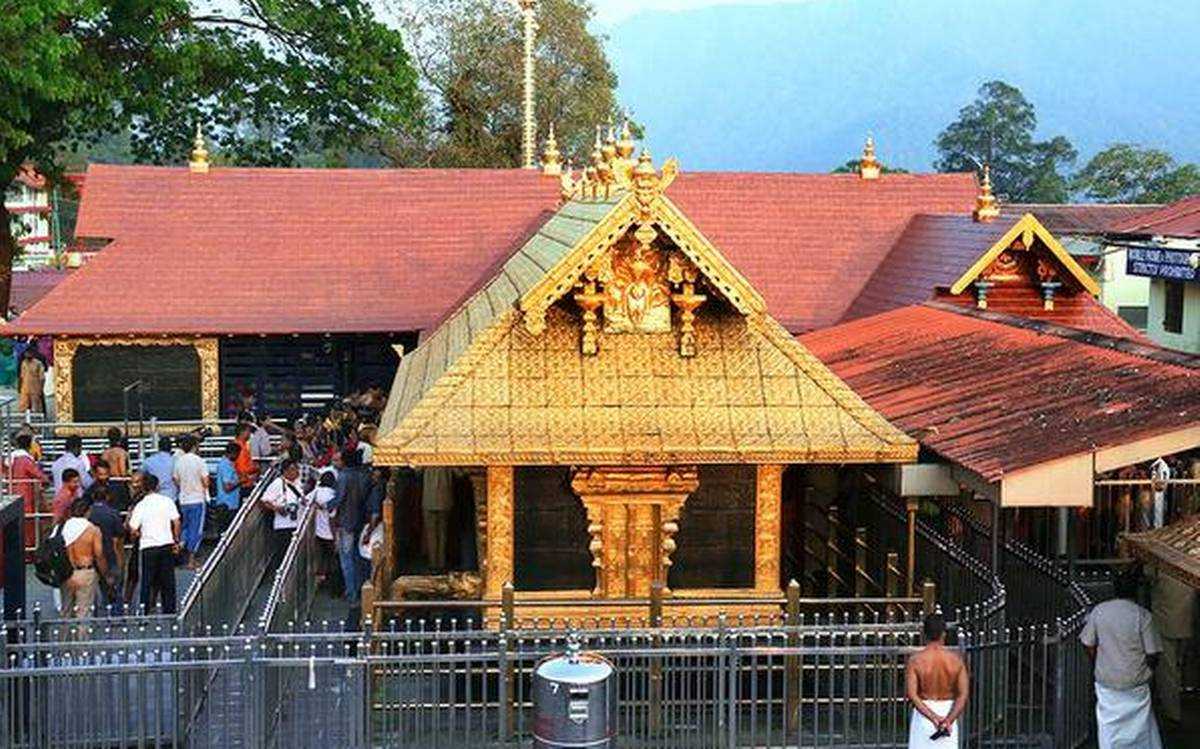
Deep in the Western Ghats of Kerala, within the Periyar Tiger Reserve, lies one of the most spiritually charged locations in the world Sabarimala. Known as the abode of Lord Ayyappa, this hill shrine is not just a destination but a profound spiritual journey that tests the physical and mental endurance of millions of pilgrims every year.
Whether you are a seasoned devotee or a first-time visitor planning a Sabarimala yatra, this guide provides a comprehensive overview of the history, rituals, and practical logistics required for a successful pilgrimage.
Introduction to Sabarimala
The Sabarimala Temple is dedicated to Lord Ayyappa, an embodiment of dharma, celibacy, and truth. What makes Sabarimala unique is its democratic spiritualism; it is one of the few temples in India that welcomes people of all castes and creeds, emphasizing that every individual is a "Swamy" (the Divine) themselves.
The temple is situated on a hilltop at an altitude of approximately 1,260 meters (4,133 feet) above sea level, surrounded by eighteen hills and dense forests. Because of its remote location and the sacred nature of the trek, the pilgrimage is seasonal, peaking during the winter months.
History & Significance of Lord Ayyappa
According to legend, Lord Ayyappa is the son of Lord Shiva and Mohini (the female avatar of Lord Vishnu), hence he is also called Hariharaputra. He was found as an infant by the King of Pandalam on the banks of the Pamba River and raised as a prince. After fulfilling his divine mission of defeating the demoness Mahishi, he meditated at Sabarimala.
The 41-Day Vratham (Austerity)
The Sabarimala pilgrimage is inseparable from the Vratham, a 41-day period of strict penance. Pilgrims (known as Ayyappas) observe:
- Austerity: Wearing black or blue clothing and walking barefoot.
- Purity: Strictly vegetarian diet, abstinence from alcohol/tobacco, and practicing celibacy.
- Devotion: Daily prayers, cold water baths twice a day, and constant chanting of "Swamiye Saranam Ayyappa."
The goal of this discipline is to purify the mind and body before entering the presence of the deity.
How to Reach Sabarimala
Reaching the temple involves a combination of road travel and trekking.
By Air
The nearest airports are Cochin International Airport (COK), about 160 km away, and Thiruvananthapuram (TRV), about 170 km away. Both airports have taxi services and state buses (KSRTC) that operate frequently during the peak season.
By Train
The most convenient railway stations are Chengannur (90 km) and Kottayam (120 km). During the pilgrimage season, these stations serve as major hubs with dedicated pilgrim help centers and "Sabarimala Special" trains from various parts of India.
By Road & Base Camps
- Nilakkal: This is the main parking hub. Private vehicles are generally not allowed beyond this point.
- Pamba: From Nilakkal, pilgrims take government shuttle buses to reach Pamba, the base camp located on the banks of the holy Pamba River.
Sabarimala Trekking Route
The trek from Pamba to the Sabarimala Temple (Sannidhanam) is the final and most challenging stage of the yatra.
The Pamba Route (Main Trek)
- Distance: Approx. 4 to 5 km.
- Duration: 2 to 4 hours depending on fitness and crowd density.
- Difficulty: Moderate to High. The initial climb, known as Neeli Mala and Appachi Medu, is quite steep.
- Traditional Path: Most pilgrims use the Marakoottam route, which is well-paved but involves constant climbing.
The Traditional Erumeli Route (Periya Pathai)
For those seeking the most rigorous experience, the traditional forest route starts from Erumeli. This is a 61 km trek through dense forests (Azutha, Karimala), often taking 2 to 3 days. It is usually undertaken by seasoned pilgrims and "Kanni Swamys" (first-time pilgrims).
Best Time to Visit Sabarimala
The temple is not open year-round. It opens for:
|
Season/Event |
Approximate Dates |
Significance |
|
Mandala Pooja |
Mid-November to late December |
The main 41-day pilgrimage season. |
|
Makaravilakku |
Dec 30 to Jan 15/20 |
The peak festival; ends with the sighting of Makara Jyothi. |
|
Monthly Poojas |
First 5 days of every Malayalam month |
Much less crowded; ideal for families and elderly pilgrims. |
|
Vishu |
Mid-April |
Celebration of the Malayali New Year. |
Darshan Procedure & Booking Guide
To manage the massive influx of people (often reaching 100,000+ per day), the Travancore Devaswom Board (TDB) uses a Virtual Q Booking system.
How to Book Sabarimala Darshan:
- Visit the official portal: sabarimalaonline.org.
- Register with your mobile number and valid ID (Aadhaar/Voter ID).
- Select your preferred date and time slot.
- Download and print the Virtual Q Permit. You will need this at the checkpoints in Pamba.
Note: "Spot Booking" counters are available at Nilakkal and Chengannur for those who couldn't book online, but slots are limited.
Rules, Dress Code & Pilgrim Guidelines
Sabarimala maintains a high level of spiritual decorum.
- Dress Code: Pilgrims must wear black, navy blue, or saffron dhotis (Mundu). Shirts are usually removed before climbing the 18 sacred steps (Pathinettampadi).
- Irumudi Kettu: This is a two-compartment bag carried on the head. Only those carrying the Irumudi are permitted to climb the 18 sacred steps. Others must use the side entrance.
- Restricted Items: Plastic is strictly banned in the Periyar Tiger Reserve. Do not carry plastic bottles or bags. Tobacco, alcohol, and non-vegetarian food are prohibited.
- The 18 Steps: These represent the 18 hills of Sabarimala and various human traits. They are highly sacred; one must be physically and spiritually prepared to ascend them.
Accommodation Near Sabarimala
Accommodation is managed primarily by the Devaswom Board.
- Sannidhanam (Temple Top): Several "Aali" (pilgrim shelters) and guest houses are available. These can be booked online through the Devaswom website. They are basic, often dormitory-style.
- Pamba & Nilakkal: Better for overnight stays if you plan to trek early in the morning.
- Pathanamthitta/Chengannur: If you prefer a proper hotel stay before starting the final leg of the journey, these nearby towns offer budget to mid-range lodges.
Facilities & Medical Support
The government provides extensive support for the "Ayyappas":
- Annadanam: Free meals are provided by the Devaswom Board and various trusts at Sannidhanam and Pamba.
- Oxygen Parlors: Since the climb is steep, there are medical aid posts and oxygen parlors every few hundred meters along the trekking path.
- Dolly Services: For the elderly or physically challenged, "dollies" (chairs carried by four people) are available at Pamba for a fixed government-regulated fee.
Nearby Places to Visit
- Erumeli: Known for the Petta Thullal (ceremonial dance) and the Vavar Mosque, symbolizing communal harmony.
- Pandalam Palace: The ancestral home of Lord Ayyappa, where the sacred ornaments (Thiruvabharanam) are kept.
- Nilakkal Mahadeva Temple: An ancient Shiva temple located at the parking base camp.
Travel Tips for First-Time Pilgrims
- Health First: The trek involves steep inclines. If you have heart conditions or respiratory issues, consult a doctor before planning the Sabarimala yatra.
- Travel Light: Your Irumudi is heavy enough. Avoid carrying large backpacks.
- Stay Hydrated: Drink plenty of water at the designated spice-water (chuwayellam) stations provided along the path.
- Family Safety: Use the "Virtual Q" to avoid the 10-15 hour queues. For families with children, avoid the peak days of Mandala Pooja (Dec 25-27) and Makaravilakku (Jan 13-15).
FAQs (Frequently Asked Questions)
Q: Can women visit Sabarimala?
A: Historically, women aged 10 to 50 were restricted. While legal rulings have occurred, it is highly recommended to check the latest government and TDB guidelines before planning a visit for women in this age group, as local traditions remain very strong.
Q: Is there a fee for the Virtual Q booking?
A: No, the official Virtual Q booking is 100% free. Avoid agents who ask for money for darshan slots.
Q: What is "Harivarasanam"?
A: It is the devotional lullaby played every night at 11:00 PM when the temple closes. It is a soul-stirring experience for any devotee.
Conclusion
A pilgrimage to Sabarimala is more than just a visit to a temple; it is a transformative experience that emphasizes discipline, equality, and surrender. As you prepare for your journey, remember that the true essence of the yatra lies in the "Vratham" and the respect you show to the nature and fellow pilgrims around you.
Top Things to Do & Activities in Sabrimala
Discover a world of unforgettable experiences and top activities at this destination! Whether you’re seeking adventure, cultural immersion, relaxation, or family fun, find the best things to do—from sightseeing and outdoor adventures to culinary delights, spiritual journeys, and local events. Enjoy every moment and make your trip truly memorable!