Discover Amazing Khajuraho
Khajuraho is known for its UNESCO temples, intricate sculptures, and rich history. Explore the Western, Eastern, and Southern temple groups along with waterfalls, wildlife, and cultural shows.
About This Destination
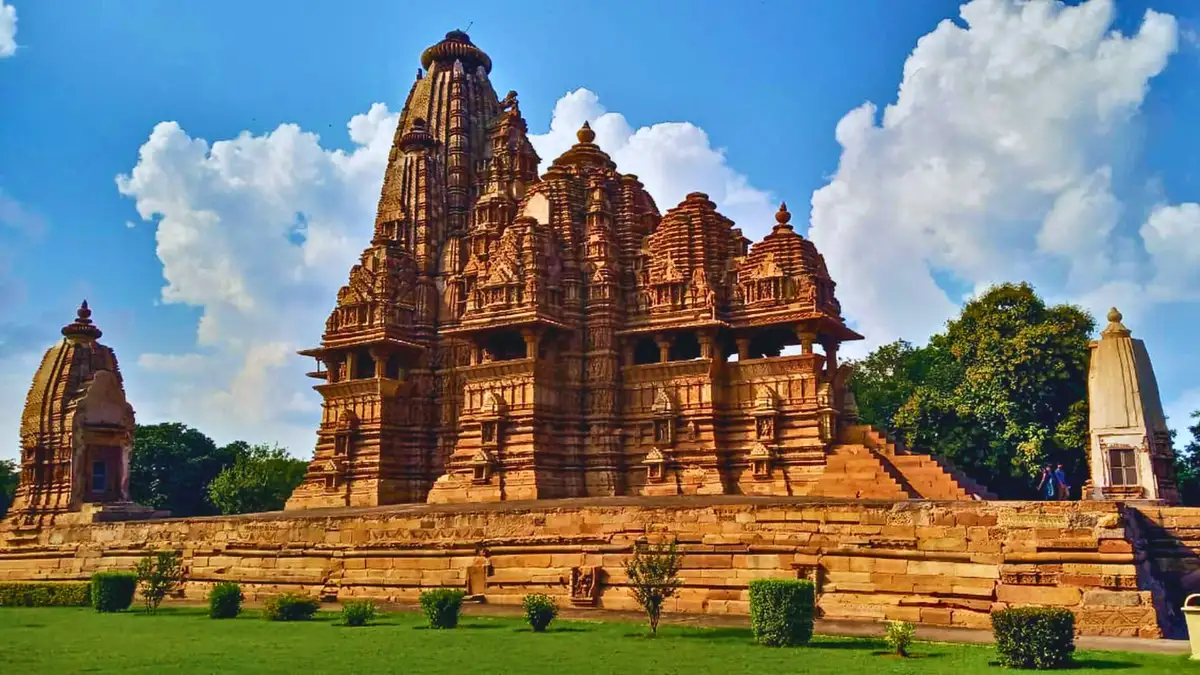
Khajuraho, a quaint town nestled in the heart of Madhya Pradesh, holds a secret whispered in stone: the Khajuraho Group of Monuments, a UNESCO World Heritage Site. This destination is an unparalleled testament to the zenith of medieval Indian temple art and architecture, renowned globally for its exquisite sculptures that depict sacred and secular themes, including the famously bold mithuna (amorous) carvings.
This guide is curated for the discerning traveler, providing content that is most liked and found helpful clear logistics combined with deep historical context. Whether you are searching for the best way to explore the Khajuraho temples in one day or seeking a heritage itinerary for Madhya Pradesh with Khajuraho, this is your essential reading, designed to ensure your trip is focused, informed, and deeply rewarding.
How to Reach Khajuraho
While Khajuraho is a relatively small and isolated town, its status as a major international heritage site ensures excellent, though limited, connectivity. Travelers often look for the nearest railway station to Khajuraho or direct flights to Khajuraho airport.
By Air: The Fastest Route
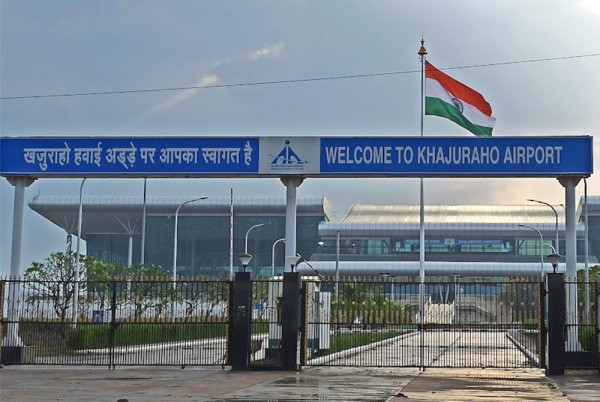
- Khajuraho Airport (HJR): Khajuraho has its own dedicated domestic airport, located only about 5 kilometers from the main temple complexes.
- Connectivity: HJR offers limited direct flights from major tourist cities like Delhi and Varanasi. During the peak tourist season (October to March), connectivity is generally better. Using the Khajuraho airport is the most convenient and recommended way to save travel time.
- Nearest Major Hubs: For travelers coming from cities without direct flights, the nearest larger airports are Jabalpur (JLR), approximately 250 km away, or Varanasi (VNS), from where one can connect to HJR or continue by train/road.
By Rail: Connecting to the Heart of India
While Khajuraho is now on the railway map, some major cities still require a connection at a larger junction.
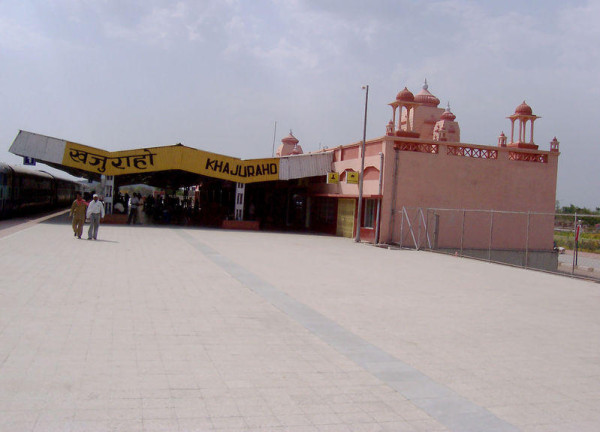
- Khajuraho Railway Station (KURJ): The town has a small railway station with direct trains connecting to a few significant cities, including Delhi and Varanasi. This is a great, affordable option for those planning a heritage circuit via train.
- Major Nearby Junctions:
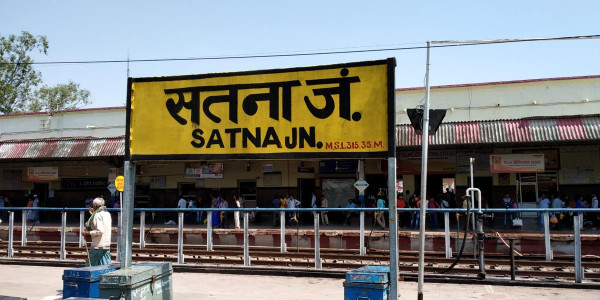
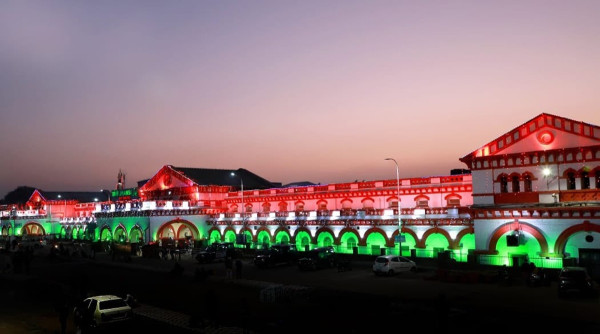
- Satna Junction (STA): Located approximately 120 km away, Satna is on a main railway line, offering excellent train connectivity to almost all major Indian cities. From Satna, you can hire a taxi or take a bus directly to Khajuraho (about 2.5 to 3 hours drive).
-
- Jhansi Junction (JHS): About 175 km away, Jhansi is another major junction commonly used by tourists combining Khajuraho with Gwalior and Orchha.
By Road: Scenic and Flexible
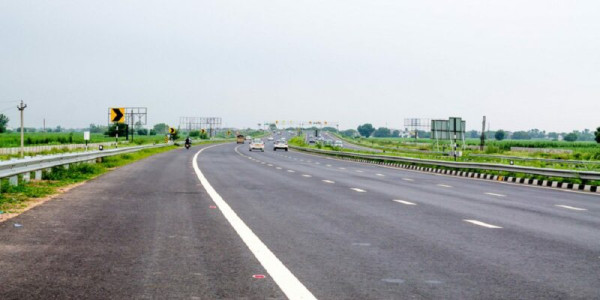
Khajuraho is well-connected by National and State Highways, making road travel a flexible choice, especially for combining the trip with nearby nature and heritage sites.
- Bus Services: State-run and private buses connect Khajuraho to nearby towns and cities such as Satna, Jhansi, Orchha, and Panna.
- Self-Drive/Taxi: Hiring a private car or taxi is highly recommended for a comfortable journey, particularly from major hubs like Satna or for a popular road trip like Orchha to Khajuraho via Panna National Park.
Best Time to Visit: Weather and Festivals
Choosing the right time to visit Khajuraho is crucial, as its location in Central India subjects it to extreme temperatures. The ideal timing balances comfortable weather for exploration with unique cultural events. Searching for Khajuraho Dance Festival dates is a common traveler query.
Winter (October to March): The Ideal Time
- What to Expect: This is the peak tourist season and the best time to visit Khajuraho. The weather is cool, sunny, and pleasant, with daytime temperatures ranging from 20°C to 28°C, making it perfect for spending long hours walking around the open-air temple complexes. Nights can be cool, especially in December and January.
- Cultural Highlight: Plan your visit in February to coincide with the internationally acclaimed Khajuraho Dance Festival. Witnessing renowned classical dancers performing various forms like Kathak, Odissi, and Bharatnatyam against the backdrop of the illuminated temples is a truly magical and unique cultural experience.
Summer (April to June): Avoid the Heat
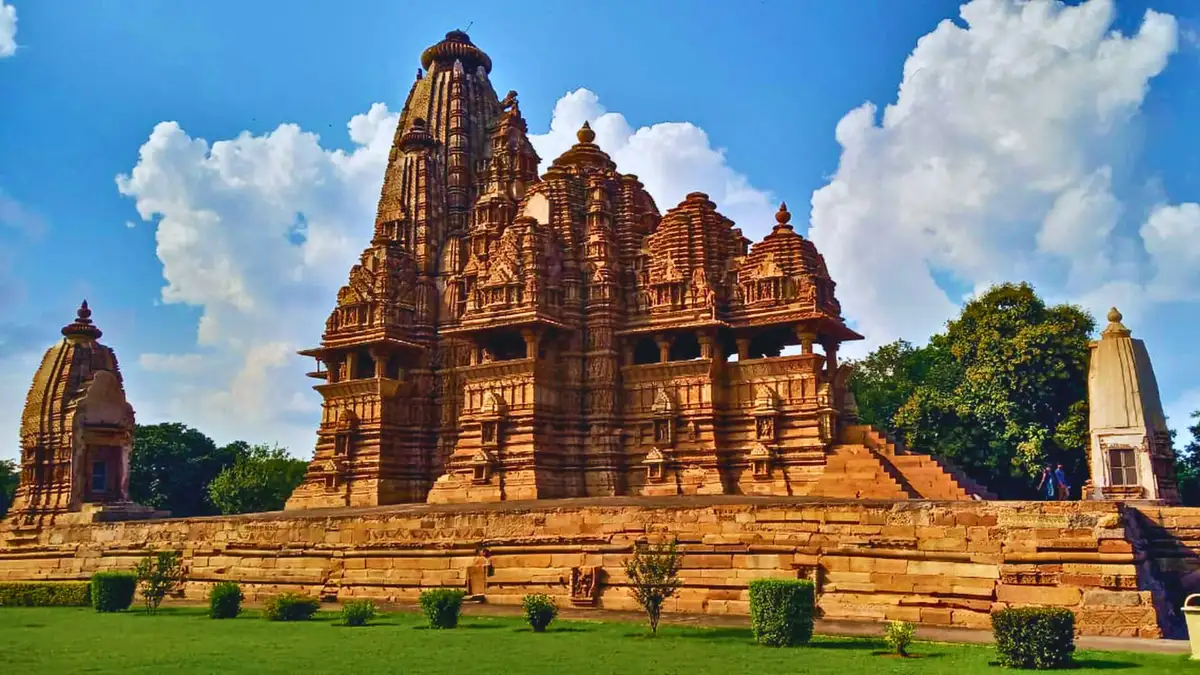
- What to Expect: Summers are extremely hot and dry, with temperatures soaring well above 40°C. Sightseeing can be very challenging and physically draining during the midday sun.
- Travel Notes: Tourist crowds are minimal, and hotel rates drop significantly. If you must travel during this time, restrict your temple visits to the early morning and late afternoon hours.
Monsoon (July to September): Green and Tranquil
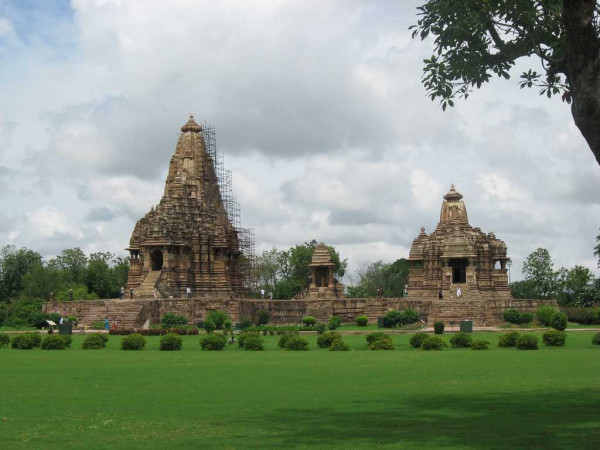
- What to Expect: The rains bring relief from the summer heat and turn the surrounding landscape lush and green. The temples, set against the revitalized greenery, offer a unique photographic opportunity. However, humidity can be high.
- Travel Notes: Crowds are low, and you can enjoy the temples in relative solitude. This season is best for travelers who prioritize a tranquil experience and don't mind the occasional rain.
The History of the Chandela Legacy
Understanding the history of Khajuraho is essential to appreciating its architectural magnificence. These temples are not just structures; they are a profound statement left behind by a forgotten dynasty.
The Chandela Dynasty and the Pinnacle of Art
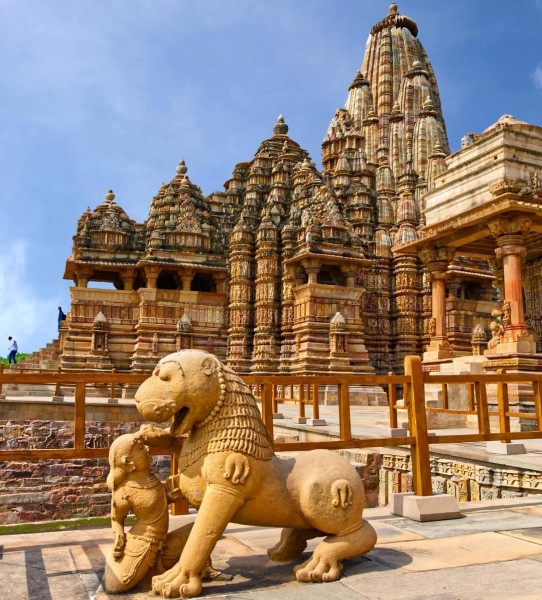
The Khajuraho Group of Monuments was constructed during the reign of the powerful Chandela dynasty (also known as the Chandelas of Jejakabhukti). Their rule flourished in Central India from the 9th to the 13th century CE.
- Construction Period: The majority of the temples originally around 85, of which only about 25 survive today were built over a concentrated period of about a hundred years, between 950 CE and 1050 CE. This rapid yet sustained period of construction highlights the dynasty's artistic patronage and immense wealth.
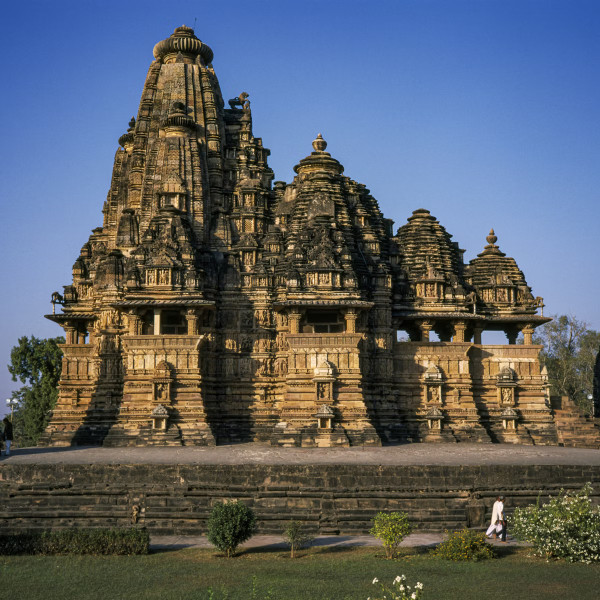
- Architectural Style: The temples represent the highest culmination of the Nagara style of North Indian temple architecture. They are distinguished by the tall, curvilinear tower (Shikhara), which often rises as a cluster of smaller Shikharas (known as Urushringas) around the main spire, giving the structure the appearance of a mountain range. The temples are built on high platforms (Jagati) and feature logically laid-out, axially aligned interior spaces: an entrance porch (Ardhamandapa), a main hall (Mandapa), a vestibule (Antarala), and the sanctum (Garbhagriha).
The Erotic Enigma: Sacred or Secular?
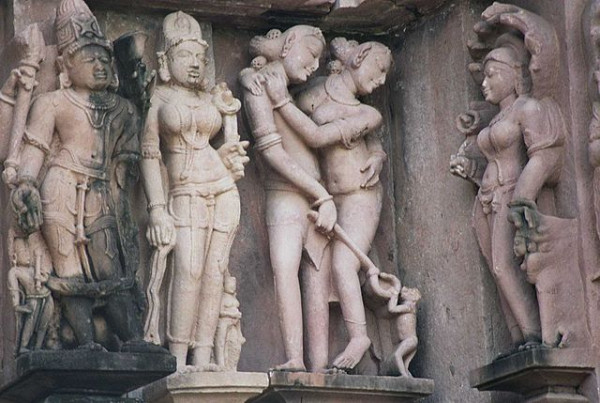
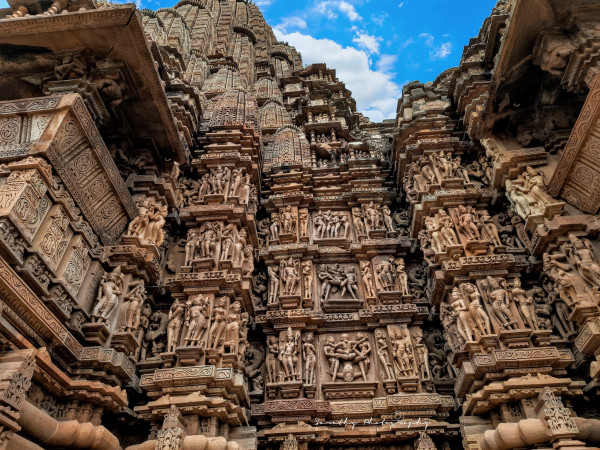
The Khajuraho temples are globally famous for their erotic sculptures (mithunas). This aspect often dominates the narrative, though it is crucial to remember that these provocative carvings constitute only about 10% of the total sculptural artwork. The remaining 90% depicts scenes from everyday life, celestial beings (Apsaras and Sura-Sundaris), deities, animals, and mythological stories, all reflecting the comprehensive spiritual beliefs of the time.
- Interpretation: The presence of the erotic sculptures, which are placed predominantly on the exterior walls, away from the inner sanctum, has multiple interpretations:
- Tantrism: A reflection of the Tantric tradition prevalent in Central India at the time, viewing the union (Maithuna) as a path to spiritual enlightenment and the cosmic creation process.
- Hindu Philosophy: A representation of Kama (desire) as one of the four essential goals of human life (Purusharthas), alongside Dharma (duty), Artha (prosperity), and Moksha (salvation), suggesting a holistic view of human experience.
- Protection: Some scholars suggest they acted as protective charms, diverting the "evil eye" from the sanctity of the temple’s inner shrine.
Decline and Rediscovery
After the 13th century, following the decline of the Chandela dynasty and subsequent invasions by the Delhi Sultanate, the temples were abandoned and slowly enveloped by dense jungle. It was their remote location that ironically protected them from large-scale destruction. They were essentially rediscovered by the British surveyor T.S. Burt in the 1830s, bringing this architectural marvel back to global attention. The enduring power of these temples lies in their seamless integration of architecture and sculpture, showcasing the vibrancy of human emotion and spiritual devotion.
Places to Visit In Khajuraho and Temples
The surviving 25 temples are organized into three geographically distinct groups Western, Eastern, and Southern. Visiting the Western Group first is essential, as it houses the most elaborate and famous temples. Budget at least one full day for the complete tour.
1. Western Group of Temples (The Masterpieces)
This is the most famous and largest cluster, fenced and managed by the Archaeological Survey of India (ASI). It contains the grandest examples of the Nagara style.
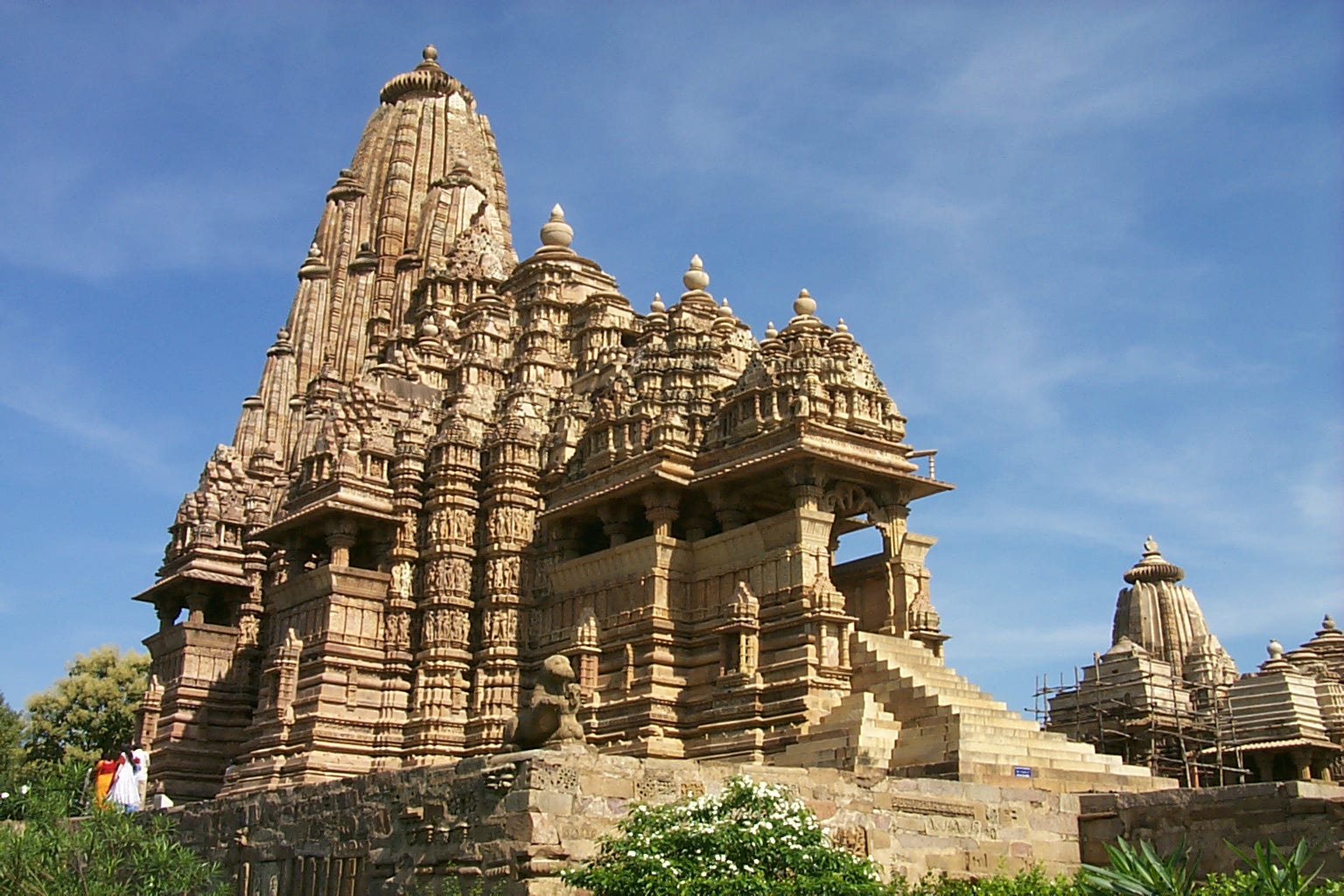
- Kandariya Mahadeva Temple: Dedicated to Lord Shiva, this is the largest and most magnificent temple in Khajuraho. Its towering main Shikhara rises to 31 meters, surrounded by 84 smaller spires, symbolizing Mount Kailash. The outer walls are adorned with over 800 sculptures depicting gods, celestial nymphs, and mithunas.

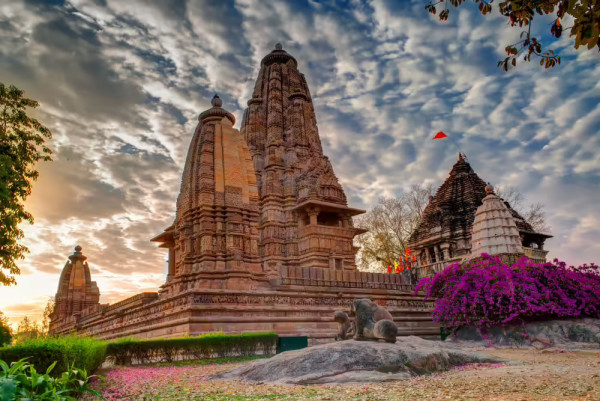
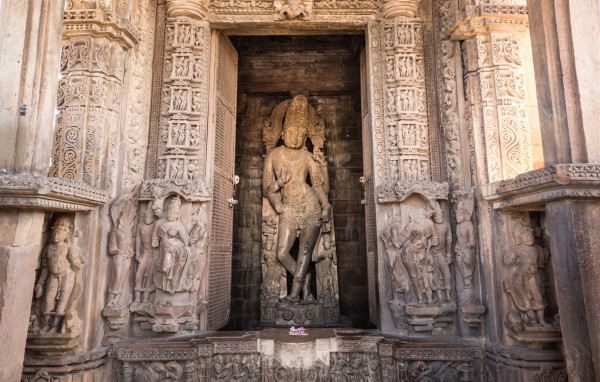
- Lakshmana Temple: An ornate temple dedicated to Lord Vishnu, built by King Yashovarman. It stands on a high Jagati (platform) and is architecturally complex, being a Panchayatana (five-shrine) temple. It is one of the earliest and best-preserved temples, famous for the magnificent three-headed, four-armed Vaikuntha Vishnu image in its sanctum.
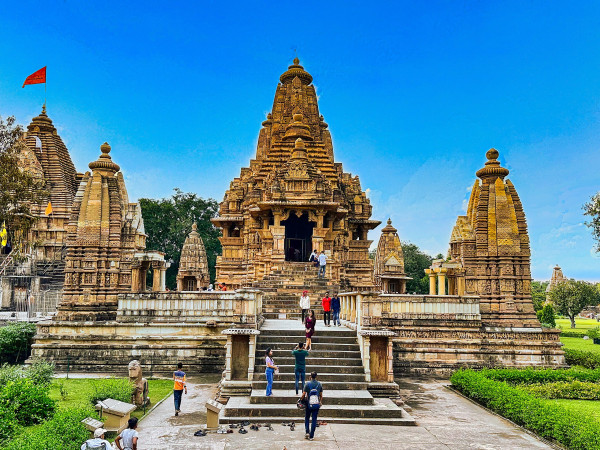
- Vishwanath Temple: Dedicated to Lord Shiva, its name means "Lord of the Universe." It shares a common platform with the Nandi Shrine (Bull mount of Shiva). Its entrance staircase is flanked by two stone lions, giving it a majestic feel.
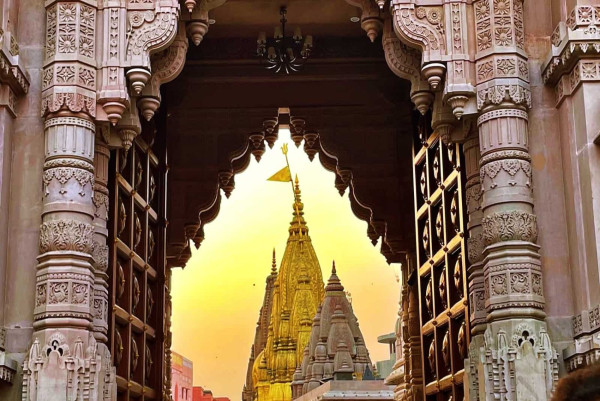
- Devi Jagadambi Temple: Originally dedicated to Lord Vishnu, it now houses an image of Goddess Parvati (or Kali). Its three bands of sculptures are particularly rich in apsaras and mithunas.
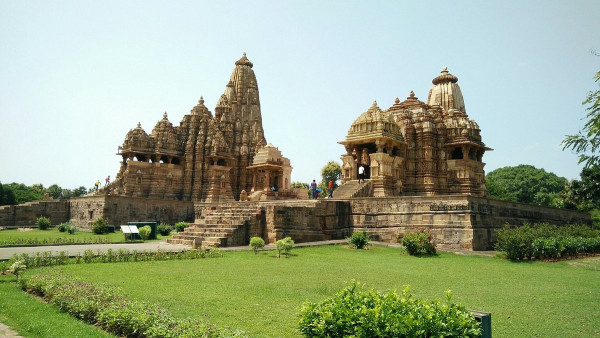
2. Eastern Group of Temples (Jain and Hindu)
Located near the Khajuraho village, this group demonstrates the religious tolerance of the Chandela period, housing both Hindu and Jain temples.
- Jain Temples (Parsvanath, Adinath, Shantinath): The Parsvanath Temple is the largest and finest among the Jain temples, notable for its exquisitely carved exterior, which features a prominent image of Lord Vishnu on the northern wall a powerful example of the contemporary religious harmony. The Adinath Temple is smaller but beautifully decorated.
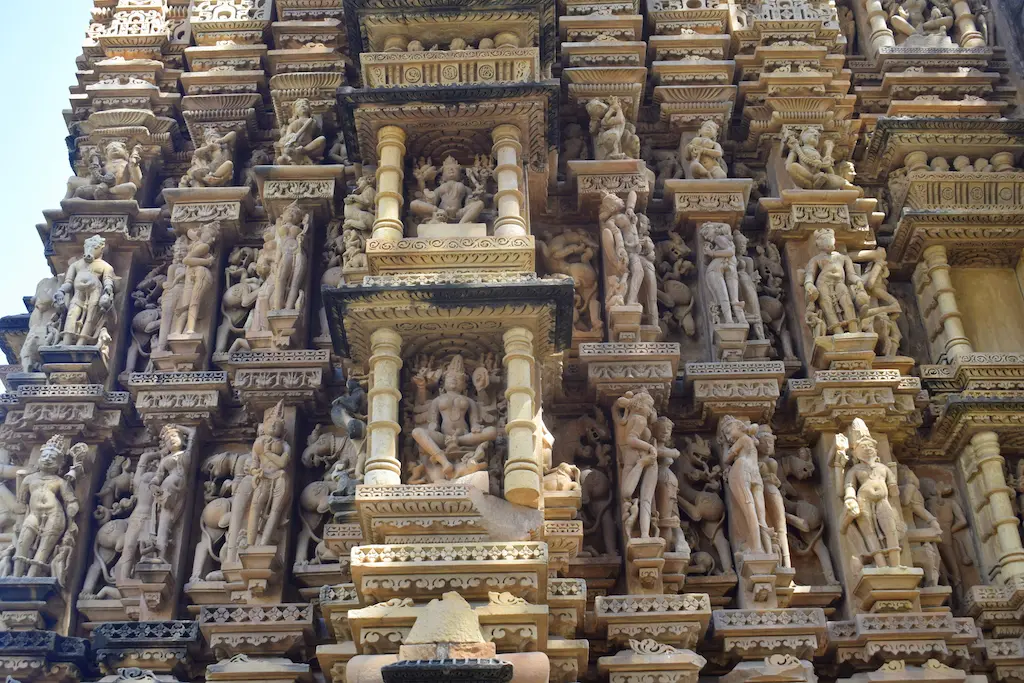
- Hindu Temples (Vamana, Javari, Brahma): The Vamana Temple is dedicated to the dwarf incarnation of Vishnu, and its exterior is richly covered with beautiful celestial nymphs. The Javari Temple is well-proportioned and renowned for its delicately carved Makara-Torana (ornamental entrance arch).
3. Southern Group of Temples
These temples are slightly detached from the main clusters.
- Duladeo Temple: Dedicated to Lord Shiva, it is often considered the last temple built in Khajuraho (early 12th century). It is known for its graceful and dynamic sculptures of celestial dancers and couples.
- Chaturbhuja Temple: Dedicated to Lord Vishnu, this temple is unique as it is the only one without any erotic sculptures, focusing purely on divine figures. It is located about 5 km south of Khajuraho town.
Things To Do: Beyond the Carvings
A trip to Khajuraho extends beyond the temple viewing. The surrounding area offers nature and cultural experiences that enhance the visit. Keywords often searched include Raneh Falls canyon visit and Panna National Park safari from Khajuraho.
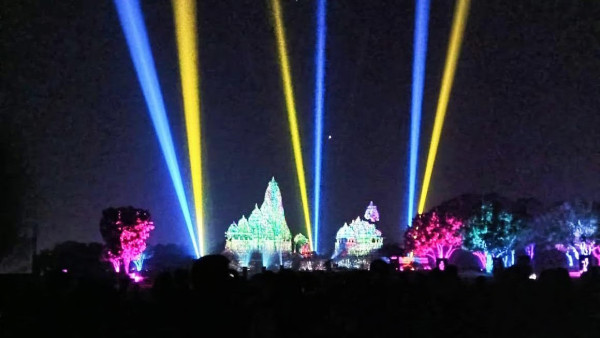
- The Light and Sound Show: Held every evening at the Western Group of Temples, this hour-long show narrated by Amitabh Bachchan (in the Hindi version) vividly recounts the history of the Chandela dynasty and the temples' construction. It is a highly recommended activity for understanding the context of the site.
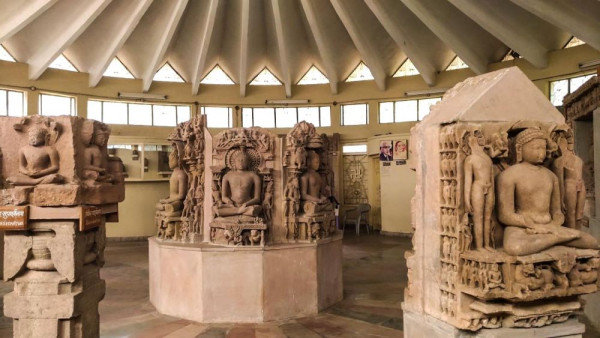
- Archaeological Museum: Located near the Western Group entrance, this museum (managed by ASI) displays artifacts, temple fragments, and magnificent sculptures collected from the various ruins, offering a close-up look at the artistry.
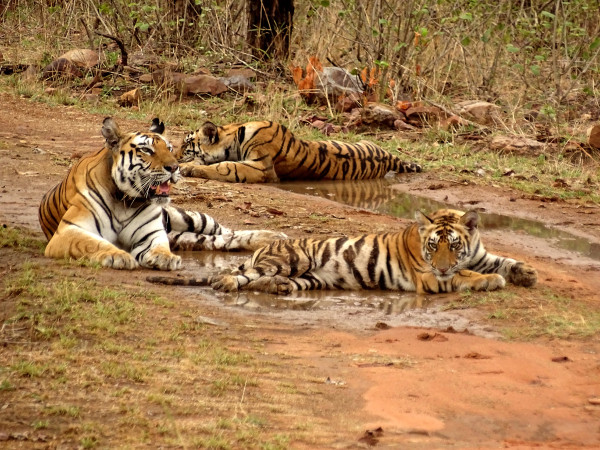
- Panna National Park: Located just 25 km away, this is a popular day trip for a wildlife safari. It is a tiger reserve and also home to several other species of mammals and birds, making it a great contrast to the architectural heritage.
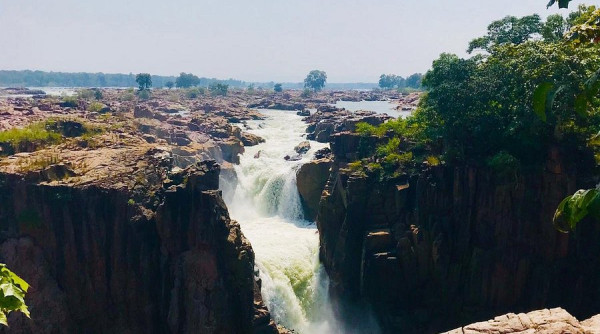
- Raneh Falls Canyon: Situated near the Ken River (about 20 km from Khajuraho), this unique natural site features a dramatic 5-km-long canyon carved through crystalline granite rock in various hues of pink, red, and grey, offering breathtaking geological formations, particularly beautiful after the monsoon.
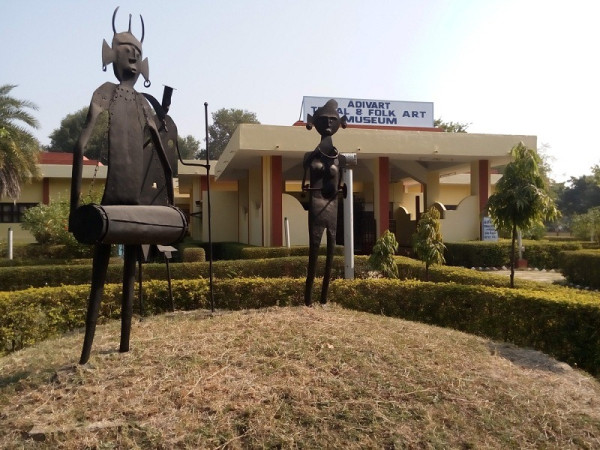
- Adivart Tribal and Folk Art Museum: Located in Khajuraho town, this small museum showcases the art, crafts, and culture of the indigenous tribal communities of Madhya Pradesh, adding a local cultural layer to your visit.
Top Things to Do & Activities in Khajuraho
Discover a world of unforgettable experiences and top activities at this destination! Whether you’re seeking adventure, cultural immersion, relaxation, or family fun, find the best things to do—from sightseeing and outdoor adventures to culinary delights, spiritual journeys, and local events. Enjoy every moment and make your trip truly memorable!