Discover Amazing Lonawala And Khandala
Lonavala and Khandala offer lush valleys, waterfalls, caves, and viewpoints. Must-visit spots include Tiger Point, Bhushi Dam, Pawna Lake, Karla Caves, Rajmachi Fort, and scenic mountain drives.
About This Destination
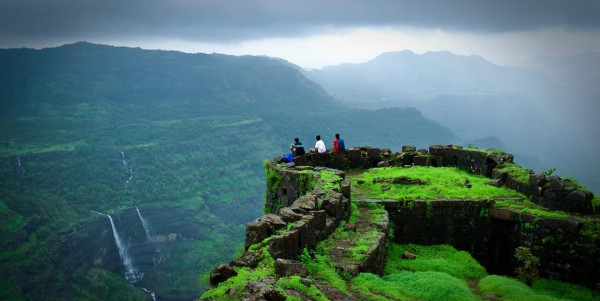
Lonavala and Khandala are Maharashtra's quintessential twin hill stations, nestled high up in the Sahyadri mountain ranges of the Western Ghats. These destinations are perhaps the most popular weekend getaway from Mumbai and Pune, known for their dramatic landscapes, ancient caves, Maratha forts, and the glorious transformation they undergo during the monsoon season. The region is a favorite for those seeking easy monsoon trekking routes, breathtaking Sahyadri valley viewpoints, and a retreat from the coastal heat.
This comprehensive guide is designed to be highly helpful for planning your trip, detailing not only the picturesque sights but also the crucial logistics and historical context that travelers consistently like and rely on. We ensure you won't get lost while exploring these twin gems.
How to Reach Lonavala and Khandala
Lonavala and Khandala sit strategically on the crest of the Bhor Ghat, a major passage connecting the Konkan coast with the Deccan plateau, making them incredibly accessible.
Nearest Railway Station: Lonavala (LNL)

- Lonavala Railway Station (LNL): This is the most convenient point of entry for both hill stations. Lonavala is a major station on the Mumbai-Pune railway line and is exceptionally well-connected.
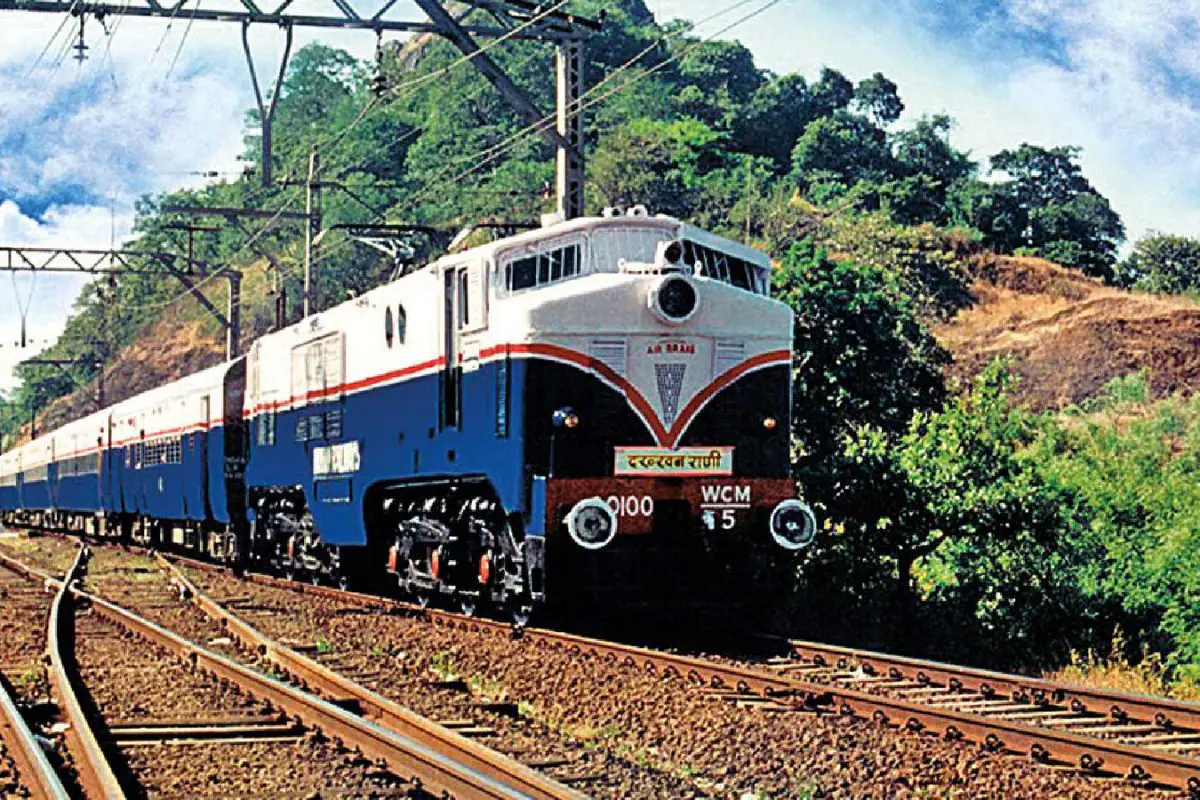
- Mumbai Connectivity: Numerous daily express trains, including the legendary Deccan Queen and Indrayani Express, stop at Lonavala, offering a scenic and quick journey (approximately 2 to 2.5 hours) from Mumbai Chhatrapati Shivaji Maharaj Terminus (CSMT) or Dadar.
-
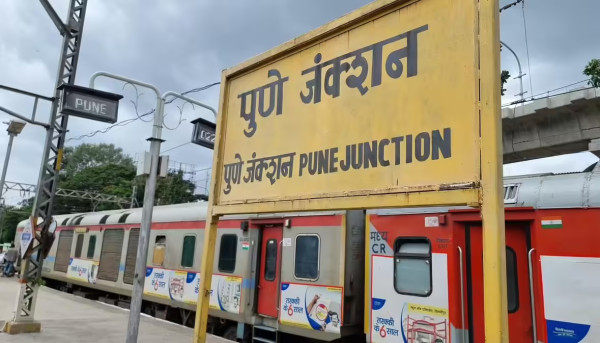
- Pune Connectivity: The journey from Pune Junction is even shorter (approximately 1 to 1.5 hours) and is frequently served by express trains and local EMU trains (local trains). Local trains are the most budget-friendly way to travel between Pune and Lonavala.
- Khandala: Khandala is located just 5 kilometers from Lonavala town and has a smaller station. However, most express trains halt only at Lonavala, making it the primary rail access point.
Nearest Airports
The proximity of two major cities ensures excellent air connectivity.
- Pune International Airport (PNQ): Situated approximately 65 to 70 kilometers from Lonavala, Pune is the nearest airport to Lonavala and Khandala. It handles both domestic and international traffic. From the airport, one can hire a pre-paid taxi or cab for the scenic 1.5- to 2-hour road journey.
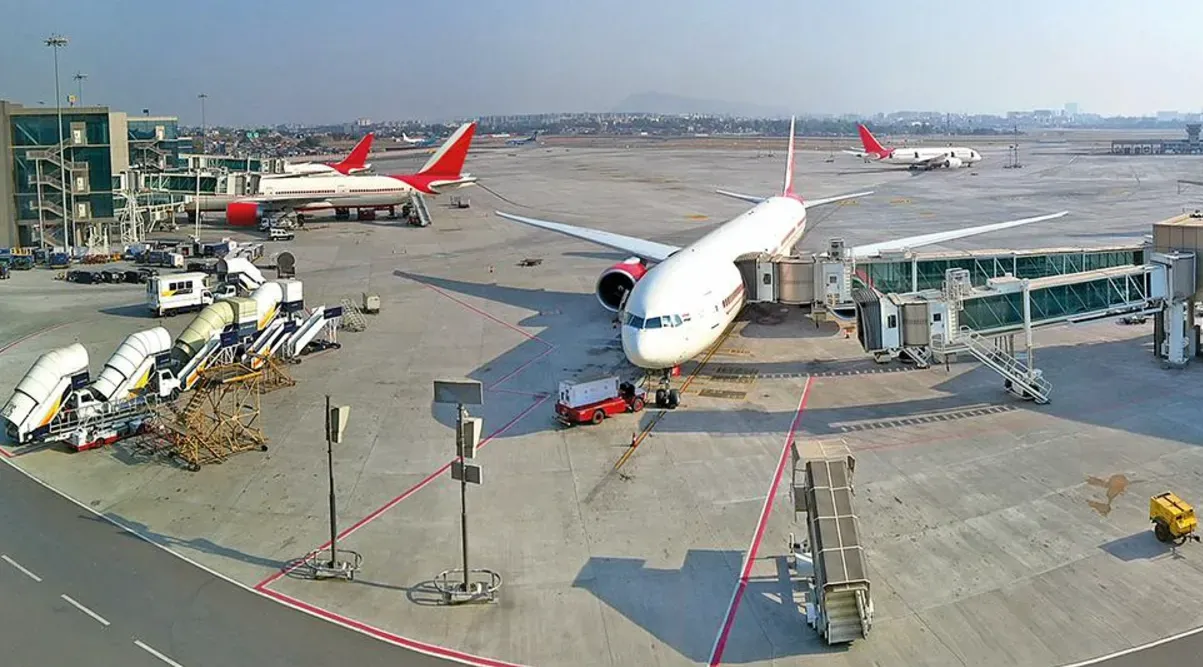
- Chhatrapati Shivaji Maharaj International Airport, Mumbai (BOM): Located approximately 95 to 100 kilometers away. While slightly farther, this airport offers broader international connectivity. The journey by road takes about 2 to 3 hours, depending heavily on Mumbai traffic when exiting the city.

By Road: The Expressway Advantage
The Mumbai-Pune Expressway (Yashwantrao Chavan Expressway) passes through the ghat section, offering one of the smoothest and fastest road trips in India.
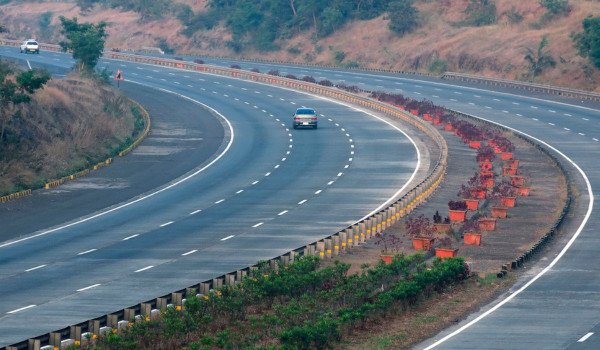
- Route: The drive is comfortable and highly recommended for a self-drive road trip from Mumbai or Pune. The expressway has dedicated exits for Khandala and Lonavala.
- Bus Services: Regular State Transport (ST) and private bus services run from Pune and Mumbai to Lonavala and Khandala bus stands, offering a budget-friendly option for travelers.
Best Time to Visit: Embracing the Monsoon Magic
Lonavala and Khandala have a pleasant climate year-round, but the beauty of the twin hill stations truly peaks during the rainy season.
- Monsoon (June to September): The Verdant Wonderland
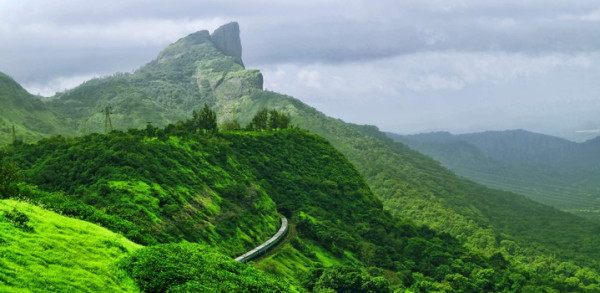
- What to Expect: This is undoubtedly the best time to visit Lonavala and Khandala for nature lovers. The heavy rains transform the Sahyadri ranges into a lush carpet of green. Countless seasonal waterfalls cascade down the hills, and the valleys are shrouded in a dramatic mist. The Bhushi Dam overflows, and the air is intensely fresh.
-
- Best For: Photography, witnessing waterfalls like Kune Falls, and enjoying the best weather for trekking. Be prepared for heavy crowds, especially on weekends, and for slippery terrain.
- Winter (October to March): Clear Skies and Trekking
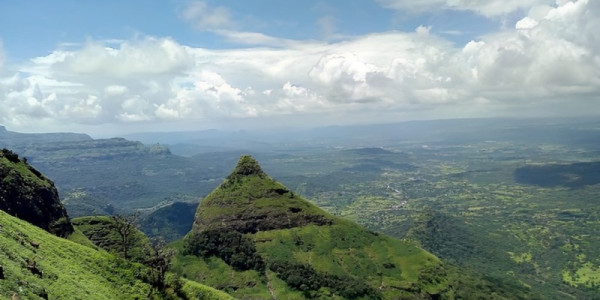
- What to Expect: The post-monsoon period offers clear visibility, cool temperatures (dropping to 10°C), and dry, ideal conditions for outdoor activities. The lushness remains, but the heavy mist recedes.
- Best For: Long-distance trekking to Maratha forts like Lohagad, sightseeing without rain disruption, and comfortable evening strolls. This is also the peak season for honeymooners seeking a cosy retreat.
- Summer (April to May): A Quick Escape
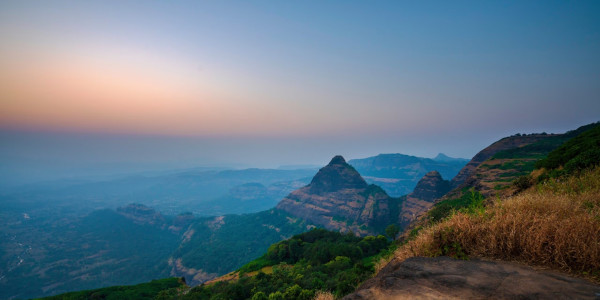
- What to Expect: While the days can be warm, Lonavala and Khandala offer a welcome relief from the scorching heat of the plains. Temperatures are generally moderate compared to Mumbai or Pune.
- Best For: Budget-conscious travelers, family outings to adventure parks, and enjoying the clear, albeit dry, valley views.
History: The Forts of the Maratha Empire and Buddhist Caves
The history of the Lonavala-Khandala region is deeply rooted in its strategic location on the ancient trade route that passed through the Bhor Ghat.
Ancient Trade Routes and Spirituality
- Karla and Bhaja Caves: The earliest evidence of human activity and spiritual significance dates back to the 2nd century BC. The Karla Caves and Bhaja Caves are ancient rock-cut Buddhist caves built during the Satvahana rule. They served as Viharas (monasteries) for Buddhist monks traveling along the important trade route connecting the Arabian Sea ports to the Deccan plateau. The Chaityas (prayer halls) at Karla are particularly impressive, featuring intricate carvings and a magnificent wooden vaulted ceiling.
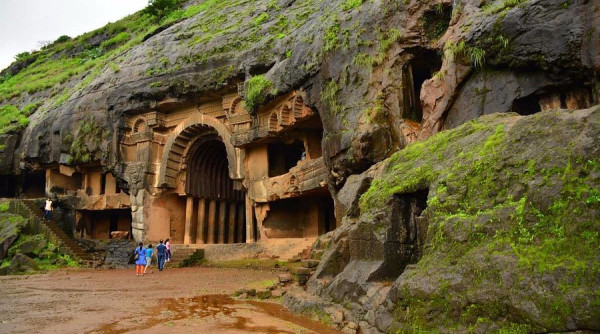
- Ekvira Devi Temple: Associated with the Karla Caves, this ancient temple dedicated to the Goddess Ekvira Devi (believed to be the clan deity of the Koli community and the mother of Parashurama) stands atop a hill and is a major pilgrimage site.

The Rise of the Marathas
- Strategic Fortifications: The region gained immense strategic importance during the reign of the Maratha Empire. The forts near Lonavala were built or strengthened by Chhatrapati Shivaji Maharaj to guard the crucial pass through the Ghats.
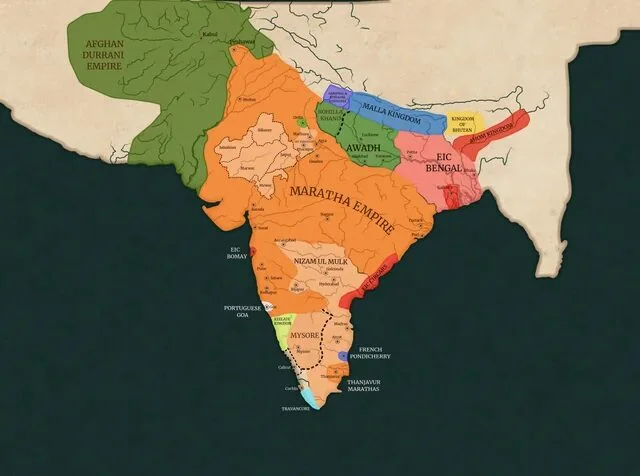
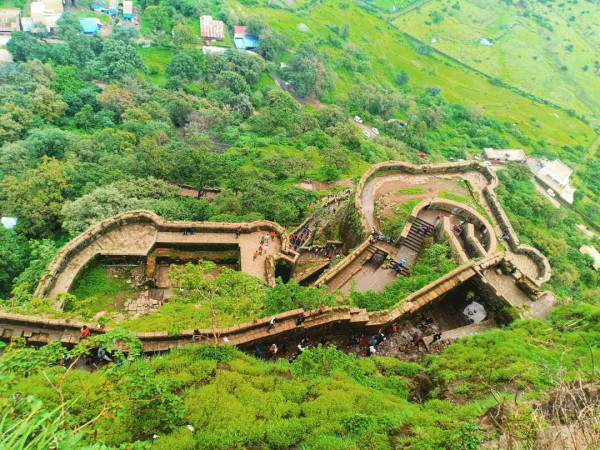
- Lohagad and Visapur: Lohagad Fort (Iron Fort) and Visapur Fort stand as monumental examples of Maratha military architecture. Lohagad was one of the key strongholds of Shivaji Maharaj, switching hands between the Marathas and the Mughals until it finally became part of the Maratha territory. Visapur was strategically built on a higher plateau to complement and defend Lohagad. The history of the forts tells the tale of the fierce Maval warriors who secured this vital passage.
British Era Development
- Hill Station Development: Lonavala and Khandala were officially developed as hill stations by the British administration of the Bombay Presidency in the mid-19th century. They were utilized as a retreat from the humid, hot climate of Bombay (Mumbai). The construction of the Great Indian Peninsula Railway through the Bhor Ghat section in 1863, featuring numerous tunnels and bridges, cemented their status as a popular destination, a legacy that continues today.

Places to Visit: Vistas, Lakes, and Ancient Sites
The attractions in Lonavala and Khandala are spread across the hills, offering a mix of natural beauty, historical treks, and modern entertainment.
1. The Iconic Vantage Points
These points offer the most popular panoramic views of the Sahyadri Valley.
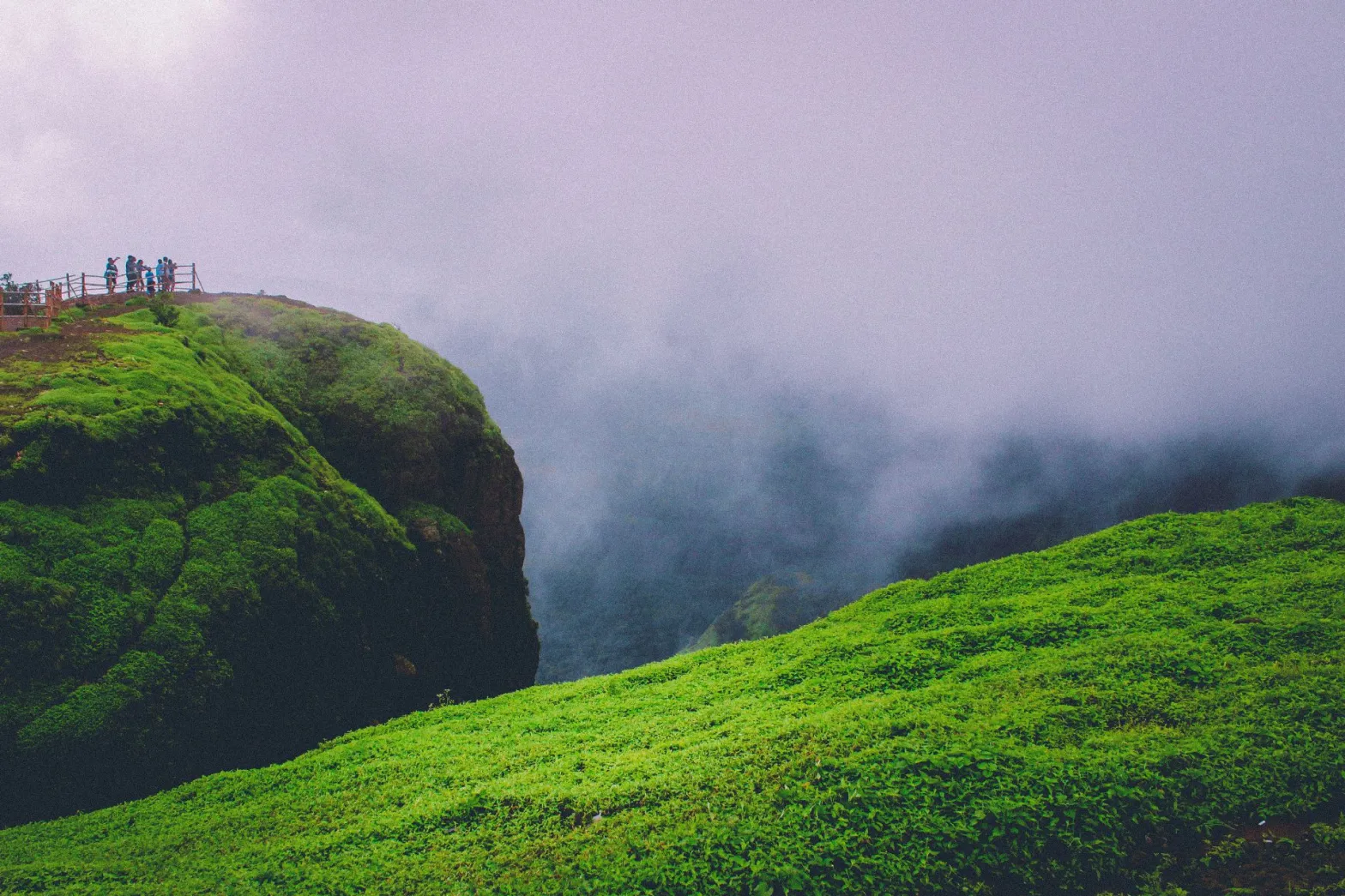
- Tiger's Point (Tiger's Leap): Named because the cliff resembles a tiger leaping into the valley, this is arguably the most famous viewpoint in Lonavala. It offers a dizzying perspective of the deep gorge below, particularly stunning during the monsoon when fog rolls through the valley. A small waterfall flows only during the rains near the viewpoint.
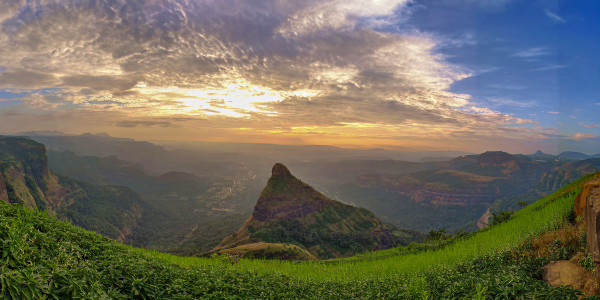
- Duke's Nose (Nagphani): Located in Khandala, this impressive cliff gets its name from its resemblance to the Duke of Wellington’s nose, but its local name, Nagphani (Cobra's Hood), is more descriptive of its prominent, tapered shape. It is a popular spot for climbing, rappelling, and trekking in Khandala.
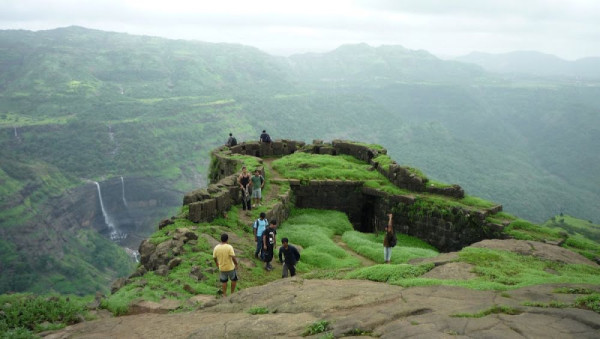
- Rajmachi Point: Offers a stunning view of the historic Rajmachi Fort (comprising two fortresses: Shrivardhan and Manaranjan) and the surrounding valley, especially the area through which the Mumbai-Pune Expressway cuts.
2. Historical Forts and Caves
These sites offer a blend of history and adventure.
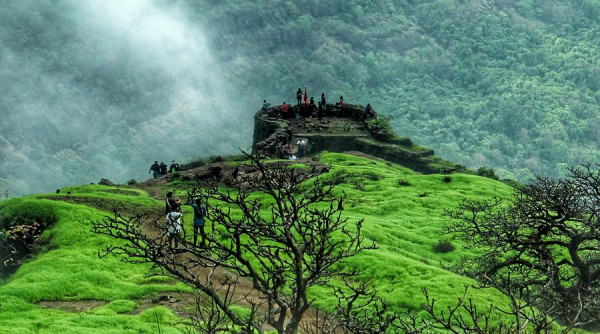
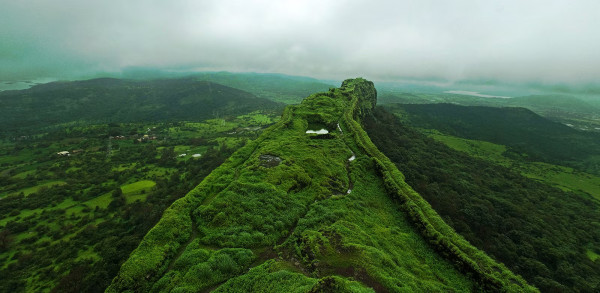
- Lohagad Fort Trek: An ideal day trek, especially for beginners and families, known for its iconic scorpion's tail (Vinchu Kata) ridge. The trek is rewarded with a panoramic view of the Pawna Lake and the surrounding hills.
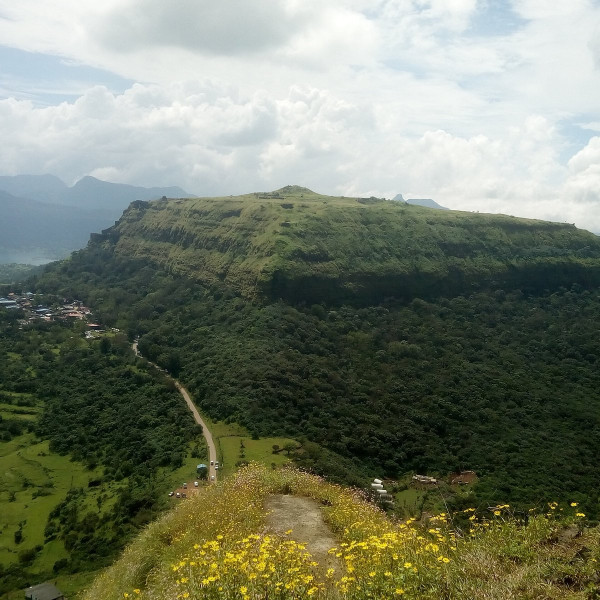
- Visapur Fort: Located next to Lohagad, it offers a slightly more challenging trek and is famous for its massive ruins and the natural beauty surrounding it. Many trekkers complete the Lohagad-Visapur trek in a single day.
3. Lakes and Dams (Monsoon Highlights)
- Bhushi Dam and Lake: The most popular monsoon spot. During the heavy rains, the dam overflows, creating a series of small, natural cascades over the steps. This is a favorite spot for tourists to sit in the flowing water, often cited as a must-do monsoon activity in Lonavala.
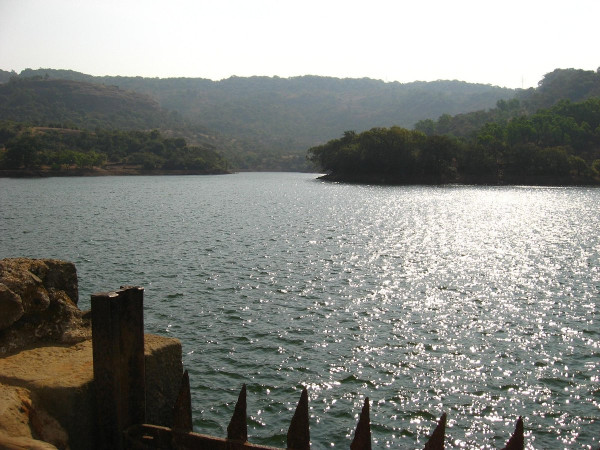
- Lonavala Lake (Monsoon Lake): A seasonal lake that fills up during the monsoon, becoming a tranquil spot for picnics, fishing, and birdwatching when the water level is high.
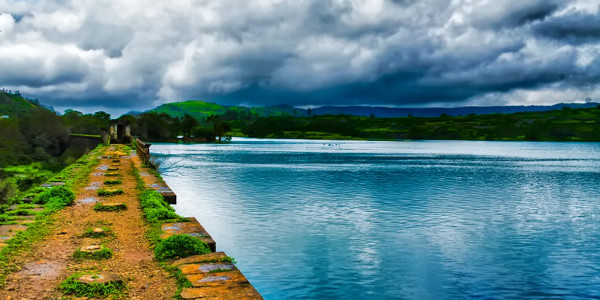
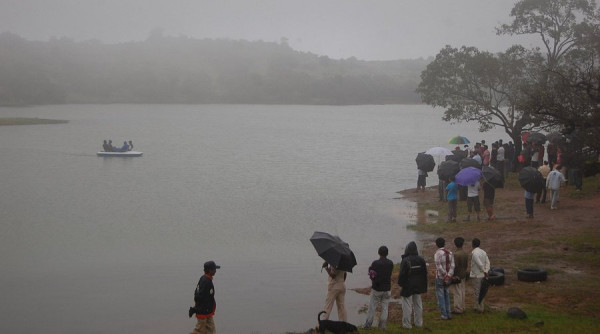
- Tungarli Lake: A lesser-crowded spot that offers a quiet, beautiful setting, particularly popular during sunset for photography and peaceful reflection.
4. Modern Attractions and Nature Retreats
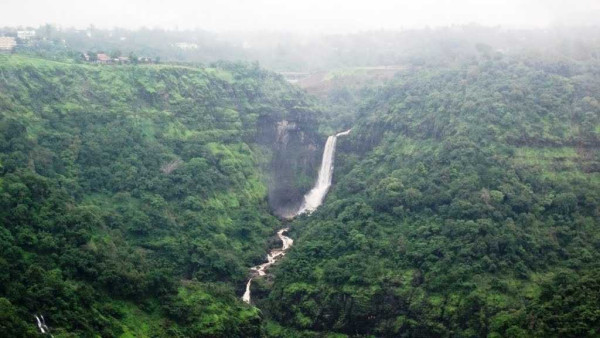
- Kune Falls: Cascading from a height of over 200 meters, Kune Falls is the largest waterfall in the Lonavala-Khandala region. It is spectacularly full and misty during the monsoon months.
- Ryewood Park: A sprawling, lush park known for its ancient, towering trees and tranquil environment, offering a quiet escape and a perfect spot for families.
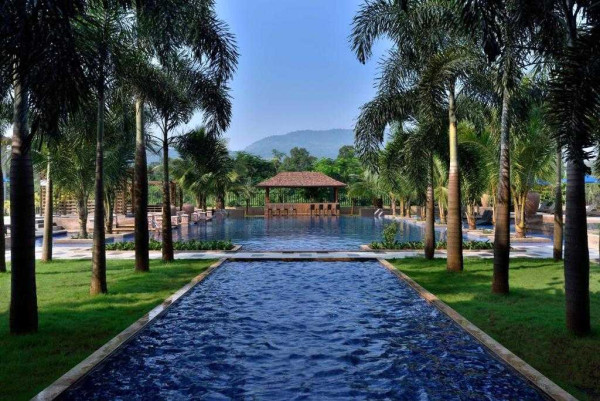
- Della Adventure Park: For those seeking adrenaline, this is one of India's largest and most popular adventure parks, offering a wide range of activities from dirt biking to zorbing. This is a popular family activity in Lonavala.
Temples and Spirituality: Seeking Peace in the Hills
The region holds spiritual significance, primarily through its ancient Buddhist sites and a few notable Hindu temples.
- Ekvira Devi Temple: As mentioned, this revered temple is a vital place of worship located near the Karla Caves. Devotees often visit the temple after climbing the 250 steps, seeking the blessings of the powerful goddess.
- Shree Narayani Dham Temple: Located in Lonavala, this large, relatively modern temple is dedicated to Goddess Narayani. Built entirely of white marble, it stands out for its calm atmosphere and beautiful architecture, often searched as a peaceful place to visit in Lonavala.

- Bhairavnath Temple: Located deep within the forests near the base of the Rajmachi Fort, this ancient temple dedicated to an incarnation of Lord Shiva, is a pilgrimage stop for trekkers and locals alike, offering a glimpse of local Konkan-style architecture.

Lonavala and Khandala are more than just transit points between two major cities; they are destinations in themselves. They offer a rare mix of easily accessible natural beauty, compelling history, and adventure, making them a consistently loved choice for a quick, refreshing, and rewarding getaway.
Top Things to Do & Activities in Lonawala And Khandala
Discover a world of unforgettable experiences and top activities at this destination! Whether you’re seeking adventure, cultural immersion, relaxation, or family fun, find the best things to do—from sightseeing and outdoor adventures to culinary delights, spiritual journeys, and local events. Enjoy every moment and make your trip truly memorable!