Discover Amazing Cherrapunji
Cherrapunji offers unique experiences like living root bridges, majestic waterfalls, deep caves, and lush valleys. Top activities include trekking, exploring viewpoints, and visiting Nohkalikai and Seven Sisters Falls.
About This Destination
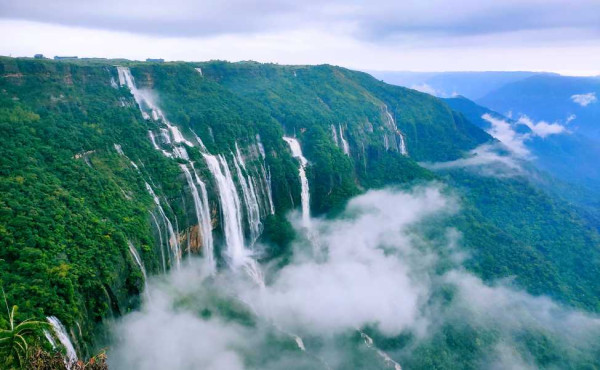
Shilon Cherrapunji Tour Package: Welcome to Sohra, universally known by its older, colonial name, Cherrapunji. This magical destination in the East Khasi Hills of Meghalaya is more than just the former wettest place on Earth; it is a profound landscape sculpted by rain, rooted in the ancient traditions of the Khasi people, and home to some of the most dramatic waterfalls and unique bio-engineered wonders you will ever encounter.
This comprehensive guide is designed for the inquisitive traveler, providing the practical, helpful content how to reach, when to go alongside the in-depth cultural and natural insights that people genuinely like and search for when planning a journey to this corner of Northeast India. If you are looking for the definitive Cherrapunji travel guide for adventure lovers or need details on the best trek to Double Decker Living Root Bridge, this narrative is your starting point.
How to Reach Sohra ( Cherrapuji )
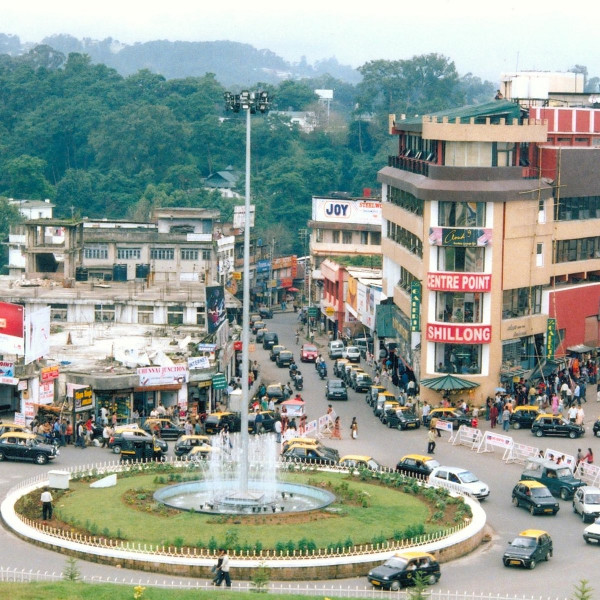
Cherrapunji, located about 56 kilometers south of the state capital Shillong, is best accessed by road, as Meghalaya has limited air and rail connectivity. Travelers usually start their journey from Guwahati in Assam and proceed to Shillong, which serves as the essential transit point.
Nearest Airport:

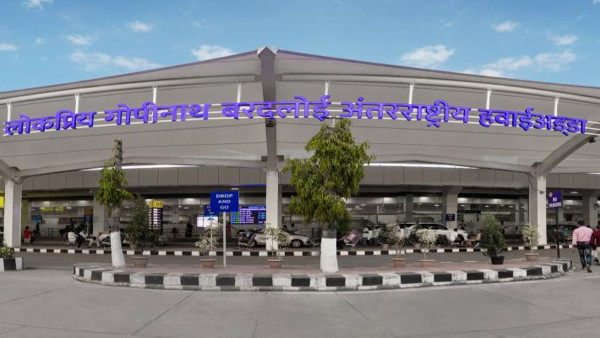
- Primary Hub: The Lokpriya Gopinath Bordoloi International Airport (GAU) in Guwahati, Assam, is the nearest major airport, connecting to all major cities across India. The road distance from GAU to Cherrapunji is approximately 150-185 km, and the drive takes about 4.5 to 5.5 hours, depending on traffic in the plains.
- Closer Option: The Shillong Airport (SHL), also known as Umroi Airport, is geographically closer to Cherrapunji (about 90 km away). However, it offers limited flight connectivity, mainly to cities like Kolkata. If you manage to find a suitable flight to SHL, it can save you significant driving time from Guwahati.
Nearest Railway Station
- Guwahati Railway Station (GHY), Assam, is the most important and well-connected railhead for travelers heading to Cherrapunji. GHY links Northeast India to the national rail network.
- Road Transfer: From Guwahati, you can hire a private taxi, take a shared cab (often a Tata Sumo), or board a bus destined for Shillong. From Shillong, you complete the final leg of the journey to Sohra. There is no direct railway connectivity to Cherrapunji.
By Road: The Scenic Drive
The road journey from Shillong to Cherrapunji is a spectacular experience in itself, offering breathtaking views of deep gorges, rolling hills, and the Mawkdok Dympep Valley.
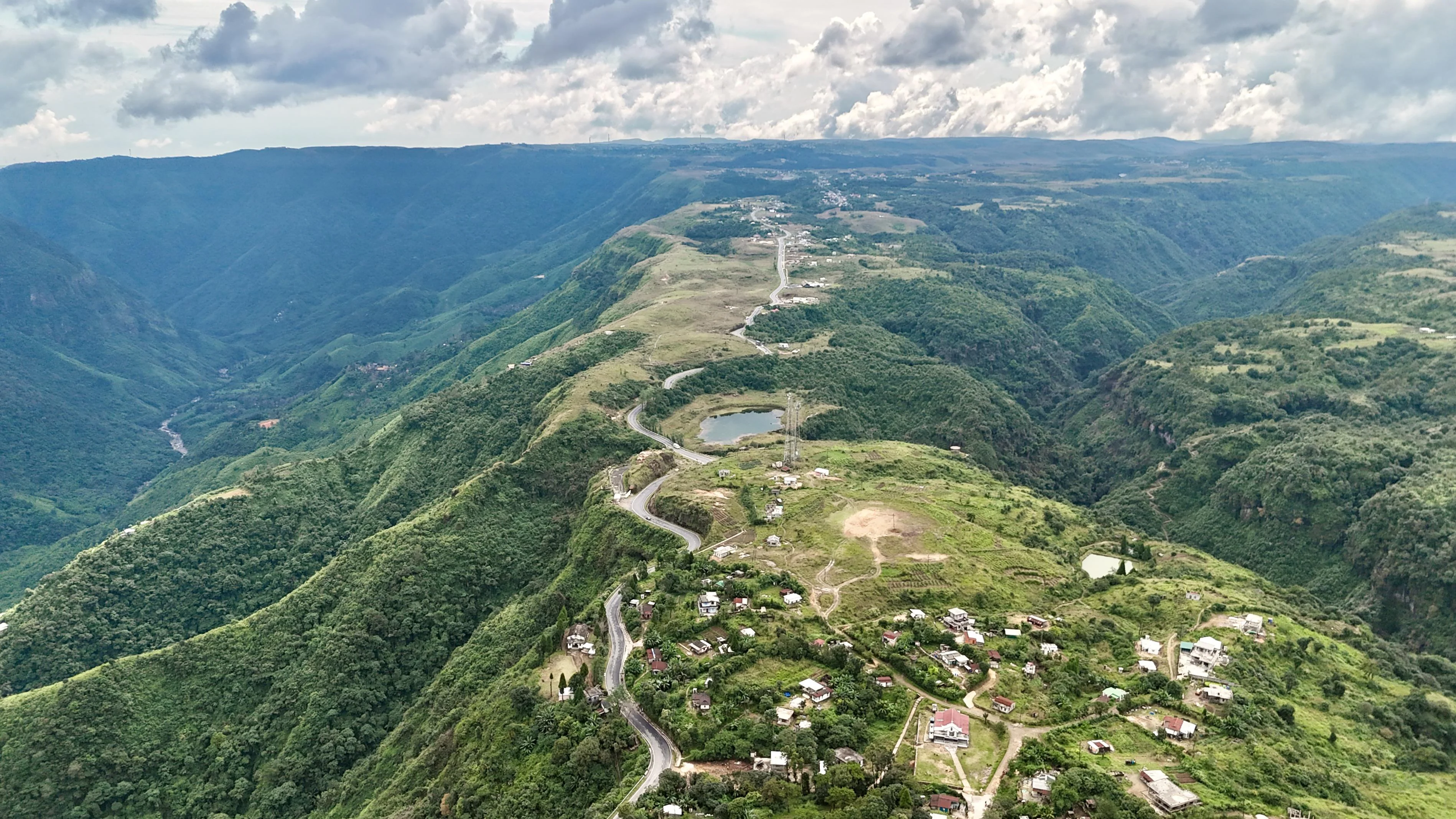
- Shillong to Cherrapunji: The distance is about 56-60 km, taking approximately 2 to 3 hours.
- Transport Options from Shillong: You can hire tourist taxis from the Police Bazaar area, opt for shared taxis (Sumos), which are more economical, or take a local bus. For a dedicated sightseeing experience, hiring a cab for the entire day is the most flexible option for visiting the waterfalls and caves en route.
Best Time to Visit: Waterfalls vs. Trekking
The best time to visit Cherrapunji truly depends on what experience you prioritize. Whether you want to witness the raw power of the waterfalls or undertake the challenging root bridge treks will guide your timing. A useful search query is when are the Living Root Bridges least slippery.
Monsoon (June to September):
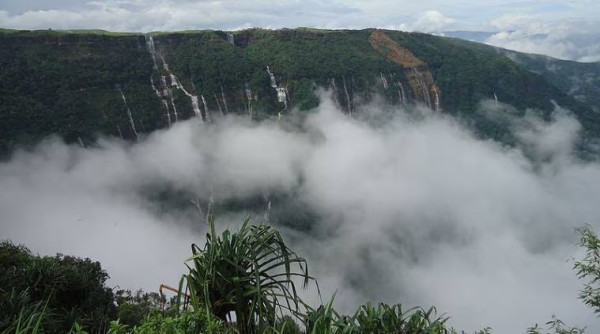
- The Scene: This is when Cherrapunji lives up to its name. The waterfalls, like Nohkalikai and Seven Sisters Falls, are in their full, thundering glory, cascading dramatically down the cliffs. The landscape is intensely green, lush, and incredibly vibrant.
- Travel Notes: Heavy, continuous rainfall can make roads slippery, cause occasional landslides, and result in heavy mist, which sometimes obstructs the grand views of the valleys and Bangladesh plains. Trekking to the Living Root Bridges can be difficult and dangerous due to slippery paths and leeches, making it the challenging choice for adventure seekers. This is the best time to see Nohkalikai Falls at its maximum flow.
Post-Monsoon & Winter (October to February):
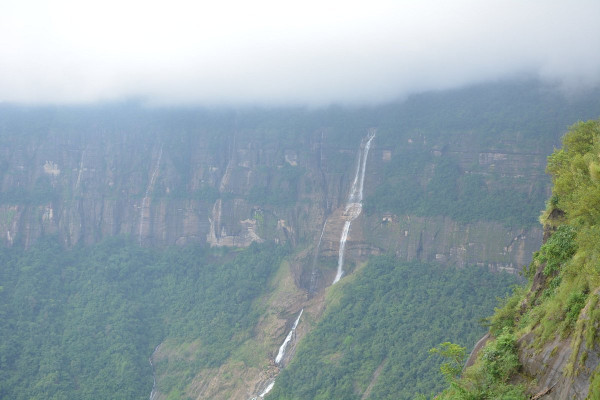
- The Scene: The skies are clearer, the visibility is excellent for enjoying the vast vistas from viewpoints like Mawkdok and Thangkharang Park, and the weather is cool and pleasant (daytime temperatures around 10°C to 20°C. The waterfalls are still significant in October and November before gradually slowing down.
- Travel Notes: This is considered the peak season for tourism due to the perfect trekking weather. The trails to the Double Decker Living Root Bridge and the Rainbow Falls are much safer, drier, and more enjoyable during this period. Book your Cherrapunji accommodation in advance if planning to visit between October and December.
History and Culture: The Khasi Matrilineal Heritage
Understanding the local context enhances the travel experience, moving beyond just sightseeing. Sohra's identity is inextricably linked to the Khasi tribe, whose unique traditions shape the area's social fabric.
The Name and The Legacy of Rain
The town was originally named Sohra by the local people. The name 'Cherrapunji' is believed to have originated during the British colonial era, derived from the local word for 'citrus fruit' (Cherra) or perhaps a mispronunciation of Sohra, combined with 'Punji' (village or cluster of villages). Today, the official nomenclature has reverted to Sohra, although 'Cherrapunji' remains the most common name globally. The British established it as a military and administrative outpost due to its cool climate, before shifting the capital to Shillong.
The Khasi Matrilineal System
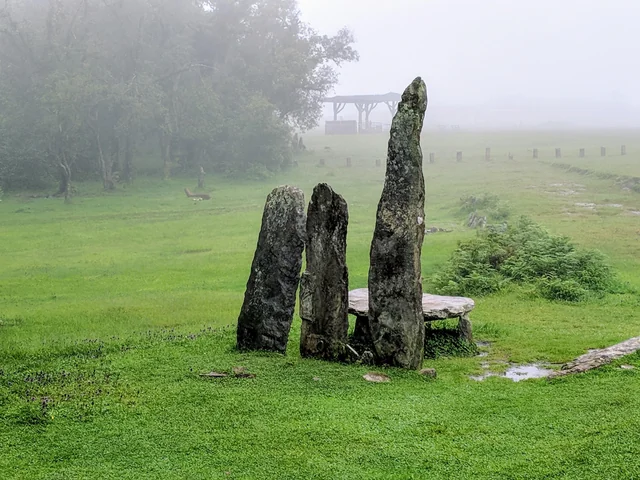
Cherrapunji is the heartland of the Khasi people, who follow a remarkably rare and fascinating matrilineal system.
- Inheritance: Ancestral property and wealth are traditionally passed down to the youngest daughter (Ka Khadduh), who is also responsible for caring for her elderly parents and performing family ceremonies.
- Surname: Children adopt the mother's surname.
- Residence: After marriage, the husband often moves into the wife's family home (matrilocal residence).
This powerful social structure ensures that women hold a high status and a central role in society, a stark contrast to the patriarchal norms prevalent elsewhere in India. Interacting with the locals offers a rare glimpse into this unique and evolving Khasi women-centric society.
Temples and Religious Sites
Unlike many Indian destinations, Cherrapunji is not a center for ancient Hindu temple architecture. The region's spiritual focus is predominantly on indigenous faith (Ka Niam Khasi), often worshiping nature, and later, Christianity, introduced by the Welsh Presbyterian missionaries in the 19th century.
- Ramakrishna Mission Ashram: This mission is a significant spiritual and educational center that provides valuable services to the local community and is a peaceful place to visit.
- Presbyterian Churches: Historic churches in Sohra stand as prominent architectural symbols of the missionary influence on the region's culture and education.
Things To Do: Waterfalls, Caves, and Epic Treks
Cherrapunji is an adventure seeker's dream, famous for its colossal waterfalls, deep limestone caves, and the magnificent living root bridges. A 2-to-3-day itinerary is recommended to cover the highlights, with a focus on trekking for those who seek the root bridges.
The Majestic Waterfalls
No trip to Cherrapunji is complete without witnessing the sheer power and beauty of its cascades.
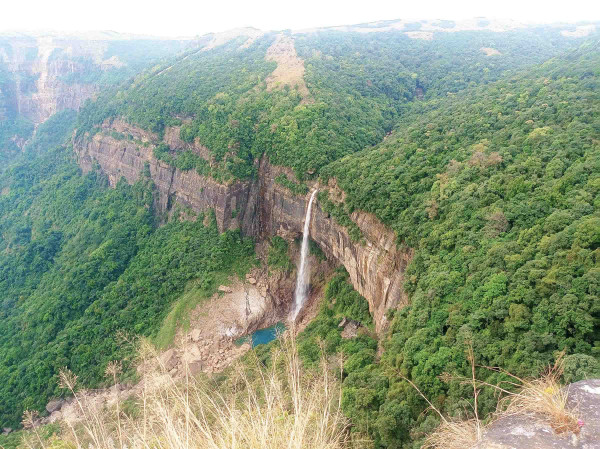
- Nohkalikai Falls: Standing at 1,115 feet, this is India's tallest plunge waterfall. It is named after a tragic local legend (the story of Ka Likai). The sight of the water plunging into the unique blue-green pool below, especially after a good rain, is unforgettable and a top search for highest waterfalls in Meghalaya.
- Seven Sisters Falls (Nohsngithiang Falls): This spectacular natural wonder consists of seven segmented streams falling over a steep cliff, symbolizing the seven states of Northeast India. It is best viewed during the monsoon when all seven segments are clearly visible.
- Dainthlen Falls: Known for its broad, impressive flow and the mythological tale associated with a great serpent (Thlen) that was slain here by the local people. The natural potholes on the rock bed are a distinctive feature.
- Kynrem Falls: A beautiful three-tiered waterfall visible from the road, located within Thangkharang Park, offering a misty, scenic panorama.
The Wonders of Bio-Engineering
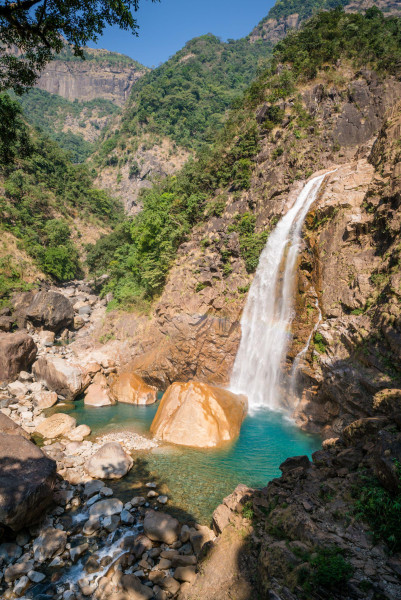
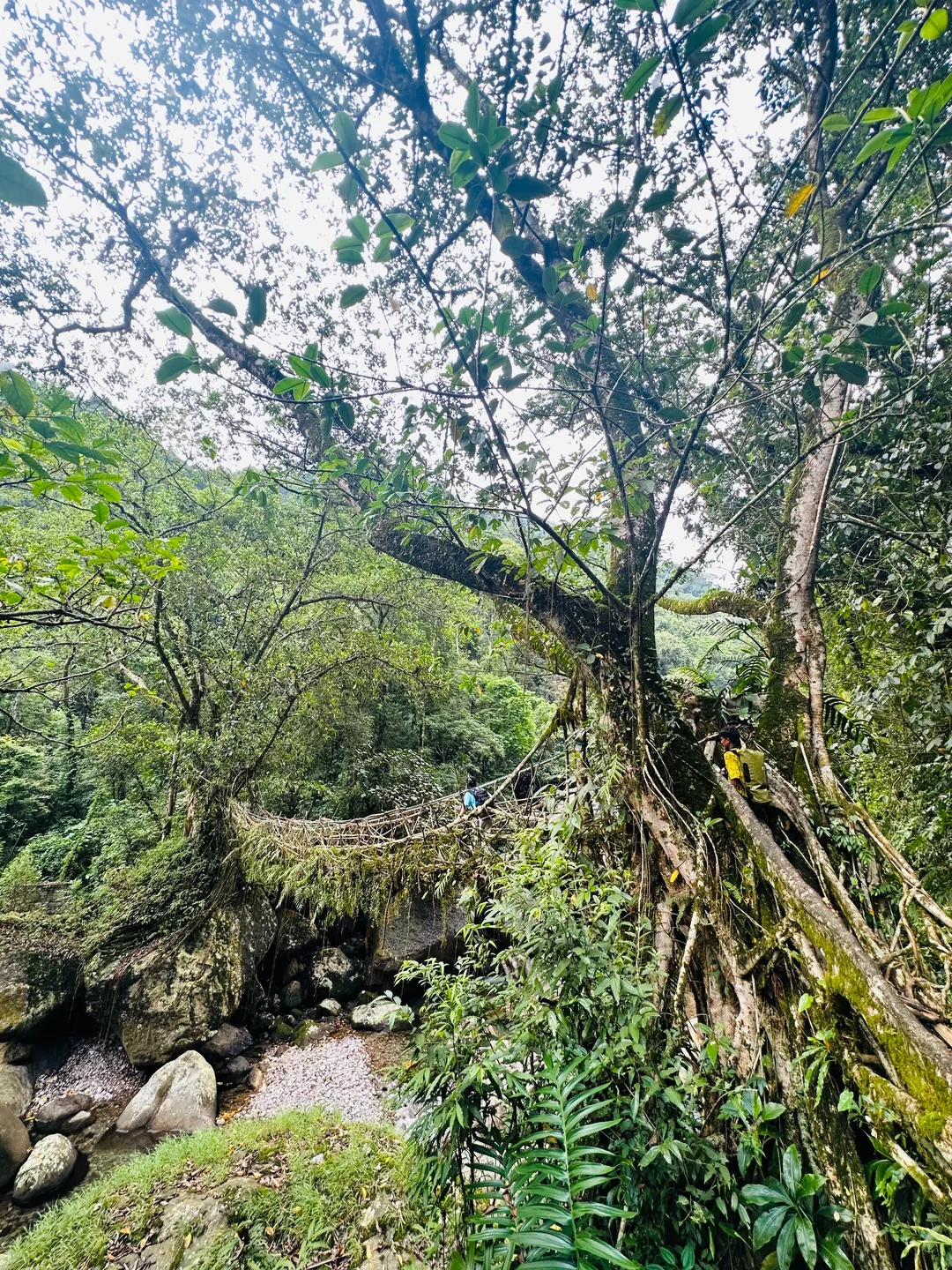
- Double Decker Living Root Bridge (Jingkieng Nongriat): This is Cherrapunji’s signature attraction and the ultimate trekking destination. Located in Nongriat village, this centuries-old bridge is cultivated from the roots of the Ficus Elastica tree. The trek involves descending (and subsequently climbing) approximately 3,000 steps from Tyrna village. It is a strenuous but immensely rewarding experience, often searched using the long-tail keyword difficulty level of Double Decker Root Bridge trek.
- Rainbow Falls: Located further past the Double Decker Bridge, this cascade requires an additional trek of about 1.5 to 2 hours from Nongriat. Its name comes from the frequent sight of a rainbow forming in the mist near the pool, provided the sun is shining. This is one of the hidden gems of Cherrapunji trekking.
Exploring the Subterranean World (Caves)
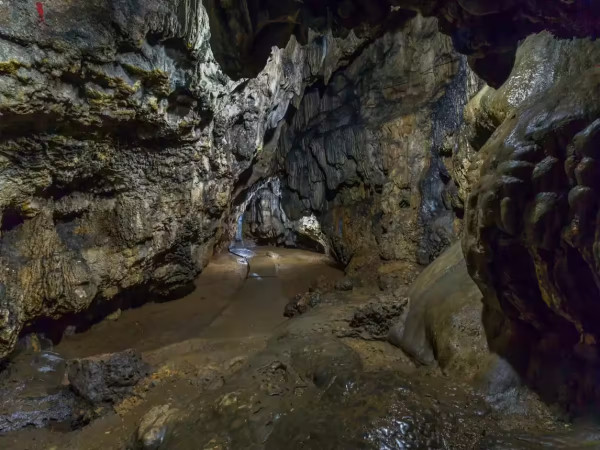
Cherrapunji's plateau is rich in limestone, leading to numerous cave systems perfect for spelunking and adventure tourism.
- Mawsmai Cave: This is the most accessible and tourist-friendly cave, located close to Sohra town. It is well-lit, and only a short section (about 150 meters) is open to the public, allowing for an easy walk through impressive stalactite and stalagmite formations.
- Arwah Cave: A slightly lesser-known gem, this cave system is famous for its intricate limestone formations and the fossilized remains of marine creatures found within its walls, offering an exciting journey for those interested in geology and ancient history.
The Panoramic Viewpoints and Parks
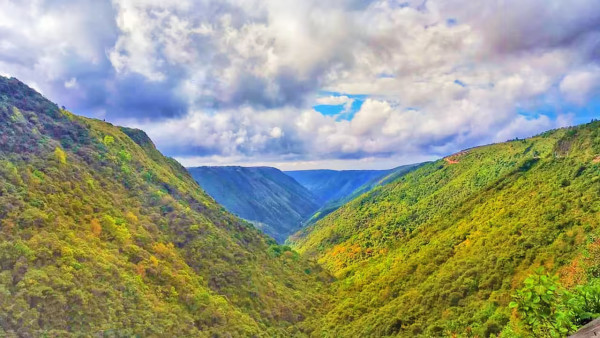
- Mawkdok Dympep Valley View Point: Located on the Shillong-Sohra highway, this viewpoint offers the first and most magnificent view of the deep valley and the surrounding green canyons, complete with a popular zipline activity for adrenaline seekers.
- Thangkharang Park: Situated on a cliff overlooking the plains of Bangladesh, this park offers a fantastic perspective of the Kynrem Falls and features the distinctive Khoh Ramhah (Giant Conical Rock), which figures prominently in local folklore.
- Eco Park: A government-managed park offering panoramic views of the Seven Sisters Falls and the Sylhet plains of Bangladesh. It is an excellent spot for a family picnic or photography.
Cherrapunji offers an unforgettable blend of natural spectacle and ancient culture, making it an essential destination for anyone planning a comprehensive North East India adventure trip.
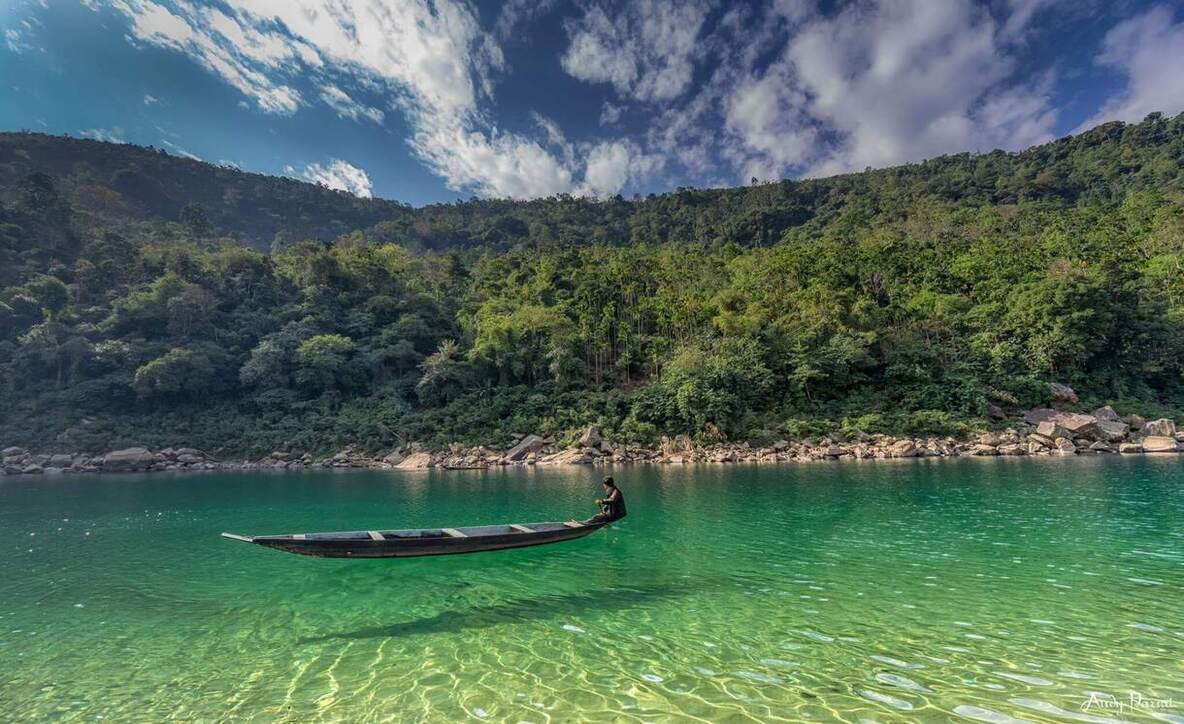
Top Things to Do & Activities in Cherrapunji
Discover a world of unforgettable experiences and top activities at this destination! Whether you’re seeking adventure, cultural immersion, relaxation, or family fun, find the best things to do—from sightseeing and outdoor adventures to culinary delights, spiritual journeys, and local events. Enjoy every moment and make your trip truly memorable!