Discover Amazing Ajmer
Discover Ajmer, Rajasthan's spiritual heart, home to the sacred Dargah Sharif, historic temples, scenic Ana Sagar Lake, and vibrant bazaars. A perfect blend of devotion, culture, and heritage awaits you.
About This Destination
Ajmer is the kind of city that arrests your attention with a profound spiritual gravity. Unlike the flamboyant, tourist-focused glamour of Jaipur or Jodhpur, Ajmer is a working, pulsing city of pilgrimage. It’s where history is not just preserved in museums, but is a vibrant, living presence in its streets, where the echoes of Rajput battles blend with the serene chants of Sufi poetry.
Nestled within the Aravalli Hills, Ajmer’s core identity is one of spiritual harmony a rare and beautiful blend of Hindu and Islamic devotion. It served as the capital for the mighty Chauhan dynasty before becoming a vital centre for the Mughals, and its architecture beautifully reflects this syncretic past.
As a travel planner, I believe a visit to Ajmer is essential for anyone seeking the true, beating heart of Rajasthan, particularly its spiritual depth. It’s a place that asks for respect, offers incredible cultural immersion, and serves as the perfect gateway to one of India’s most famous annual events the Pushkar Fair.
Reaching the Spiritual Nexus: Ajmer Logistics
Ajmer’s central location in Rajasthan makes it an exceptionally easy stop on any Golden Triangle or Rajputana itinerary. It is a vital transport hub, connecting the North Indian plains to the western desert regions.
How To Reach Ajmer
- By Air:
- Nearest Major Airport: Jaipur International Airport (JAI). While Ajmer does have its own small Kishangarh Airport (KQH), Jaipur remains the most reliable hub for national and international connections.
- The Road Connection: The Jaipur to Ajmer distance is approximately 135 to 140 kilometres via the NH48 Expressway. The journey is smooth and takes around 2.5 to 3 hours by private car or taxi, making it an easy drive or transfer.
- By Rail (Recommended):
Ajmer Junction (AII) is a major railway station and is excellently connected. This is often the most comfortable and efficient way to arrive. Direct trains run regularly from Delhi, Jaipur, Mumbai, Ahmedabad, and other major cities.
-
- Train from Jaipur: This route is frequent, inexpensive, and fast, often taking under 2 hours for express services.
- By Road:
The city is situated directly on the Delhi-Mumbai section of the Golden Quadrilateral, ensuring excellent road connectivity. State buses (RSRTC) and private operators run constant services from nearby cities like Jaipur, Udaipur, and Jodhpur.
Timing is Everything: Best Time to Visit Ajmer
Due to its location in a semi-arid region, Ajmer’s climate can be extreme. Timing your visit correctly is vital for comfort, especially given the crowded nature of its main attractions.
The Best Time to Visit: The Winter Peak (October to March)
This is the optimal window for sightseeing and enjoying the city.
- Weather: Cool, pleasant, and sunny. Daytime temperatures range comfortably between 15°C and 28°C. This weather is ideal for walking the crowded lanes to the Dargah, climbing the hills, and relaxing by the lake.
- Key Events:
- Pushkar Fair (October/November): Located just 15 km away, the world-famous Pushkar Camel Fair draws millions of visitors, making Ajmer a crucial transit point and base for the event.
- Urs Festival (March/April): The most significant event in Ajmer, commemorating the death anniversary of Khwaja Moinuddin Chishti. The city bursts with pilgrims, Qawwali performances, and a profound atmosphere of devotion.
- Warning: While spiritually powerful, the Urs can mean extremely high crowds and booked-out accommodation.
Seasons to Consider
- Monsoon (July to September): The Aravalli hills turn lush green, offering beautiful scenery around the lakes. The heat is less intense than summer, and hotel prices are often lower, making it a good choice for budget travellers who don't mind occasional downpours.
- Summer (April to June): Avoid if possible. The heat is severe, often exceeding 40°C. Sightseeing becomes a difficult ordeal, except for those visiting specifically for the Urs festival, which sometimes falls in April.
The Essential Ajmer Tourist Places: A Journey Through History and Faith
Ajmer’s attractions are tightly packed, making it easy to cover the main sites in a full day or two, especially when combined with a trip to Pushkar.
Ajmer Sharif Dargah: The Heart of the City
This shrine is the final resting place of the Sufi saint Khwaja Moinuddin Chishti, known as Gharib Nawaz (Benefactor of the Poor). It is the soul of Ajmer, attracting people of all faiths who come to offer prayers and seek blessings.
- The Experience: The approach is through crowded, narrow bazaars, a sensory rush of flowers, incense, and devotional qawwali music. The white marble courtyard, tombs, and the massive deghs (cauldrons) where offerings are cooked create a potent spiritual atmosphere.
- Etiquette: Dress modestly (cover head, shoulders, and knees scarves are often provided or can be rented). Visitors are expected to leave phones and bags in lockers outside the inner shrine. The experience of joining the long queue to make an offering (chadar) at the tomb is deeply moving.
Adhai Din Ka Jhonpra: An Architectural Puzzle
Located just behind the Dargah, this remarkable structure is one of the oldest surviving mosques in India and a stunning example of Indo-Islamic architecture.
- The Legend: Its name literally means "Shed of Two and a Half Days," referring to the incredibly short time frame in which its conversion from a Sanskrit college (built by the Chauhans) to a mosque was supposedly accomplished by Qutb-ud-din Aibak in 1192 AD.
- The Marvel: Focus on the stunning screen wall seven arches covered in dense, detailed Arabic calligraphy and geometric designs that coexist with the older, intricate Hindu and Jain pillars of the original structure. It is a masterful, if forceful, fusion of styles.
Ana Sagar Lake and Daulat Bagh: Mughal Tranquility
This massive artificial lake was built in the 12th century by Arnoraj Chauhan, the grandfather of Prithviraj Chauhan. It serves as a beautiful natural oasis in the city.
- Experience: Visit the Daulat Bagh, a scenic garden built by Mughal Emperor Jahangir along the banks. Further beautified by Shah Jahan, the park features marble pavilions (Baradari). This is the perfect spot for a quiet sunset or sunrise, with boating options available on the lake.
Soniji Ki Nasiyan: The Golden Temple
Also known as the Ajmer Jain Temple, this 19th-century marvel is dedicated to the first Jain Tirthankara, Rishabhanatha.
- The Highlight: The main attraction is the Swarn Nagri (City of Gold) chamber. This is an elaborate, richly detailed model of the ancient Jain mythological city of Ayodhya, created using tons of gold plating and intricate wooden figures. It's a breathtaking, glittering display unlike any other religious site in Rajasthan.
Taragarh Fort: The Star Citadel
Perched high on the crest of the Aravalli hills, this mighty 12th-century fort was the original seat of the Chauhan rulers and offered a strategic defensive advantage.
- Experience: The fort is largely in ruins, but the climb (or drive) is worth it for the incredible panoramic views it offers of Ajmer city, the surrounding hills, and the distant Ana Sagar Lake. You can also visit the shrine of Miran Saheb inside the complex. It's an excellent early morning activity.
The Unmissable Detour: Pushkar
You cannot plan a trip to Ajmer without incorporating the sacred town of Pushkar, located just 15 km away. The two are usually visited together in a single day trip or an overnight stay.
- Pushkar Lake: Revered by Hindus, this holy lake is surrounded by 52 bathing ghats. Devotees believe a dip here during Kartik Purnima (full moon) brings salvation. The evening aarti (prayer ceremony) at the lake is a beautiful, deeply traditional spectacle of flickering lamps and chanting.
- Brahma Temple: Pushkar is home to one of the very few existing temples dedicated to Lord Brahma in the world. Its distinct red spire and marble structure are a major pilgrimage site.
- Pushkar Fair: If your travel dates align (usually October or November), attending the fair is a kaleidoscopic explosion of culture, cattle trading, and religious devotion a truly once-in-a-lifetime experience.
Travel Planner Tips for Ajmer
- Dress Modestly: This is especially important for the Dargah and temples. Carry a shawl or scarf with you to cover your head and shoulders as a sign of respect.
- Local Transport: Auto-rickshaws are the main mode of local transport. Be sure to agree on the fare before you start your journey. For travel between Ajmer and Pushkar, local buses and shared taxis are readily available and very economical.
- Security: Due to the high foot traffic, particularly around the Dargah, be mindful of your belongings. Also, be polite but firm with the local touts and unofficial guides offering services near the shrine; hiring official guides or entering independently is recommended.
- Cuisine: Ajmer is a foodie heaven, specializing in traditional Rajasthani and Mughal-influenced street food. Look out for local sweets and the spicy, savoury snacks sold in the bustling bazaars.
Frequently Asked Questions
- What is Ajmer famous for? Ajmer is known for Ajmer Sharif Dargah, a major Sufi shrine attracting pilgrims worldwide.
- When is the best time to visit Ajmer? Between October and March, when the weather is cool and pleasant.
- How far is Ajmer from Jaipur? About 130 km, roughly a 3-hour drive.
- Is Ajmer safe for tourists? Yes, Ajmer is generally safe for solo and family travelers.
- Can I visit Pushkar from Ajmer? Yes, Pushkar is only 15 km away and easily accessible.
- What is served at Ajmer Sharif Dargah? Visitors often receive blessings in the form of sweets and chadars.
- Are non-Muslims allowed in Ajmer Dargah? Yes, the Dargah welcomes visitors from all religions.
- Which are the best markets in Ajmer? Naya Bazaar and Dargah Bazaar are famous for souvenirs and local crafts.
- Is photography allowed inside the Dargah? Photography is restricted in some inner areas — follow the posted guidelines.
- Where can I plan a trip to Ajmer? Visit Tickets to Trip for custom Ajmer travel packages.
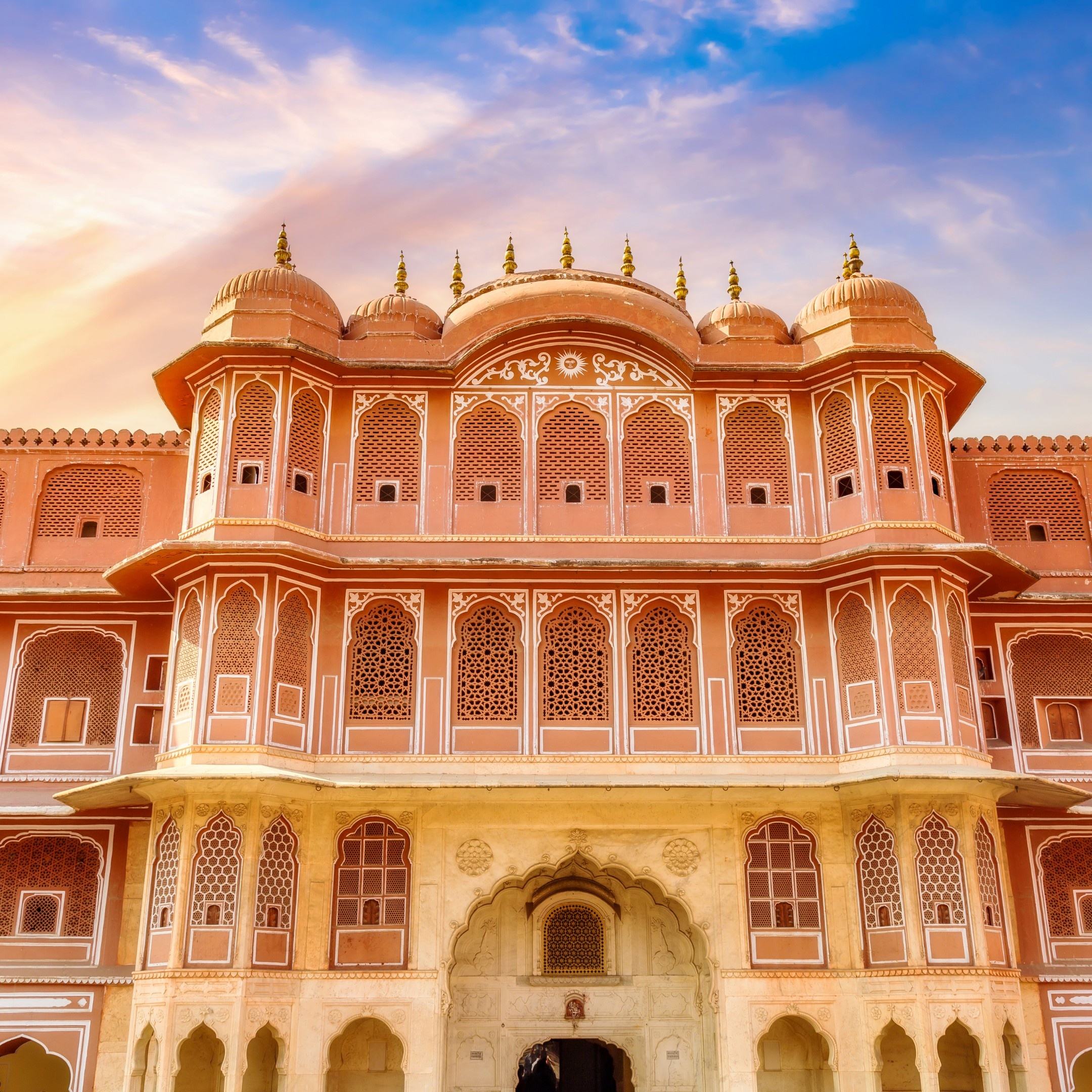
Top Things to Do & Activities in Ajmer
Discover a world of unforgettable experiences and top activities at this destination! Whether you’re seeking adventure, cultural immersion, relaxation, or family fun, find the best things to do—from sightseeing and outdoor adventures to culinary delights, spiritual journeys, and local events. Enjoy every moment and make your trip truly memorable!