Discover Amazing Alwar
Discover Alwar, a historic gem in Rajasthan offering magnificent forts, serene lakes, rich wildlife, and vibrant heritage. Perfect for history buffs, nature lovers, and adventure seekers exploring royal Rajasthan.
About This Destination
Alwar, often referred to as the "Gateway City of Rajasthan," offers a captivating blend of rugged Aravalli landscapes, rich Rajput heritage, and proximity to one of India’s most famous wildlife sanctuaries. Strategically located within the National Capital Region (NCR), it is a prime choice for a historical weekend getaway from Delhi and a base for exploring the famous Sariska Tiger Reserve.
What makes Alwar popular is its ability to deliver a genuine Rajasthani experience without the overwhelming tourist crowds of Jaipur or Udaipur. Travelers consistently like the historical depth of its forts, the eerie mystery of Bhangarh, and the serene beauty of its lakes. This guide provides actionable and organized content to help you navigate this ancient city, ensuring your Alwar sightseeing trip is smooth, memorable, and filled with discovery.
How to Reach Alwar
Alwar's excellent rail and road connectivity, especially to Delhi, makes it one of the easiest heritage destinations to reach in Rajasthan.
Nearest Railway Station: Alwar Junction (AWR)
- Alwar Junction (AWR): This is the primary and most convenient access point. Alwar lies on the crucial Delhi-Jaipur railway line and is served by a large number of express and superfast trains, including the Ajmer Shatabdi and the Vande Bharat Express, making the rail journey fast and comfortable.
- Connectivity: The train journey from New Delhi Railway Station (NDLS) or Delhi Sarai Rohilla (DEE) is incredibly quick, often taking as little as 2 hours to 2 hours 30 minutes. This makes Alwar an ideal destination for a day trip or quick weekend tour from Delhi.
- Cheapest Option: Train travel is also frequently the cheapest way to reach Alwar.
Nearest Airports
Alwar does not have its own airport. Visitors must use the major city hubs.
- Indira Gandhi International Airport, Delhi (DEL): Located approximately 150-170 kilometers away, Delhi's airport is the nearest international air hub to Alwar and the preferred arrival point for travelers from other parts of India and the world. From DEL, the onward journey is best completed by road or train to Alwar Junction.
- Jaipur International Airport (JAI): Situated about 150 kilometers away, Jaipur also offers excellent domestic connectivity and is another viable option, with the onward journey to Alwar by road taking around 3-4 hours.
By Road: Seamless Highway Travel
Alwar is well-connected via National Highway 48 (NH 48), which links Delhi and Jaipur.
- Self-Drive/Taxi: The road distance from Delhi is approximately 160-170 kilometers, and the drive, especially on the expressway section, is smooth and generally takes 3 to 4 hours, depending on traffic. Hiring a private taxi is a popular option for a hassle-free journey.
- Bus Services: The Rajasthan State Road Transport Corporation (RSRTC) and private operators run frequent, direct bus services from Delhi's Kashmiri Gate Bus Stand to the Alwar Bus Stand, offering a very economical travel choice.
Best Time to Visit:
Alwar experiences the typical semi-arid climate of Rajasthan, making the winter months the most pleasant for exploration.
- Winter (October to March): The Peak Season
- What to Expect: This is the best time to visit Alwar. The weather is cool and pleasant, with daytime temperatures ranging from 17°C to 25°C. The clear skies and gentle warmth are ideal for sightseeing, heritage walks, and spending time outdoors.
- Best For: Sariska Tiger Safaris, trekking up to the Bala Quila, and visiting the Bhangarh Fort. This is also when the Matsya Festival (typically late November/early December) takes place, showcasing Alwar's culture.
- Monsoon (July to September): Lush Greenery and Budget Travel
- What to Expect: Alwar receives moderate rainfall, which brings welcome relief from the heat and transforms the Aravalli hills and the Sariska region into a lush green landscape.
- Best For: Enjoying the revitalized landscape, lakeside retreats at Siliserh, and budget travelers, as accommodation rates are often lower during this moderate season.
- Summer (April to June): Extreme Heat
- What to Expect: Summers are intensely hot and dry, with temperatures regularly soaring past 40°C. Outdoor sightseeing during the day becomes challenging.
- Travel Note: While not ideal, early mornings and late evenings can still be utilized. This is the off-season for Alwar and is best for those seeking significant hotel discounts.
History: Matsya Kingdom to Princely State
Alwar's history stretches back into mythology, claiming its origins in the ancient age before cementing its status as a pivotal Rajput kingdom.
Mythological and Ancient Roots
Alwar is traditionally identified with the ancient Matsya Desh (Matsya Kingdom), a territory that existed around 1500 BC. According to the epic Mahabharata, the Pandavas spent the last year of their exile (Agyaatvaas) in the nearby region of Viratnagar (now Bairath). This deep mythological connection makes Alwar one of the most ancient continuously inhabited regions in Rajasthan.
The Foundation of the Princely State
The modern state of Alwar was established much later in the 18th century.
- Rao Pratap Singh: The founder of the Alwar state, Rao Pratap Singh Naruka, a Rajput chief, is credited with formally establishing the independent princely state. He captured the imposing Bala Quila (Alwar Fort) in 1775 AD, marking the start of the Naruka dynasty's rule over Alwar (then often spelled Ulwar).
- Architectural Patronage: His successor, Maharao Raja Bakhtawar Singh (1791-1815), was a great patron of art and architecture, responsible for building the magnificent City Palace (Vinay Vilas Mahal) and the stunning Moosi Maharani Ki Chhatri. He was also the first Rajput ruler to sign a treaty with the British East India Company in 1803.
- The Forts: The Bala Quila, though captured by Pratap Singh, has much older foundations, dating back to the 10th century. Its sheer size and strategic hilltop position are a testament to the importance of Alwar in regional history.
Alwar's heritage is defined by the blend of traditional Rajput fortifications and palaces with later Mughal and Indo-Islamic architectural elements, reflecting the centuries of shifting power dynamics in North India.
Places to Visit: Forts, Lakes, and Legends
Alwar offers a diverse itinerary, from haunting ruins and majestic forts to peaceful lakeside retreats.
1. The Historical Heart of Alwar City
- Bala Quila (The Young Fort): Ironically named the "Young Fort," this colossal structure is one of the oldest in the region. Perched atop a hill of the Aravalli range, the fort extends for over 5 kilometers, encompassing six gates and numerous towers.
- The View: The top of the Bala Quila provides a mesmerizing panoramic view of Alwar city and the surrounding Aravalli hills, a view that is highly liked by photographers and history buffs.
- City Palace (Vinay Vilas Mahal): Located at the foot of the Bala Quila, this striking 18th-century palace built by Raja Bakhtawar Singh is a masterpiece of Rajput and Mughal architectural fusion. The palace complex houses several essential attractions.
- The City Palace Museum: Housed within the palace, the Government Museum is a treasure trove of Alwar's royal history, displaying rare manuscripts (including one detailing the life of Emperor Babur), intricate Ragamala paintings and miniatures (a style for which Alwar is particularly famous), and a vast collection of antique weapons and armory.
- Moosi Maharani Ki Chhatri: Situated right next to the City Palace, this striking two-tiered cenotaph (chhatri) was built in memory of Maharaja Bakhtawar Singh and his Queen Moosi. Its architecture is beautiful: the lower section features red sandstone pillars, while the upper level is crafted from white marble, adorned with delicate domes and pavilions. Its lakeside setting adds to its tranquility.
2. Lakeside Serenity and Scenic Retreats
- Siliserh Lake and Palace: Located about 13 kilometers from Alwar, this picturesque lake was created in 1845 by Maharaja Vinay Singh to supply water to the city. The Siliserh Lake Palace, built on the edge of the water as a royal hunting lodge, has now been converted into a heritage hotel (RTDC), making it an ideal spot for lakeside leisure and boating. The sight of the palace jutting into the water is a famous Alwar scenic spot.
- Garbhaji Water Falls: A seasonal natural wonder near the city, this waterfall is particularly beautiful during and immediately after the monsoon, creating a refreshing oasis amidst the dry Aravallis. It’s a popular spot for nature lovers and a great photo opportunity.
3. The Mysterious and The Fortified
- Bhangarh Fort: About 90 kilometers from Alwar, this 17th-century fort is world-renowned as one of the most haunted places in India. While the paranormal reputation draws many, the fort is also an impressive archaeological site, featuring the ruins of temples, market places, and palaces set against the Aravalli backdrop. Entry is strictly prohibited between sunset and sunrise by the Archaeological Survey of India (ASI). A visit here is a popular spooky historical day trip from Alwar.
- Neemrana Fort-Palace: Though closer to Delhi, this magnificent 15th-century heritage hotel, now a part of the Neemrana Hotels chain, is often included in the broader Alwar-Bhiwadi circuit. It offers a luxurious heritage stay with panoramic views from its hilltop perch.
- Fateh Jung Gumbad: This striking five-storey tomb, dedicated to Fateh Jung, a minister of the Mughal Emperor Shah Jahan, showcases brilliant Indo-Islamic architecture, with a combination of domes and minarets that can be seen from a distance.
Things To Do: Safaris, Treks, and Spiritual Visits
Alwar provides a perfect blend of adventure and cultural immersion.
- Sariska Tiger Reserve Safari: This is the undisputed top activity in Alwar. Sariska is famous for its successful Royal Bengal Tiger reintroduction program. A jeep safari through the reserve offers a chance to spot tigers, leopards, wild boars, sambar deer, and a rich variety of birds. Booking Sariska safaris online well in advance is highly recommended, especially during the peak season (October-March).
- Pandu Pol Temple Trek: Located deep inside the Sariska Reserve, this site is associated with the Pandavas. The area features a natural archway believed to have been created by the Pandava Bhima. The ancient Hanuman Temple here, which houses a reclining idol, is a major pilgrimage spot and requires a peaceful walk or trek.
- Purjan Vihar (Company Bagh): A historical garden known locally as Simla (Summer House), created in the 19th century by Maharaja Sheodan Singh to provide a cool respite from the summer heat. It is a tranquil spot for a leisurely stroll.
- Jagannath Temple: A prominent local temple dedicated to Lord Jagannath (a form of Lord Krishna), highly revered by the local community. The temple is known for its architecture and vibrant local atmosphere.
- Naldeshwar Shrine: Situated in the hills near Sariska, this Lord Shiva shrine is tucked away inside a small cave, surrounded by thick greenery. The short trek required to reach it, and the tranquil environment, makes it a popular spot for a spiritual retreat in Alwar.
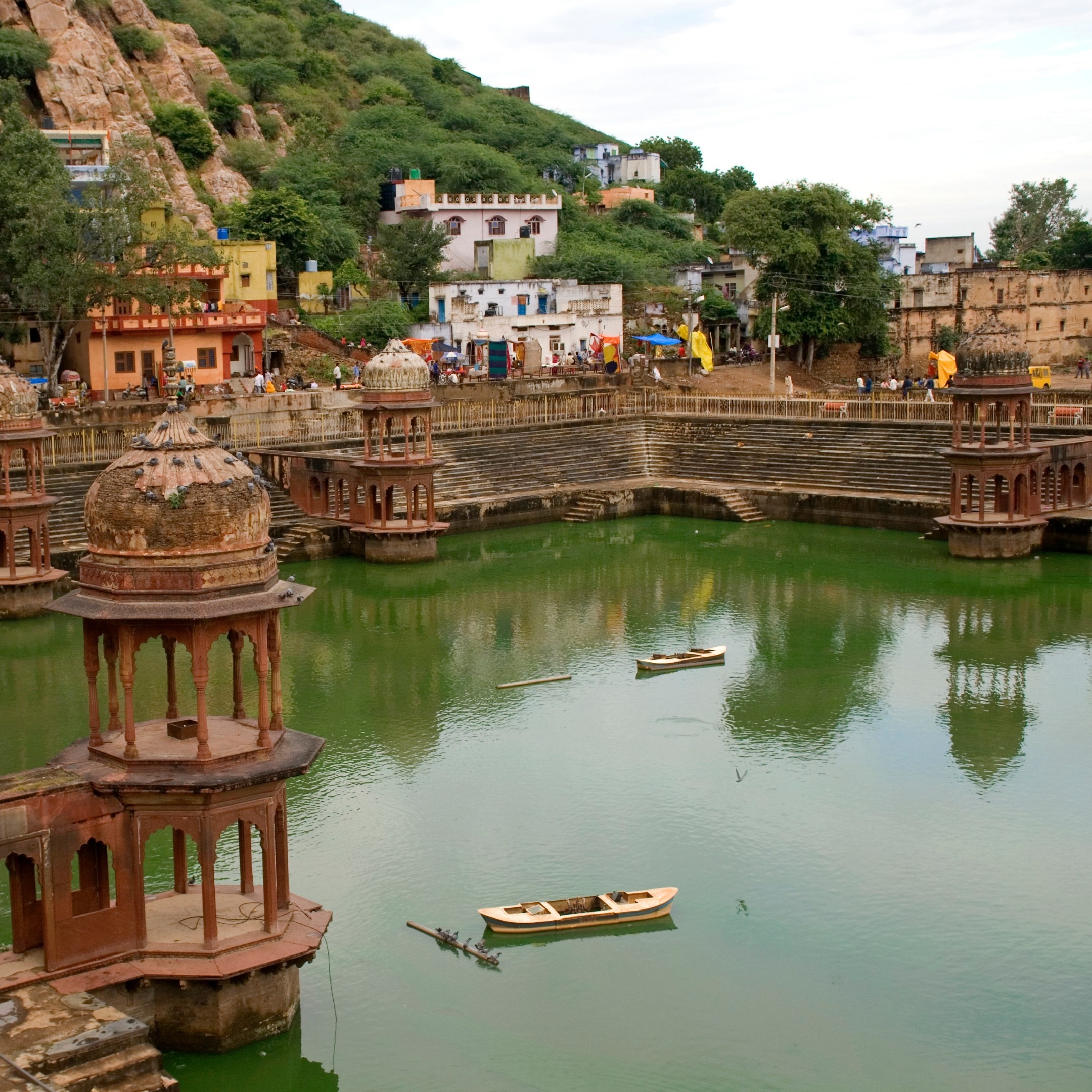
Top Things to Do & Activities in Alwar
Discover a world of unforgettable experiences and top activities at this destination! Whether you’re seeking adventure, cultural immersion, relaxation, or family fun, find the best things to do—from sightseeing and outdoor adventures to culinary delights, spiritual journeys, and local events. Enjoy every moment and make your trip truly memorable!