Discover Amazing Bikaner
Experience Bikaner's majestic forts, vibrant camel festivals, and rich desert heritage. Discover ancient temples, exquisite palaces, and delectable Rajasthani cuisine in this captivating city.
About This Destination
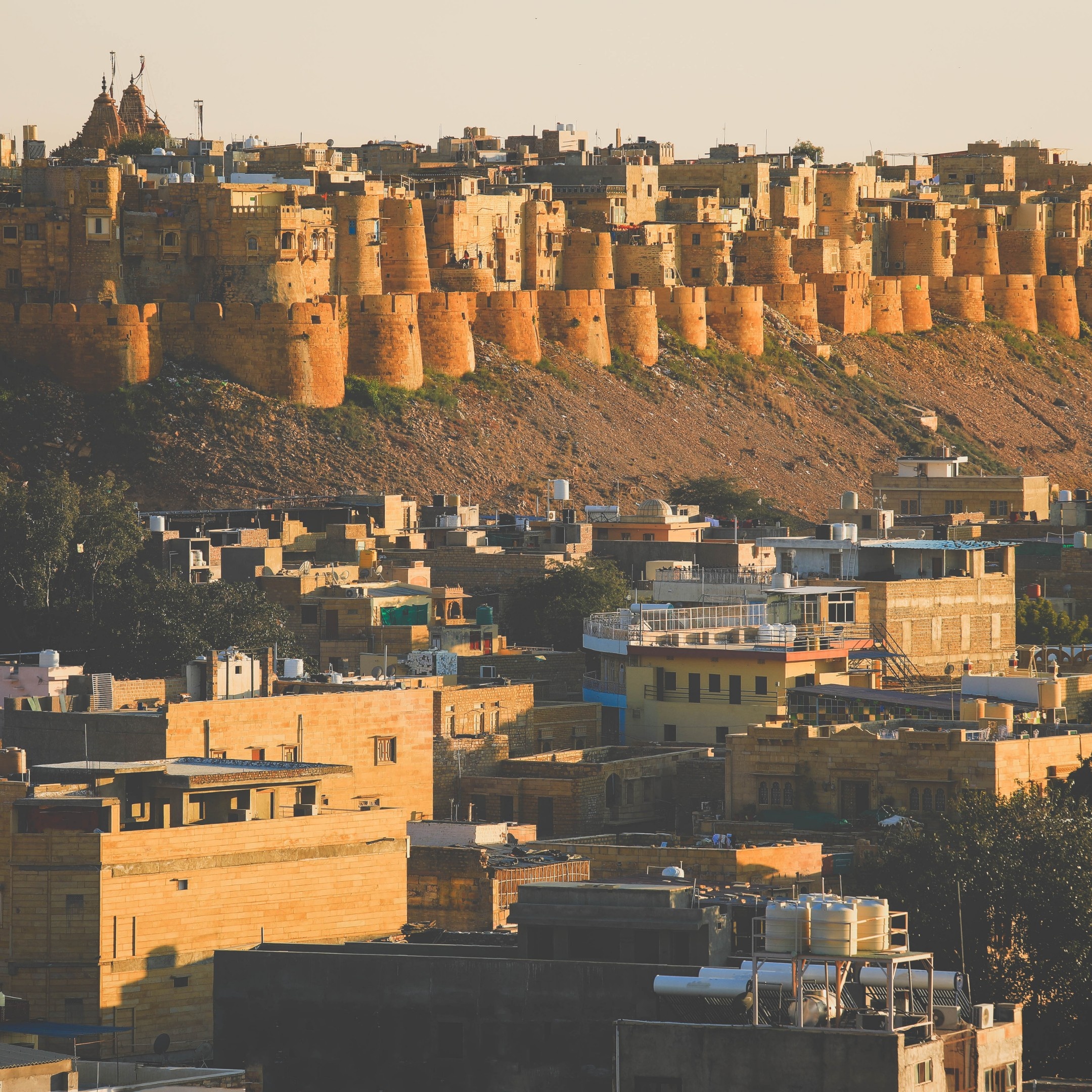
Bikaner, nestled in the heart of the Thar Desert in the North-Western part of Rajasthan, is a city brimming with red sandstone grandeur, ancient camel lore, and a unique spiritual devotion. Founded by the Rathore Rajput chief, Rao Bika, the city stands out for its well-preserved medieval fort, exquisite havelis, and a distinct desert culture. Unlike the hill-top fortresses of Jodhpur and Udaipur, Bikaner’s Junagarh Fort is built on the desert plain, a marvel of planning and architecture that has successfully withstood invasions.
This guide provides travelers with the comprehensive, logical content needed to plan a rewarding trip, ensuring you experience the best of the city's unique architectural and cultural highlights without missing any of its famed, and occasionally bizarre, attractions.
History: The Founding of Bika's Settlement
The history of Bikaner dates back to 1488 CE. The region was a desolate, arid wilderness known as Jangladesh. The founder of the city was Rao Bika, the eldest son of Rao Jodha, the powerful founder of Jodhpur. Driven by a desire to establish his own independent kingdom a response to a perceived slight from his father Rao Bika left Marwar with a small contingent of warriors.
He chose this arid land due to its strategic position on the ancient trade route that connected Central Asia with the port cities of Gujarat. The city, named after its founder, literally translates to "Bika's settlement."
The Unconquered Junagarh
The early fortifications established by Rao Bika fell into ruins, but the city's fortunes truly flourished a century later under Raja Rai Singhji (who ruled from 1571 to 1611). As a high-ranking general in the Mughal army under Emperors Akbar and Jahangir, Rai Singh earned considerable wealth and territories, which he used to construct the magnificent Junagarh Fort between 1589 and 1594 CE.
The fort is remarkable as it is one of the few major forts in Rajasthan not built on a hill-top. Despite this, the formidable structure, built on the plains and encircled by a moat, successfully resisted all attempts at major conquest, a source of immense pride for the Rathore rulers.
The Era of Grand Palaces
Later rulers continued to enrich the state and its capital. Maharaja Karan Singh, Anup Singh, and especially Maharaja Ganga Singh (1887–1943), a modern visionary, added many opulent palaces and cultural institutions. Ganga Singh was instrumental in transforming the desert region through irrigation projects and built the stunning Lalgarh Palace, shifting the royal residence from the old Junagarh Fort, which then earned its current name: Junagarh (Old Fort).
Architectural Wonders: The Fort and the Havelis
Bikaner's architecture is a feast of red and golden sandstone, showcasing a unique blend of Rajput, Mughal, and even European influences.
1. Junagarh Fort: The Unconquered Citadel
The fort is the main draw for travelers planning a Bikaner sightseeing tour. It is an outstanding example of military architecture and palatial grandeur, featuring 37 bastions and a moat.
- Architectural Style: A beautiful fusion of Mughal, Gujarati, and traditional Rajput styles. The fort is built of local red sandstone (Dulmera), contrasting with the detailed white marble used extensively in the interiors.
- Key Palaces and Halls: The fort complex is a labyrinth of exquisite structures:
- Anup Mahal: Known for its stunning Usta art a unique Bikaneri technique of gold naqqashi (embossing) and intricate painting on wood and camel hide.
- Karan Mahal: Built to celebrate a victory, showcasing beautiful stained glass windows and carved columns.
- Phool Mahal & Badal Mahal: The latter is famous for its blue walls painted with white clouds and rain motifs, symbolizing the importance of rain in the arid desert.
- The Museum: The fort houses a superb museum displaying royal costumes, armory, and historical artifacts.
2. The Rampuria Haveli Cluster
Tucked away in the narrow streets of the old city are the iconic Rampuria Havelis. These 15th-century mansions, built by wealthy Rampuria merchants, are celebrated for their incredible craftsmanship. They are a prime example of Bikaner's merchant architecture, featuring highly intricate carvings, exquisite jharokhas (balconies), and beautiful floral motifs in golden-red sandstone. Exploring the cluster offers a fascinating glimpse into the opulent lifestyle of the Marwari business community.
3. Lalgarh Palace
A breathtaking red sandstone palace built in the early 20th century by Maharaja Ganga Singh. It is a masterpiece of Indo-Saracenic architecture, designed by Sir Swinton Jacob. Part of the palace has been converted into a luxurious heritage hotel, while another section houses the Sadul Singh Museum, displaying the lives of the Bikaner Maharajas through artifacts and photographs.
How to Reach Bikaner
Bikaner, being a major city in Northern Rajasthan, offers multiple connectivity options, though its location in the desert means road and rail are often the most practical choices for travelers.
By Train (Highly Recommended)
- Main Stations: Bikaner Junction (BKN) and Lalgarh Junction (LGH).
- Connectivity: Rail is the most efficient and recommended way for travelers doing a Rajasthan circuit. Bikaner has excellent train connectivity to major Indian cities, including direct trains to Delhi, Jaipur, Jodhpur, Mumbai, and Kolkata. The overnight train from Delhi is a popular choice.
- Station to City: Both stations are located approximately 6 km from the city center, with taxis and auto-rickshaws readily available.
By Air (Limited Service)
- Airport: Nal Airport (BKB), also known as Bikaner Airport.
- Connectivity: Bikaner Airport is primarily a civil enclave with limited commercial operations. It currently offers limited daily or weekly flights, often connecting to Delhi or Jaipur. Always check the flight schedule well in advance.
- Nearest Major Airport: Jodhpur Airport (JDH), located about 250 km away (a 4-5 hour drive), or Jaipur International Airport (JAI) (about 330 km away) are often used by international or domestic travelers needing better flight frequency.
By Road (Excellent Highway Network)
- Highways: Bikaner is well-connected by National Highways, making it a common stop for travelers on a self-drive tour of the Thar Desert.
- Bus Services: Regular, comfortable bus services (RSRTC and private operators) connect Bikaner with Jodhpur (approx. 250 km), Jaipur (approx. 330 km), and Jaisalmer (approx. 330 km).
- Travel Tip: The roads in this region are generally excellent, but always account for the extra time needed when crossing the arid landscape.
Best Time to Visit Bikaner:
Given its desert location, choosing the best time to visit Bikaner is crucial for a comfortable experience exploring the open-air sites and temples.
- Peak Season (Best Time): October to March.
- Weather: This is the most popular time for tourists. The weather is cool, dry, and pleasant, with daytime temperatures ranging from a comfortable 10 °C to 25 °C. This is the ideal period for exploring the fort, riding camels, and enjoying local festivals.
- Highlight: The famous Bikaner Camel Festival takes place every January, a major draw featuring camel races, dances, and competitions.
- Shoulder Season (Monsoon): July to September.
- Weather: Bikaner receives minimal rain. The weather is warm and slightly humid, but far less intense than summer. Crowds are lower, making it a good time for budget-conscious travelers.
- Summer (Avoid): April to June.
- Weather: Summers are extremely hot, with temperatures often soaring well above 40 °C. Sightseeing, particularly in the mid-day sun, can be strenuous. If you must visit, plan all outdoor activities for the very early morning or late evening.
Things To Do in Bikaner:
While the Junagarh Fort is the centerpiece, Bikaner offers several unique and fascinating attractions that cannot be found anywhere else in India.
1. The Divine and The Rat Temple
- Karni Mata Temple (The Temple of Rats): Located about 30 km from Bikaner in the town of Deshnoke, this is arguably the city's most famous and bizarre attraction. The temple is dedicated to the 14th-century mystic Karni Mata, believed to be an incarnation of Goddess Durga.
- The Legend: The temple is home to over 20,000 black, grey, and occasionally white rats, which are revered as holy kaba (little children). Local belief holds that these rats are the reincarnated souls of the Charan clan.
- Visitor Tip: Visitors must remove their shoes (socks are allowed). Spotting a white rat at Karni Mata Temple is considered a high honor and a sign of good fortune.
2. Desert and Camel Culture
- National Research Centre on Camel (NRCC): Bikaner is renowned as the "Camel Country." The NRCC is a unique government research facility dedicated to the study and breeding of camels. Visitors can see different breeds, learn about the animals, and even sample unique products at the Camel Milk Parlor (try the camel milk ice cream!). This is a great offbeat Bikaner activity for families.
- Camel Safari: Experience the desert landscape firsthand by taking a camel safari in the Bikaner desert. Options range from short sunset rides to overnight trips, offering a traditional way to explore the arid dunes and the remote Jangladesh terrain.
3. Royal Retreats and Museums
- Gajner Palace and Wildlife Sanctuary: Located 32 km from Bikaner, this beautiful red sandstone palace, built on the banks of Gajner Lake, was formerly the royal hunting lodge of Maharaja Ganga Singh. Part of the palace is now a heritage hotel. The surrounding Gajner Wildlife Sanctuary is a peaceful place to spot deer, antelopes, and migratory birds.
- Ganga Golden Jubilee Museum: Located near the central park, this museum is highly regarded for its rich collection of archaeological finds from the Harappan and early Gupta periods, along with historical artifacts, weaponry, and exquisite Rajasthani art.
4. Cultural Immersion
- Bhandasar Jain Temple: An ancient 15th-century temple dedicated to the fifth Tirthankara, Sumatinath. The temple is famous for the local legend that its foundation was laid using 40,000 kg of pure clarified butter (ghee) instead of water. The stunning interiors feature detailed, beautiful floral paintings and gold leaf work.
- Local Bazaars: Explore the bustling streets and bazaars, especially near Kote Gate, the main entrance to the old city. Bikaner is famous for its savory snacks (Bhujiya), leather goods, and colorful Rajasthani jewelry, providing a rich local shopping experience.
Top Things to Do & Activities in Bikaner
Discover a world of unforgettable experiences and top activities at this destination! Whether you’re seeking adventure, cultural immersion, relaxation, or family fun, find the best things to do—from sightseeing and outdoor adventures to culinary delights, spiritual journeys, and local events. Enjoy every moment and make your trip truly memorable!