Discover Amazing Chittorgarh
Discover Chittorgarh, home to India's largest fort and a UNESCO World Heritage Site. Explore majestic palaces, historic temples, and legendary tales of Rajput valor in this captivating destination of Rajasthan.
About This Destination
Chittorgarh is not just a city; it is a sprawling, powerful symbol of Rajput bravery, sacrifice, and unwavering honor. Home to the magnificent Chittorgarh Fort, a UNESCO World Heritage Site, this destination stands alone in Rajasthan for the depth and sheer tragedy of its history. Perched atop a 180-meter-high hill, the fort complex contains the soul of the Mewar kingdom, resonating with tales of legendary queens, fearless warriors, and three devastating sieges.
This guide is designed to help you navigate the immense fort and understand the profound historical significance of the largest fort in India, ensuring a respectful and deeply rewarding visit.
History: The Saga of Siege, Saka, and Jauhar
Originally called Chitrakut, the fort is traditionally believed to have been built by a Mori ruler named Chitrangada Mori in the 7th century CE. It served as the capital of the Mewar kingdom for over 800 years. The fort's strategic location and massive size made it an object of desire for powerful invaders, leading to its three most famous and devastating sieges.
The Three Great Sieges and the Jauhar Ritual
Chittorgarh is uniquely associated with the Rajput traditions of Saka and Jauhar the pinnacle of warrior code where death was chosen over dishonor.
- First Siege (1303 CE):
- The Legend of Rani Padmini: This siege is famously tied to the legend of Rani Padmini (or Padmavati). According to traditional folklore, the Delhi Sultanate ruler Alauddin Khalji attacked the fort, driven by his desire to capture the queen due to her legendary beauty.
- The Act of Jauhar: After the fort's ruler, Rawal Ratan Singh, fell in battle, the Rajput women, led by Rani Padmini, committed Jauhar (mass self-immolation) to avoid capture, sexual slavery, and dishonor by the invading army. The men then performed Saka (a final, fatal charge into battle), accepting certain death. This first Jauhar is the most famous event in Chittorgarh's history of valor.
- Second Siege (1535 CE):
- The fort was attacked by Bahadur Shah of Gujarat. The Rajputs once again resorted to Jauhar and Saka, with the women led by Rani Karnavati.
- Third Siege (1567-1568 CE):
- The most decisive siege, led by the Mughal Emperor Akbar. After a protracted resistance, the fort fell. The subsequent Jauhar saw thousands of women choosing death.
- The Shift: Following this third attack, the Sisodia rulers, under Maharana Udai Singh, permanently shifted the capital of Mewar to the more protected Aravalli hills, founding the city of Udaipur. The fort of Chittorgarh was never fully re-fortified.
Maharana Kumbha and the Golden Age
Despite the sieges, the fort witnessed a glorious resurgence under Maharana Kumbha in the 15th century. He was a great patron of art and architecture, responsible for commissioning some of the fort's most iconic and well-preserved structures.
Architectural Marvels: Key Structures Inside the Fort
The Chittorgarh Fort complex spans 691 acres and contains numerous temples, palaces, towers, and water bodies. Exploring it requires a full day, ideally with a local guide to understand the significance of each ruin.
1. Vijay Stambh (Tower of Victory)
- Significance: This is the most famous structure and the symbol of Chittorgarh. The nine-storey, 37-meter high tower was built by Maharana Kumbha between 1440 and 1448 CE to commemorate his decisive victory over the combined armies of Malwa and Gujarat.
- Architecture: It is richly carved with detailed sculptures of Hindu gods and goddesses, making it an encyclopedia of Hindu mythology. Narrow steps lead to the top (though access is sometimes restricted), offering a magnificent panoramic view of the Chittorgarh plains.
2. Kirti Stambh (Tower of Fame)
- Significance: Dedicated to Adinath, the first Jain Tirthankara, this seven-storey, 22-meter high tower is older, dating back to the 12th century. It was built by a wealthy Jain merchant named Jijaji Rathod.
- Architecture: It is adorned with figures from the Jain pantheon, reflecting Chittorgarh's history as an ancient center of the Jain tradition.
3. Rana Kumbha Palace
- Significance: The largest palace complex in the fort and the oldest surviving monument. It was the residence of Rana Kumbha, and also where Maharana Udai Singh was born and where the famed poetess-saint Meera Bai lived.
- The Jauhar Spot: Crucially, a large, underground cellar in this palace is believed to be the spot where Rani Padmini and other women performed the first Jauhar.
4. Rani Padmini’s Palace
- Significance: Located near a beautiful lotus pool, this palace is a 19th-century reconstruction of the original structure, eternally linked to the legend of Rani Padmini.
- The Mirror Story: The site is famous for the folklore that Alauddin Khalji was only allowed to glimpse Rani Padmini's reflection in a mirror placed in a separate zenana (women's) section of the palace.
5. Spiritual Sites
- Meera Temple: Built by Maharana Kumbha, this temple is dedicated to Lord Vishnu and is forever associated with Rani Meera Bai, the great Bhakti saint, who devoted her life to Lord Krishna.
- Kalika Mata Temple: Originally built in the 8th century, this ancient structure was first dedicated to the Sun God before being converted in the 14th century to worship Goddess Kali (an incarnation of Durga).
- Gaumukh Reservoir: A deep tank fed by a natural spring emerging from a rock formation shaped like a Gaumukh (cow's mouth). It is considered sacred.
How to Reach Chittorgarh
Chittorgarh is a vital destination on the Mewar circuit of Rajasthan. Its excellent rail connectivity makes it easily accessible.
By Train (Most Convenient Option)
- Nearest Railway Station: Chittaurgarh Junction (COR).
- Connectivity: Chittorgarh Junction is a major railway hub on the Western Railways network. It has strong direct connections to major cities like Delhi, Mumbai, Jaipur, Ahmedabad, and Udaipur. Many long-distance travelers find the train the most relaxed way to reach the city directly.
- Luxury Rail: The famous Palace on Wheels luxury train also includes Chittorgarh in its royal itinerary.
- Station to Fort: The station is only about 4-5 kilometers from the base of the fort, a short and easy taxi or auto-rickshaw ride away.
By Air (Nearest Airport)
- Nearest Airport: Maharana Pratap Airport, Udaipur (UDR) (also known as Dabok Airport).
- Distance to Chittorgarh: Approximately 90-110 kilometers.
- Transport: After flying into Udaipur (UDR offers good connections to Delhi, Mumbai, and other metros), you can hire a taxi or take a state-run bus for the scenic 1.5 to 2-hour drive to Chittorgarh. Many travelers plan a Udaipur to Chittorgarh road trip as a day excursion.
By Road (Inter-City Highways)
- Connectivity: Chittorgarh has excellent road links as it lies near the intersection of major National Highways, including the Golden Quadrilateral project.
- Distances (Approximate):
- Udaipur to Chittorgarh: 115 km (2 hours)
- Jaipur to Chittorgarh: 305 km (4.5 to 5 hours)
- Jodhpur to Chittorgarh: 330 km (5.5 hours)
- Bus services (RSRTC and private) and taxis are frequently available from all major cities in Rajasthan.
Best Time to Visit Chittorgarh
The vast, open-air nature of the fort complex means the weather is the single most important factor for maximizing your sightseeing comfort.
- Optimal Season (Best Time): October to March.
- Weather: This is the peak tourist season due to the pleasant, cool weather. Temperatures range from 10 °C to 28 °C, making it ideal for spending hours exploring the sprawling fort complex. If you want to avoid the scorching Chittorgarh summer heat, this is the time to visit.
- Photography: The soft winter light offers the best conditions for fort photography.
- Shoulder Season (Monsoon): July to September.
- Weather: The Mewar region receives moderate rainfall. The surrounding landscape turns lush and green, creating a beautiful contrast against the ancient stone of the fort. This is a quieter time, perfect for travelers prioritizing greenery over crowds.
- Summer (Avoid): April to June.
- Weather: The heat is intense and dry, often reaching 40 °C and higher. Outdoor exploration during midday is challenging and is generally not recommended for Chittorgarh sightseeing.
Essential Visitor Tips
- Duration: While you can see the main highlights in a full day, dedicating an entire day (8 hours) is necessary to truly explore the fort's vast expanse.
- Getting Around the Fort: The fort is huge (700 acres). You can hire a car, an auto-rickshaw for the day, or use a local guide who drives. Walking the entire distance is not practical.
- Hiring a Guide: Given the complex and layered history, hiring a local, authorized guide at the fort entrance is highly recommended to fully appreciate the Chittorgarh legends and architecture.
- Light and Sound Show: In the evening (after sunset), a Light and Sound Show at Chittorgarh Fort provides an engaging summary of the fort's history, the lives of its rulers, and the three sieges. This is a powerful experience to conclude your visit.
Chittorgarh is a destination of profound respect a place where the past feels palpably alive. It is an essential pilgrimage for anyone seeking to understand the deep-rooted honor and sacrifice that defines the history of Rajasthan.
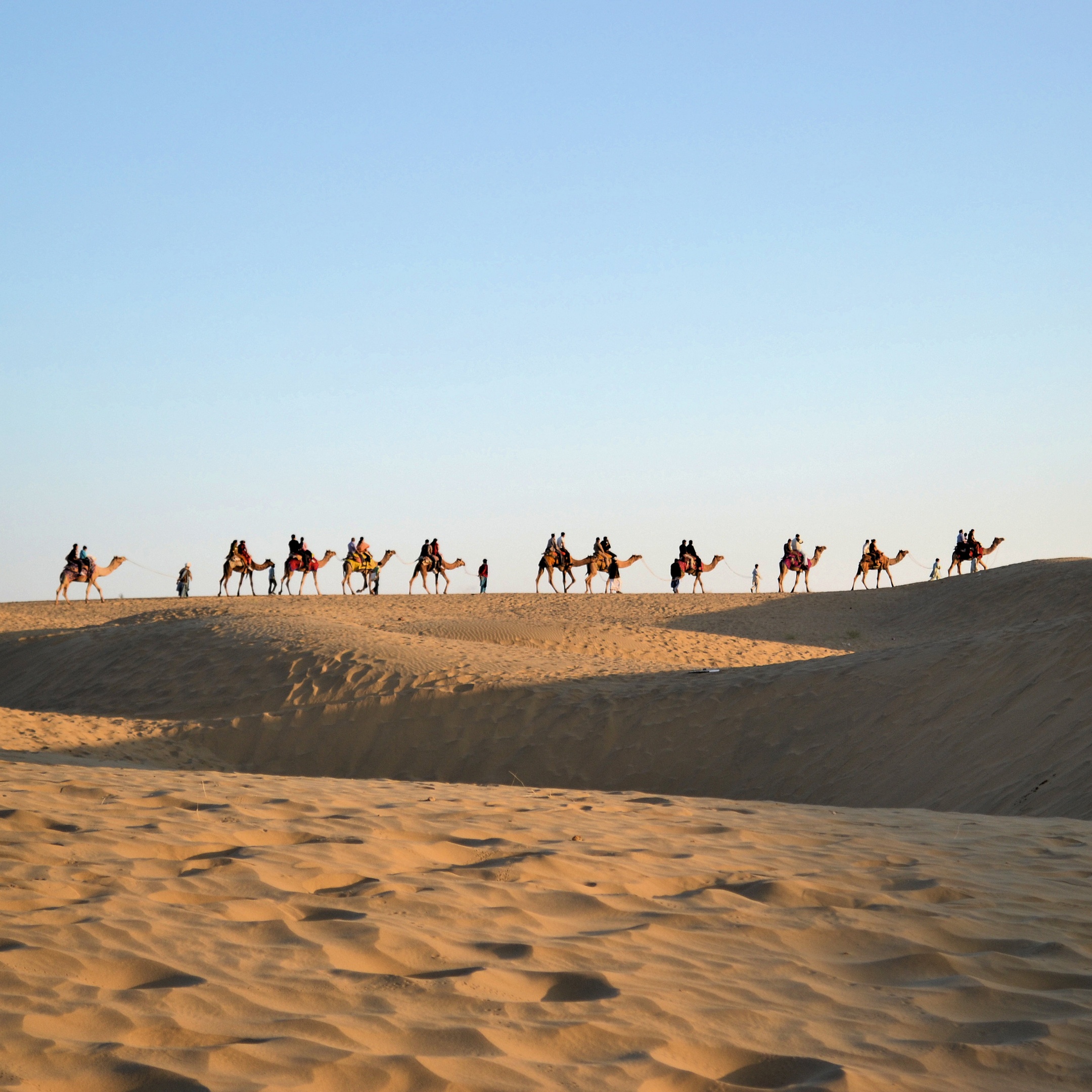
Top Things to Do & Activities in Chittorgarh
Discover a world of unforgettable experiences and top activities at this destination! Whether you’re seeking adventure, cultural immersion, relaxation, or family fun, find the best things to do—from sightseeing and outdoor adventures to culinary delights, spiritual journeys, and local events. Enjoy every moment and make your trip truly memorable!