Discover Amazing Jaipur
Discover Jaipur, the Pink City, where royal palaces, majestic forts, vibrant bazaars, and rich Rajasthani heritage create an unforgettable cultural experience in the heart of India.
About This Destination
Jaipur, the capital and largest city of Rajasthan, is a destination that effortlessly marries ancient grandeur with modern vitality. Known globally as the "Pink City" for the distinctive terracotta hue of its buildings, it stands as a monumental testament to the power, vision, and architectural prowess of the Rajput rulers. As a crucial point on the famous Golden Triangle circuit (along with Delhi and Agra), Jaipur is an essential visit for anyone exploring India's royal and cultural heritage.
This guide provides a structured, detailed itinerary and logistical information from the founding history to the best time for photography to ensure you can navigate the city's vast attractions smoothly and fully immerse yourself in the royal history of Jaipur.
History and the Pink Hue: The Making of the "Pink City"
Jaipur owes its existence and unique urban layout to its founder, Maharaja Sawai Jai Singh II (1693–1743), a renowned astronomer, warrior, and statesman of the Kachwaha Rajput clan. He grew the kingdom of Amber (the former capital) significantly, but faced issues of overcrowding and water scarcity, leading him to plan an entirely new capital city.
- Foundation: The city was founded in 1727 CE, making it one of the last major capital cities built in the pre-colonial era.
- Scientific Planning: Sawai Jai Singh II, utilizing his profound knowledge of mathematics and astronomy, consulted with the Bengali architect Vidyadhar Bhattacharya to design the city based on the principles of Shilpa Shastra (ancient architectural manuals) and Vastu Shastra (traditional Hindu system of architecture). This meticulous planning, featuring wide, straight streets, six defined sectors, and large, central squares, makes Jaipur recognized as India's first planned city.
- Amber to Jaipur: The capital was officially moved from the old hill fortress of Amber to the plains of the new city, Jainagara, which was later named Jaipur (Victory City).
The Origin of the "Pink City"
The iconic color that defines the old city area was not part of the original design. The terracotta pink/ochre color was applied much later in 1876 CE by Maharaja Sawai Ram Singh to warmly welcome the Prince of Wales (later King Edward VII) on his visit to India. Pink was traditionally regarded as the color of hospitality and a gesture of welcoming goodwill.
The tradition was so well-received that the colour code was legally maintained for all buildings in the old walled city area, cementing its identity as the "Pink City of India" and turning it into a visual brand that attracts millions of global tourists.
How to Reach Jaipur
As a major capital city and a key tourist hub, Jaipur is extremely well-connected by all modes of transport.
By Air (International and Domestic)
- Nearest Airport: Jaipur International Airport (JAI) (also known as Sanganer Airport).
- Connectivity: JAI is one of the busiest airports in Northern India, serving both domestic and international traffic. It offers direct flights to all major Indian metro cities (Delhi, Mumbai, Bangalore, Chennai) and international destinations in the Middle East (like Dubai and Sharjah).
- Airport to City: The airport is conveniently located just about 10 to 15 kilometers from the main city center. Taxis, app-based cabs, and auto-rickshaws are readily available for the 30-45 minute transfer.
By Train (Convenient and Budget-Friendly)
- Main Station: Jaipur Junction Railway Station (JP).
- Connectivity: The station is a major hub connecting the city with nearly every corner of India, making train travel a popular choice for budget travelers visiting Rajasthan. Notable trains include the Ajmer Shatabdi (from Delhi) and connections from Mumbai, Kolkata, and Chennai.
- Luxury Rail: Jaipur is a prime stop for India’s luxury tourist trains, such as the famous Palace on Wheels, offering a high-end experience of Rajasthan’s royal destinations.
By Road (Excellent Highway Network)
- Highways: Jaipur is seamlessly connected to the National Highway network (NH 48, NH 11, NH 12).
- Delhi to Jaipur: The drive from Delhi (via the Delhi-Jaipur Expressway, NH 48) is highly popular and takes about 5 to 6 hours (approx. 270 km).
- Bus Services: The Rajasthan State Road Transport Corporation (RSRTC) runs frequent and comfortable buses (including Volvo and AC deluxe coaches) linking Jaipur with all major cities in Rajasthan (Udaipur, Jodhpur) and neighboring states (Delhi, Agra). The main bus terminal is Sindhi Camp.
Best Time to Visit Jaipur:
The best time to visit Jaipur is dictated by its climate, as the hot desert conditions can make sightseeing very challenging during the summer.
- Peak Season (Best Time): October to March.
- Vibe: The weather is cool, dry, and pleasant, with daytime temperatures averaging between 15 °C and 25 °C. This perfect weather for sightseeing makes it the height of the tourist season, ideal for exploring the large, open-air forts and attending festivals.
- Festivals: This period includes the popular Jaipur Literature Festival (JLF) in January and the dazzling Diwali celebrations (October/November), when the entire Pink City is illuminated, creating a spectacular view.
- Shoulder Season (Monsoon): July to September.
- Vibe: The city receives moderate rainfall, offering a break from the heat. The surrounding Aravalli hills turn lush and green, making the fort landscapes exceptionally picturesque. Humidity can be high, but the reduced crowds and greener landscape appeal to photographers and those seeking budget travel.
- Summer Season (Hot and Dry): April to June.
- Vibe: This is the off-season due to intense, scorching heat (temperatures often exceeding 40 °C). Outdoor exploration is highly discouraged during mid-day. Travelers visiting during this time must prioritize early morning and late evening activities.
Things To Do in Jaipur: A 3-Day Heritage Itinerary
To experience the full spectrum of Jaipur’s heritage, culture, and architecture, a 3-day Jaipur itinerary for first-time visitors is highly recommended.
Day 1: The Amber Triangle and Sunset View
- Morning (The Masterpiece): Amer Fort (Amber Fort).
- Start your day early (around 8:00 AM) at the majestic Amer Fort, located about 11 km from the city. This UNESCO World Heritage Site is an architectural blend of Hindu and Mughal styles, famous for its grand courtyards, palaces like the Sheesh Mahal (Mirror Palace), and the Ganesh Pol gateway. Allow 3 to 4 hours for a thorough exploration.
- Tip: Take a guided tour to understand the intricate historical details.
- Late Morning (The Defense): Jaigarh Fort.
- Travel a short distance uphill to Jaigarh Fort (often connected to Amer Fort via underground tunnels). Built for military defense, it houses the Jaivana Cannon, which was once the world's largest cannon on wheels. It offers spectacular views of Amer Fort and the surrounding hills.
- Afternoon (The Stepwell): Panna Meena ka Kund.
- On your way back to the city, stop at the striking Panna Meena ka Kund, a beautiful 16th-century stepwell near Amer Fort, famous for its symmetrical criss-cross stair patterns a perfect Instagrammable spot in Jaipur.
- Evening (The Panoramic View): Nahargarh Fort.
- Head to Nahargarh Fort (Tiger Fort) to catch the iconic sunset over Jaipur. This fort was a royal retreat, and its Madhavendra Bhawan complex is noteworthy. The rooftop restaurant at the fort offers a stunning view of the illuminated Pink City at night.
Day 2: The Walled City and Royal Heart
- Morning (The Iconic Face): Hawa Mahal (Palace of Winds).
- Begin at the legendary Hawa Mahal, the city’s most famous landmark. Built in 1799, its distinctive five-story pink sandstone facade, featuring 953 small, latticed windows (jharokhas), was designed to allow royal ladies to observe street festivals below without being seen. Get the best photo from the café across the street, and then explore the palace interiors.
- Mid-Morning (Royal Residence): City Palace and Mubarak Mahal.
- Walk over to the City Palace, which occupies one-seventh of the walled city. This complex, a stunning blend of Rajput, Mughal, and European architecture, houses the Chandra Mahal (still a royal residence) and the Mubarak Mahal (now a museum showcasing royal costumes, including the gigantic clothes worn by Maharaja Sawai Madho Singh I). The Peacock Gate is a major highlight.
- Late Morning (Ancient Science): Jantar Mantar.
- Right next to the City Palace is the Jantar Mantar, a UNESCO World Heritage Site. This 18th-century astronomical observatory built by Sawai Jai Singh II houses the largest stone sundial in the world, the Samrat Yantra, and 19 other instruments that measure time, predict eclipses, and track celestial movements with astonishing accuracy.
- Afternoon (Shopping and Bazaars):
- Explore the vibrant markets within the walled city. Johari Bazaar is renowned for traditional Rajasthani jewelry and gemstones, while Bapu Bazaar is the place to shop for Mojari shoes and colorful textiles, offering the ultimate Jaipur shopping experience.
- Evening (Tranquil Temple): Birla Mandir.
- End the day at the white marble Birla Mandir (Laxmi Narayan Temple). Its pristine marble carvings and the quiet, elevated location offer a peaceful contrast to the bustling city.
Day 3: Heritage, Culture, and Departure
- Morning (Hidden Gem): Albert Hall Museum.
- Visit the Albert Hall Museum, Rajasthan’s oldest museum. Housed in a magnificent Indo-Saracenic building (modeled after a Venetian Gothic palace), its collection includes an Egyptian mummy, ancient pottery, weaponry, and intricate carpets.
- Mid-day (The Water Palace): Jal Mahal.
- Take a moment for a photo stop at the picturesque Jal Mahal (Water Palace), which appears to float serenely in the middle of the Man Sagar Lake on the way back toward the airport road.
- Optional Cultural Finale:
- Visit Galtaji Temple (Monkey Temple), a unique ancient Hindu pilgrimage site set amidst the Aravalli hills, known for its natural springs and large population of monkeys.
- Alternatively, spend your final evening at Chokhi Dhani, an ethnic village resort designed to showcase traditional Rajasthani culture, folk dances, puppet shows, and authentic cuisine in a festive atmosphere.
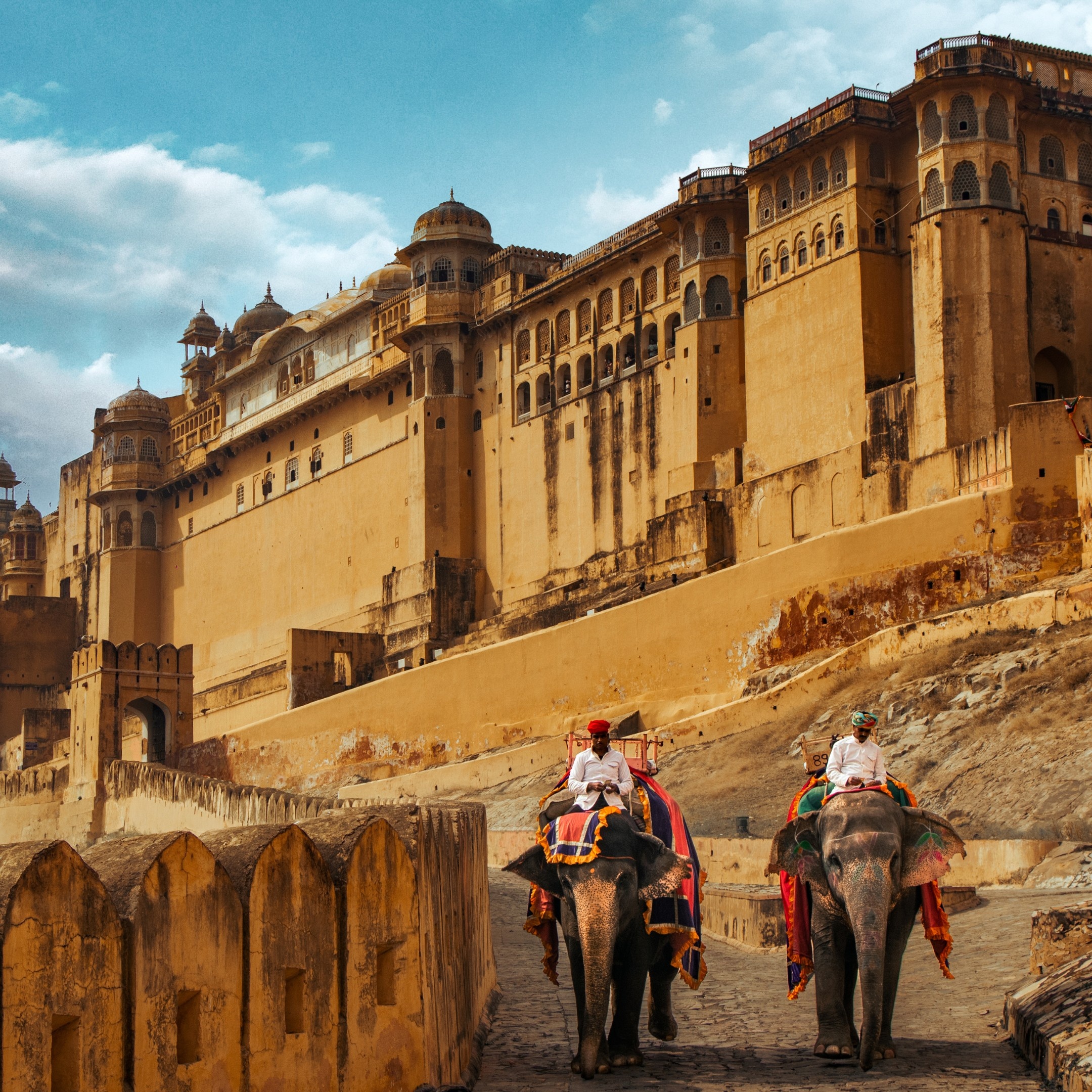
Top Things to Do & Activities in Jaipur
Discover a world of unforgettable experiences and top activities at this destination! Whether you’re seeking adventure, cultural immersion, relaxation, or family fun, find the best things to do—from sightseeing and outdoor adventures to culinary delights, spiritual journeys, and local events. Enjoy every moment and make your trip truly memorable!