Discover Amazing Mount Abu
Rajasthan's only hill station, Mount Abu offers cool climate, stunning landscapes, temples, wildlife sanctuary, and scenic Nakki Lake.
About This Destination
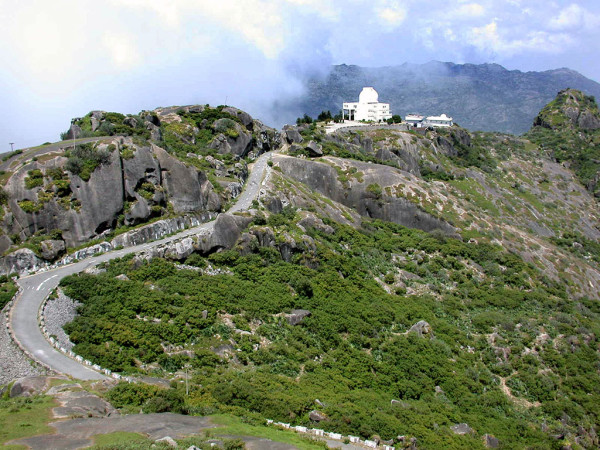
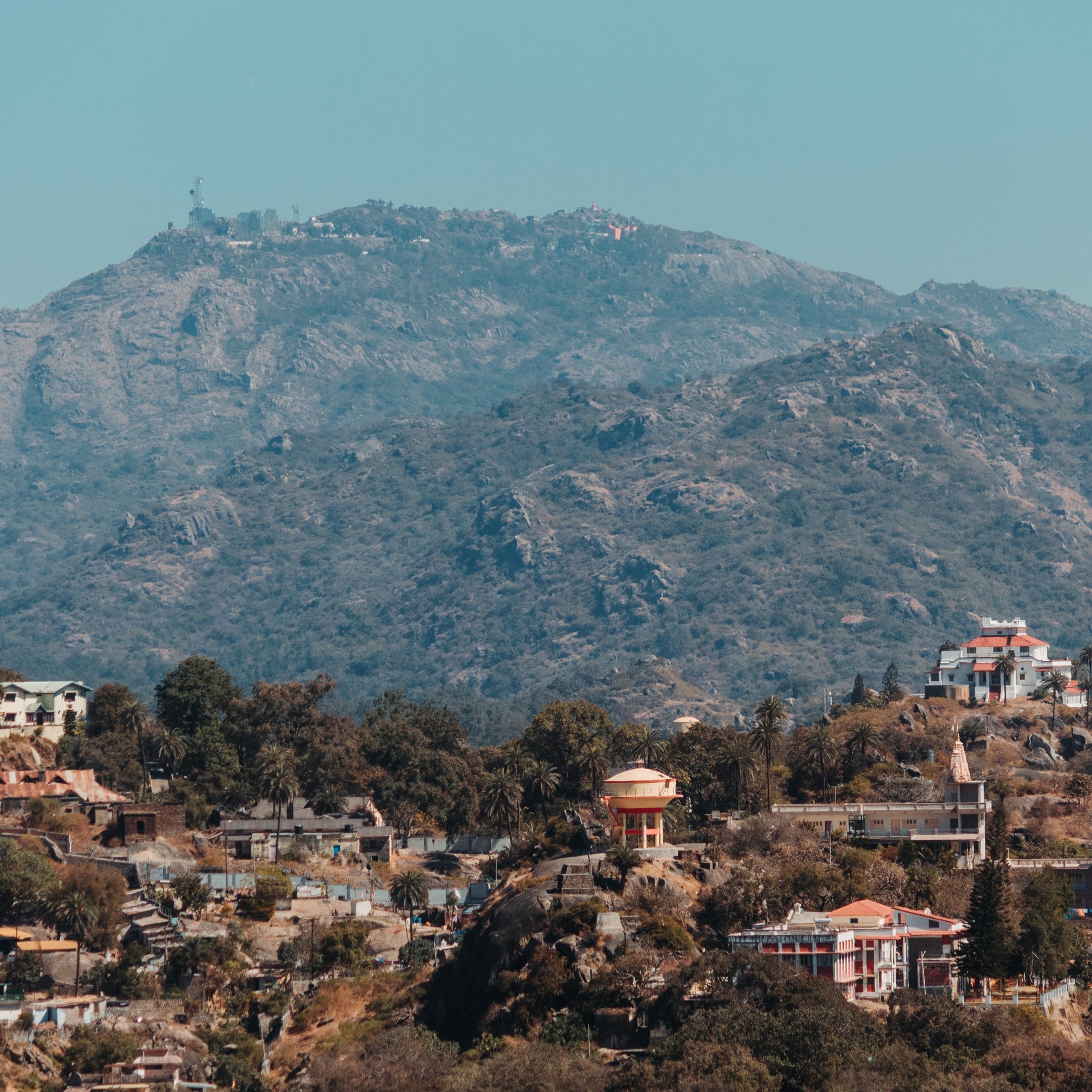
Mount Abu, famously known as the "Oasis of Rajasthan", is the only hill station in the vast, arid landscape of the state. Perched high in the Aravalli Range, it serves as a cool, misty retreat from the desert heat of Rajasthan and the neighboring Gujarat plains. This destination is a unique blend of natural beauty, ancient history, profound spirituality, and magnificent architecture, offering a refreshing and culturally rich experience.
This comprehensive guide is crafted for the discerning traveler, providing all the essential details on how to reach Mount Abu, the best time to visit, and a detailed plan to explore its rich attractions without getting overwhelmed.
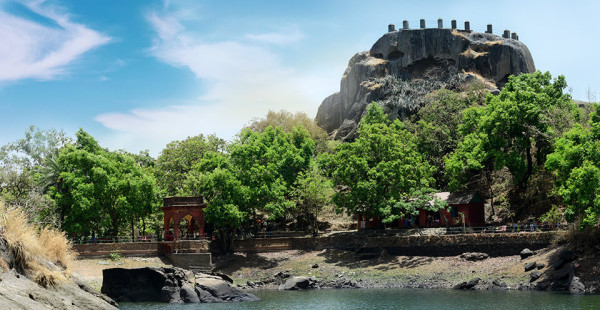
History and Mystical Significance:
The history of Mount Abu is deeply intertwined with ancient mythology, lending the place a powerful spiritual aura. The region was originally known in the Puranas as "Arbudaranya" or the "forest of Arbhuda." The current name, 'Abu,' is a diminutive of this ancient name.
Mythological Origins
The most popular legends relate to Hindu sages and deities:
- Sage Vashistha's Retreat: It is widely believed that Mount Abu served as a retreat for the venerable Sage Vashistha after his conflicts with Sage Vishwamitra.
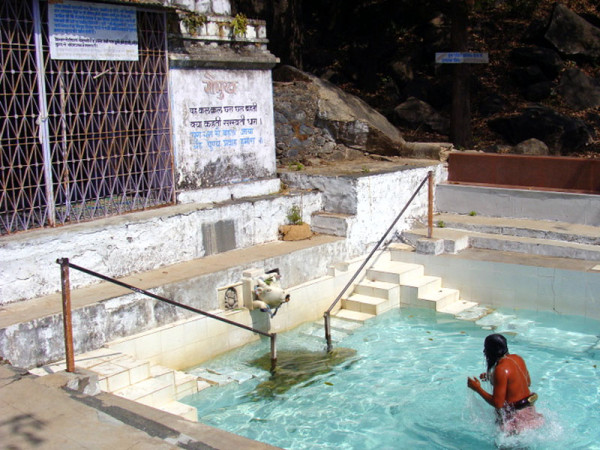
- The Agnikunda Legend: According to one significant legend, Sage Vashistha performed a sacred Yajna (fire ritual) at the peak of this mountain to seek divine assistance for the defense of righteousness. From the sacrificial fire, a youth arose, leading to the origin of the Agnivanshi Rajputs (four clans of fire).
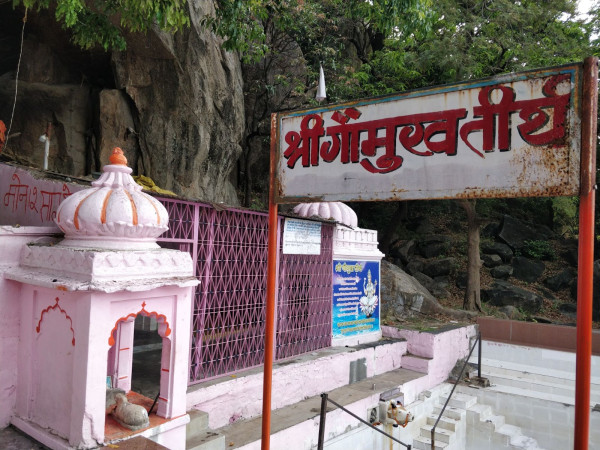
- The Serpent Arbhuda: Another persistent local mythology credits a mighty serpent named Arbhuda with saving the life of Nandi, Lord Shiva's mount, on this very mountain, which led to the name Arbudaranya.
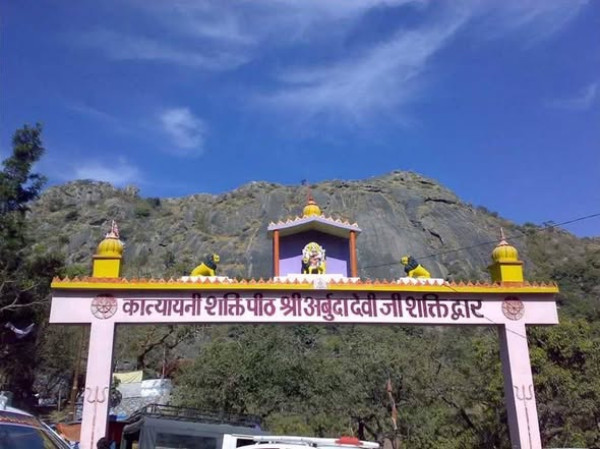
- Guru Shikhar: The highest point in the Aravallis, Guru Shikhar, is home to the temple of Guru Dattatreya, an incarnation of the divine Hindu Trinity (Brahma, Vishnu, and Shiva). It marks the sacred spot where the ancient gurus performed penance.
Historical Rulers and Architectural Legacy
Historically, the region was governed by the Parmar kings and later the Solankis. However, the most definitive mark was left by the Jain ministers of Dholka, Vimal Shah and Vastupala, who designed and constructed the magnificent Dilwara Jain Temples between the 11th and 13th centuries. The conquest of Mount Abu by Rao Lumba of the Deora-Chauhan dynasty in 1311 CE solidified Rajput control. During the British colonial era, the pleasant climate led to Mount Abu being leased from the Maharaja of Sirohi and established as the summer capital of the Rajputana state, leading to the construction of colonial bungalows and infrastructure.
The Marvel: Dilwara Jain Temples
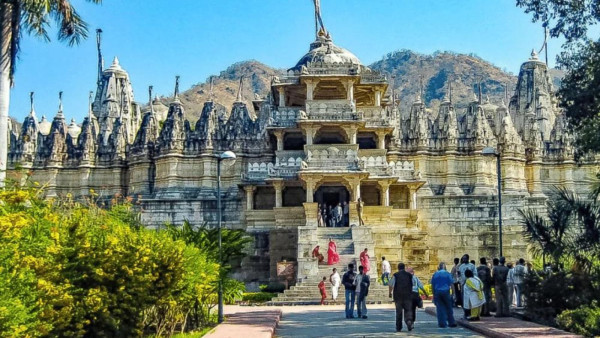
The Dilwara Jain Temple complex is arguably the single most compelling reason to plan a trip to Mount Abu. It is not just a major pilgrimage center for Jains but is recognized globally as one of the finest examples of marble architectural perfection in India.
- Architectural Brilliance: Built from flawless white marble, the complex consists of five individual temples, each dedicated to a different Tirthankara. The most famous are the Vimal Vasahi Temple (built by Vimal Shah) and the Luna Vasahi Temple (built by Vastupala and Tejapala).
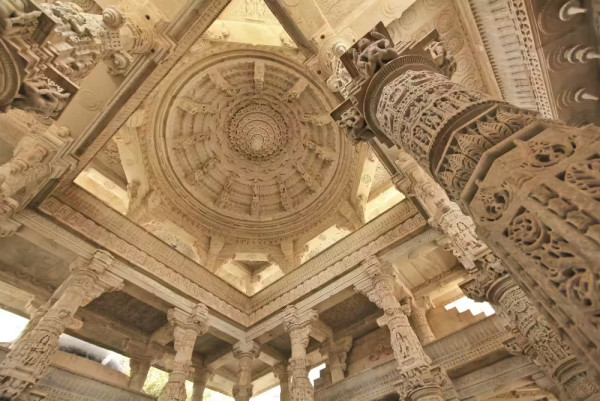
- Intricate Carvings: The opulence is not in its size but in its minutely-carved ornamental details. Every surface from the doorways and ceilings to the pillars and panels is covered in intricate designs. The Laxmi Niwas Mandap and the central dome, which hangs like a cluster of delicate lace, showcasing elaborate, concentric rings of carving, leave visitors speechless.
- Visitor Timings and Etiquette: The temple is an active place of worship. Tourist entry is strictly enforced from 12:00 PM (noon) to 5:00 PM, as the mornings are reserved for Jain devotees. Photography is generally strictly prohibited inside the main marble halls. Visitors must dress modestly (covering knees and shoulders) and remove all leather goods before entering.
How to Reach Mount Abu
Mount Abu's location atop the Aravallis means that while it is easily accessible, travelers must remember that their final destination is the hill station itself, not the nearest transport hub in the plains.
By Train (The Best Connection)
- Nearest Railway Station: Abu Road Railway Station (ABR).
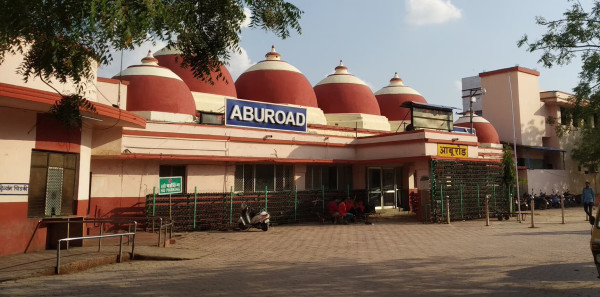
- Distance to Mount Abu: Approximately 28 kilometers.
- Connectivity: This is the most popular and efficient way to reach the area. Abu Road is a major junction on the Western Railway line, providing excellent direct train connectivity to major cities like Delhi (via Ashram Express, Swarna Jayanti Rajdhani Express), Mumbai (via Ranakpur Express, Suryanagari Express), Ahmedabad, Jaipur, and Bangalore.
- Abu Road to Mount Abu: From the station, you will find plenty of taxis (shared and private) and state-run bus services (RSRTC) that make the winding 45-minute journey uphill to the town center.
By Air (Nearest Airports)

Mount Abu does not have its own airport. Travelers must fly into a nearby major city and continue by road.
- Maharana Pratap Airport (UDR), Udaipur: This is the most convenient airport near Mount Abu, located about 175-185 km away. The drive takes around 3 to 4 hours.
- Sardar Vallabhbhai Patel International Airport (AMD), Ahmedabad: Located about 220-240 km away, Ahmedabad is often chosen by travelers from Western and Southern India due to its excellent international and domestic flight frequency. The road journey from Ahmedabad is roughly 4 to 5 hours.
By Road
Mount Abu is excellently connected by well-maintained national highways (NH 27 and NH 62). Frequent RSRTC and GSRTC (Gujarat) buses run to and from major cities like Udaipur, Ahmedabad, and Jaipur. The road ascent up the hill is scenic and well-paved, making a Mount Abu road trip a popular choice for visitors from Gujarat and Rajasthan.
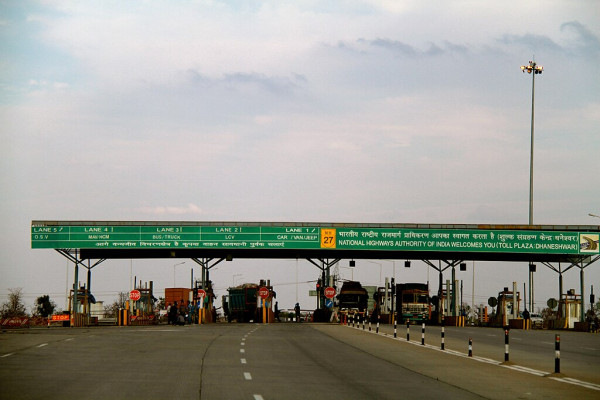
Best Time to Visit Mount Abu: Escaping the Heat
Mount Abu's identity as a hill station means it offers a dramatically different climate from the rest of Rajasthan.
- Peak Season (Best Time): November to February.
- Vibe: This is the ideal time for exploration. The weather is cool and pleasant, with daytime temperatures ranging from 12 °C to 29 °C. This is perfect for lengthy sightseeing, trekking, and enjoying the numerous viewpoints. The Mount Abu Winter Festival often takes place in December, adding cultural charm.
- Tip: Mornings and evenings can be quite chilly; carry adequate woolens.
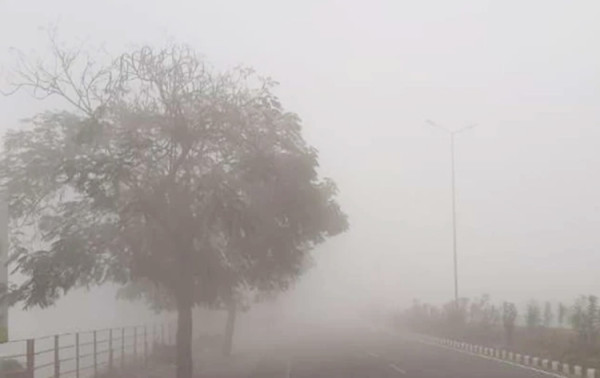
- Monsoon Season (Lush Greenery): July to September.
- Vibe: The Aravallis burst into lush greenery, and the numerous seasonal waterfalls come to life, transforming the landscape into a romantic, misty paradise. While pleasant, be prepared for intermittent heavy rain that can sometimes disrupt outdoor activities.
- Summer Season (The Retreat): March to June.
- Vibe: While the plains of Rajasthan swelter, Mount Abu remains a pleasant sanctuary. Temperatures are warm (but far cooler than the surrounding desert), making it a high-demand period for tourists seeking relief from the heat. Booking hotels and trains well in advance is essential for a summer getaway in Mount Abu.
Things to Do in Mount Abu: A 2-Day Itinerary Idea
To truly appreciate the blend of nature, architecture, and history, a minimum of 2 days in Mount Abu is recommended.
Day 1: Architecture, Legend, and Sunset
- Morning (Architectural Marvel): Start your day by visiting the Dilwara Jain Temples right at noon (12:00 PM), the moment they open for tourists. Dedicate at least two hours to slowly appreciating the intricate marble carvings.
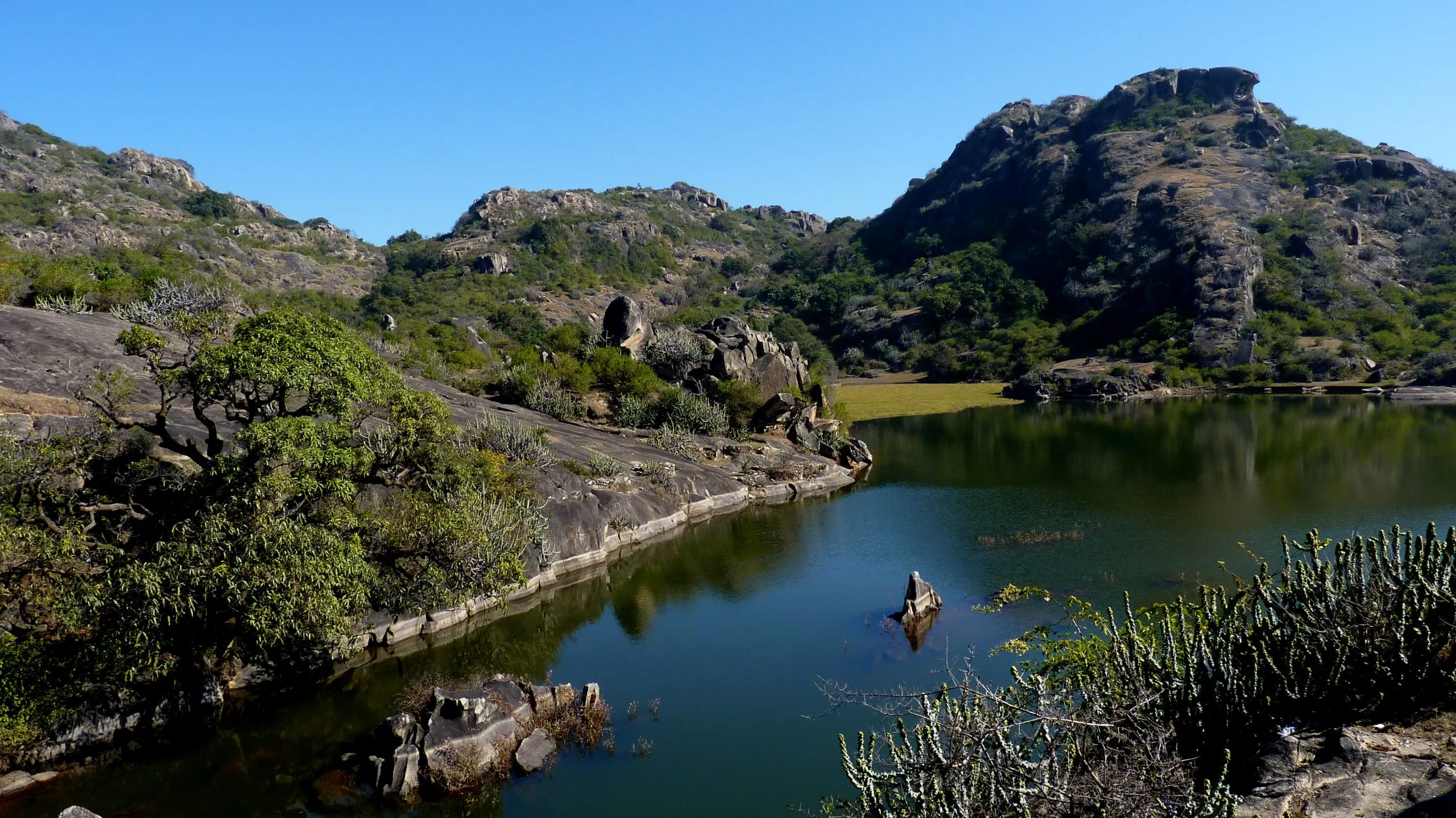
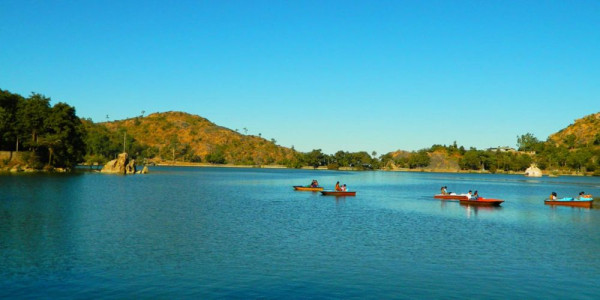
- Afternoon (Lake and Leisure): Head to Nakki Lake, the heart of the town. Legend holds that this is the first man-made lake in India, dug out by a deity using his fingernails (nakh). Enjoy a peaceful boat ride, or simply take a leisurely walk around the circumference.
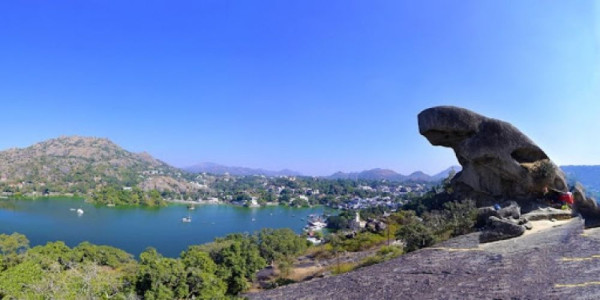
- Late Afternoon (Quirky Viewpoint): Hike to Toad Rock View Point, a massive natural rock formation overlooking the lake that is shaped like a toad preparing to leap. It offers spectacular aerial views of the lake and the town, making it a favorite for Mount Abu photographers.
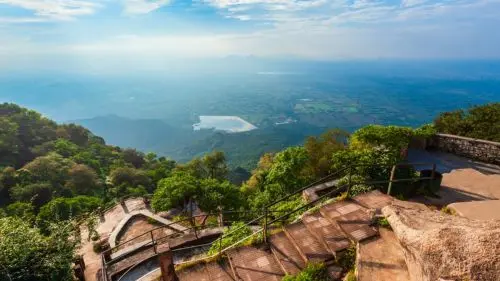
- Evening (The Grand Finale): Conclude your day at Sunset Point (or Honeymoon Point/Anadara Point). Walk up the pleasant path to watch the dramatic, colorful sunset over the rugged Aravalli hills a truly magical experience and a Mount Abu must-do for couples.
Day 2: The Peak, Forts, and Spirituality
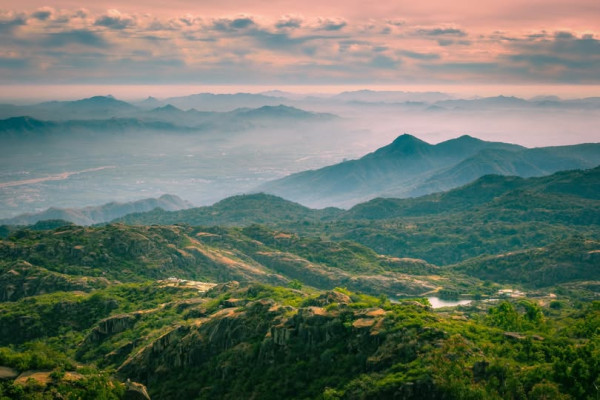
- Morning (Highest Peak): Drive up to Guru Shikhar, the highest point of the Aravalli range (1722 meters). A short trek of about 300 steps leads you to the Guru Dattatreya Temple and the observatory, offering the most sweeping, panoramic views of the entire region.
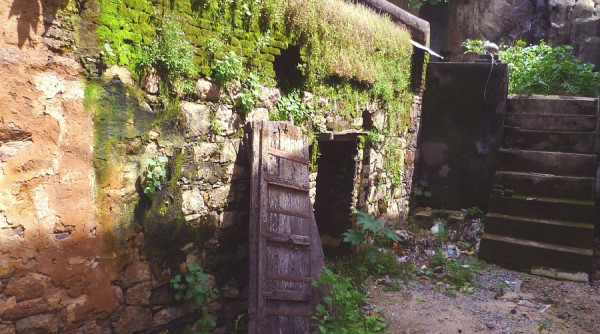
- Midday (Historical Fort and Temple): Explore the ruins of Achalgarh Fort (15th Century), built by Rana Kumbha. Within the fort complex, visit the Achaleshwar Mahadev Temple, which is unique for enshrining a toe of Lord Shiva. The temple pond features stone statues of buffaloes and a giant Nandi bull.
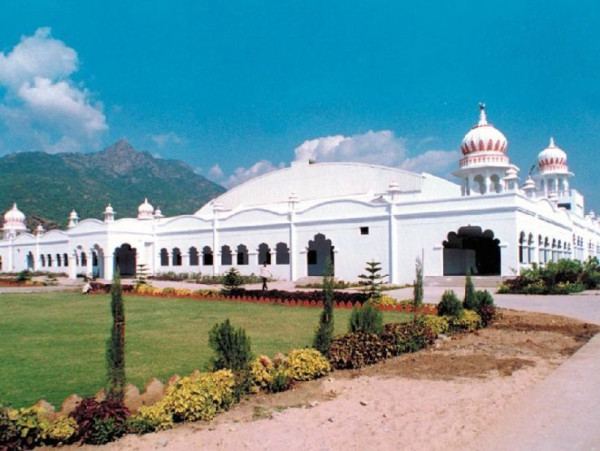
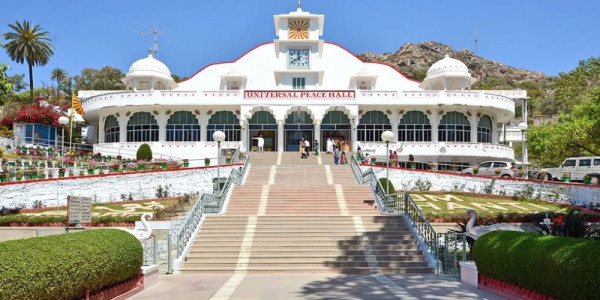
- Afternoon (Spiritual Sanctuary): Spend time at the spiritual headquarters of the Brahma Kumaris World Spiritual University. Known locally as 'Madhuban' (Forest of Honey), the sprawling campus is open to visitors for meditation, spiritual learning, and finding tranquility amidst the stunning natural surroundings.
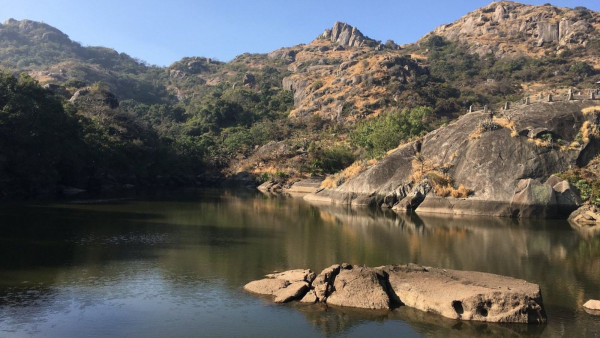
- Optional Activity: Visit Trevor's Tank (also known as Trevor's Crocodile Park), a man-made breeding site located a short drive outside the main town, offering a peaceful picnic spot and a chance to spot marsh crocodiles and a variety of birds.
Top Things to Do & Activities in Mount Abu
Discover a world of unforgettable experiences and top activities at this destination! Whether you’re seeking adventure, cultural immersion, relaxation, or family fun, find the best things to do—from sightseeing and outdoor adventures to culinary delights, spiritual journeys, and local events. Enjoy every moment and make your trip truly memorable!