Discover Amazing Pushkar
Discover Pushkar, Rajasthan's sacred oasis with its holy lake, vibrant bazaars, ancient temples, and world-famous Camel Fair—an unforgettable blend of spirituality, culture, and desert adventure.
About This Destination
Pushkar is one of India's most ancient and holiest cities, a timeless jewel nestled amidst the rugged Aravalli Hills in Rajasthan. Its core identity revolves around the sacred Pushkar Lake and the unique Jagatpita Brahma Temple one of the very few temples dedicated to Lord Brahma, the Hindu God of Creation, anywhere in the world. According to legend, the lake was formed when a lotus dropped from Brahma’s hand, instantly consecrating the spot as a Tirtha Raj ("King of pilgrimage sites").
This is a city that successfully harmonizes profound spirituality with intense cultural dynamism. While the 52 bathing ghats around the lake hum with the chants of pilgrims, the surrounding desert transforms annually into a kaleidoscope of colour, camels, and commerce. A visit to Pushkar is a deeply introspective journey punctuated by moments of exuberant Rajasthani celebration, making it an essential experience for both the spiritual seeker and the cultural explorer.
Overview of Pushkar:
Pushkar’s atmosphere is unlike any other in Rajasthan. It is a strictly vegetarian and alcohol-free town, enforcing a strong sense of devotion and purity that permeates the narrow, winding lanes. The architecture around the lake reflects centuries of pilgrimage, with over 400 blue-colored temples and restored ghats, each holding historical and mythological significance.
The Core Sanctuaries
- Pushkar Lake and the Ghats: The central focal point of the city. Pilgrims gather at its 52 ghats, especially the Gau Ghat and Varaha Ghat, to take a holy dip believed to cleanse sins. Witnessing the spectacular evening aarti ritual at the ghats, with the rhythmic clang of bells and the soft glow of lamps reflecting on the water, is a deeply moving experience of Hindu spiritual practice.
- Jagatpita Brahma Mandir: This red-spired temple, constructed largely in the 14th century, is the primary destination. Its presence is the reason Pushkar holds its distinct place in Hinduism. The atmosphere within the temple complex is charged with devotion, and the architectural details are a testament to ancient temple craftsmanship.
- Savitri Mata Mandir: Perched atop Ratnagiri Hill, this temple is dedicated to the first wife of Lord Brahma, Goddess Savitri. While a pilgrimage in itself (requiring a climb of over 200 steps), the reward is a breathtaking, panoramic view of the entire town, the lake, and the surrounding Aravalli Hills. For ease of access, a ropeway (cable car) also transports visitors to the summit, offering a unique aerial perspective.
How to Reach Pushkar
Pushkar is located close to the major city of Ajmer, which serves as the primary transport hub, making access surprisingly easy despite the town's ancient and spiritual atmosphere.
By Air:
- Kishangarh Airport (KQH): This is the closest airport to Pushkar, situated only about 45–50 kilometers away. It handles a limited number of domestic flights, primarily from larger cities.
- Jaipur International Airport (JAI): The most connected major airport for international and widespread domestic travel. Jaipur is about 145–155 kilometers from Pushkar.
- Onward Journey: From either airport, the most practical solution is to hire a private taxi or pre-book a cab. The drive from Jaipur takes approximately 3 hours on well-maintained national highways, offering a smooth entry into the region.
By Rail:
Pushkar does have a small, single-track railway station, but it is not served by major intercity trains.
- Ajmer Junction Railway Station (AII): This is the primary railhead and an extremely important railway junction, located just 11–15 kilometers from Pushkar. Ajmer is linked by numerous express and luxury trains (like the Shatabdi Express) to major cities across India, including Delhi, Mumbai, and Ahmedabad.
- Final Stretch: From Ajmer Junction, visitors can easily hire auto-rickshaws, local buses, or taxis for the short, 30-minute drive to Pushkar.
By Road:
- Bus Services: Pushkar is well-connected by road, particularly to Jaipur, Ajmer, and Udaipur. The Ajmer bus station is the main hub where deluxe and state-run buses drop passengers. From Ajmer, local buses and taxis frequently shuttle passengers to the spiritual town.
- Self-Drive: The roads are generally excellent, making a road trip from Delhi or Jaipur a popular and scenic choice for travelers, passing through the beautiful arid landscapes of Rajasthan.
Best Time to Visit Pushkar
Pushkar’s weather swings between intense heat and pleasant coolness, making the timing of your visit critical, especially if you plan to attend its major festivals.
- Peak Season (October to March): This is the best time to visit for general sightseeing. The weather is cool, with warm, sunny days and crisp, refreshing nights (average 12 °C to 26 °C). This weather is perfect for outdoor activities like camel safaris and long village walks without the sweltering heat.
- The Pushkar Mela: The absolute peak occurs during the Kartik Purnima festival (usually in October/November) when the famous Pushkar Camel Fair takes place. This week-long fair is a global phenomenon the largest livestock fair in the world, combining camel trading with cultural shows, folk music, and mass pilgrimages to the lake. Book accommodation months in advance for this period.
- Monsoon (July to September): Though the region is relatively arid, the monsoon brings intermittent rain, transforming the dry landscape into a temporary, surprising green. Temperatures remain high but the lush landscape and quieter streets offer a unique experience for solitude travel and lower accommodation rates.
- Summer (April to June): The hottest time of the year, with daytime temperatures soaring up to 42 °C. Outdoor exploration is only comfortable during the early mornings and late evenings. This is the off-season and is suitable only for budget travelers who can manage the extreme heat.
Pushkar Holi
Holi in Pushkar is a spectacle of legendary proportions, known globally for its high energy, massive crowds, and unique atmosphere that blends traditional devotion with an electrifying street party.
- The Uniqueness: Unlike many reserved Holi celebrations in other sacred towns, Pushkar embraces a high-energy carnival atmosphere centered in the main square (Brahma Chowk). It attracts a huge international crowd, fostering a rare sense of unity and chaotic fun.
- Holika Dahan: The festival begins the night before with the solemn Holika Dahan the lighting of a large bonfire to symbolize the triumph of good over evil a vital traditional ritual providing a moment of spiritual grounding.
- The Main Event (Dhulandi): The following morning, the town erupts in colour. Local and international DJs set up in the main square, playing high-energy Bollywood and EDM music. Thousands gather to dance, throw gulal (colour powders), and embrace the madness. It is a full-day, open-air celebration characterized by a vibrant mix of traditional music and modern beats.
- The Day After: After the revelry, many pilgrims visit the lake to take a final holy dip, cleansing themselves of the colours and seeking spiritual renewal bringing the celebration back to its original sacred intent.
Activities Beyond the Temples
Pushkar offers a surprising range of activities beyond its spiritual core, catering to the cultural explorer and the soft adventurer.
- Desert Exploration (Camel Safari): Experience the classic Rajasthani desert landscape with a camel safari into the surrounding dunes. Safaris often take you through small, traditional villages, providing a glimpse into the rustic lifestyle of the local communities. Opt for a sunset safari for the best light.
- Culinary Delight: Being a temple town, Pushkar’s food scene is purely vegetarian but rich in flavour. Must-try specialties include the famous Malpua (sweet fried pancake), creamy Gulcand Lassi, and the spicy Dal Kachori. The cafes lining the ghats offer serene spots for enjoying a meal with a view.
- Shopping in Sadar Bazaar: The town's markets are a vibrant maze, perfect for finding local Rajasthani handicrafts. Look for colorful silver jewelry, intricate tie-dye fabrics and textiles, embroidered leather goods, and unique decorative items. This is the place to find genuine artisan products.
- Historical Temples: Beyond the Brahma Temple, explore the Varaha Temple (dedicated to the boar incarnation of Vishnu) and the massive, architecturally distinct Rangji Temple, which blends South Indian Gopuram style with Rajasthani and Mughal elements.
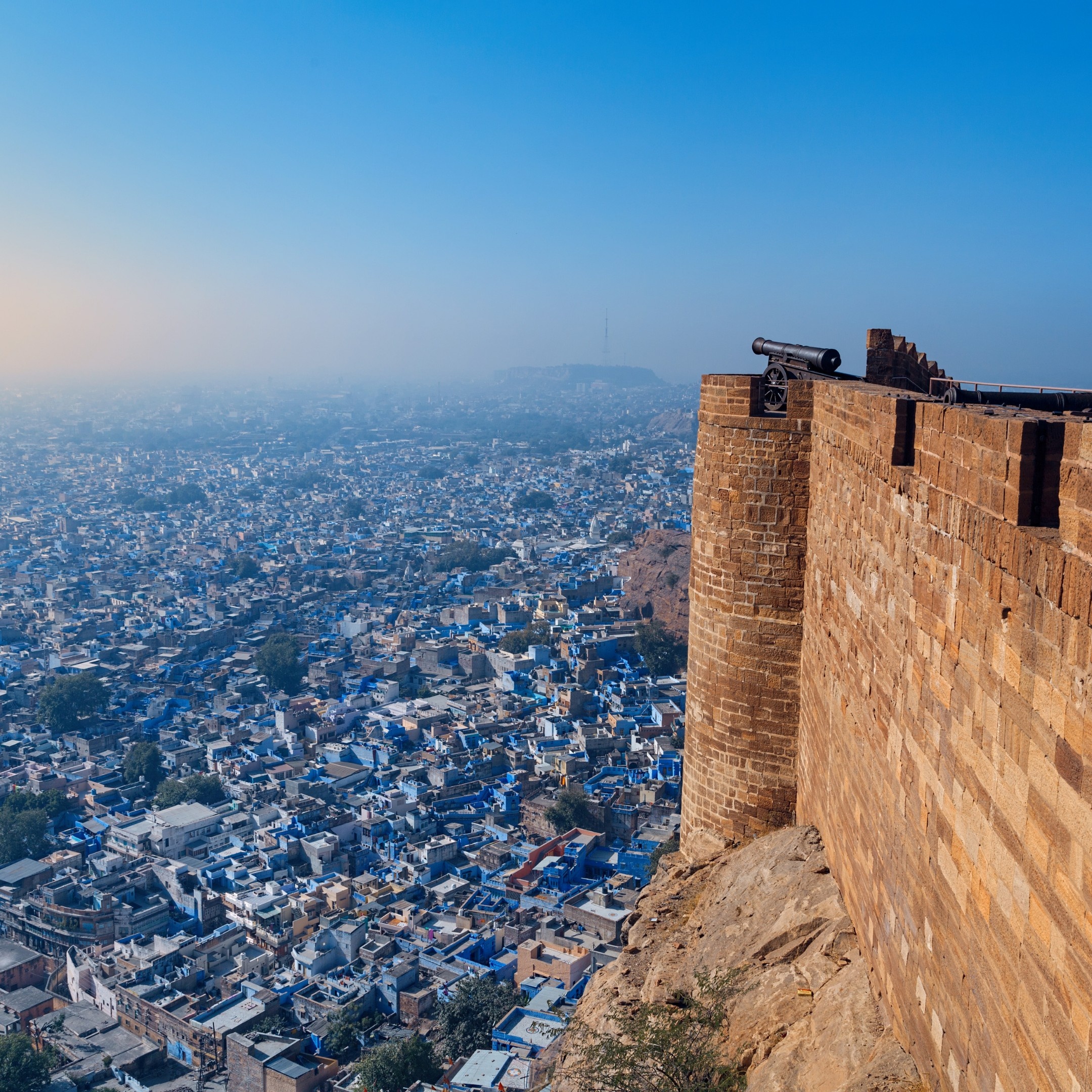
Top Things to Do & Activities in Pushkar
Discover a world of unforgettable experiences and top activities at this destination! Whether you’re seeking adventure, cultural immersion, relaxation, or family fun, find the best things to do—from sightseeing and outdoor adventures to culinary delights, spiritual journeys, and local events. Enjoy every moment and make your trip truly memorable!