Discover Amazing Ranakpur
Discover Ranakpur's magnificent Jain temples with intricate marble carvings, serene natural beauty, and rich heritage. A perfect blend of spirituality, architecture, and tranquility in the Aravalli hills, offering unforgettable cultural and nature experiences.
About This Destination
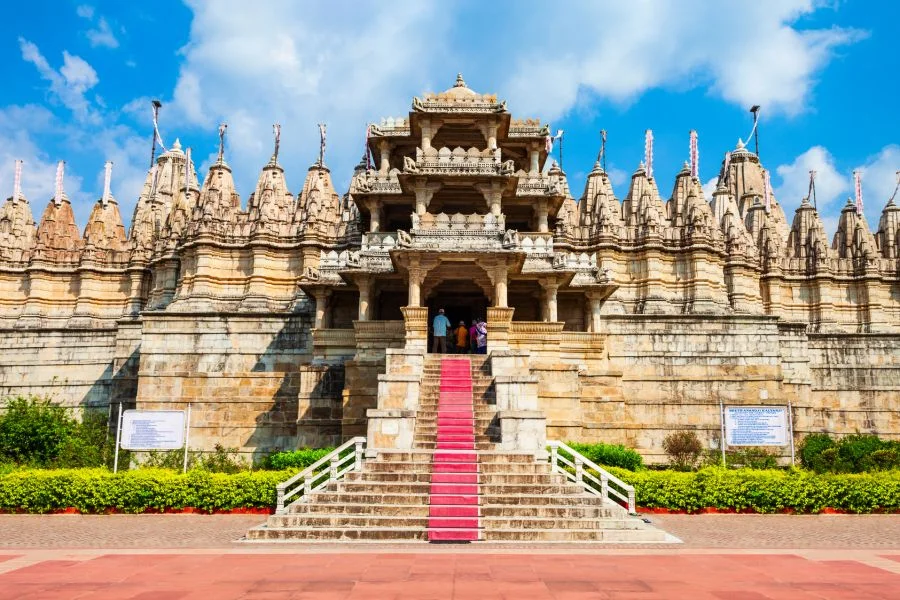
Ranakpur, nestled deep in the serene, forested valleys of the Aravalli mountain range in Rajasthan, is a destination that transcends typical Rajasthani tourism. It is renowned globally for one masterpiece: the breathtaking Ranakpur Jain Temple, also known as the Chaumukha Temple. This complex is not just a place of worship; it is an architectural symphony in white marble, a profound testament to Jain devotion and 15th-century craftsmanship that travelers find utterly mesmerizing.
This guide provides the detailed, logical content that people seek, helping you understand the history, navigate the logistics of its relatively remote location, and ensuring you don't miss any of the surrounding treasures in this peaceful corner of Rajasthan.
History and Architecture: The Unparalleled Marvel of 1444 Pillars
The Genesis of a Masterpiece
The construction of the Ranakpur Temple, one of the largest and most important Jain temples in India, began in the 15th century (around 1439 CE). Its creation was inspired by a divine vision of a celestial vehicle, experienced by a local Jain businessman named Dharna Shah (or Dhanna Shah), a minister in the court of the powerful Rajput monarch, Rana Kumbha of Mewar.
Dharna Shah secured the land and the generous patronage of Rana Kumbha, who requested that the temple complex be named after him (hence, Ranakpur). The visionary architect, Deepaka (or Dwepa), oversaw the construction, which took approximately fifty years, involving thousands of dedicated craftsmen and sculptors. The temple is dedicated to Adinath, the first Jain Tirthankara, symbolizing the path to spiritual enlightenment.
Architectural Grandeur: The Chaumukha Design
The temple is an exemplary display of the Maru-Gurjara style of architecture, constructed entirely out of pale-colored marble that glows beautifully under the soft Aravalli sunlight. The complex sprawls over 48,000 square feet and features a number of smaller shrines, but the centerpiece is the main Chaumukha Temple (meaning 'four-faced').
- The Quadruple Image: The central shrine houses a four-faced idol of Lord Adinath, symbolizing the Tirthankara's conquest of the four cardinal directions and his omnipresence in the cosmos. This unique four-directional design is the source of the temple's common name.
- The 1444 Pillars: The temple's most legendary feature is its array of 1444 marble pillars. What truly astounds visitors is that no two pillars are carved alike. They are intricately adorned with exquisite carvings of celestial beings, dancers, geometric patterns, and mythological scenes. This feat of individualized craftsmanship, coupled with the popular legend that it is impossible to accurately count all the pillars, elevates the temple to a singular status among architectural wonders.
- The Viewpoint: Despite the dense forest of columns, a testament to the architect's genius is that the central idol of Lord Adinath can be viewed clearly from nearly all points within the main halls.
- The Domes and Ceilings: The ceilings are a visual masterpiece, featuring elaborate, concentric rings of carvings that spiral upwards toward central rosettes, culminating in grand domes that hover over the 29 interconnected halls.
Ranakpur’s architecture stands not just as a religious monument, but as a living canvas documenting the incredible skill of medieval Indian artistry, making it a powerful draw for architecture experts and history enthusiasts planning a Rajasthan heritage tour.
How To Reach Ranakpur
Ranakpur is located in a valley in the Pali district of Rajasthan, nestled between the major tourist cities of Udaipur and Jodhpur. Its remoteness is key to its serene ambiance, but travelers need good logistical planning.
By Air (Nearest Airport)
The most practical gateway for travelers arriving by air is:
- Maharana Pratap Airport (UDR), Udaipur: This is the nearest airport to Ranakpur, located approximately 90-100 kilometers away. Udaipur is a major domestic airport with strong connections to Delhi, Mumbai, Jaipur, and other metros.
- Udaipur to Ranakpur Transport: The road journey takes about 1.5 to 2.5 hours by hired taxi or private car. Many visitors wisely choose a day trip from Udaipur to Ranakpur and Kumbhalgarh Fort, hiring a dedicated taxi for the entire day.
- Jodhpur Airport (JDH): A more distant, but still important, alternative at about 160-180 km away, typically requiring a 3 to 4-hour drive.
By Rail (Nearest Railway Station)
While Ranakpur itself does not have a station, it is serviced by a relatively close rail junction:
- Falna Railway Station (FA): This is the nearest railway station to Ranakpur, located roughly 30 to 35 kilometers away. Falna is well-connected to Delhi, Ahmedabad, and other parts of Rajasthan.
- Falna to Ranakpur Transport: Taxis and local buses are available from Falna to complete the final short leg of the journey to the temple complex.
By Road (The Most Common Approach)
Ranakpur is best reached by road, as its location is perfect for a scenic road trip through the Aravalli hills.
- From Udaipur: At about 95 km, this is the most common route. The drive is picturesque, winding through the hills. Hiring a private taxi is highly recommended for flexibility.
- From Jodhpur: At about 165 km, the journey takes around 3 hours and is another popular option for those combining it with the Northern Rajasthan circuit.
- Bus Services: State-run and private buses connect the nearby towns of Sadri and Falna, but a car/taxi provides a significantly easier and faster trip directly to the temple.
Best Time to Visit and Temple Etiquette
Understanding the climate and observing local customs is key to a rewarding visit.
Ideal Season: Winter (October to March)
The best time to visit Ranakpur is during the cool winter months, from October to March.
- Weather: Temperatures are pleasant, ranging from a cool 10°C to a comfortable 25°C during the day. This is perfect for leisurely exploration of the vast temple complex and the surrounding hills without the fatigue of the desert heat.
- Monsoon: The monsoon season (July to September) transforms the Aravallis into lush, green landscapes, offering a beautiful contrast to the white marble. While less crowded, be prepared for occasional rainfall.
- Summer (Avoid): The summer months (April to June) bring intense heat, which can make exploring the open-air courtyards and marble floors very uncomfortable.
Visitor Guidelines and Timings
- Temple Timings: The Ranakpur Jain Temple is an active place of worship. Generally, the temple opens for Jain worshipers in the early morning. For non-Jain visitors and tourists, the visiting hours usually start around 12:00 PM (noon) and continue until 5:00 PM or 6:00 PM. Always confirm the exact tourist entry hours, as they are strict to maintain the sanctity of the morning rituals.
- Dress Code: Visitors must dress modestly. Shorts, miniskirts, and sleeveless tops are generally not permitted. It is wise to carry clothing that covers your knees and shoulders to ensure respect for the religious site.
- Footwear and Leather: As with all Jain temples, leather articles (belts, wallets, purses, shoes) are not allowed inside the main complex. A designated area is available for storing these items and footwear before entry.
Things to Do in Ranakpur:
While the temple is the undisputed star, the tranquility of the Aravallis and the proximity to other historical sites make Ranakpur an excellent base for a 2-day exploration.
1. The Temples and Heritage Sites
- Surya Narayan Temple (Sun Temple): Located close to the main Jain Temple, this 13th-century Hindu temple is dedicated to the Sun God. It features beautiful architecture and carvings, including an impressive image of the Sun God riding a chariot.
- Muchhal Mahavir Temple: A slightly distant, charming temple known for its unique statue of Lord Mahavir, who is depicted with a "mustache" (Muchh), an unusual feature for a Jain Tirthankara idol. This spot is located near the forest, adding a spiritual and natural charm.
- Sadri Village: The nearest small town that acts as a service hub for Ranakpur. It is worth visiting for its small, ancient temples and a look at authentic local life, including traditional markets.
2. Nature and Adventure
- Ranakpur Dam: Situated amidst the Aravalli hills, the Ranakpur Dam is a serene spot, especially beautiful after the monsoon. It's a great picnic spot for nature lovers and birdwatchers, offering stunning views of the surrounding green and rocky landscape.
- Kumbhalgarh Wildlife Sanctuary: Ranakpur is located on the periphery of the vast Kumbhalgarh Wildlife Sanctuary. Visitors can enjoy nature walks or jeep safaris here, offering a chance to spot leopards, sloth bears, Indian wolves, sambar deer, and a variety of birds. This is an excellent addition for those looking for wildlife encounters near Ranakpur.
3. The Grand Day Trip: Kumbhalgarh Fort
The most popular thing to do from Ranakpur is a combined day trip with the magnificent Kumbhalgarh Fort.
- Kumbhalgarh Fort: Located about 50 km from Ranakpur, this UNESCO World Heritage Site is famous for having the second longest continuous wall in the world (the Great Wall of India), stretching over 36 kilometers. It is the birthplace of the legendary Maharana Pratap and offers spectacular, panoramic views of the Aravalli range. Many travelers combine a morning visit to Ranakpur Temple with an afternoon and sunset visit to Kumbhalgarh Fort.
Ranakpur offers a perfect blend of profound history, architectural wonder, and tranquil natural beauty. It is the essential spiritual stopover for anyone driving between the lakes of Udaipur and the blue city of Jodhpur.
Top Things to Do & Activities in Ranakpur
Discover a world of unforgettable experiences and top activities at this destination! Whether you’re seeking adventure, cultural immersion, relaxation, or family fun, find the best things to do—from sightseeing and outdoor adventures to culinary delights, spiritual journeys, and local events. Enjoy every moment and make your trip truly memorable!