Discover Amazing Ranthambore
Experience the thrill of tiger safaris in Ranthambore National Park, home to majestic Bengal tigers, ancient forts, and rich wildlife. A perfect blend of adventure, heritage, and natural beauty in the heart of Rajasthan.
About This Destination
Ranthambore Tour Package: nestled in the Sawai Madhopur district of Rajasthan, stands as one of Northern India’s most famed and highly sought-after wildlife destinations. It is universally recognized as one of the world's best places to see wild tigers in their natural habitat, offering an unparalleled opportunity to witness the Royal Bengal Tiger roaming against a dramatic backdrop of ancient ruins and dry deciduous forest.
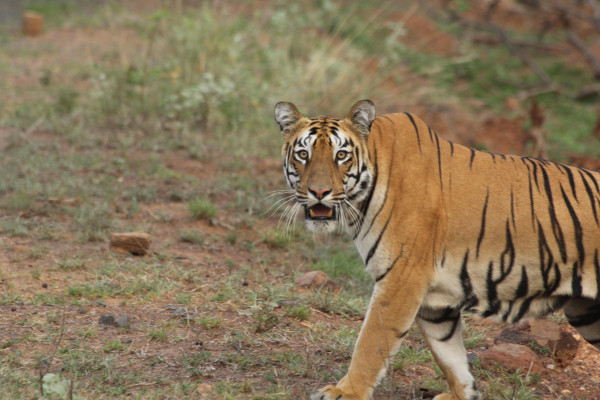
This guide is designed for the serious wildlife enthusiast and the first-time visitor alike, focusing on the critical information people need for a successful trip from how to secure the best safari spots to understanding the park's logistics so you can focus entirely on the thrilling pursuit of the elusive Ranthambore tiger.
How to Reach Ranthambore:
Ranthambore National Park is most easily accessed via the nearby town of Sawai Madhopur, which serves as the primary gateway.
By Train (The Most Convenient Option)
- Nearest Railway Station: Sawai Madhopur Junction (SWM).
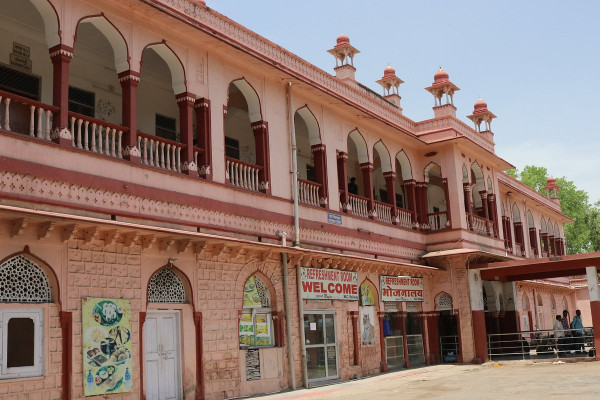
- Connectivity: This is the most choice for tourists.
- SWM to Ranthambore: The park entrance is about 11-14 km from the station. Auto-rickshaws and pre-booked taxis are popular way to arrive, as SWM is a major, well-connected station. It receives direct trains from all major Indian cities, including Delhi, Mumbai, Jaipur, and Agra. The convenience of an overnight train from Delhi to Sawai Madhopur makes it a frequent readily available for the 20-30 minute drive to your hotel or resort.
By Air (Nearest Airports)
- Nearest Major Airport: Jaipur International Airport (JAI).

- Distance to Ranthambore: Approximately 160-180 km.
- Travel Time: A road transfer (taxi or private car) from Jaipur to Sawai Madhopur takes about 3.5 to 4 hours. This is the best option for international travelers or those flying in from non-connected domestic cities.
- Alternative: Delhi's Indira Gandhi International Airport (DEL) is about 380 km away, making it a viable (though longer) option for international arrivals, followed by a train or long road journey.
By Road
Ranthambore is centrally located, making it easy to combine with Rajasthan's other major tourist circuit stops.
- Jaipur to Ranthambore: 160-180 km (Approx. 3.5 - 4 hours)
- Agra to Ranthambore: 245 km (Approx. 5 - 6 hours)
- Delhi to Ranthambore: 380 km (Approx. 6 - 7 hours)
The roads are generally well-maintained, and many visitors arrange for a private taxi service from Jaipur for the most comfortable and door-to-door transfer experience.
History: From Royal Hunting Ground to Tiger Haven
The history of Ranthambore is inseparable from the history of Rajasthan’s royalty. The forests surrounding the magnificent Ranthambore Fort were the exclusive private hunting reserves (Shikar Khana) of the Maharajas of Jaipur for centuries. While hunting was a royal pastime, the forests were relatively preserved until the early 20th century.
- 1955: The area was officially declared the Sawai Madhopur Sanctuary, a crucial initial step towards conservation after India’s independence.
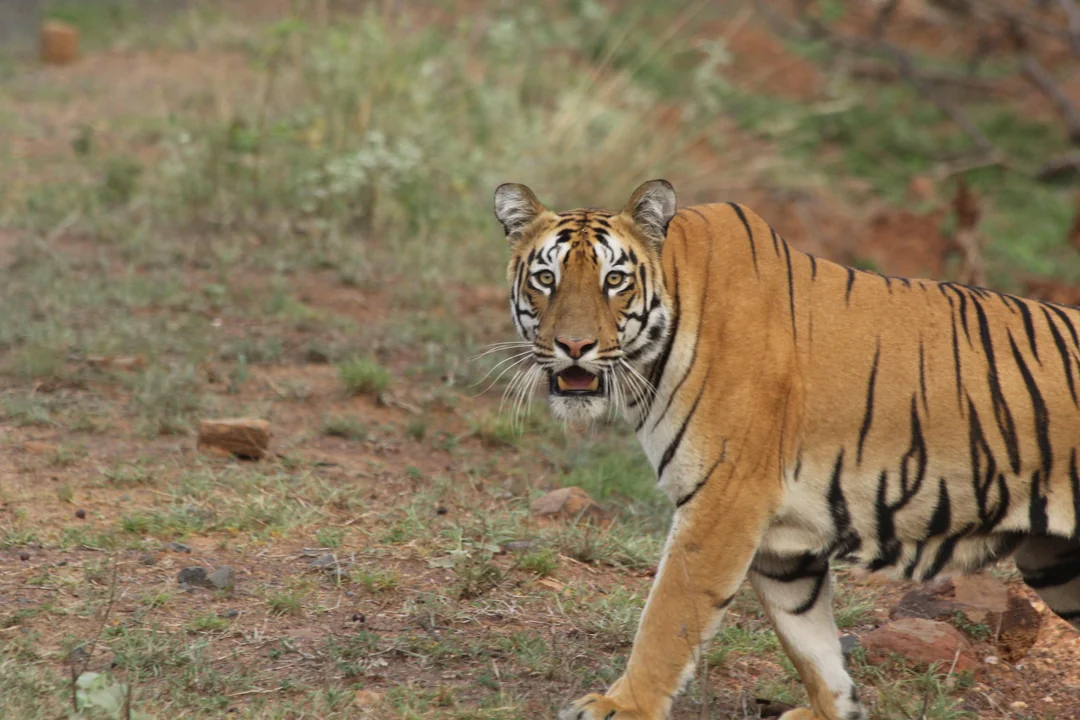
- 1973: Recognizing the rapidly dwindling tiger population across India, the Government launched the ambitious Project Tiger. Ranthambore was designated as one of the original nine Tiger Reserves under this scheme, receiving intensive protection and funding.
- 1980: The core area of the sanctuary was elevated to the status of Ranthambore National Park.
- Today: Ranthambore Tiger Reserve now spans an area of approximately 1,334 square kilometers, including the adjacent Mansingh Sanctuary and Kaila Devi Sanctuary, creating a vital habitat for one of the densest tiger populations in the country.

The Majestic Ranthambore Fort
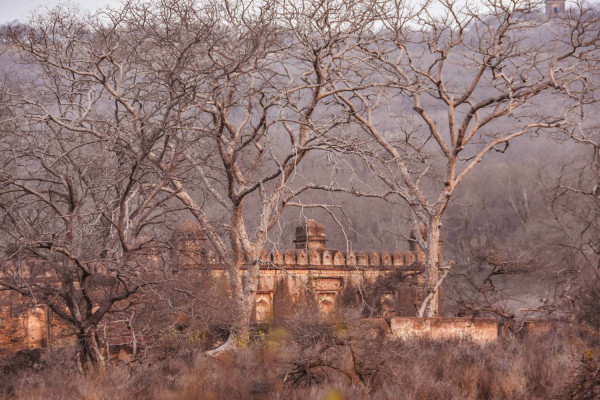
Dominating the landscape from atop a 700-foot cliff inside the park is the formidable Ranthambore Fort. This 10th-century Chauhan stronghold, which lends its name to the reserve (Ran means 'valley' and Thambhor is the hill), is not just a ruin; it is a UNESCO World Heritage Site (part of the Hill Forts of Rajasthan). The fort complex, which you can visit during the safari, features palaces, cenotaphs, and the revered Trinetra Ganesha Temple (believed to be the only temple where Lord Ganesha is depicted with three eyes), attracting religious pilgrims alongside wildlife tourists.
Wildlife of Ranthambore: Beyond the Bengal Tiger
While the Royal Bengal Tiger remains the park's biggest draw, Ranthambore is a thriving ecosystem supporting a rich diversity of mammals, birds, and aquatic life. The dry deciduous forest, dominated by the Dhok tree, and the open terrain make wildlife viewing relatively easier than in denser jungles.
The Big Cats and Predators
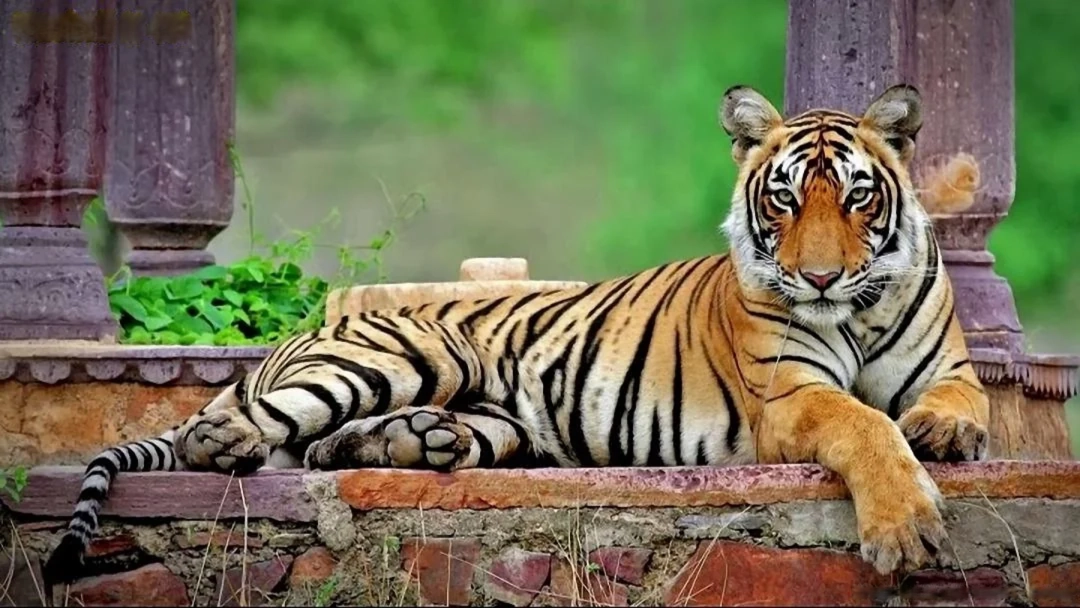
- Royal Bengal Tiger (Panthera tigris tigris): The apex predator and star of the show. Ranthambore's tigers are famously diurnal, meaning they are often seen active during the day, which hugely increases sighting chances. Legendary tigresses like Machli (T-16), often called the "Queen of Ranthambore" and one of the most photographed tigers in the world, have made this reserve globally famous.
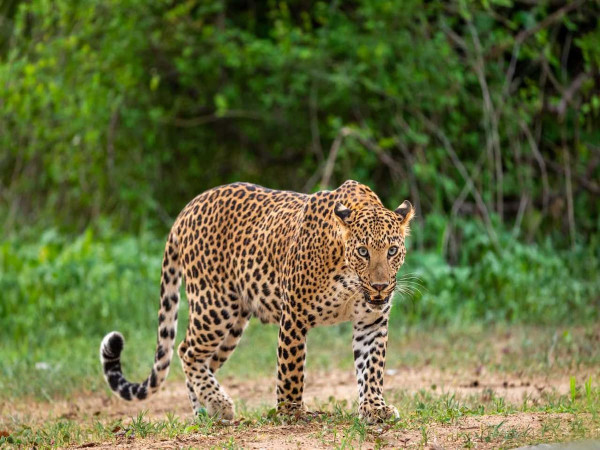
- Indian Leopard: These big cats prefer the rocky outcrops and higher slopes outside the dense valleys, making them less frequently sighted than the tigers, but often rewarding to spot for patient visitors. The park's Kachida Valley is historically known for its leopard population.
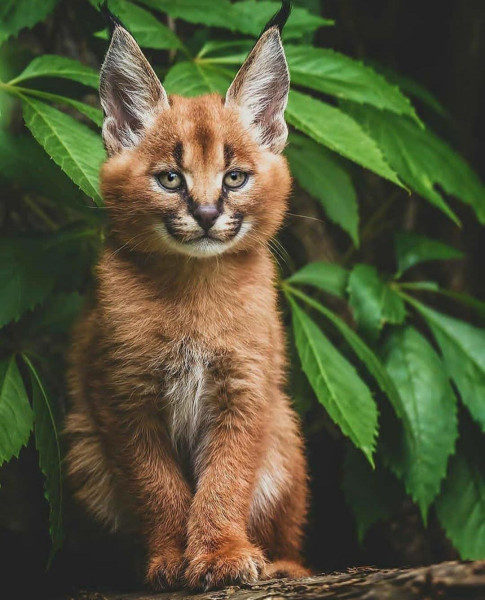
- Other Felines: The reserve is also home to the Caracal (a rare, slender wild cat with distinctive tufted ears), Jungle Cat, Rusty-spotted Cat, and Fishing Cat, appealing to those interested in smaller and more elusive wildlife in Ranthambore.
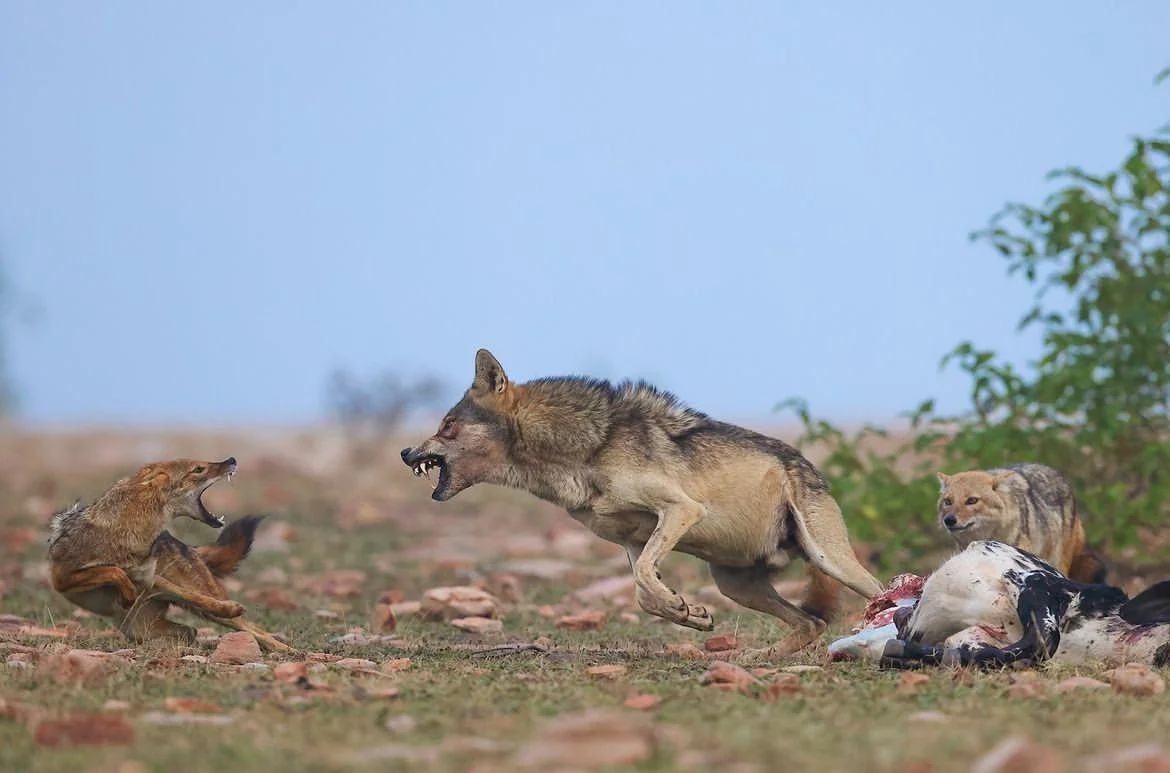
- Mammals: You can spot Sloth Bears, Striped Hyenas, Jackals, Desert Foxes, and the occasional Indian Wolf.
Herbivores and Prey Animals
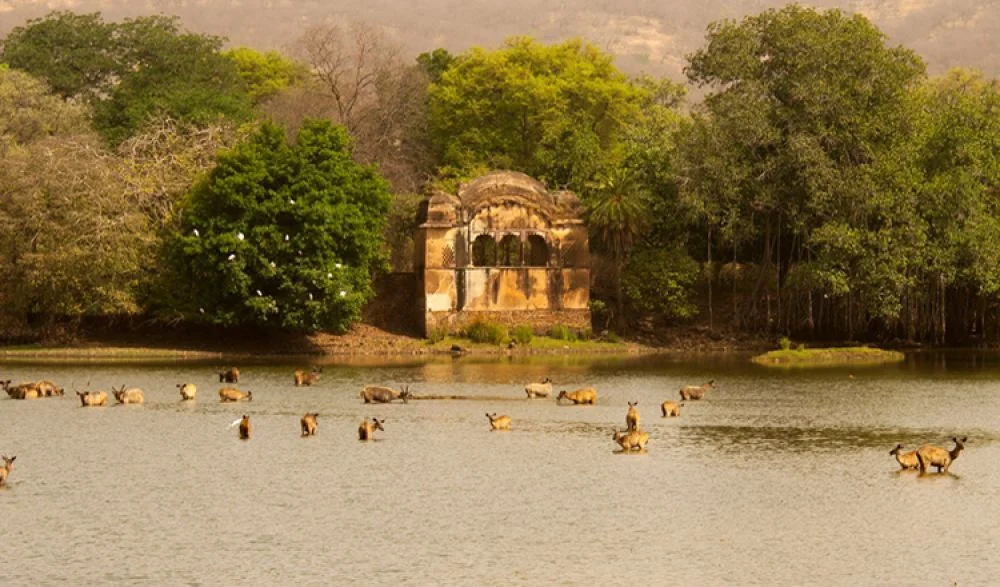
- Sambar Deer: As the largest of all Asiatic deer, the Sambar is the tiger's primary prey species and is frequently sighted around the lakes and riverine areas. Their loud alarm calls are often the first sign of a tiger's presence.
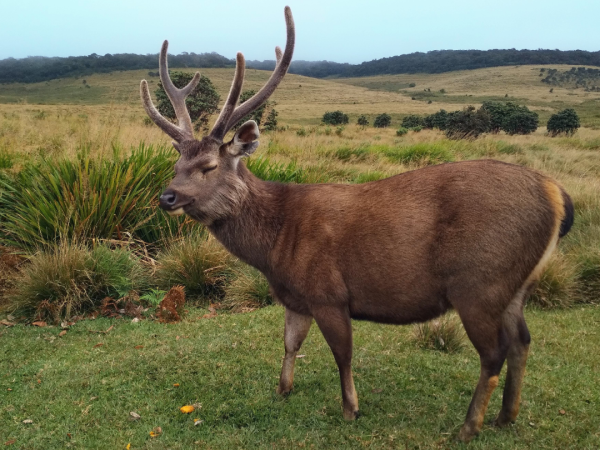
- Chital (Spotted Deer): Seen in large herds in the open meadows.
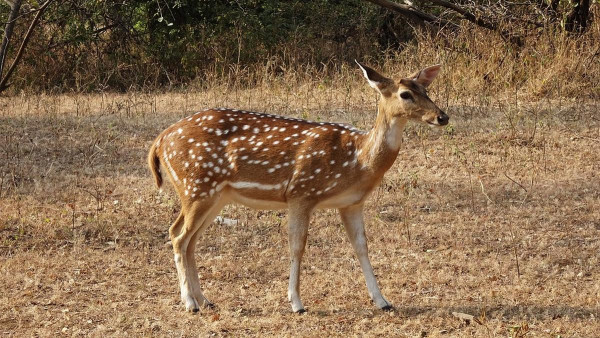
- Nilgai : The largest Asian antelope, often found grazing in the open scrubland.
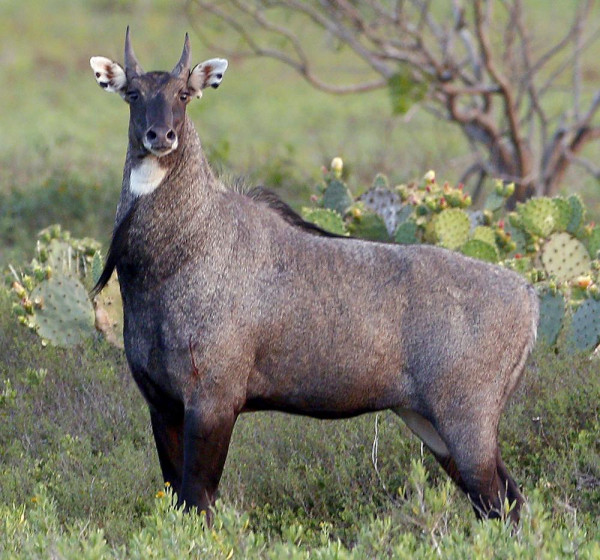
- Chinkara (Indian Gazelle): A shy antelope typically found in the drier, hilly areas.
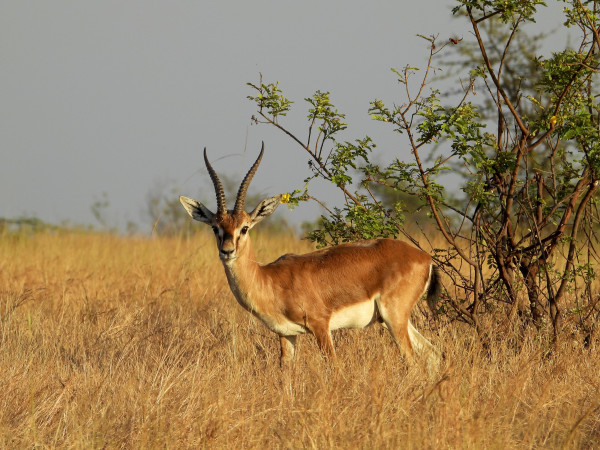
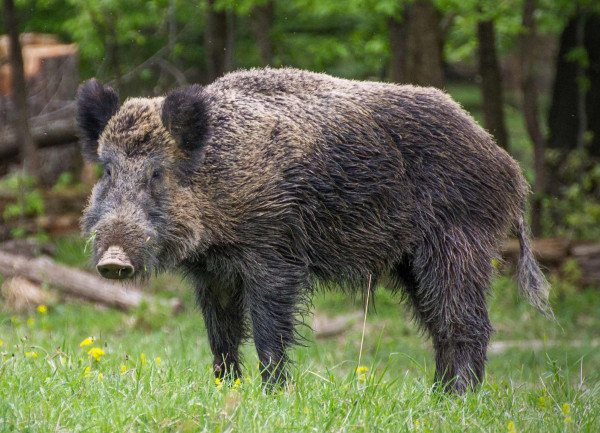
- Wild Boar: Common throughout the park.
Avian and Aquatic Life
- Birds: Ranthambore is a paradise for bird watchers, hosting over 300 species. During winter, it becomes a haven for migratory birds. You can spot the King Vulture, Great Indian Horned Owl, Serpent Eagles, various waterfowl, and many other vibrant species, especially around the three large lakes.

- Water Animals: The major water bodies Padam Talao, Raj Bagh Talao, and Malik Talao are essential watering holes. These lakes are home to Marsh Crocodiles (Mugger), turtles, and various types of fish.
Best Time to Visit Ranthambore
Choosing the right time to visit and planning your safari bookings are the two most crucial steps for a successful Ranthambore tiger safari.
Best Time to Visit: When to Go for Peak Sightings
Ranthambore is typically open from October 1st to June 30th.
- Peak Tiger Sighting Season (March to May/June):
- Reason: The vegetation dries out and thins, and the intense heat (temperatures can soar above 40°C) drives the animals, especially tigers, out of the dense cover and toward the permanent water sources like the lakes. This period offers the highest probability of tiger sightings, but be prepared for very hot daytime conditions.
- Tip: Book morning safaris during this time; the afternoons can be grueling.
- Peak Tourist Season (November to February):
- Reason: The weather is cool and pleasant, ideal for long hours in the open gypsy or canter (temperatures can drop to 10°C). The landscape is lush green and beautiful, thanks to the recent monsoon.
- Tip: Carry warm clothes, as the early morning and late afternoon safaris are quite chilly.
- Monsoon Season (July to September):
- The Core Zones (1-5) are CLOSED. However, the Buffer Zones (6-10) often remain open. While tiger sightings are rare due to thick vegetation and abundant water sources, this is an excellent time for keen nature photographers to witness the lush, post-monsoon greenery and avoid the crowds.
Safari Zones: Navigating the 10 Gates
Ranthambore is divided into 10 safari zones. Safaris are conducted in two modes: the smaller Gypsy (6-seater) for a more intimate experience, and the larger Canter (20-seater) for budget and larger groups. Only one zone can be visited per safari session.
- Zones 1 to 5: Considered the Core Zones and generally offer the best chances for tiger sightings because they cover the main lakes and historical ruins. Zone 3, with Padam Talao and the Raj Bagh ruins, is a favorite for photographers. Zone 2 is often cited as a reliable route for high activity.
- Zones 6 to 10: These are the Buffer Zones and are located further from the main entrance (sometimes requiring a longer drive). While they offer ample wildlife and excellent landscape views, the density of the most frequently sighted tigers may be lower than in 1-5. They are excellent for peaceful drives and birdwatching.
Critical Booking Tip:
Book your Ranthambore safari permits well in advance (90-120 days), especially if you are aiming for the prime zones (2, 3, 4) or traveling during peak season. Zone allocation is done by the Forest Department, and last-minute booking for preferred zones is nearly impossible.

Top Things to Do & Activities in Ranthambore
Discover a world of unforgettable experiences and top activities at this destination! Whether you’re seeking adventure, cultural immersion, relaxation, or family fun, find the best things to do—from sightseeing and outdoor adventures to culinary delights, spiritual journeys, and local events. Enjoy every moment and make your trip truly memorable!