Discover Amazing Kodaikanal
Kodaikanal is a serene hill station known for misty valleys, lakes, viewpoints, and waterfalls. Popular spots include Kodai Lake, Coaker’s Walk, Pillar Rocks, Bryant Park, and Bear Shola Falls.
About This Destination
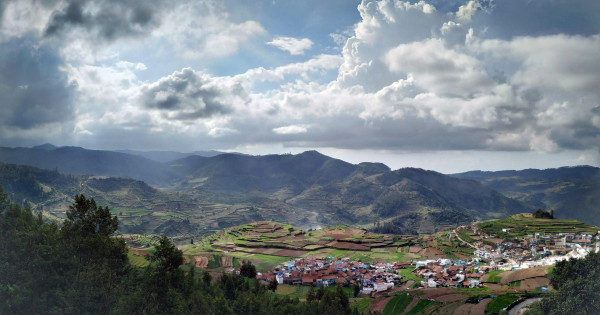
Kodaikanal Tour Package: affectionately known as the "Princess of Hill Stations," is one of South India's most cherished travel destinations. Tucked away in the upper Palani Hills of Tamil Nadu, this serene retreat is famed for its dense shola forests, star-shaped artificial lake, cascading waterfalls, and perpetually mist-shrouded valleys. A Kodaikanal trip promises a unique blend of colonial history, natural beauty, and a deeply relaxing atmosphere, making it a favorite for honeymooners, families, and nature enthusiasts alike.
This comprehensive guide is designed to provide you with high-value, easy-to-digest information covering everything from the best way to reach Kodaikanal and the ideal time to visit, to the essential Kodaikanal tourist places ensuring your planning process is seamless and your mountain escape is unforgettable.
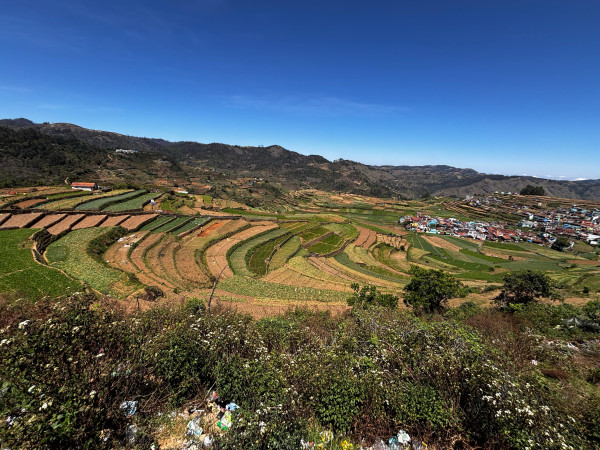
How to Reach Kodaikanal
Kodaikanal’s elevation at around 7,200 feet (2,133 meters) means the final leg of the journey is always a scenic, winding mountain road. Getting the travel connections right is key to a smooth arrival.
How to Reach Kodaikanal
Since Kodaikanal is a hill station, it lacks its own airport or a major railway station right within the town. All routes require a final road journey up the hills.
1. By Air (Nearest Airport)
For travellers flying in, there are two primary options, depending on your city of origin:
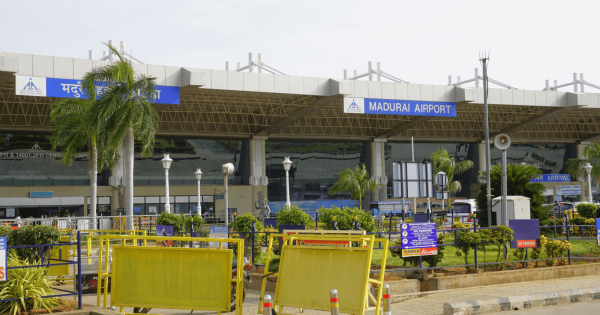
- Madurai Airport (IXM): This is the nearest airport to Kodaikanal, located approximately 120 km away. Madurai offers good connectivity to major Indian cities like Chennai, Bengaluru, and Mumbai. The road journey from Madurai to Kodaikanal takes about 3 to 4 hours. It is the best choice for travelers looking for the fastest way to fly to Kodaikanal.
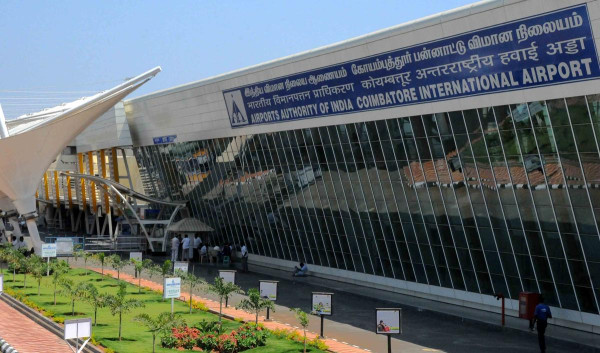
- Coimbatore International Airport (CJB): Located about 175 km away, Coimbatore offers better connectivity for international flights and is a strong alternative. The road journey is slightly longer, taking around 4.5 to 5 hours.
2. By Rail (Nearest Railway Station)
While Kodaikanal town doesn't have a station, a major nearby station serves as the disembarkation point for visitors arriving by train.
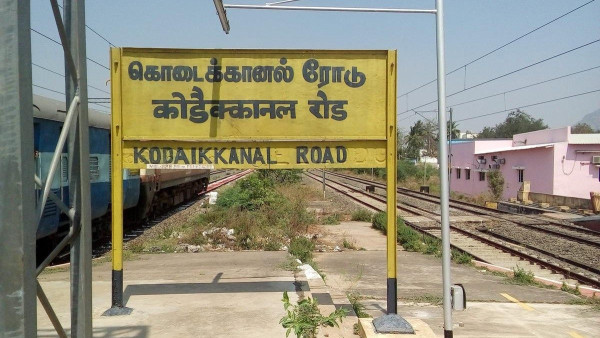
- Kodaikanal Road Railway Station (KQN): This is the official nearest railway station to Kodaikanal, situated about 80 km from the hill station. However, this station is relatively small and has limited train stoppages.
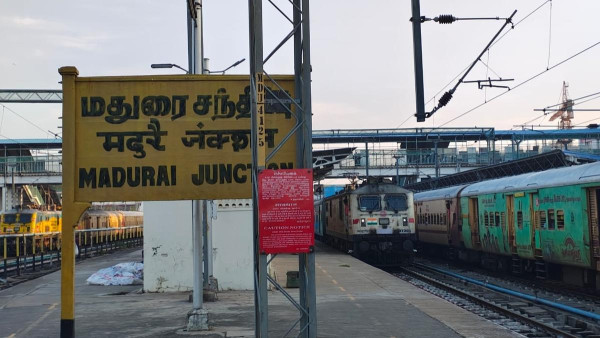
- Madurai Junction (MDU) or Dindigul Junction (DG): These two stations are far better connected and more frequently used by tourists. Dindigul Junction is particularly popular, being about 100 km away, and offering excellent train services from Delhi, Chennai, Bengaluru, and other major cities. From Dindigul, you can easily hire a taxi or take a shared cab to ascend the hills. Searching for train services from Chennai to Kodaikanal will typically route you through Dindigul or Madurai.
3. By Road (The Ultimate Mountain Journey)
The road network to Kodaikanal is excellent, making the final ascent highly scenic and enjoyable.
- Self-Drive/Taxi: Kodaikanal is approximately 465 km from Bangalore (about 8-9 hours) and 525 km from Chennai (about 9-10 hours). Hiring a taxi or driving yourself provides the most flexibility, allowing you to stop at scenic viewpoints along the way.
- Bus Services: The Tamil Nadu State Express Transport Corporation (SETC) and private operators run daily sleeper and AC bus services to Kodaikanal from Chennai, Bengaluru, and Cochin. The overnight bus is an extremely popular and budget-friendly option, ensuring you arrive in Kodaikanal early in the morning, ready to check in.
Best Time to Visit Kodaikanal
The ideal time to visit is when the weather is cool and clear, perfect for sightseeing and enjoying the crisp mountain air.
- Peak Season / Summer (April to June): This is the most popular time to visit Kodaikanal. While the plains are sweltering, the hill station offers pleasant, mild weather, with temperatures ranging from 18°C to 30°C. This period is excellent for outdoor activities and Kodaikanal boating experiences. Expect more crowds and higher hotel prices during school holidays in May.
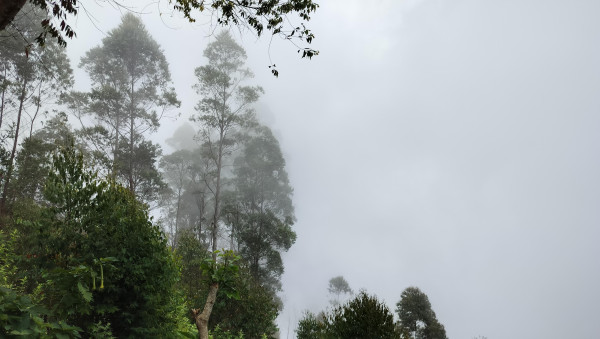
- Shoulder Season / Winter (October to March): This season is highly desirable for romantic trips. The days are cool and sunny, and the nights are quite chilly (temperatures can drop to 8 ° C). The weather is perfect for trekking and long walks in Kodaikanal and enjoying clear views of the valleys, making it the best time to visit Kodaikanal for honeymoon.
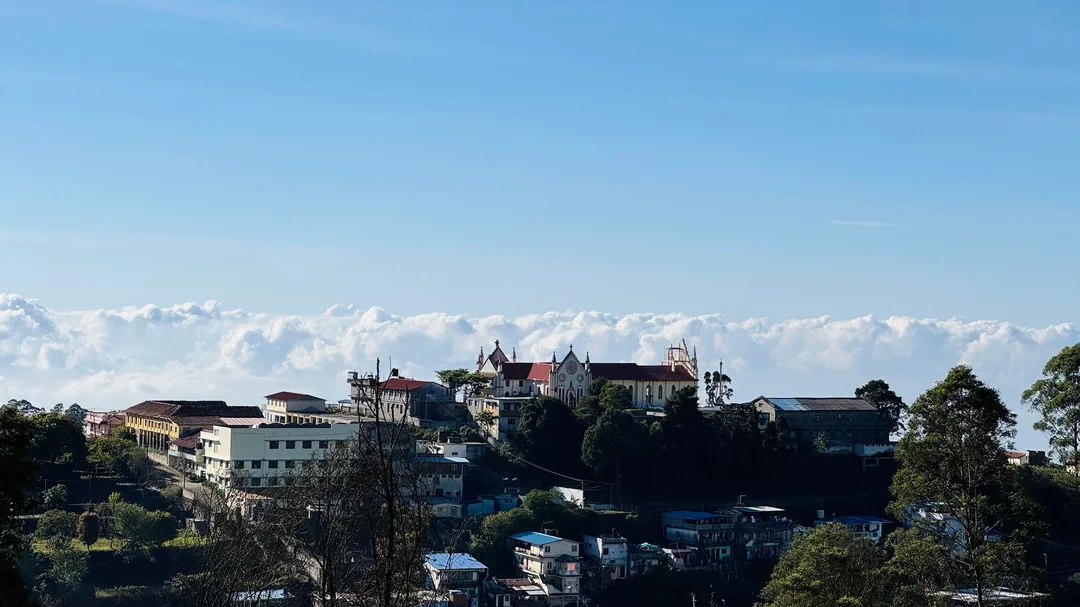
- Monsoon (July to September): The hills receive heavy rainfall. While the waterfalls are at their roaring peak and the surrounding forests look intensely lush and green, heavy mist and fog often obscure the valley views. Outdoor activities like trekking are risky, and the weather can be damp and cold. This is the time for budget travellers seeking solitude and the dramatic beauty of the monsoon clouds.
The Genesis of the Queen – History and Heritage
Kodaikanal's history is unique in South India, as it wasn't founded by a European colonial power for military or administrative purposes but rather as a health retreat.
History of Kodaikanal: The American Missionary Connection
The region was originally inhabited by the Paliyan and Puliyan tribes. The name Kodaikanal itself is derived from the Tamil words Kōḍi (meaning 'end' or 'edge') and kāṉal (meaning 'forest' or 'dense jungle'), often interpreted as "The Gift of the Forest."
- Founding by Americans (1845): Unlike Ooty or Shimla, Kodaikanal was established by American Christian missionaries and British bureaucrats fleeing the heat and the malaria of the plains. They sought a cooler, healthier climate that reminded them of home. The town was purposefully built as a resort to escape the tropical epidemics prevalent in the lower plains.
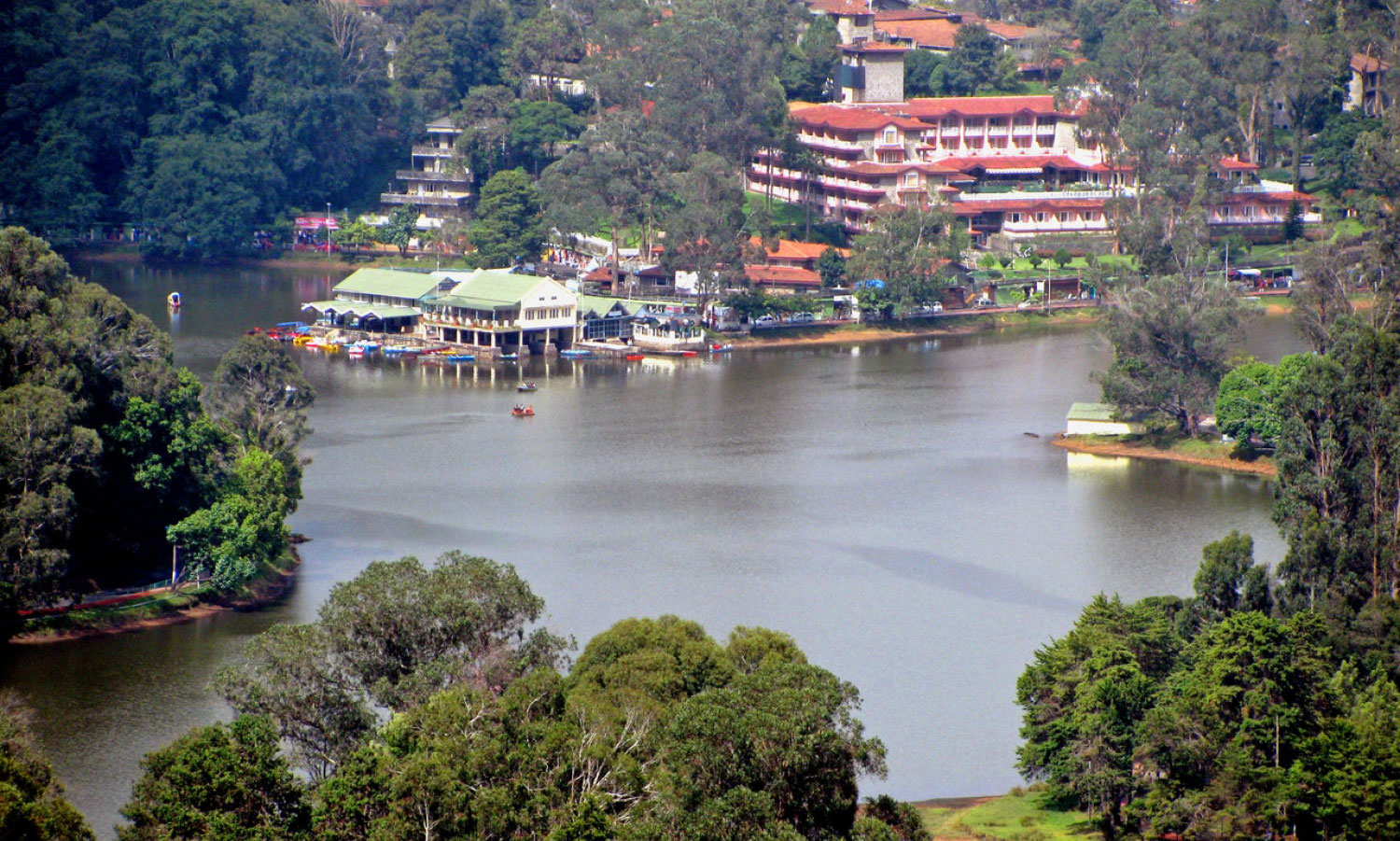
- The Lake: The iconic, star-shaped Kodaikanal Lake is not natural; it was artificially created in 1863 by Sir Vere Henry Levinge, a former Collector of Madurai, who dammed the valley and used the space for boating and recreation. This lake became the geographical and social heart of the new settlement.
- Educational Hub: The hill station quickly became known for its premier educational institutions, notably the Kodaikanal International School (KIS), which cemented its reputation as a preferred residential area for expatriates and wealthy Indians.
- Post-Independence: The town retained its status as a premium resort and has grown into the major tourist centre it is today, balancing its colonial architecture with local Tamil vibrancy.
Things To Do in Kodaikanal
Kodaikanal's attractions are centred around the lake and the numerous surrounding viewpoints that capture the majestic beauty of the Palani Hills.
1. The Lake and Its Surroundings
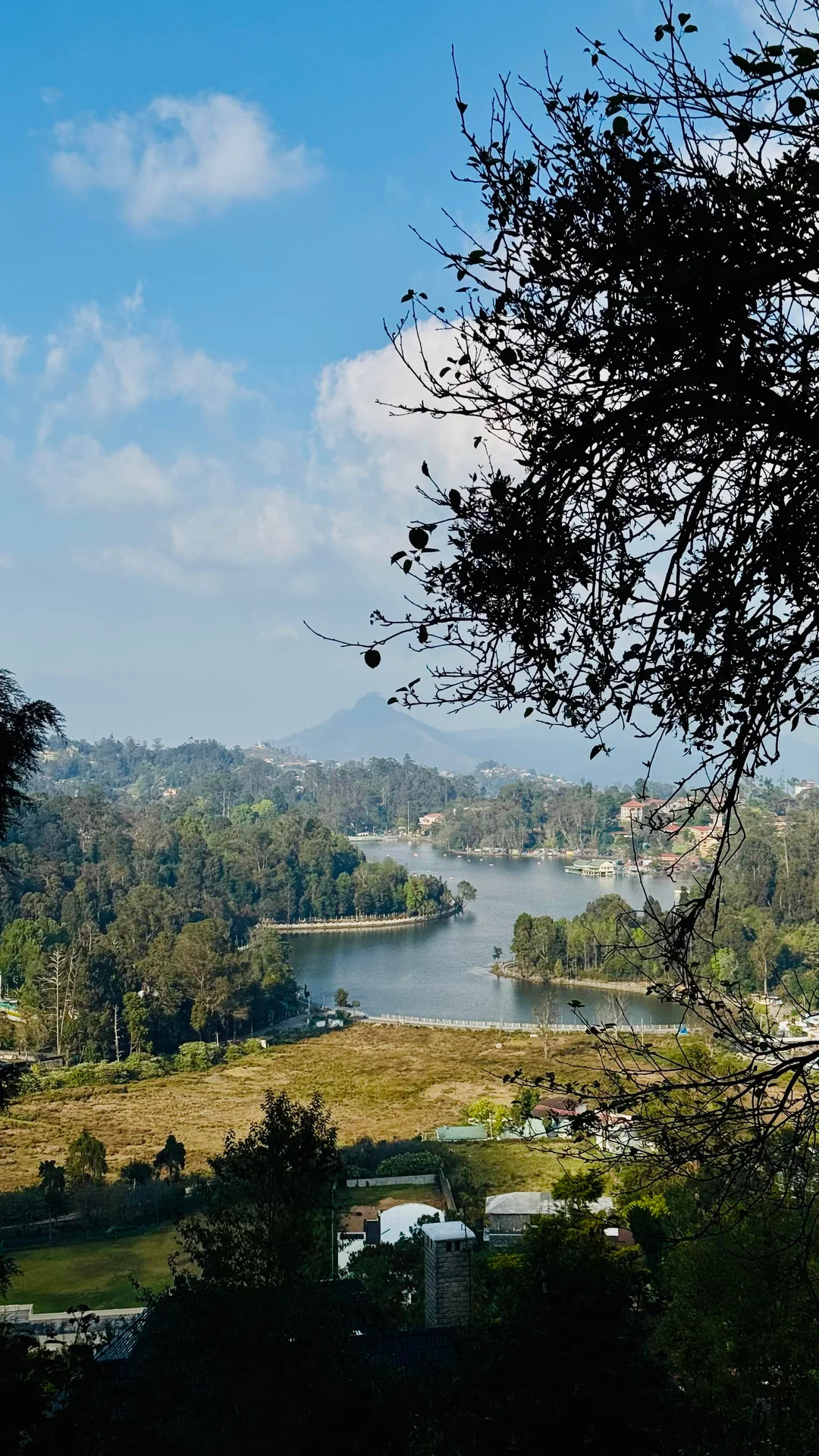
The artificial lake is the heart of all activity, and most essential services and hotels are located nearby.
- Kodaikanal Lake (Kodai Lake): The star-shaped, man-made lake offers the classic Kodaikanal experience. The best way to enjoy it is by Kodaikanal lake boating (rowing or pedal boats) or renting bicycles for a scenic ride around the 5 km perimeter path.
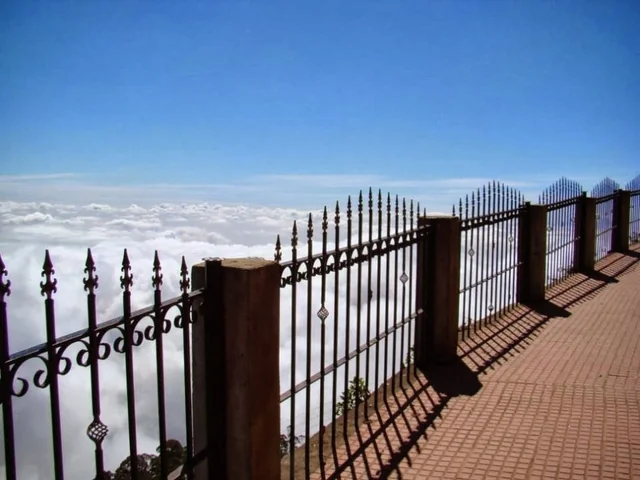
- Coaker’s Walk: This paved, 1 km-long pedestrian path runs along the steep slope of the hill, offering some of the most breathtaking panoramic views of the valley below, including the Pambar River, Dolphin's Nose, and the Periyakulam town. Visiting Coaker's Walk during sunrise or early morning is a mandatory part of the best Kodaikanal itinerary.
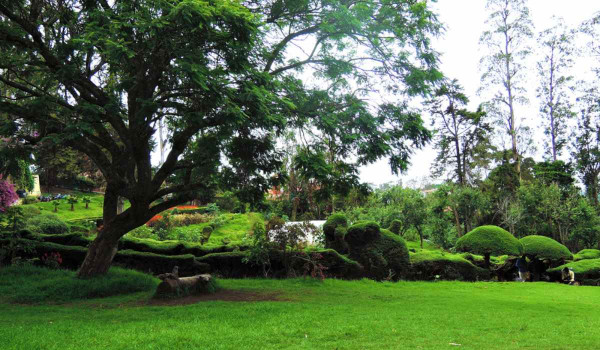
- Bryant Park: Located next to the lake, this beautifully maintained botanical garden is famous for its wide variety of exotic flowers, including a special section dedicated to rose gardens. It’s perfect for a leisurely stroll and a popular spot for family picnic in Kodaikanal.
2. Viewpoints and Dramatic Vistas
Kodaikanal is renowned for its cliff-edge viewpoints that offer spectacular, often misty, views into the depths of the valley.
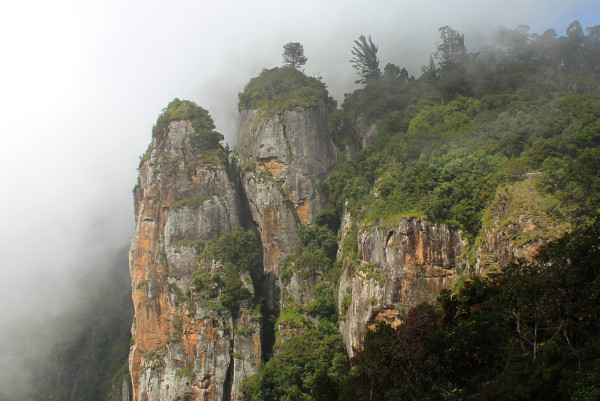
- Pillar Rocks: Three giant rock pillars, approximately 400 feet high, standing side-by-side, offering a magnificent viewpoint. On clear days, the sight is truly dramatic, but when covered in mist, it feels mysterious and isolated.
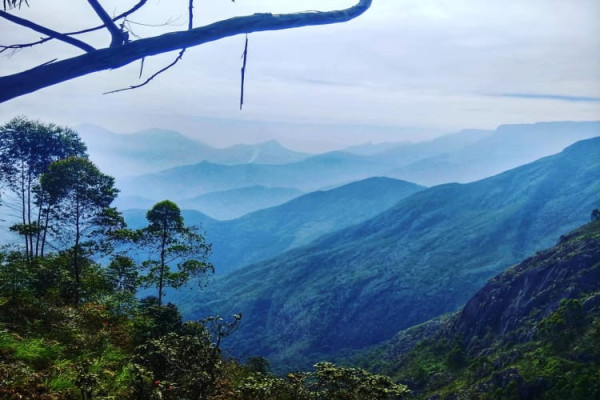
- Green Valley View (Suicide Point): Located near the golf course, this viewpoint provides a spectacular, dizzying view of the Vaigai Dam and the deep valley below. Due to safety concerns, it has been fenced, but the name reflects the sheer drop and incredible depth of the gorge.
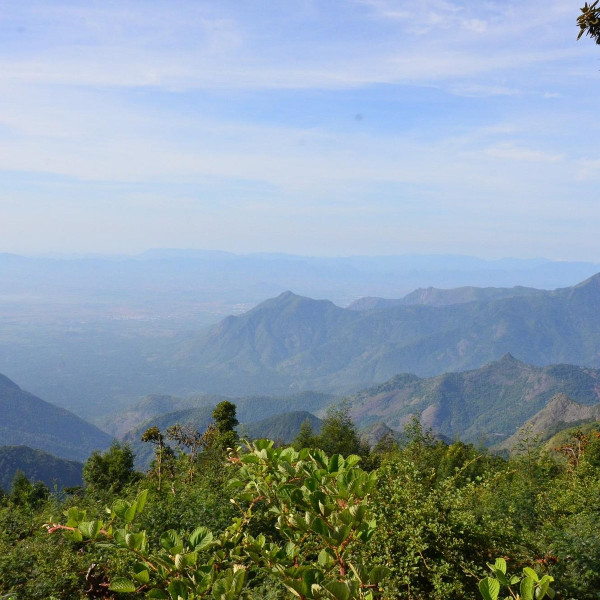
- Moir Point: Situated at the junction of three roads, Moir Point offers expansive views of the surrounding hills and is a key historical spot, named after Sir Thomas Moir, who initiated the construction of the major road (R-Route) in 1929.
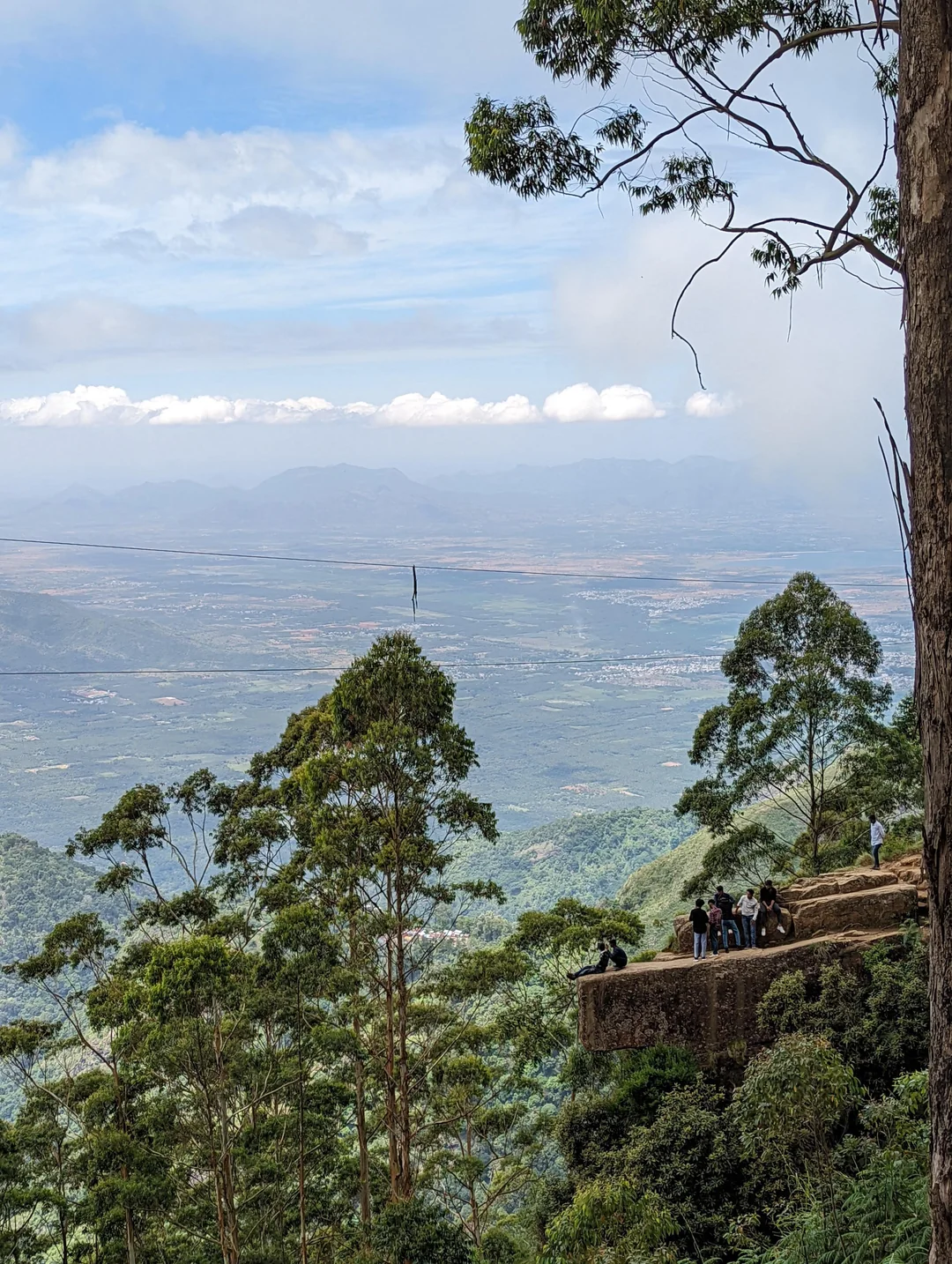
- Dolphin's Nose: A truly iconic natural landmark. This flat, protruding rock resembles a dolphin's nose. Reaching it requires a moderately easy Kodaikanal trekking experience of about 3 km through pine forests, offering spectacular views along the way.
3. Forests and Waterfalls
The forests surrounding Kodaikanal are part of the protected Western Ghats ecosystem, rich in biodiversity.
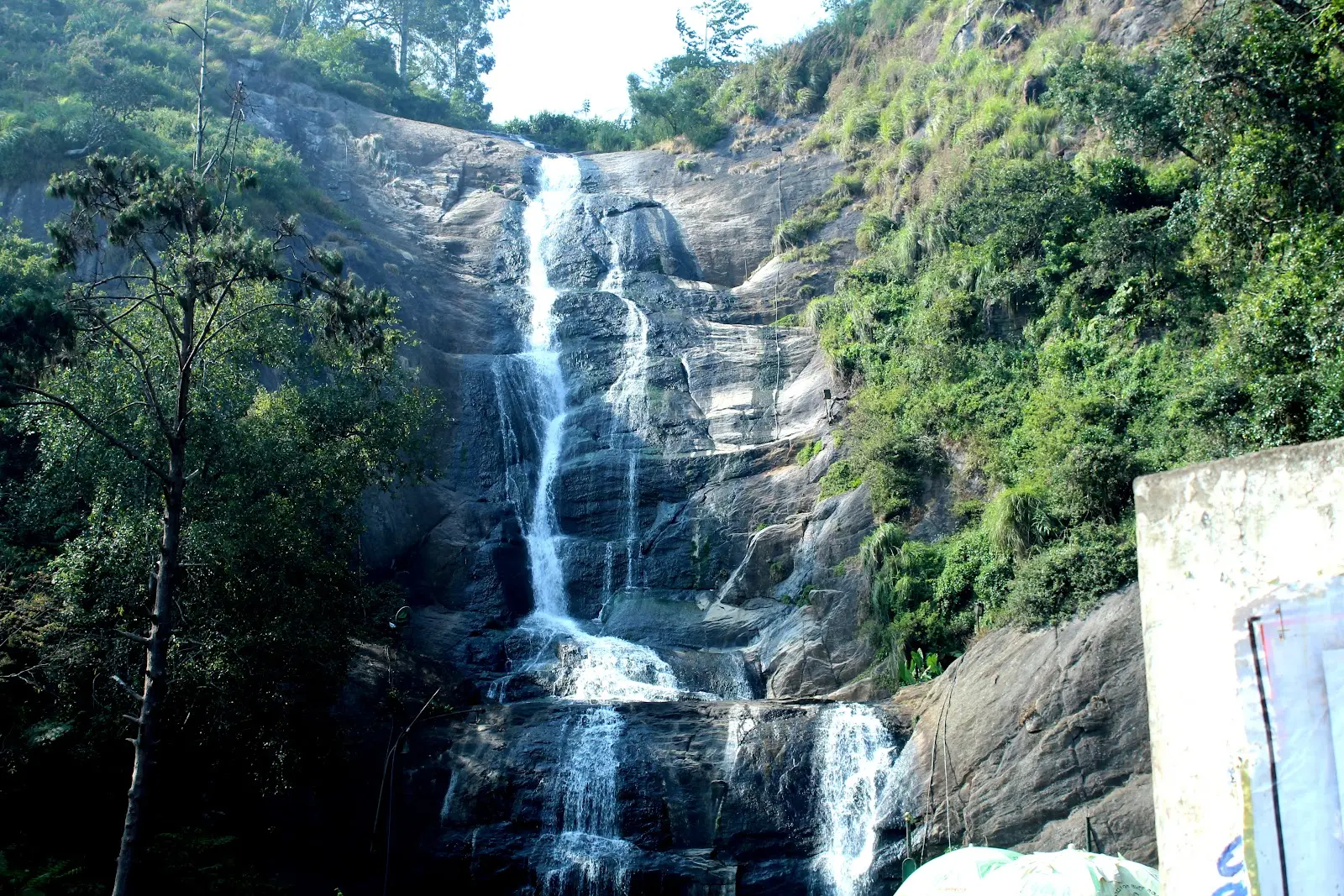
- Silver Cascade Falls: Located approximately 8 km before Kodaikanal town on the Ghat Road, this is the first natural attraction visitors see. The waterfall is formed by the overflow of the Kodaikanal Lake, making it a quick and accessible roadside photo stop.
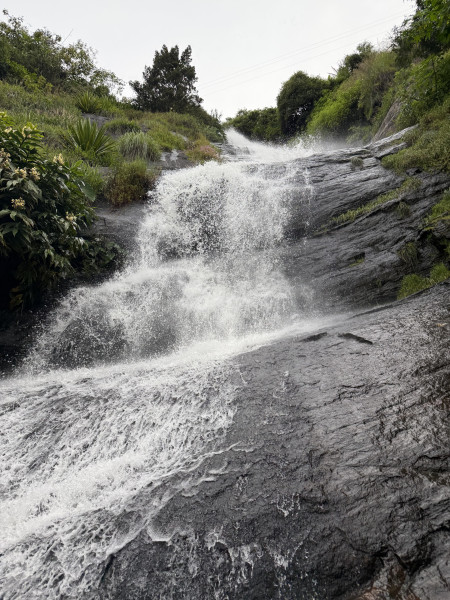
- Bear Shola Falls: A seasonal waterfall that is at its best during the monsoon. It is nestled deep within a reserved forest and offers a serene, quiet atmosphere for nature walks.
- Pine Forest: The vast expanse of towering pine trees, planted by the British, offers a magical and slightly European atmosphere. It's an extremely popular spot for horse riding in Kodaikanal and photography.
Beyond Sightseeing – Adventure, Culture, and Cuisine
Kodaikanal offers more than just views; its distinct culture and adventure options enhance the overall travel experience.
1. Adventure and Exploration
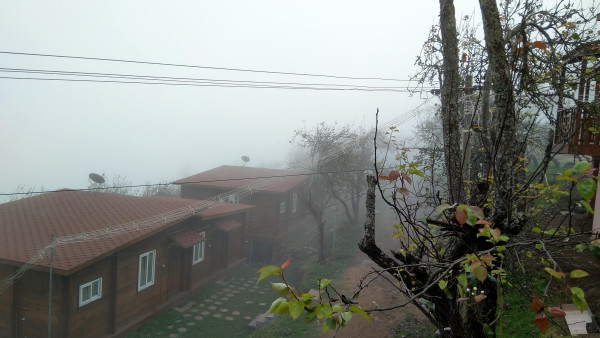
- Trekking to Vattakanal: A popular destination near Kodaikanal, Vattakanal is often called 'Vatta' and is known for its incredible scenic beauty, waterfalls, and shola forests. It is highly popular among international backpackers and offers some excellent short trekking routes.
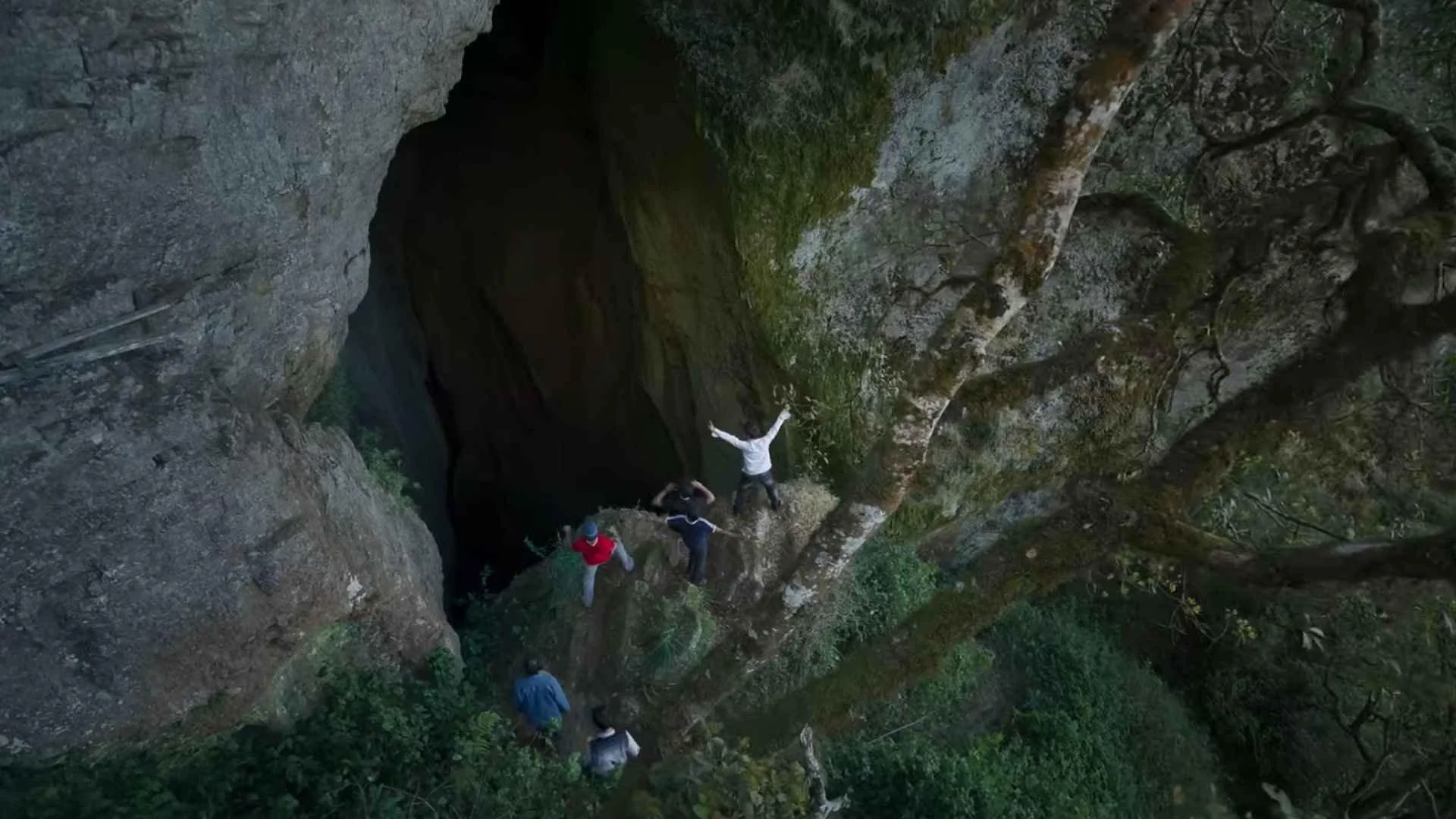
- Guna Caves (Devil's Kitchen): Located near Pillar Rocks, this site became famous after being featured in the popular Kamal Haasan movie Guna. It consists of deep bat-infested caves. Due to past safety incidents, access to the deepest parts of the caves is restricted, but the surrounding pine forests and viewpoints are still major attractions.
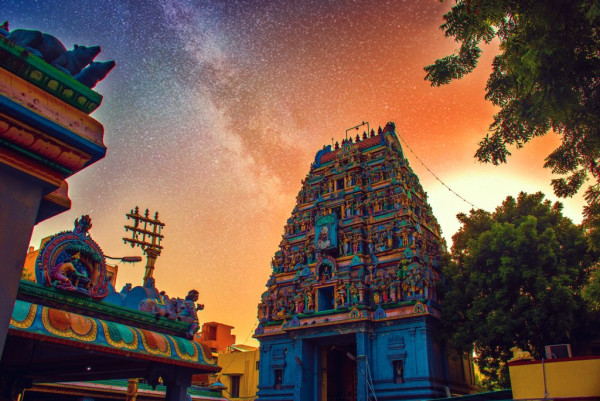
- Kurinji Andavar Temple: Dedicated to Lord Murugan, this temple is famous for being surrounded by the rare Kurunji Flower, which only blooms once every twelve years. The next expected blooming year is 2030, making it a unique aspect of Kodaikanal tourism history.
2. Shopping and Souvenirs
Kodaikanal is known for its locally made products, which make great souvenirs.
- Homemade Chocolates: The town is famous for its delicious, locally made chocolates, available in countless flavors.
- Spices and Oils: Given its location in the Western Ghats, Kodaikanal offers high-quality fresh spices, essential oils (especially eucalyptus), and local forest honey.
- Aroma Candles and Handicrafts: Look for handmade items, particularly those crafted by the local Tibetan community, including woollens and small artifacts.
3. Cuisine and Cafés
The town's history as a European/American settlement led to a vibrant cafe culture.
- Bakeries: Kodaikanal is home to several old, famous bakeries offering excellent pastries, bread, and European-style snacks.
- Tibetan Food: Due to the nearby Tibetan settlement, authentic momos, thukpa, and noodles are widely available and extremely popular.
Insider Tips for a Flawless Kodaikanal Trip
Successfully navigating Kodaikanal requires awareness of its mountain terrain and common travel challenges.
Plannings and Tips
- Trekking Gear: If visiting between October and March, pack light woollens, but always carry a light waterproof jacket, as the mist can turn into a quick shower.
- Permits: While most tourist spots don't require permits, check local guidelines if you plan on extended, off-trail trekking deep into the reserved shola forests.
- Altitude: Kodaikanal is high. Take it slow on your first day, especially if you have sensitive health conditions, and allow yourself time to acclimatize.
Top Things to Do & Activities in Kodaikanal
Discover a world of unforgettable experiences and top activities at this destination! Whether you’re seeking adventure, cultural immersion, relaxation, or family fun, find the best things to do—from sightseeing and outdoor adventures to culinary delights, spiritual journeys, and local events. Enjoy every moment and make your trip truly memorable!