Discover Amazing Barkot
Barkot is a scenic hill town in Uttarakhand, located on the banks of the Yamuna River at 1,220 meters. Known for its panoramic Himalayan views, it serves as an important stop on the way to Yamunotri and is popular among nature lovers and pilgrims alike.
About This Destination
Barkot is a sizable, bustling town nestled in the Uttarkashi district of Uttarakhand, strategically located on the banks of the Yamuna River. Positioned at an altitude of approximately 1,220 meters (4,000 feet), Barkot is not a primary tourist destination but a critically important staging post and the main logistical hub for pilgrims undertaking the Yamunotri Yatra, the first shrine visited on the Char Dham circuit.
Barkot serves as a crucial point of rest, resupply, and acclimatization for thousands of travelers heading towards the rigorous mountain trails. It offers a genuine glimpse into the functional life of a Himalayan market town a place where faith, commerce, and the majestic landscape converge. From its vantage point, the town offers beautiful seasonal views of the towering Banderpoonch Peak, lending a dramatic backdrop to its daily activities. This guide provides a complete, honest look at Barkot, the indispensable alpine anchor of the Yamunotri pilgrimage.
Overview:
Barkot's identity is defined by its role as a necessary stop on the pilgrimage route and its setting within the scenic Yamuna Valley.
Logistical Significance
As the largest town between Dehradun/Rishikesh and the Yamunotri road head, Barkot provides essential services that are scarce higher up the mountains. It boasts the best range of accommodations, banking facilities, reliable mobile connectivity, and provision stores in the lower Yamuna Valley. For many pilgrims, it is the mandatory overnight stop before tackling the final, arduous journey to the Yamunotri temple.
The Yamuna Valley
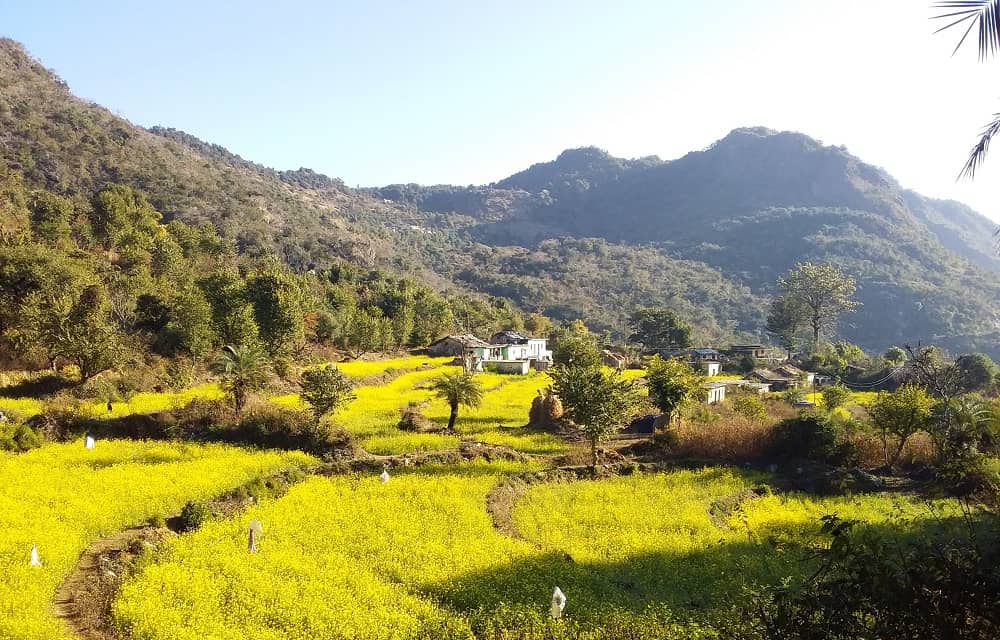
The town is situated comfortably in the lower reaches of the valley, offering milder weather than the high peaks and acting as a bridge between the plains and the core Himalayan ranges. The nearby Yamuna River the second holiest river in India—flows powerfully through the valley, adding a spiritual, calming presence to the town’s bustling commercial energy. The surrounding terraced fields and forests contribute to a pleasing, transitional mountain landscape.
How to Reach Barkot
- By Air: The nearest airport is Jolly Grant Airport (DED) in Dehradun, approximately 160 km away. The road journey takes about 6 to 7 hours, traversing the Shivalik and lower Garhwal hills. Taxis are easily hired from the airport.
- By Rail: The nearest railway station is Dehradun Railway Station (DDN), about 130 km away, or Rishikesh Railway Station (RKSH), about 170 km away. From both stations, direct buses (UTC) and shared/private taxis are readily available, following the scenic, winding road via Mussoorie's base or the Yamuna bridge routes.
- By Road: Barkot lies on the National Highway 134, the main Yamunotri road. It is a necessary stop on the route from Delhi/Dehradun to Yamunotri. Due to the long distance from the plains, the road journey is a significant part of the travel time.
Best Time to Visit Barkot
The best time to visit aligns perfectly with the Yamunotri pilgrimage season.
- Peak Pilgrimage Season (May to June and September to October): Ideal. The weather is stable, cool, and comfortable for travel and rest. This period offers the clearest skies, allowing for the best views of the Banderpoonch peaks.
- Avoid: Monsoon (July to August) due to heavy rain, which significantly increases the risk of road blockages and landslides, making the journey challenging. Winter (November to March) as the weather is bitterly cold, and the Yamunotri temple is closed.
Things to Do:
Barkot's attractions are simple, focusing on the natural environment and local life, offering a genuine respite before the high-altitude ascent.
- Banderpoonch Peak View: The primary scenic activity. Seek out a viewpoint, often from the upper floors of hotels or specific roadside spots, to catch the majestic view of the Banderpoonch Peak (6,316m). The peak is often visible in the distance, especially in the early morning light a perfect spot for Himalayan sightseeing and photography.
- Yamuna River Ghat: Visit the banks of the Yamuna River near Barkot. While the water is turbulent and cold, the riverbanks offer a peaceful place for reflection and spiritual contemplation before pilgrims make their final trip to the source.
- Local Market Exploration: Wander through Barkot's bustling local bazaar. The market is geared toward the pilgrim's needs, selling everything from rain gear, blankets, and trekking poles to local honey and Garhwali sweets. This provides a fascinating look into the logistics and commerce that support the entire Yatra.
- Day Trip to Yamunotri (The Pilgrimage): Use Barkot as your base. The final road head, Jankichatti, is about 45 km away (1.5–2 hours drive). From Jankichatti, the arduous 6 km trek to the Yamunotri temple begins. Barkot facilitates this journey by providing the necessary rest and preparation the night before.
- Acclimatization: Simply resting and allowing the body to adjust to the mountain altitude is arguably the most important "thing to do" in Barkot, ensuring health and safety for the trek ahead.
Barkot to Uttarkashi (Approx. 85 km)
- Overview: This route connects the logistical hub of the Yamuna valley (Barkot) with the central spiritual and administrative hub of the Bhagirathi valley (Uttarkashi).
- The Route: The drive takes approximately 3 to 4 hours. It involves traveling across a major mountain ridge before descending toward the Bhagirathi River at Uttarkashi.
- Significance: For pilgrims completing the Yamunotri circuit and moving on to Gangotri, this route is mandatory. Uttarkashi provides the next major stopover point, offering superior infrastructure and being the final large town before the long ascent to Gangotri.
Barkot to Gangotri (via Uttarkashi - Approx. 185 km)
- Overview: This is the complete route taken by pilgrims moving from the first shrine (Yamunotri, based in Barkot) to the second shrine (Gangotri).
- The Route: The journey is long and scenic, typically taking 6 to 8 hours of driving time. It involves first driving from Barkot to Uttarkashi, and then continuing along the Bhagirathi River valley, passing the scenic Harsil, up to the final road head at Gangotri.
- Significance: This connection underlines Barkot's role in the complete Char Dham Yatra logistics, linking the entire western segment of the pilgrimage trail. Pilgrims almost always choose to break this journey with an overnight stop in Uttarkashi due to the driving distance and mountain conditions.
Top Things to Do & Activities in Barkot
Discover a world of unforgettable experiences and top activities at this destination! Whether you’re seeking adventure, cultural immersion, relaxation, or family fun, find the best things to do—from sightseeing and outdoor adventures to culinary delights, spiritual journeys, and local events. Enjoy every moment and make your trip truly memorable!