Discover Amazing Chamoli
Chamoli in Uttarakhand is known for its natural beauty, temples, valleys, and trekking trails. Top attractions include Auli, Badrinath, Valley of Flowers, Hemkund Sahib, and scenic mountain landscapes.
About This Destination
Chamoli is much more than just a district headquarters; it is the spiritual and geographical epicenter of the Garhwal Himalayas in Uttarakhand. Bounded by Tibet to the north, this majestic region is the confluence of deep Hindu mythology, world-class trekking, and unparalleled natural beauty. Chamoli District hosts two of the most revered and sought-after destinations in the entire Indian subcontinent: the sacred shrine of Badrinath and the magnificent, floral haven of the Valley of Flowers National Park.
Travelers consistently like the sense of profound spiritual peace, the challenging and rewarding Himalayan treks, and the breathtaking, up-close views of colossal peaks like Nanda Devi and Trishul. Given the complex, high-altitude terrain, this guide is designed to be highly helpful for navigating the logistics, ensuring your journey into the 'Abode of Gods' is safe, well-planned, and spiritually enriching.
How to Reach Chamoli
Reaching the high-altitude district of Chamoli requires a combination of rail/air travel to the foothills and a long but scenic drive along the holy Alaknanda River valley. Chamoli town itself sits on the important NH7 (old NH58), the main arterial road leading to Badrinath.
Nearest Airport: Jolly Grant Airport, Dehradun (DED)
- Jolly Grant Airport, Dehradun (DED): Located approximately 222 kilometers from the main town of Chamoli, this is the nearest and most reliable air link. The airport is well-connected to major Indian cities like Delhi, Mumbai, and Bangalore.
- Transfer: From DED, the road journey to Chamoli town or deeper points like Joshimath takes around 7 to 8 hours. Taxis (private and shared) are readily available for hire.
- Gauchar Airstrip: There is a small airstrip at Gauchar, within the district, which is occasionally used for emergency services and may, in the future, offer regional connectivity, but DED remains the practical choice for most tourists.
Nearest Railway Station: Rishikesh (RKSH)
- Rishikesh Railway Station (RKSH): This is the nearest major railhead, located about 202 kilometers before Chamoli town. Rishikesh is well-connected to Delhi and other parts of India, making it the most common starting point for the Char Dham Yatra road journey.
- Connectivity: Frequent trains, including express and overnight services, run from Delhi to Rishikesh. The train journey followed by the road trip is the most popular way to travel to Chamoli district.
- Transfer: From Rishikesh, you can find abundant state-run buses (UTC) and private taxis heading up the hills towards Rudraprayag, Karnaprayag, and Chamoli, a scenic drive that typically takes 6 to 7 hours.
By Road: The Himalayan Highway
- Route: Chamoli is centrally located on National Highway 7 (NH7), the historic road that runs along the Alaknanda river. The road journey from Delhi is approximately 430-450 kilometers.
- Bus Services: Direct Uttarakhand Transport Corporation (UTC) buses are available from ISBT Kashmiri Gate, Delhi, to major hubs within the district like Karnaprayag, Rudraprayag, and Srinagar, from where local transport connects to Chamoli and Gopeshwar. The road trip offers stunning views of the famous river confluences (Prayags), which is a highlight of the journey.
Best Time to Visit: Pilgrimage, Flowers, and Snow
Chamoli’s high-altitude location means it experiences extreme weather variations, dictating the best time for different activities.
Summer and Monsoon (May to October): Peak Season
- The Trekking Window (Mid-May to June & Mid-September to October): The weather is clear, pleasant, and ideal for trekking and pilgrimage. This is the best time to visit Badrinath and other high-altitude temples, as the roads are open and weather is stable.
- The Valley of Flowers Bloom (Mid-July to Mid-August): This is the peak season for the Valley of Flowers trek. The monsoon rains fuel an explosion of thousands of alpine flowers, creating the famous blanket of color. While it is the rainiest time, the floral spectacle and misty beauty make it the most rewarding time for nature photographers and botanists.
Winter (November to April): The Off-Season and Skiing
- What to Expect: Most high-altitude areas, including Badrinath and the Valley of Flowers, are closed due to heavy snow. The main Chamoli town area is accessible but cold.
- Best For: Auli Skiing and Snow Views. The town of Auli transforms into India’s premier skiing and winter sports destination from December to March, attracting adventurers looking for snow adventure trips in Uttarakhand. This is the best time for clear, crisp views of the snow-covered Himalayan giants.
History and Heritage: Land of the Gods and Katyuri Dynasty
Chamoli's identity is forged in ancient Hindu mythology and pivotal historical events, making it a powerful cultural nexus.
The Sacred Kedarkhand
Ancient scriptures, including the Puranas, refer to the Garhwal region as Kedarkhand—the land of Lord Shiva. Chamoli’s history is inextricably linked to the Mahabharata and Ramayana. Legends state that the sage Vyasa dictated the Mahabharata to Lord Ganesha in a cave (Vyas Gufa) near the village of Mana (the last village before the Indo-Tibetan border, near Badrinath). Furthermore, the village of Pandukeshwar, where the Yogdhyan Badri temple is located, is believed to be the Tapsthali (place of penance) of King Pandu, the father of the Pandavas.
Adi Shankaracharya and the Char Dham
A pivotal moment in Chamoli's history was the visit of the great 8th-century Hindu reformer, Adi Shankaracharya. He established Jyotirmath (known today as Joshimath) as one of the four cardinal Mathas (monastic centers) in India. He is credited with reinstating the idol of Lord Vishnu at the Badrinath Temple from the Narad Kund, thus formalizing the Char Dham Yatra route and cementing the region's status as a major Hindu pilgrimage destination.
The Katyuri Dynasty and Chipko Movement
- Katyuri Rule: For centuries, Chamoli was a vital part of the Katyuri dynasty, which ruled Kumaon and Garhwal, leaving behind architectural wonders, most notably the ancient temples around Gopeshwar and Adi Badri.
- The Chipko Movement: In modern history, Chamoli gained international fame as the birthplace of the revolutionary Chipko Movement in the 1970s. Local women, led by figures like Gaura Devi, famously hugged trees (Chipko means 'to stick') in the Reni village to prevent their felling by contractors, making it a global symbol for grassroots environmental conservation.
Places to Visit: Temples, Treks, and Nature’s Wonders
Chamoli offers an unmatched range of spiritual, adventure, and natural destinations, many of which are world-renowned.
1. The Holy Circuit: Char Dham and Panch Kedar
- Badrinath Temple: Situated on the banks of the Alaknanda River, this is the most famous shrine and one of the four main Char Dham pilgrimage sites. Dedicated to Lord Vishnu, the temple's magnificent structure and powerful spiritual aura attract millions.
- Joshimath (Jyotirmath): This historically and religiously significant town serves as the winter seat of Lord Badrinath. When the Badrinath temple closes for winter, the idol is transported and worshipped at the Narsingh Temple here. Joshimath is also the gateway to Auli and the base camp for several treks.
- Panch Badri Temples: Chamoli is home to most of the Panch Badri temples, including Yogdhyan Badri (at Pandukeshwar), Bhavishya Badri (literally, 'Future Badri'), and Adi Badri (a cluster of ancient temples near Karnaprayag).
- Rudranath Temple: One of the five holy Panch Kedar temples dedicated to Lord Shiva, where the face (mukha) of the deity is worshipped. It requires a difficult but extremely scenic high-altitude trek in Chamoli through alpine meadows (Bugyals) and thick forests.
- Gopinath Temple, Gopeshwar: The district headquarters is home to the ancient Gopinath Temple, famed for its pre-medieval architecture and the centuries-old Trishul (trident) standing in the courtyard, which is a major historical and religious attraction.
2. Nature and Adventure Havens
- Valley of Flowers National Park: A UNESCO World Heritage Site, famous for its vast, colorful expanse of endemic alpine flowers that bloom during the monsoon. Access is via a rewarding trek from Govindghat and a base camp at Ghangaria. This trek is one of the best summer treks in the Indian Himalayas.
- Hemkund Sahib: A revered pilgrimage site for the Sikh faith, located at an altitude of over 4,300 meters, near a stunning glacial lake. The star-shaped Gurudwara is accessible via the same base camp (Ghangaria) as the Valley of Flowers, making it a popular combined pilgrimage trek.
- Auli: India's premier skiing destination. It is a Bugyal (alpine meadow) that offers stunning, sweeping 270-degree views of peaks like Nanda Devi, Kamet, and Mana Parvat. The longest cable car ride in Asia connects Joshimath to Auli, providing easy access and incredible views.
- Kuari Pass Trek: Known as the Lord Curzon Trail, this moderate-to-difficult trek is world-famous for offering the best panoramic views of the great Himalayan peaks in India. It is one of the most sought-after winter treks in Uttarakhand.
- Vasudhara Falls: A majestic 400-foot waterfall located 5 km from Mana village, believed to be so pure that it only sprinkles on the truly righteous. It is an easy trek from Mana and a beautiful spot for high-altitude nature lovers.
- Nandprayag and Karnaprayag: Two of the five sacred river confluences (Panch Prayag) located in the district. Nandprayag is where the Nandakini River meets the Alaknanda, and Karnaprayag is where the Pindar River joins the Alaknanda. These spots are highly significant for pilgrims and offer spectacular views of the rushing waters.
Things To Do: Trekking, Skiing, and Spiritual Retreats
Chamoli offers high-intensity adventure and profound spiritual contemplation, catering to every traveler seeking the authentic Himalayas.
- High-Altitude Trekking: Engage in the iconic treks to Rudranath Temple or the challenging Roopkund Trek (the mysterious Skeletal Lake) for a serious adventure. For a moderate and highly rewarding experience, the Kuari Pass Trek is unparalleled.
- Skiing and Snowboarding in Auli: Take advantage of the long ski slopes and the natural meadows of Auli during the winter months. Skiing lessons and equipment rentals are widely available.
- Pilgrimage and Meditation: Spend time at the numerous ancient temples and ashrams like the Anusuya Devi Temple and the various Badri temples. The serene, clean environment is perfect for Himalayan spiritual retreats and yoga.
- Nature Photography and Botany: Dedicated wildlife enthusiasts will find the vast Nanda Devi Biosphere Reserve (which includes the Valley of Flowers) a paradise. Focus on capturing the rich, high-altitude flora and the myriad bird species.
- Exploring Mana Village: Visit Mana, the last Indian village on the border, known for its unique Bhotia culture, Vyas Gufa, and Bheem Pul (a massive rock structure over the river Saraswati, also linked to the Mahabharata).
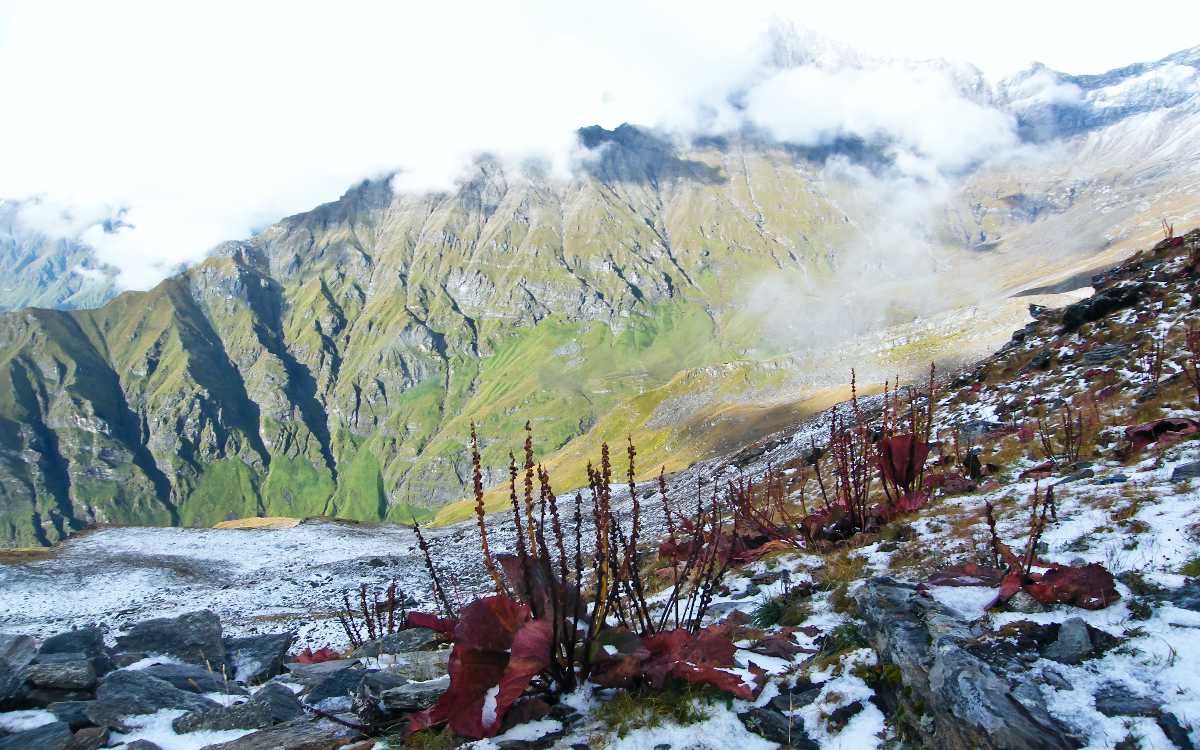
Top Things to Do & Activities in Chamoli
Discover a world of unforgettable experiences and top activities at this destination! Whether you’re seeking adventure, cultural immersion, relaxation, or family fun, find the best things to do—from sightseeing and outdoor adventures to culinary delights, spiritual journeys, and local events. Enjoy every moment and make your trip truly memorable!