Discover Amazing Harsil
Tranquil village in Uttarakhand on the banks of Bhagirathi River, famed for pine forests, apple orchards, and scenic Himalayas—ideal for nature lovers, solitude seekers, and as a stop for Gangotri travelers.
About This Destination
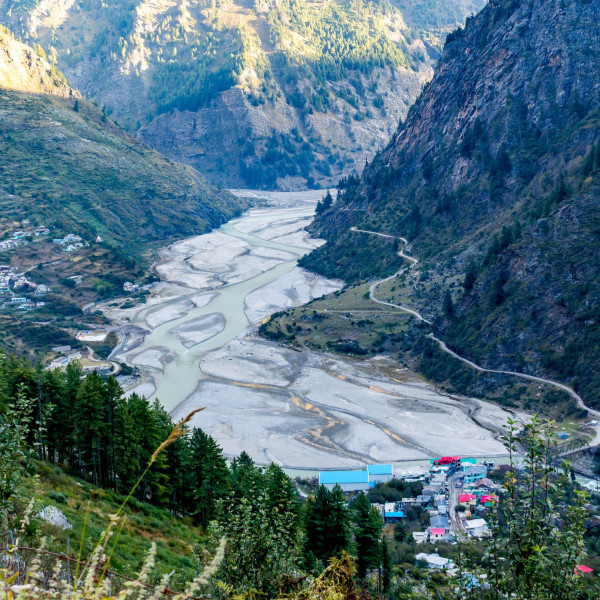
Harsil is less of a town and more a gorgeous, living painting, nestled in the Garhwal Himalayas of Uttarakhand. Situated at an altitude of approximately 2,620 meters (around 8,600 feet), it sits on the banks of the mighty Bhagirathi River, surrounded by dense forests of deodar, pine, and oak. It's often called the 'Mini Switzerland of India,' but honestly, it has a character all its own rugged, spiritual, and beautifully understated.
The valley is famous for a few exceptional things:
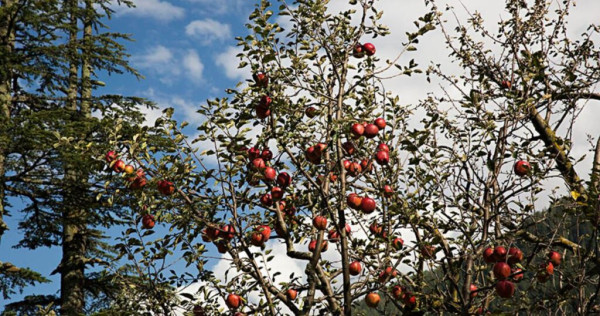
- The Apple Orchards: Harsil is the 'Apple Bowl of Uttarakhand,' thanks to a fascinating historical figure: Frederick "Pahadi" Wilson. An English deserter from the British army in the mid-19th century, Wilson settled here, married a local girl named Gulabi, and introduced apple cultivation to the region. The valley's economy transformed, and his legacy lives on in the extensive, lush orchards and the historic Wilson Cottage.
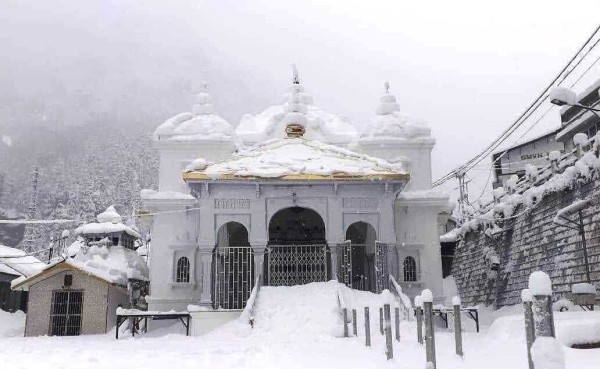
- A Pilgrim's Pause: Lying just about 25 km before the revered Gangotri Dham, Harsil is a tranquil and essential stop on the Char Dham pilgrimage route. The entire region is steeped in spiritual energy.
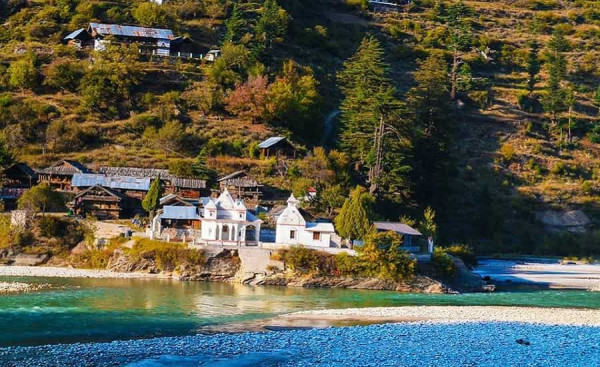
- A Cultural Mosaic: The local populace includes the friendly Bhotia tribe and Jadhs, whose traditional wooden houses and unique customs offer a warm glimpse into Himalayan life. The nearby Mukhba Village is particularly sacred, serving as the winter abode for Goddess Ganga when the Gangotri temple closes due to snow.
In Harsil, life moves at the pace of the river unhurried, powerful, and constant. It’s the perfect antidote to the city's frantic rhythm.
How to Reach Harsil
The journey to Harsil is an essential part of the experience, a spectacular road trip through the heart of the Garhwal Himalayas. There are no direct trains or flights, which is precisely what keeps the valley so pristine.
The closest major city hubs are Rishikesh and Dehradun.
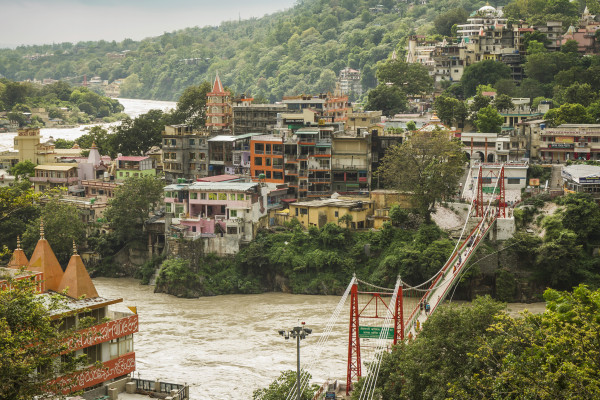
By Air:
- The nearest airport is Jolly Grant Airport (DED) in Dehradun, approximately 230-240 km away.
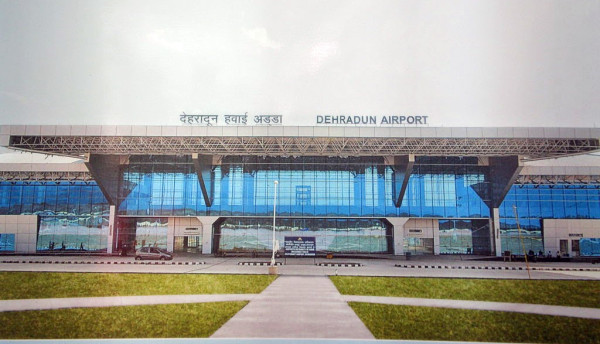
- From Dehradun, you can hire a private taxi directly to Harsil, which takes about 8-10 hours, or take a taxi/bus to Uttarkashi and then a shared jeep or another taxi to Harsil.
By Train:
- The nearest major railhead is Rishikesh Railway Station (RKSH), about 215 km from Harsil.
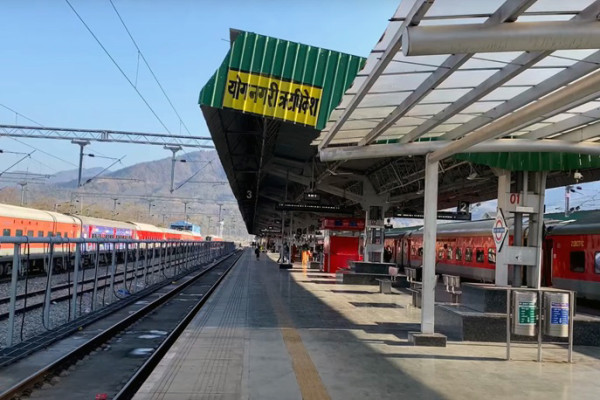
- From Rishikesh, the road journey is stunning. You can find pre-booked taxis or take a local bus service (usually in the early morning) that runs towards Gangotri, which will drop you at Harsil.
By Road: The Main Adventure
- Harsil is located on NH 108 (now NH-34), the main route to Gangotri.
- A common route from Delhi/NCR is Delhi – Haridwar/Rishikesh – Dehradun – Uttarkashi – Harsil.
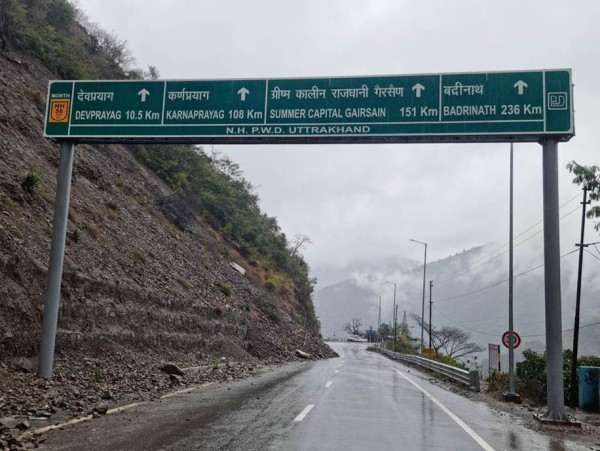
- The road conditions are generally motorable but become more challenging and subject to landslides during the monsoon. The final stretch after Uttarkashi is narrow but offers absolutely breathtaking views as you drive alongside the Bhagirathi River, through dense forests and small mountain villages. Allow yourself a full day of travel from the plains to Harsil—it’s a long, winding, but incredibly rewarding drive.
Best Time to Visit
Harsil is a valley that changes its soul with the turning of the seasons, offering a unique beauty in every period.
Spring & Early Summer: (April to June) –
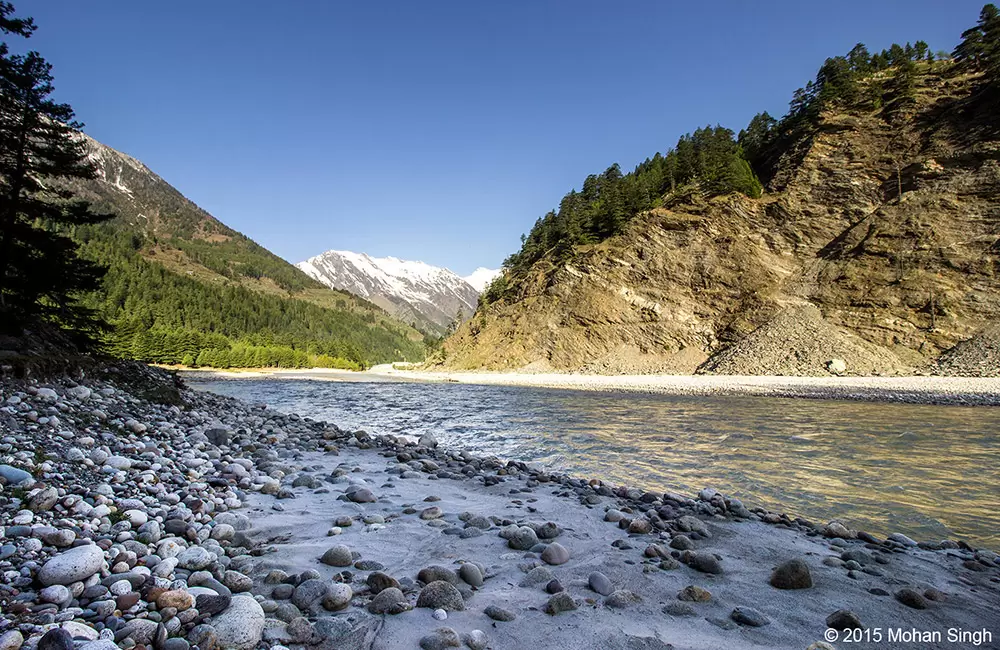
- Vibe: Clear skies, blooming rhododendrons, and the beginning of the apple blossom season. The valley is bursting with green.
- Weather: Day temperatures are a pleasant 15°C to 25°C nights are cool, dropping to 5°C to 10°C.
- Why Visit: This is the most popular time for a reason. Roads are generally excellent, the weather is perfect for trekking and exploration, and the air is crisp. It’s also the time the Gangotri temple opens.
Monsoon: (July to August) –
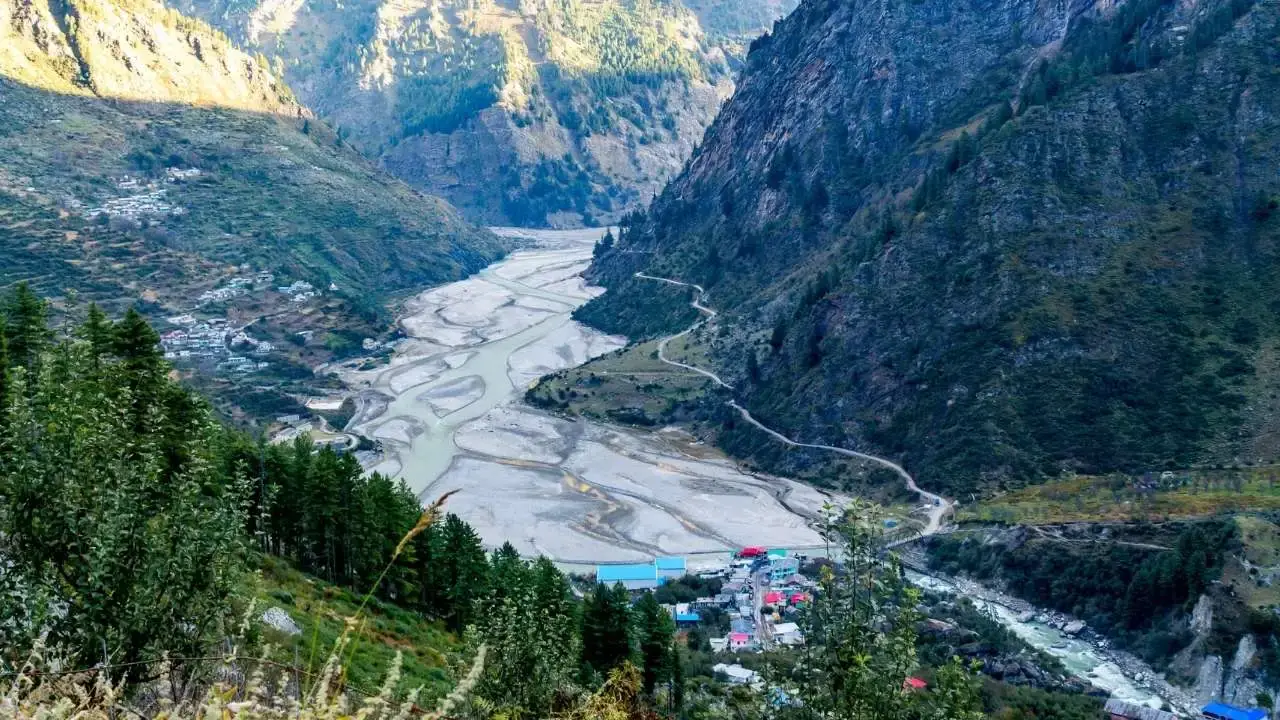
- Vibe: Intense greenery, misty clouds, and a dramatic, powerful river. The entire landscape is thoroughly washed and renewed.
- Weather: Warm and humid, 15°C to 25°C.
- Why Visit: The sheer beauty of the valley when it’s drenched is unmatched, but travel is challenging. Landslides and road blockages are frequent. This is best for those who plan to stay put and enjoy the misty solitude.
Autumn: (September to Mid-November)
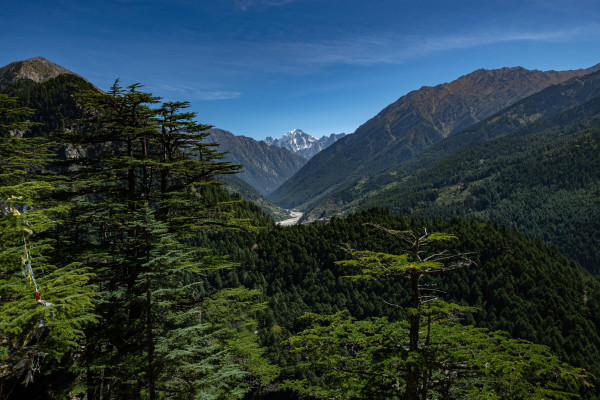
Vibe: Post-monsoon clarity, golden light, and the apple harvesting season. The foliage turns beautiful shades of red and yellow.
- Weather: Crisp and cool. Days are sunny, 10 °C to 20°C; nights are cold, dropping to near freezing.
- Why Visit: This is arguably the best time for photography and clear mountain views. The apple orchards are at their peak, and the air is invigorating. The Gangotri temple closes around Diwali (mid-November).
Winter: A Pristine Wonderland (Mid-December to March)
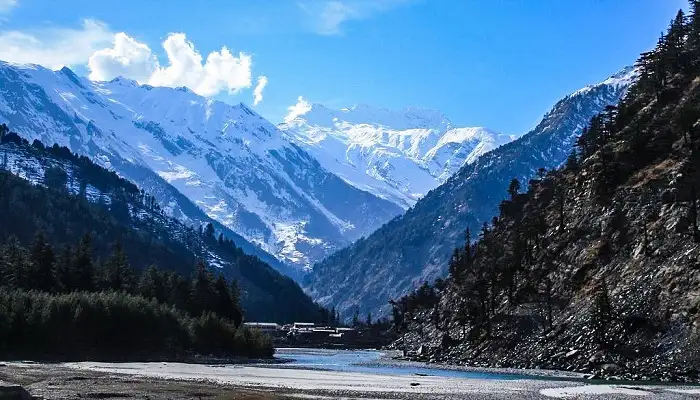
Vibe: A serene, snow-covered landscape with profound quiet. Harsil turns into a magical winter haven.
- Weather: Extremely cold. Day temperatures are near 0 °C to 10 °C nights drop well below freezing, down to -10 °C.
- Why Visit: Fewer crowds, incredible snow views, and a truly authentic Himalayan winter experience. Be prepared for harsh conditions and road closures. Mukhba Village becomes the main spiritual hub as Gangotri is closed.
Activities to Do: Slow Travel and Hidden Gems
Harsil encourages a philosophy of slow travel. It's not a place to tick off sights, but to soak in the atmosphere.
Village Wandering and Cultural Deep Dive
- Mukhba Village: Just 1 km from Harsil, this tiny village holds immense spiritual significance as the winter seat of Goddess Ganga. The temple is beautiful, and the wooden houses reflect traditional Garhwali architecture. It’s a short, soulful walk.
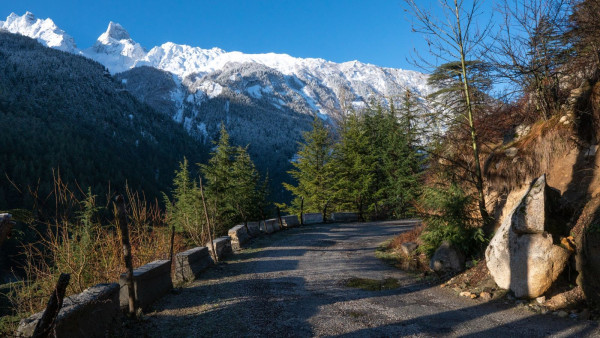
- Dharali Village: About 3 km away, Dharali is another scenic hamlet, especially famous for its apple orchards and a prominent Shiva Temple. It is said that Bhagirath meditated here before the Ganga descended to Earth.
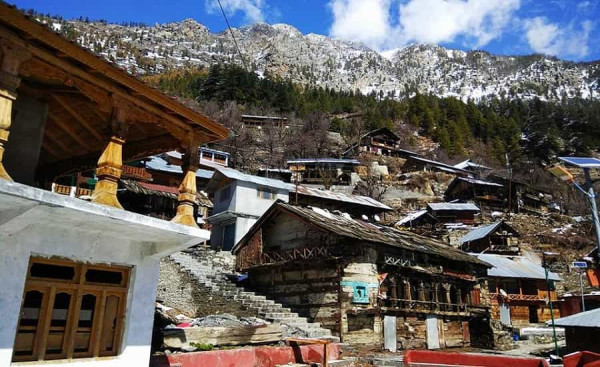
- Bagori Village: A gentle 15-minute walk from Harsil, Bagori is a heritage village known for the Bhotiya tribe, who are believed to be Indo-Tibetan in origin. Observe the unique wooden houses, the local deity temples, and perhaps see local women weaving.
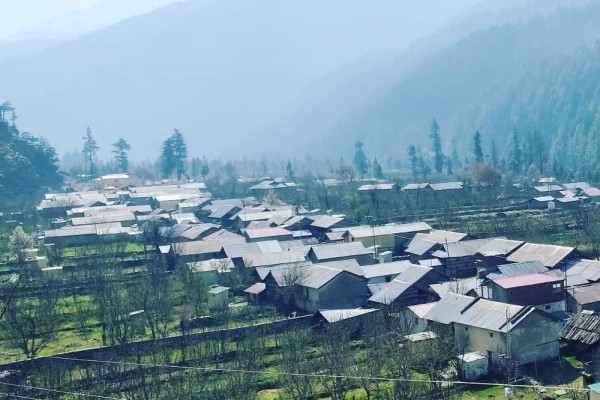
- Pro Tip: Look for homestays here for a truly local experience and try their famous white Harsil Rajma.
The Wilson Legacy
- Wilson Cottage (Pahadi Wilson's House): Seek out the legendary house built by Frederick Wilson. While parts of it are now a Forest Rest House, its sheer history and unique colonial architecture amidst the Himalayan pines make it a must-see. The story of Wilson and Gulabi is the very fabric of Harsil’s history.
Thrilling Treks and Hikes
Harsil serves as a base for some stunning day hikes and longer treks:
- Sattal Trek: A moderate 3 km uphill hike from Dharali village leads to Sattal (Seven Lakes). This cluster of high-altitude lakes is a serene, tranquil spot perfect for a picnic, birdwatching, and enjoying pure nature.
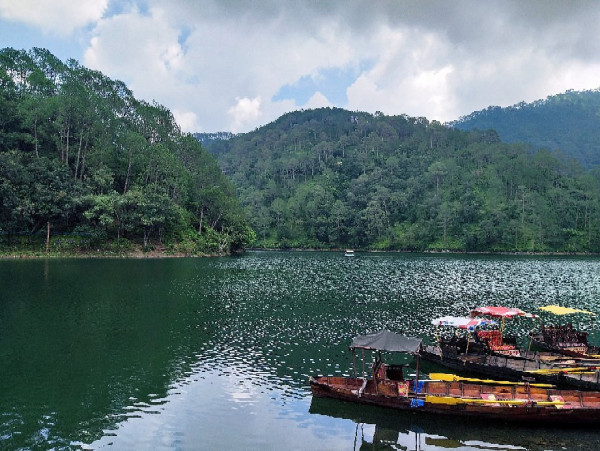
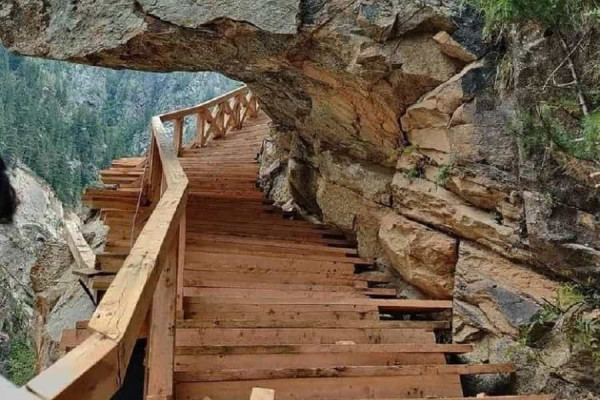
- Gartang Gali Trek: Approximately 25 km from Harsil (near Nelong Valley), this is a recently restored 150-year-old wooden bridge trek. It’s a breathtakingly narrow, cliff-hugging wooden staircase that was historically part of the Indo-Tibetan trade route. The views into the gorge are staggering, and it's a true adventure highlight of the region.
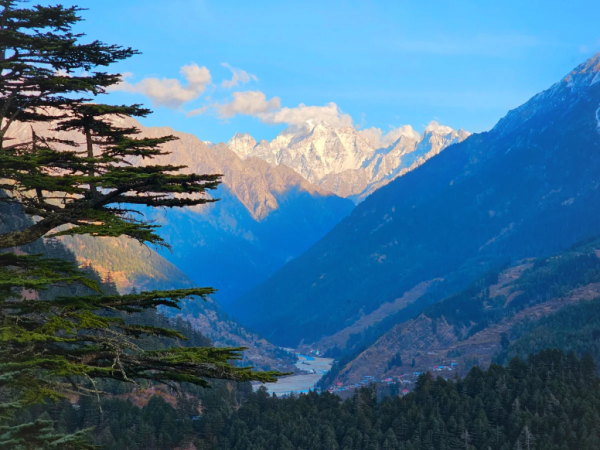
- Lama Top / Kyarkoti Trail: A shorter, rewarding day hike from Harsil market that takes you above the valley for panoramic views of the entire region and the surrounding peaks like Mt. Srikanth.
River Time and Reflection
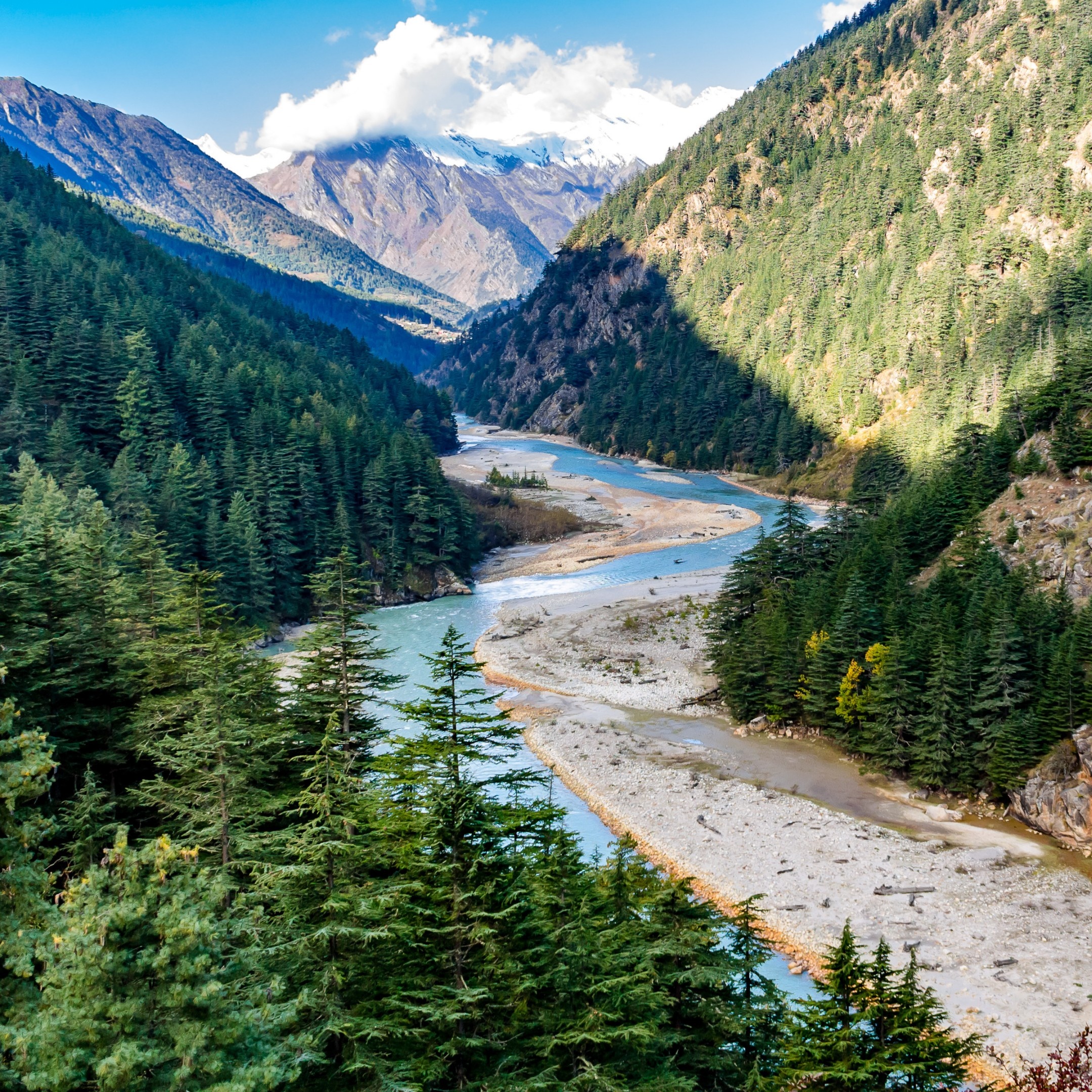
- Riverside Meditation: The Bhagirathi River flowing through Harsil is crystal clear and incredibly powerful. Spend an afternoon simply sitting by its banks. The sound of the rushing water is a natural meditation. Find a quiet spot, perhaps near the ancient Deodar trees, and just listen to the silence behind the sound of the water.
- Photography: Harsil is a photographer’s delight. From the golden light hitting the deodar trees in the morning to the golden-red apple orchards in autumn, every angle is a postcard. Look for the stunning reflections of the snow-capped peaks in the river on a clear day.
A Genuine Harsil Experience
Harsil is not an adrenaline rush; it is a profound pause. The real, genuine content of Harsil is found in its simplicity and its stories.
- Taste the Rajma and Apples: Don't leave without tasting the locally grown, unique white Harsil Rajma and, of course, the incredibly crisp apples (especially during the September-October harvest). Find a small local eatery or a homestay that serves authentic Garhwali cuisine.
- Interact with the Locals: The Bhotia and Garhwali people are known for their warmth. They are the true keepers of this valley's stories, from the tale of Wilson to the local festivals dedicated to the village deities. A genuine conversation with a homestay owner or an elderly villager can be the most rewarding part of your trip.
- Witness the Winter Migration: If visiting in late autumn, observe the local phenomenon of villagers moving to lower altitudes (like Dunda village) for the harsh winter months a centuries-old tradition that is a powerful testament to mountain life.
Harsil is the rare Himalayan destination that has escaped the mass tourism rush. It asks for nothing more than your presence, your quiet respect, and your willingness to surrender to its slow, ethereal beauty. Go there not to escape life, but for life not to escape you.
Frequently Asked Questions
1. Where is Harsil located?
Harsil is a scenic valley in the Uttarkashi district of Uttarakhand, near Gangotri.
2. What is Harsil famous for?
Harsil is known for its apple orchards, the Bhagirathi River, and peaceful Himalayan surroundings.
3. How far is Harsil from Gangotri?
Harsil is approximately 25 km before Gangotri and serves as a night halt for pilgrims.
4. Is there snowfall in Harsil?
Yes, Harsil receives snowfall during the winter months of December to February.
5. What is the best time to visit Harsil?
April to June and September to November are the best months to visit Harsil.
6. Are there hotels in Harsil?
Yes, there are several guesthouses and GMVN rest houses offering comfortable stays.
7. Can I visit Harsil during monsoon?
Travel is possible but not recommended due to frequent landslides and heavy rain.
8. How to reach Harsil from Rishikesh?
You can drive or take a taxi from Rishikesh to Harsil via Uttarkashi, covering around 260 km.
9. Are there treks from Harsil?
Yes, treks like Dayara Bugyal and Lamkhaga Pass start near the region.
10. Is Harsil safe for tourists?
Yes, Harsil is safe and peaceful, with friendly locals and limited tourist rush.
Top Things to Do & Activities in Harsil
Discover a world of unforgettable experiences and top activities at this destination! Whether you’re seeking adventure, cultural immersion, relaxation, or family fun, find the best things to do—from sightseeing and outdoor adventures to culinary delights, spiritual journeys, and local events. Enjoy every moment and make your trip truly memorable!