Discover Amazing Jim Corbett National Park
India's oldest national park in Uttarakhand, famous for Bengal tigers, rich wildlife, safaris, and scenic forests along the Ramganga river.
About This Destination
The journey into Jim Corbett National Park is more than just a wildlife safari; it is a pilgrimage to the very heart of Indian conservation. This is where the roar began, literally and figuratively. Established in 1936 as Hailey National Park, it holds the distinguished honour of being Asia’s first national park and, critically, the birthplace of Project Tiger in 1973.
To enter Corbett is to step into a timeless landscape shaped by the mighty Ramganga River and framed by the foothills of the Himalayas. The experience is not about simply spotting a tiger though that is the ultimate, heart-stopping thrill but about immersing yourself in the dense, silent ecosystem that legendary hunter-turned-conservationist Jim Corbett dedicated his life to protecting. This is the genuine content of Corbett: history, ecology, and the exhilarating patience of the wilderness.
Jim Corbett National Park: An Overview
The park sprawls over a vast area of 520.8Km though the larger Corbett Tiger Reserve encompasses nearly 1,300kmof core and buffer areas. Its topography is incredibly diverse, ranging from hills and riverine belts to marshy depressions, grasslands known as Chaurs, and a large reservoir formed by the Kalagarh Dam.
Corbett’s ecosystem is a unique blend of Himalayan and Terai characteristics, creating a perfect habitat for a staggering array of life:
- The Big Cat Legacy: The Bengal Tiger is the star, and Corbett boasts one of the highest tiger densities in India, making it a premier spot for sightings.
- The Elephant Trails: It is home to a sizeable population of Asiatic Elephants, often seen crossing the Ramganga River or grazing in the expansive grasslands of the Dhikala zone.
- The Sal Sentinel: The forest is predominantly covered by dense, moist deciduous vegetation, dominated by the majestic Sal (Shorea robusta) tree, which gives the forest its deep, verdant character.
The core area of the park is strictly protected, with tourism carefully managed across multiple zones to minimize ecological impact while providing visitors with a profound wilderness experience.
The Species of Jim Corbett: A Living Tapestry
Corbett is a biodiverse powerhouse, sheltering over 50 species of mammals, 580 species of birds, and 25 species of reptiles, making every safari a new discovery.
Fauna: The Park's Inhabitants
- Mammals:
- The Royal Bengal Tiger: The star attraction and the primary reason for its establishment as a protected area.
- Asiatic Elephant: Large herds are commonly spotted, especially near the Ramganga reservoir and river beds.
- Leopards: Often seen in the hilly areas and buffer zones, they are more elusive than the tiger.
- Deer Species: The park is rich in prey animals, including the Spotted Deer (Chital), the Sambar Deer (the largest Indian deer), the Hog Deer, and the solitary Barking Deer.
- Other Notables: Sloth Bears, Himalayan Black Bears (in the upper reaches), Wild Boar, Jackals, Langurs, and the Yellow-throated Marten.
- Reptiles:
- Gharial and Mugger Crocodiles: Found basking along the banks of the Ramganga River, particularly in the quieter stretches.
- King Cobra: This highly venomous snake is a resident of the thick forests.
- Indian Python and various other venomous and non-venomous snakes.
- Birds: With over 600 species, Corbett is a paradise for birdwatchers.
- Raptors: The Crested Serpent Eagle and the Changeable Hawk-Eagle are common sights.
- Riverine Birds: Various species of Kingfishers, Herons, and Cormorants along the Ramganga.
- Migratory Birds: During winter, species like the Siberian Crane and various ducks and geese migrate to the reservoir area, adding to the birdlife census.
Flora: The Green Foundation
The forest is primarily characterized by dense moist deciduous forests.
- Dominant Trees: The most ubiquitous and ecologically important tree is the Sal (Shorea robusta). Other common species include Sissoo and Khair.
- Flowering and Fruiting: The forest comes alive with colour from trees like the Semal (with its large red blooms), the Dhak or Flame-of-the-Forest (with brilliant orange flowers), and the Kachnar.
- Grasslands (Chaurs): These large, open grasslands, especially prominent in Dhikala, are crucial habitats, supporting the high populations of deer and, consequently, the predators. They are dominated by various grasses like Kansi and Tiger Grass.
How to Reach Jim Corbett
The main access point and tourism hub for Jim Corbett National Park is Ramnagar, a small town in the Nainital district.
By Air:
- The nearest airport is Pantnagar Airport (PGH), located about 85 km from Ramnagar. It primarily connects to Delhi and other major cities. From Pantnagar, you must hire a taxi to Ramnagar.
- Indira Gandhi International Airport (DEL) in Delhi is the most common arrival point for international and long-distance domestic travelers, approximately 260 km away.
By Train:
- The most convenient railway station is Ramnagar Railway Station (RMR). It has direct connectivity to Delhi, including the overnight Ranikhet Express, which is often considered the best way to travel, allowing you to arrive early morning, ready for the first safari.
- Alternatively, you can travel to Kathgodam Railway Station (KGM), which is well-connected, and then take a 3.5-hour taxi ride to Ramnagar (approx. 75 km).
By Road
- The road trip from Delhi is highly popular, covering a distance of approximately 260 km to 300km, typically taking 5 to 7 hours.
- Best Route: The most common and generally fastest route is Delhi – Gajraula – Moradabad – Kashipur – Ramnagar. The Moradabad bypass is a crucial time-saver.
- The road quality is generally good, making it a comfortable drive, especially for those opting for their own vehicles or private taxis.
Best Time to Visit
The park’s different tourism zones operate on different schedules, largely dictated by the monsoon season, which makes the forest roads impassable.
The Safari Sweet Spot: November to February (Winter)
- Vibe: Crisp, pleasant weather, cool mornings, and warm, sunny afternoons. The best season for comfortable safari rides and birdwatching.
- Tiger Sighting: The chances of spotting tigers are generally good, as they often come out to bask in the sun during the late morning.
- Temperature: Ranges from a chilly 5 °C in the early morning to 20 °C in the afternoon.
- Tip: Dress in layers; it gets very cold on the open jeep during the 6:00 AM safari.
The Best Chance for the Big Cat: March to June (Summer)
- Vibe: Hot and dry, with temperatures soaring up to 40 °C or more, but this is the prime time for photography and tiger sightings.
- Tiger Sighting: As water sources begin to dry up, animals, especially tigers, congregate around the remaining limited water holes and river beds, significantly increasing the probability of a sighting.
- Caution: The heat can be intense. Safaris must be booked for the cooler hours (early morning and late afternoon).
Monsoon: (July to October)
- Vibe: Heavy rainfall transforms the forest into a dense, misty, vibrant green landscape.
- Access: Most core zones (like Dhikala and Bijrani) remain closed during this period due to road damage and safety concerns. Only the Jhirna and Dhela zones typically remain open year-round (subject to local weather conditions).
- Why Visit: For nature lovers seeking tranquility and the dramatic beauty of the monsoon forest, not for high-probability tiger sightings.
The Jim Corbett Experience: Zones, Safaris, and Other Activities
The park is carefully divided into several eco-tourism zones, each with its own character, entry gate, and safari limitations. Booking safari permits well in advance (especially for Dhikala) is absolutely essential.
1. The Core Safari Zones
|
Zone Name |
Best For |
Safari Type |
Key Attraction |
|
Dhikala |
Largest grasslands (Chaurs), maximum animal density, night stay within the park (Forest Rest House). |
Canter Safari only for day visitors; Jeep Safari for FRH stay guests. |
Highest chance for large herds of Elephants, Hog Deer, and Tiger. |
|
Bijrani |
Beautiful landscape (Sal forests, grasslands), excellent tiger sightings. |
Day Jeep Safari. |
Known for consistent tiger sightings and beautiful forest topography. |
|
Jhirna |
Open year-round. |
Day Jeep Safari. |
Good for sloth bear and wild elephant sightings, open even during monsoon. |
|
Dhela |
Open year-round, latest addition. |
Day Jeep Safari. |
Diverse topography, good for tigers, elephants, and abundant birdlife. |
|
Durga Devi |
Hilly terrain, Ramganga and Mandal rivers. |
Day Jeep Safari. |
Best zone for specialized birdwatching and spotting the Mahseer fish. |
2. The Main Activity: The Safari
- Jeep Safari: The most common method, offering flexibility and deeper access into the jungle. Vehicles must be booked officially and are accompanied by a mandatory guide. Limited number of jeeps allowed per zone per shift.
- Canter Safari: Offered exclusively in the Dhikala Zone for day visitors. It is a large, open bus that accommodates more people and follows a fixed route. Great for experiencing the famous Dhikala landscape.
- Overnight Stay (Forest Rest Houses - FRH): Staying inside the park at one of the Forest Rest Houses (e.g., Dhikala, Bijrani) is the most immersive experience. Bookings must be made months in advance and are highly sought after.
3. Attractions Beyond the Core
- Corbett Museum (Kaladhungi): Jim Corbett’s former home, now a museum showcasing his life, personal belongings, letters, and the story of his famous hunts and conservation efforts. A must-visit to understand the man behind the park.
- Garjiya Devi Temple: A famous temple built atop a large rock in the middle of the Kosi River, near Ramnagar. It is a major pilgrimage spot and offers stunning views of the river.
- Corbett Waterfalls: A small, scenic waterfall surrounded by dense teak forest, located about 25Km from Ramnagar. It's a peaceful spot for a short walk and relaxation.
- Kosi River Bank: The Kosi river is the lifeline of the area. Spending time on its banks is fantastic for birdwatching and photography, especially outside the core zones.
To truly appreciate Jim Corbett National Park, you must approach it with humility and patience. The jungle keeps its secrets close, and the most rewarding experiences often come when you simply allow the wilderness to unfold around you. The genuine thrill is the unexpected shadow, the fresh pugmark, the sudden alarm call of a deer all announcing the presence of the elusive king of the jungle.
Frequently Asked Questions
- Q1: Where is Jim Corbett National Park located?
It’s located in the Nainital district of Uttarakhand, India. - Q2: What is the best time to visit?
December to April offers the best weather and tiger sightings. - Q3: How do I book a safari in Jim Corbett?
Safari bookings can be made online through the official Corbett website or authorized travel agents. - Q4: Which zone is best for tiger sighting?
Dhikala and Bijrani zones are known for the highest tiger population. - Q5: Are private vehicles allowed inside the park?
No, only registered safari jeeps with official permits are allowed. - Q6: What types of safaris are available?
Jeep safaris, canter safaris, and elephant safaris are available. - Q7: Is accommodation available inside the park?
Yes, forest rest houses like Dhikala offer limited stays inside. - Q8: How far is Jim Corbett from Delhi?
It’s around 250 km from Delhi, taking about 6 hours by road. - Q9: Is Jim Corbett safe for families?
Yes, it’s one of the most family-friendly wildlife destinations in India. - Q10: Can I visit Jim Corbett during monsoon?
Some zones close in monsoon, but Jhirna remains open throughout the year.
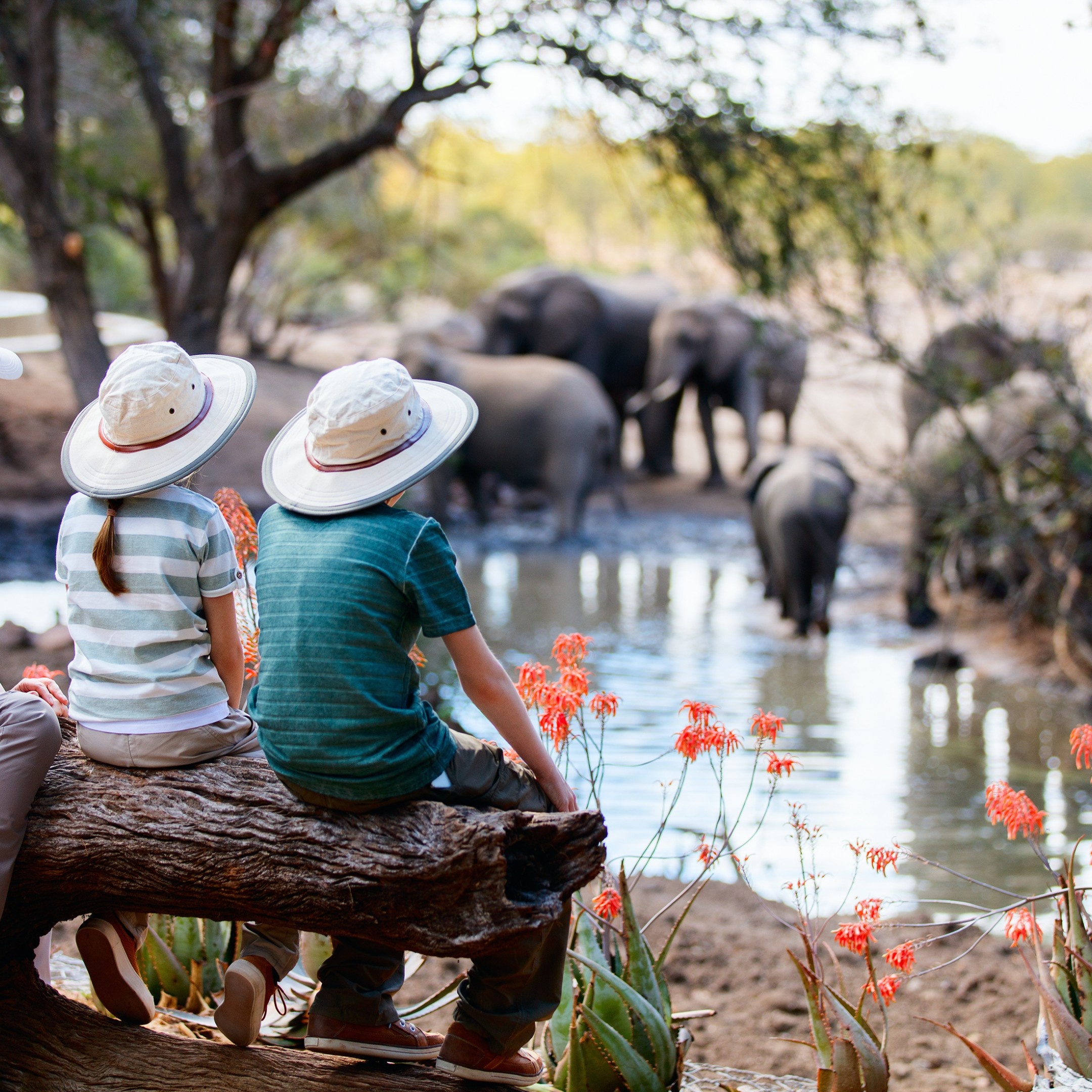
Top Things to Do & Activities in Jim Corbett National Park
Discover a world of unforgettable experiences and top activities at this destination! Whether you’re seeking adventure, cultural immersion, relaxation, or family fun, find the best things to do—from sightseeing and outdoor adventures to culinary delights, spiritual journeys, and local events. Enjoy every moment and make your trip truly memorable!