Discover Amazing Kumaon
Kumaon offers a blend of natural beauty, heritage, and adventure. From Nainital’s charming lakes to Almora’s cultural richness and Mukteshwar’s scenic vistas, it’s a perfect destination for travelers seeking peace and exploration.
About This Destination
The Kumaon region, forming the eastern half of Uttarakhand, is often described as the poetic heart of the Himalayas. While its western twin, Garhwal, is revered for the grand pilgrimage circuit, Kumaon offers a more intimate, culturally rich, and aesthetically stunning experience. This land, mentioned in the Skanda Purana as Manaskhand, is an ancient domain where history is etched into every stone temple, and the horizon is dominated by the majestic peaks of Nanda Devi and Panchachuli. From the shimmering reflections in the 'Lake District' of Nainital to the silent grandeur of its high-altitude trekking routes, Kumaon is a journey into the authentic, unspoiled spirit of the mountains.
The Kumaoni Tapestry: Land, Lineage, and Livelihood
Kumaon is defined by its dramatic transition from the southern plains (Terai-Bhabhar) to the towering Greater Himalayas in the north. This diverse topography gives rise to distinct micro-climates and cultures. The region is strategically bordered by Tibet (China) to the north, Nepal to the east, and the Garhwal region to the west.
The Kumaon Division is divided into six administrative districts:
- Nainital: The administrative and judicial hub, known as the Lake District. It includes major tourist centers like Bhimtal and Sattal, and the gateway town of Haldwani.
- Almora: The cultural capital and historical seat of the Chand Dynasty. It is celebrated for its spiritual tranquility (Kasar Devi) and ancient temple complexes.
- Pithoragarh: The easternmost district, often called 'Mini Kashmir' for its scenic beauty. It’s the base for challenging expeditions and home to the tribal Shauka community in the border valleys of Johar and Darma.
- Bageshwar: Named after the ancient Bagnath Temple, it is famous for the confluence of the Saryu and Gomti rivers, and is the gateway to the popular glacier treks, including the Pindari Glacier.
- Champawat: The original capital of the Chand rulers, rich in legends and untouched historical sites like the Baleshwar Temple complex. It’s often referred to as Kali Kumaon.
- Udham Singh Nagar: Primarily a plains district, serving as the commercial and industrial gateway to Kumaon, containing the major railhead and airport.
History: From Katyuris to the British Raj
The history of Kumaon is a story of continuous rule, only briefly interrupted. The first recorded powerful dynasty was the Katyuri Kingdom, which controlled the region from roughly 700 AD to 1200 AD, establishing their capital at Kartikeyapura (modern Baijnath in Bageshwar). Their influence is visible in the unique Himadri style of temple architecture.
Following the decline of the Katyuris, the Chand Dynasty rose to prominence, ruling from the 10th to the 18th century. They established their first capital in Champawat before shifting it to Almora. The Chands are responsible for the vast network of temples and cultural practices that define Kumaoni identity today.
The short but impactful Gurkha rule in the late 18th century was followed by the British conquest in 1815. The British quickly recognized the region’s charm, developing Ranikhet (the Queen’s Meadow) as a cantonment and Nainital as a premier summer capital, leaving a legacy of colonial architecture and European-style hill stations that contrast beautifully with the indigenous stone-and-slate construction.
The Heartbeat of Kumaoni Culture
Kumaoni culture is remarkably distinct and resilient. The primary language is Kumaoni, an Indo-Aryan language with several regional dialects.
A central element of the culture is Aipan (or Apan), a traditional form of ritualistic folk art. Using a base of wet red ochre (Geru) and intricate patterns drawn with a paste of rice powder (Biswar), these sacred designs adorn the floors and thresholds of homes and temples during ceremonies, symbolizing auspiciousness and devotion.
The traditional houses showcase remarkable ingenuity. Built with thick stone walls, slate roofs, and mud floors, they utilize the warmth generated by livestock housed on the ground floor (Goth) to naturally heat the living quarters above. The intricate wood carvings, especially on the main entrance (Kholi), often depict Ganesha and local deities, blending art with architecture in a functional, eco-friendly way.
Kumaon's Spiritual Sanctuaries and Architectural Marvels
The region is often called the Devbhumi (Land of the Gods), a title most profoundly felt within its temple complexes.
The Ancient Temple Clusters
- Jageshwar Dham (Almora): This is arguably the most magnificent spiritual site in Kumaon. Tucked within a dense forest of deodar trees, this complex features over 124 exquisitely carved stone temples dedicated primarily to Lord Shiva, dating from the 7th to the 13th centuries. The architecture, specifically the slender shikhara (tower), exemplifies the regional Himadri style and showcases the peak of the Katyuri-Chand artistic period. Jageshwar is an absolute must-visit for its sheer historical and spiritual depth.
- Katarmal Sun Temple (Almora): Second only to Konark in Odisha in importance among India's Sun temples, this 9th-century marvel is dedicated to the sun god, Burhaditya. While its main idol was shifted for safety, the structure itself, with its intricate carvings and 44 smaller shrines, remains a powerful testament to ancient Kumaoni patronage of diverse deities.
- Baijnath Temple Complex (Bageshwar): Located on the banks of the River Gomti, this 12th-century cluster was the historical capital of the Katyuri kings. The temples are renowned for their serene setting and beautiful stone sculptures. The complex is especially significant as it houses the idol of Goddess Parvati carved out of black stone.
Unique and Living Deities
- Golu Devta Temples (Chitai, Almora): Dedicated to the deity of justice, Golu Devta, this is a truly unique cultural experience. Pilgrims who believe they have suffered an injustice hang up bells (ghanti) or write petitions to the deity asking for redressal. The main temple at Chitai is famous for the thousands of bells of all sizes hanging within its premises, creating an atmosphere that is both spiritual and intensely personal.
- Patal Bhuvaneshwar (Pithoragarh): This is not a temple but a surreal, subterranean limestone cave system. The cave, 160 meters long and 90 feet deep, is believed to be the abode of 33 crore Hindu deities, including Lord Shiva. Navigating the dark, narrow passages, adorned with natural rock formations that resemble divine figures, is an unforgettable spiritual adventure.
The Traveler's Kumaon: Offbeat Destinations and Activities
While Nainital offers the classic tourist experience, the real magic of Kumaon lies in its quiet hill stations and challenging trekking trails.
Offbeat and Tranquil Retreats
- Munsiyari: The Gateway to Johar: Located in Pithoragarh, Munsiyari is a remote village that offers some of the most breathtaking, close-up views of the Panchachuli peaks—the five iconic snow-capped sister peaks. It is the base for expeditions into the ancient Johar Valley, once a vital trade route with Tibet. Its quiet charm and rich Shauka (Bhotiya) culture make it a haven for those seeking solitude and authentic mountain life.
- Mukteshwar: Situated at a higher altitude than Nainital, Mukteshwar is famous for the Mukteshwar Dham temple and the geological marvel known as Chauli Ki Jali a cliff face offering stunning Himalayan panoramas. Surrounded by orchards and dense deodar forests, it is an ideal spot for rock climbing, rappelling, and quiet contemplation.
- Chaukori: A small hill station in Pithoragarh that offers spectacular sunrise and sunset views over the major Himalayan ranges, including Nanda Devi, Nanda Kot, and Panchachuli. It's surrounded by sprawling tea gardens, making it a picturesque, less-crowded alternative to Darjeeling or Assam.
- Abbott Mount (Champawat): A quiet, ethereal retreat located on a forested hill, known for its colonial-era bungalows and the pervasive sense of mystery. It provides majestic views of the Kali River valley and is perfect for quiet nature walks and birdwatching, truly capturing the essence of offbeat Kumaon.
Trekking: The Ultimate Kumaoni Challenge
Kumaon is the undisputed center for trekking in the region, with trails ranging from gentle meadow walks to rigorous glacial expeditions. Trekking in Kumaon provides direct engagement with the natural grandeur of the region.
- Pindari Glacier Trek: One of the most popular and moderate treks, tracing the Pindar River to its source at the Pindari Glacier. The trail is famed for its diverse landscapes, passing through remote villages like Khati and lush meadows (Bugyals).
- Milam Glacier Trek: A challenging, high-altitude trek originating from Munsiyari. It follows the Gori Ganga River into the Johar Valley, leading to the largest glacier in the Kumaon Himalayas, offering incredible views of the eastern peaks. This route requires an Inner Line Permit (ILP) due to its proximity to the China border, adding an element of historical and strategic intrigue.
- Adi Kailash and Om Parvat Yatra: An extremely demanding but spiritually rewarding pilgrimage and trek. Adi Kailash (or Little Kailash) is revered by Hindus, and Om Parvat is a peak that naturally displays the sacred 'Om' symbol formed by snow deposition. This Yatra is a deep dive into the spiritual landscape of the high Himalayas.
- Khaliya Top (Munsiyari): An accessible, short trek that offers a massive payoff with 360-degree views of the Panchachuli range, Nanda Devi, and Trisul. It's often recommended as a great beginner trek to acclimatize to Himalayan altitudes.
Festivals, Food, and Folk Life: The Kumaoni Experience
The Kumaoni calendar is punctuated by vibrant festivals that offer deep insight into the regional beliefs and agricultural cycle.
Major Cultural Festivals
- Nanda Devi Mahotsav: Held primarily in Almora and Nainital in September, this festival is dedicated to the Goddess Nanda Devi, the patron deity of the region. It involves elaborate processions carrying a decorated palanquin (doli) and symbolizes the unity and prosperity of the Kumaoni people.
- Harela: Celebrated in the Hindu month of Shravan (around July), Harela marks the start of the monsoon and the new agricultural year. It involves worshipping the newly sprouted Harela (seven types of grains sown ten days prior) and planting new trees, emphasizing the community's deep connection to nature.
- Kumaoni Holi: Unique and musical, unlike the colorful play of the plains. It is celebrated in three forms: Baithki Holi (seated, classical singing based on Hindustani ragas), Khari Holi (standing, danced in groups, performed in villages), and Mahila Holi (women-centric). The music and ragas are carefully timed with the different parts of the day and night, making it a profound cultural and musical event.
- Bagwal Fair (Devidhura, Champawat): A controversial yet historically significant event held during Raksha Bandhan at the Barahi Devi Temple. Traditionally, it involved two groups pelting stones at each other as a ritualistic sacrifice, but judicial intervention has led to a safer, more symbolic exchange of fruits and flowers, preserving the spirit of the ancient ritual.
The Rustic Delights of Kumaoni Cuisine
Kumaoni cuisine is characterized by its warmth, high nutritional value, and reliance on hardy mountain lentils and grains.
- Bhatt ki Churkani and Dubke: Hearty lentil-based curries made from Bhatt (black soybean) or Gahat (horse gram), served with rice. Gahat is especially revered for its medicinal properties.
- Kafuli: A thick, nutritious preparation made from mashed spinach and fenugreek leaves, often prepared in an iron pot to enhance the iron content.
- Bhaang ki Chutney: A signature condiment made from roasted hemp seeds (bhang), which gives it a unique, zesty, and nutty flavour.
- Mithaas (Sweets): The region’s culinary fame extends to its sweets: Bal Mithai, a dark brown fudgy sweet coated with sugar balls, and Singori, a khoya (reduced milk) sweet wrapped in an aromatic Maalu leaf, are delicacies native to Almora that have become synonymous with Kumaoni hospitality.
Planning Your Kumaon Adventure
To ensure a fulfilling visit, understanding the logistics and seasonality of the region is crucial.
Best Time to Visit
- Summer (April to June): The most popular time for visitors escaping the heat. Weather is excellent for sightseeing and moderate treks.
- Autumn (September to November): Considered the best time for Himalayan views. The skies are crystal clear immediately after the monsoon, offering stunning perspectives of the snow peaks. Ideal for high-altitude treks before heavy snow closes the passes.
- Winter (December to February): Ideal for experiencing snow in locations like Munsiyari, Kausani, Mukteshwar, and the higher reaches of Nainital. Travel can be hampered by heavy snowfall on arterial roads, so preparation is key.
Connectivity and Movement
The gateway to Kumaon is the Kathgodam railway station and Pantnagar Airport (PGH) in the plains. From there, the mountain journey begins. Public transport relies heavily on local buses and shared Sumo taxis that connect all the district headquarters. For travelers, pre-booking a private taxi for travel between remote hill stations like Munsiyari and Chaukori is the most convenient option.
The enduring charm of Kumaon lies not just in its famous lakes or majestic peaks, but in the slow pace of life, the spiritual sincerity of its people, and the layers of history preserved in its stone temples and forests. It is an invitation to witness the Himalayas at their most beautiful, cultural, and profoundly real.
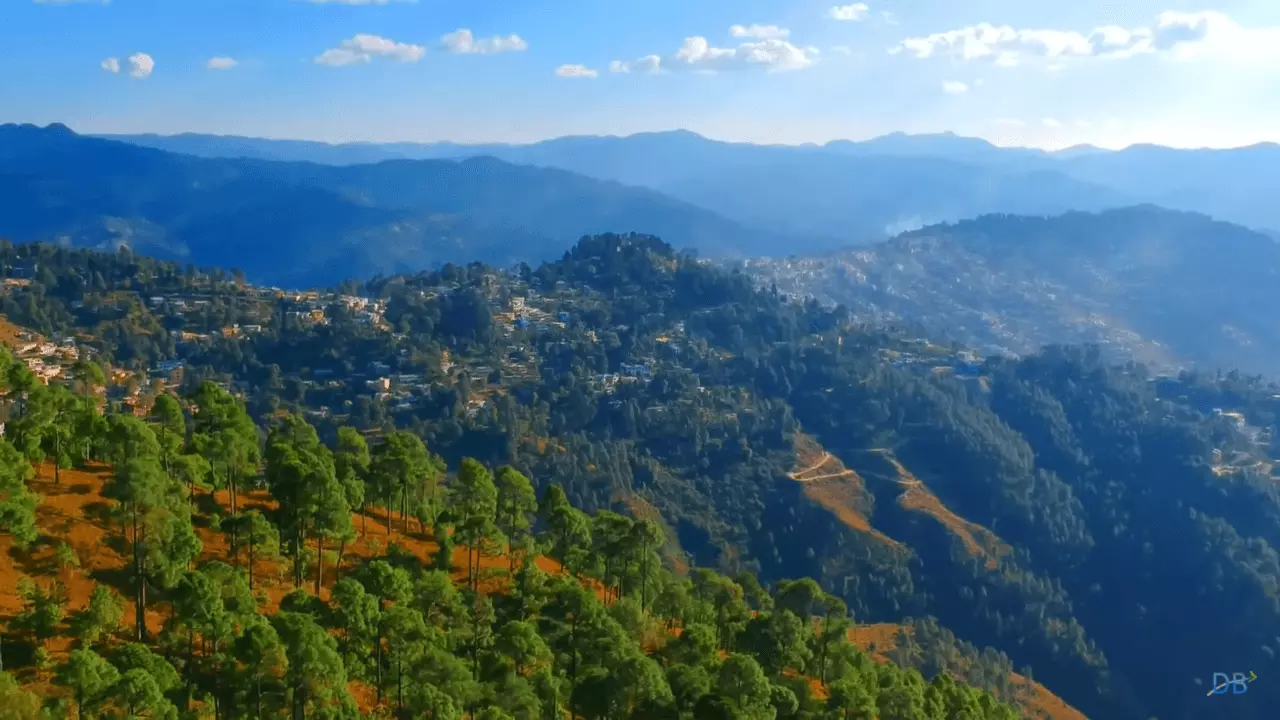
Top Things to Do & Activities in Kumaon
Discover a world of unforgettable experiences and top activities at this destination! Whether you’re seeking adventure, cultural immersion, relaxation, or family fun, find the best things to do—from sightseeing and outdoor adventures to culinary delights, spiritual journeys, and local events. Enjoy every moment and make your trip truly memorable!