Discover Amazing Lansdowne
Tranquil hill station in Uttarakhand, famous for pine forests, colonial-era charm, churches, mountain vistas, and peaceful ambience.
About This Destination
Lansdowne Tour Package: originally known as Kaludanda (Garhwali for "Black Hills" or "Mountain Covered with Clouds"), is a rare Himalayan gem. Unlike its heavily commercialized counterparts, this charming hill station in the Pauri Garhwal district of Uttarakhand has preserved its serene, colonial-era integrity, largely thanks to its status as a dedicated military cantonment. It is a haven for those seeking authentic mountain tranquility, a deep dive into the resilient Garhwali culture, and a genuine escape into pristine Himalayan nature. In this guide, discover the best things to do, where to stay, and why Lansdowne should be your next getaway in 2025.
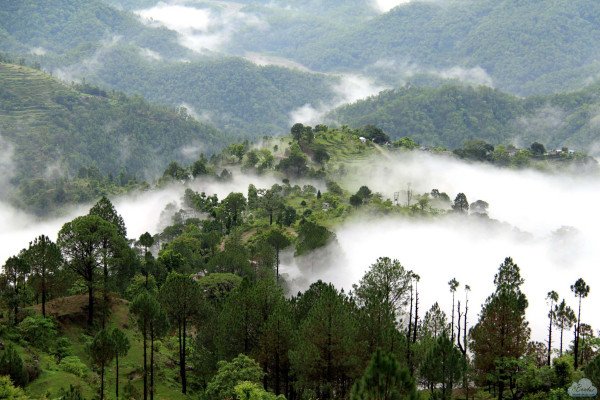
A Living Heritage: Architecture and Untold History
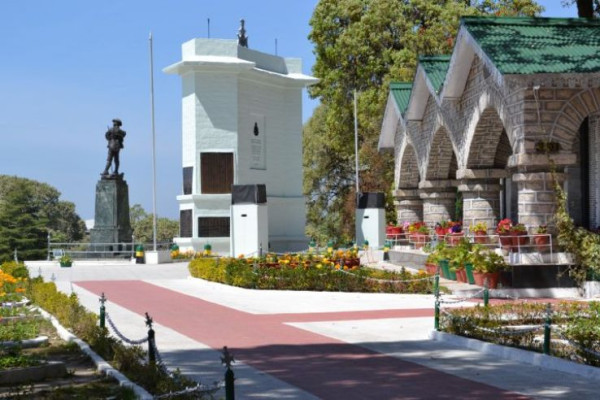
Lansdowne’s unique atmosphere is a direct result of its history. Established in 1887 by the British, it was carefully designed to be the recruiting and training center for the Garhwal Rifles, an infantry regiment of the Indian Army. This military presence has enforced strict building codes, preserving the town's original charm and preventing the concrete sprawl seen elsewhere.
Beyond the War Memorial: Hidden Colonial Gems
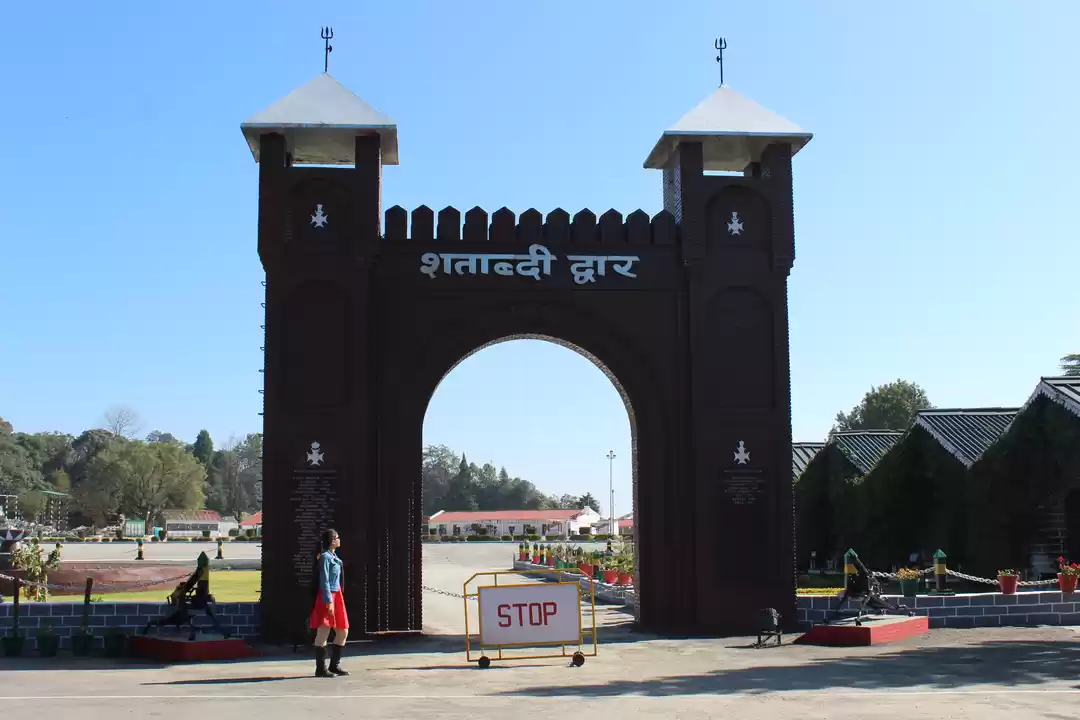
While the Garhwal Rifles Regimental War Memorial is a poignant, must-visit tribute, the town is filled with quieter historical sites that tell a deeper story of the British era and the region's people.
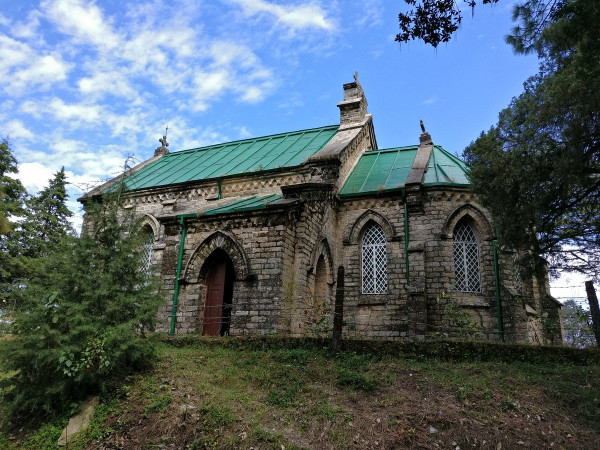
- St. Mary's Church Museum: Built in 1895, this beautiful stone structure is now restored and functions as a small museum showcasing rare pre-independence artefacts and the regiment's history. Walking its premises offers a moment of quiet reflection and an appreciation for colonial Garhwal heritage.
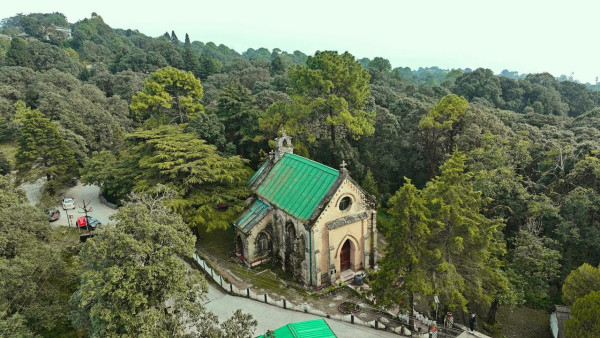
- The Functional Beauty of St. John's Church: Still in use, this Catholic Church features classic Gothic architecture and a tranquil atmosphere. Located amidst the lush greenery, it stands as a testament to the town's layered past.
- The Old Garhwali Mess: One of the oldest structures in the cantonment, dating back to 1888, the Mess is an architectural landmark that embodies the stoic, timeless quality of the hill station.
The Himalayan Whisper: Trekking and Unseen Nature
Lansdowne sits at a comfortable altitude surrounded by dense forests of pine, oak, and deodar. The real adventure here is not packaged thrills, but leisurely, contemplative exploration of the natural environment, perfect for eco-tourism and birdwatching.
Trekking to Tranquility: Routes Beyond the Ridge
While the Tip-n-Top Viewpoint is famous for its panoramic views of the Himalayas (including peaks like Chaukhamba), the surrounding area offers less-trodden paths for genuine explorers.
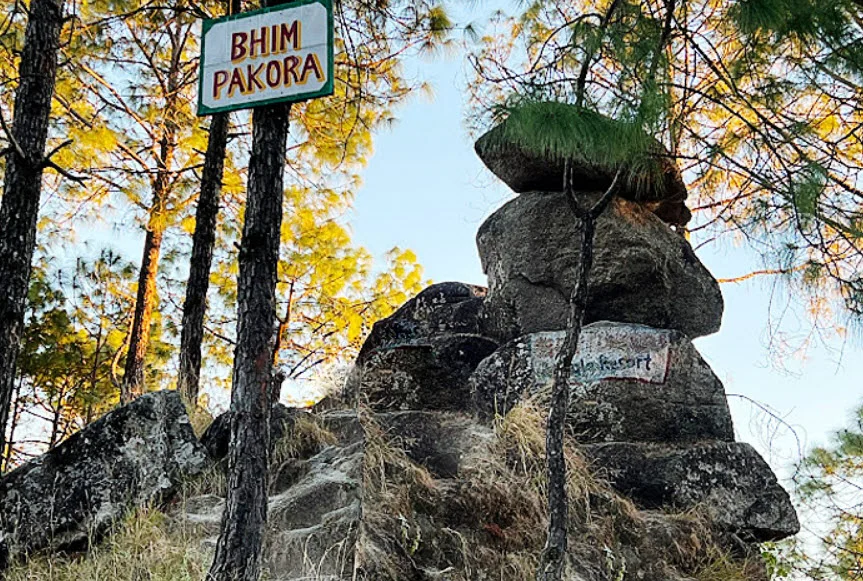
- The Bhim Pakora Legend Trek: This short, fascinating trek leads to a geological wonder two massive boulders miraculously balanced on top of each other. Local legend attributes this feat to the immense strength of the Pandava brother, Bhim. The walk itself is a refreshing immersion into the forest, a perfect short hike with mythological significance.
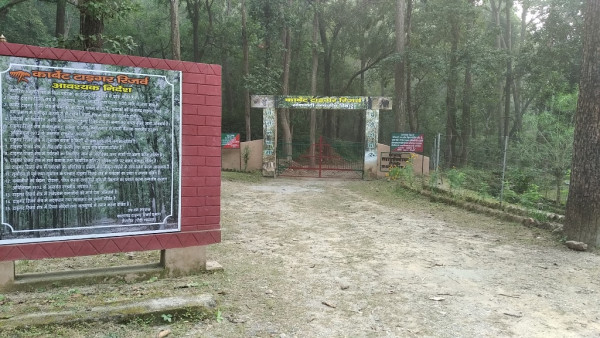
- The Kalagarh Tiger Reserve Entry: Lansdowne is located near the northern entrance of the Kalagarh Tiger Reserve (which is part of the larger Corbett landscape). Travelers can embark on a jungle safari from the nearby Vatanvasa or Pakhro gates to spot diverse Himalayan wildlife, including tigers, elephants, and various species of deer. This offers a less-crowded Uttarakhand wildlife experience compared to the main Corbett gates.
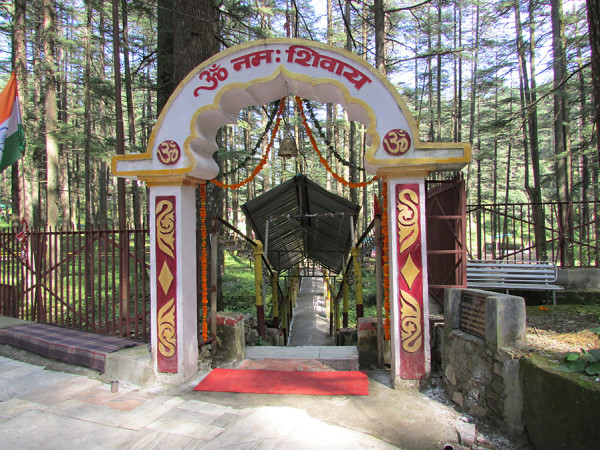
- Tarkeshwar Mahadev Temple Journey: This highly revered temple dedicated to Lord Shiva is about 37 km from the main town, nestled deep within a deodar forest. The drive and the surrounding environment are breathtakingly serene, making it an essential spiritual and nature retreat. The silence of the forest here is profound.
Taste of Garhwal: Community-Centric Stays and Cuisine
One of the most appealing aspects of a Lansdowne trip is the opportunity to move beyond commercial hotels and engage with the local homestay culture in surrounding villages. This ensures revenue benefits the local Garhwali community and offers an authentic taste of life in the mountains.
Embracing the Homestay Charm
Many of the best stays are found slightly outside the main cantonment area, in hamlets like Jaiharikhal or along the road towards Kotdwar.
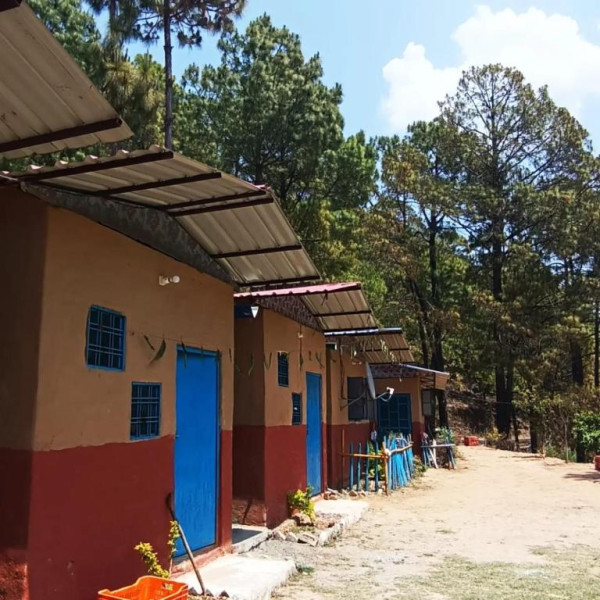
- The Mudhouse Experience: Homestays like the reputed 11 Gaon Mudhouse Homestay near Jaiharikhal offer a unique architectural and cultural experience. Staying in a traditional mud house provides excellent insulation and a connection to the earth, championing sustainable mountain tourism. These locations often boast the clearest, unobstructed views of the snow peaks.
- Homely Garhwali Cuisine: The culinary experience in a homestay is a world away from tourist restaurants. You get to sample genuine Garhwali regional food, such as:
- Mandua ki Roti (Finger Millet Flatbread): A nutritious, rustic staple often served with local ghee.
- Kafuli (Spinach/Fenugreek Curry): A simple, slow-cooked green vegetable dish.
- Pahari Dal: Lentils unique to the mountain region, cooked over slow wood fire for hours.
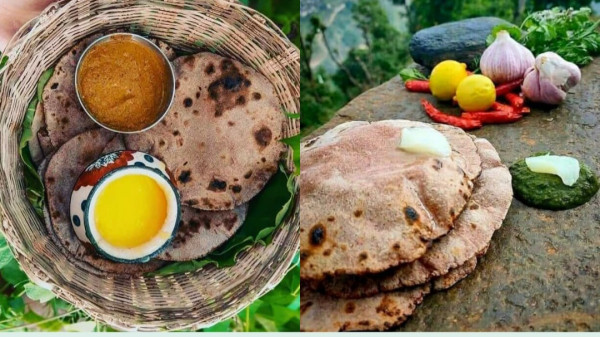
This focus on farm-to-table cuisine and warm hospitality is the essence of a tranquil, authentic travel experience.
Café Culture and Local Exploration
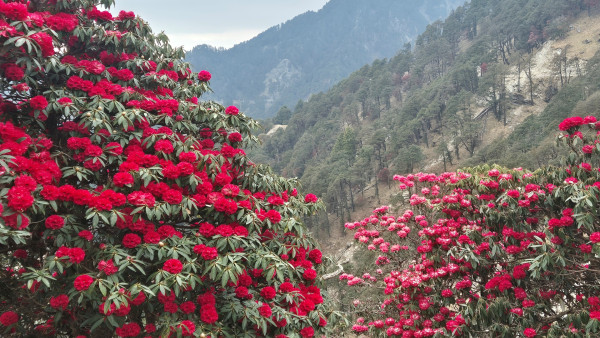
While the town is quiet, a small, emerging café scene caters to travelers. Look for local establishments near the main market that serve traditional Garhwali snacks and use locally sourced coffee or buransh (Rhododendron) juice, supporting local entrepreneurship.
The Best Time to Visit Lansdowne: Seasonal Tranquility
Lansdowne is one of the few places that offers a genuinely appealing experience in every season, depending on the traveler's preference for bloom, warmth, or snow.
Summer and Post-Monsoon (April – June & October – November)
This is the peak tourist season and the ideal time for most travelers.
- April to June (Pleasant Summer): The weather is perfectly mild, offering a fantastic escape from the heat of the plains. Temperatures hover comfortably, making it the best period for easy trekking, nature walks, and family vacations. The sky is often clear enough for excellent views of the Trishul and Kedarnath peaks.
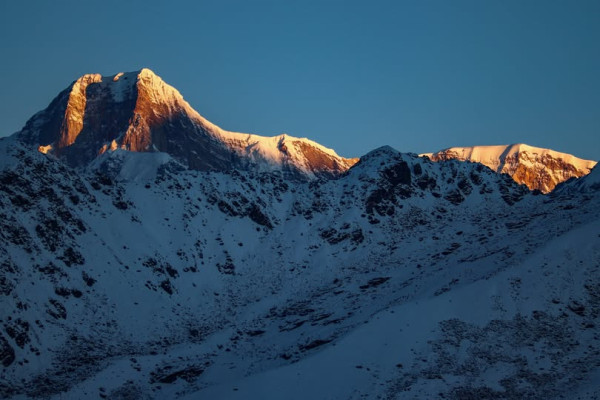
- October and November (Autumn Views): These months are arguably the most beautiful for visibility. The air is crisp, the humidity is gone, and the Himalayan views are stunningly clear. This time is superb for offbeat photography tours and extended forest camping before the intense cold sets in.
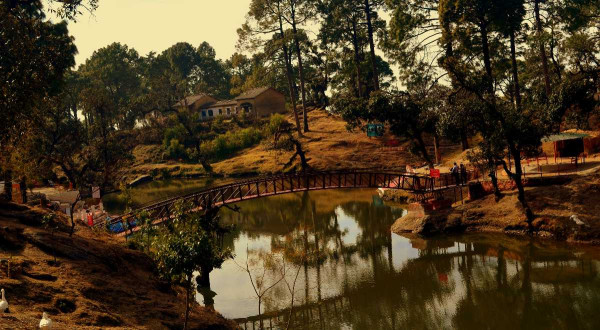
The Solitude and Greenery: Monsoon (July – September)
The monsoon transforms the surrounding hills into a lush green paradise.
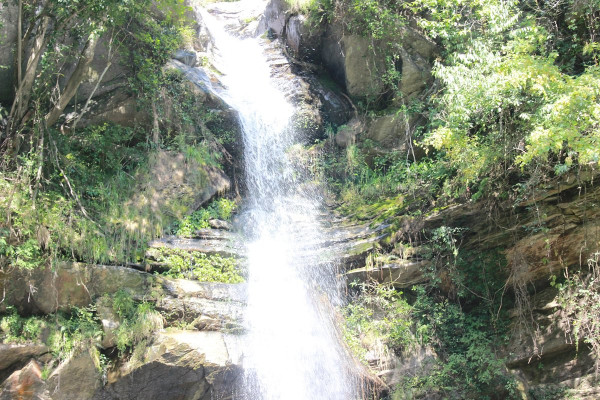
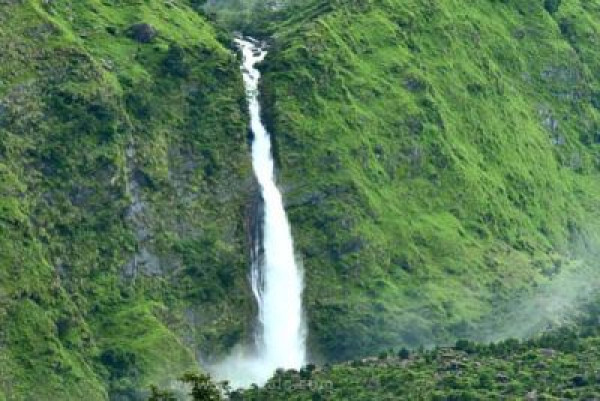
- Nature’s Renewal: While travel can be hampered by occasional heavy rain and the risk of landslides, the lushness and mist-shrouded peaks create a magical, deeply romantic atmosphere. The Bhalugarh Waterfall near the Kotdwar road is at its spectacular peak flow during this time.
- Budget and Quiet: This is the budget travel season, with few crowds, offering unparalleled peace and quiet for spiritual retreat and contemplation.
The White Blanket: Winter (December – February)
Winter is for travelers seeking the rare charm of a snowfall.
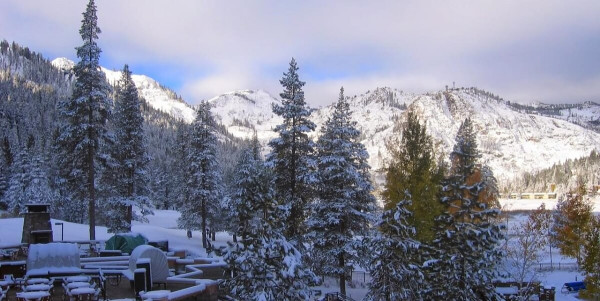
- Snowfall Chances: While snow is not guaranteed throughout the season, the surrounding areas often receive a beautiful blanket of white, especially in late December and January. The town takes on an incredibly peaceful, almost storybook quality.
- Cozy Stays: This is the time to enjoy a bonfire and stargazing night at a cozy homestay, perfect for a romantic getaway.
How to Reach Lansdowne
Lansdowne does not have its own major transport hubs, requiring a final leg of the journey by road. Most travelers opt for a strategic combination of air or rail travel to a nearby town, followed by a scenic mountain drive.
By Rail
The most practical and commonly used method for long-distance travelers is reaching the foothills by train.
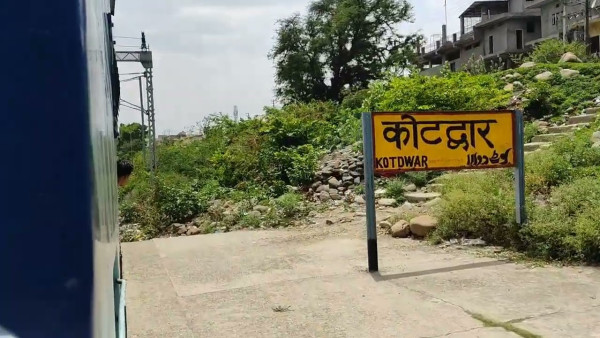
- Kotdwar Railway Station (KTW): This is the nearest and most crucial railhead to Lansdowne, located approximately 40 to 45 kilometers away at a much lower altitude. Several reliable trains, including the Garhwal Express and the Mussoorie Express, connect Kotdwar directly with Old Delhi. Travelers often prefer an overnight train journey from Delhi, allowing them to arrive at Kotdwar early in the morning, ready for the uphill drive.
- Onward Journey: From Kotdwar, you must take a road journey. Private taxis, shared jeeps (Sumos or Boleros), and state-run bus services are readily available outside the station. The drive from Kotdwar to Lansdowne is a steep, winding, and highly scenic road trip lasting about 1.5 to 2 hours, marking the true beginning of your hill station experience.
By Air
Lansdowne does not have an airport. The nearest functional airport is over a hundred kilometers away.
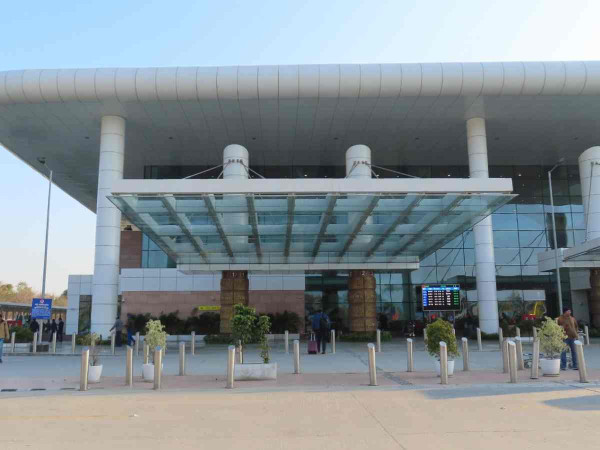
- Jolly Grant Airport (DED), Dehradun: Located near Dehradun and Rishikesh, this is the nearest major airport, situated approximately 150 to 160 kilometers from Lansdowne. The airport offers frequent domestic flights from all major metropolitan cities in India.
- Onward Journey by Road: From DED, the remaining journey must be covered entirely by taxi or pre-booked private cab. This route bypasses Kotdwar and is a full 4 to 5 hour scenic mountain drive, depending on traffic and road conditions, and is generally the most expensive but fastest option for reaching Lansdowne from a distant city.
By Road
For those traveling from Delhi and the National Capital Region (NCR), a direct road trip is often the most convenient choice, offering flexibility and beautiful scenery.
- Driving Route: The drive from Delhi covers approximately 250 kilometers, typically taking 6 to 8 hours. The most common route passes through Meerut, Bijnor, Najibabad, and finally Kotdwar, where the mountain climb begins.
- Bus Services: Both state-run and private luxury buses connect Delhi and other major Uttarakhand towns to Kotdwar. From Kotdwar, local buses or taxis complete the final leg to the Lansdowne cantonment. This option is ideal for budget travel and experiencing the local connection.
Top Things to Do & Activities in Lansdowne
Discover a world of unforgettable experiences and top activities at this destination! Whether you’re seeking adventure, cultural immersion, relaxation, or family fun, find the best things to do—from sightseeing and outdoor adventures to culinary delights, spiritual journeys, and local events. Enjoy every moment and make your trip truly memorable!