Discover Amazing Mukteshwar
Serene hill station in Uttarakhand, known for panoramic Himalayan views, fruit orchards, ancient Mukteshwar Dham temple, and adventure activities.
About This Destination
The name Mukteshwar itself carries a spiritual resonance, derived from the 350-year-old Mukteshwar Mahadev Temple, which translates to the 'Lord who gives Mukti' or salvation. The entire town revolves around this sense of release and elevation.
Mukteshwar is essentially a ridge-top settlement in the Nainital district of Uttarakhand, Kumaon region. It is far less commercialized than its nearby sister, Nainital, offering a quieter, more intimate encounter with the mountains.
Here’s what defines the Mukteshwar experience:
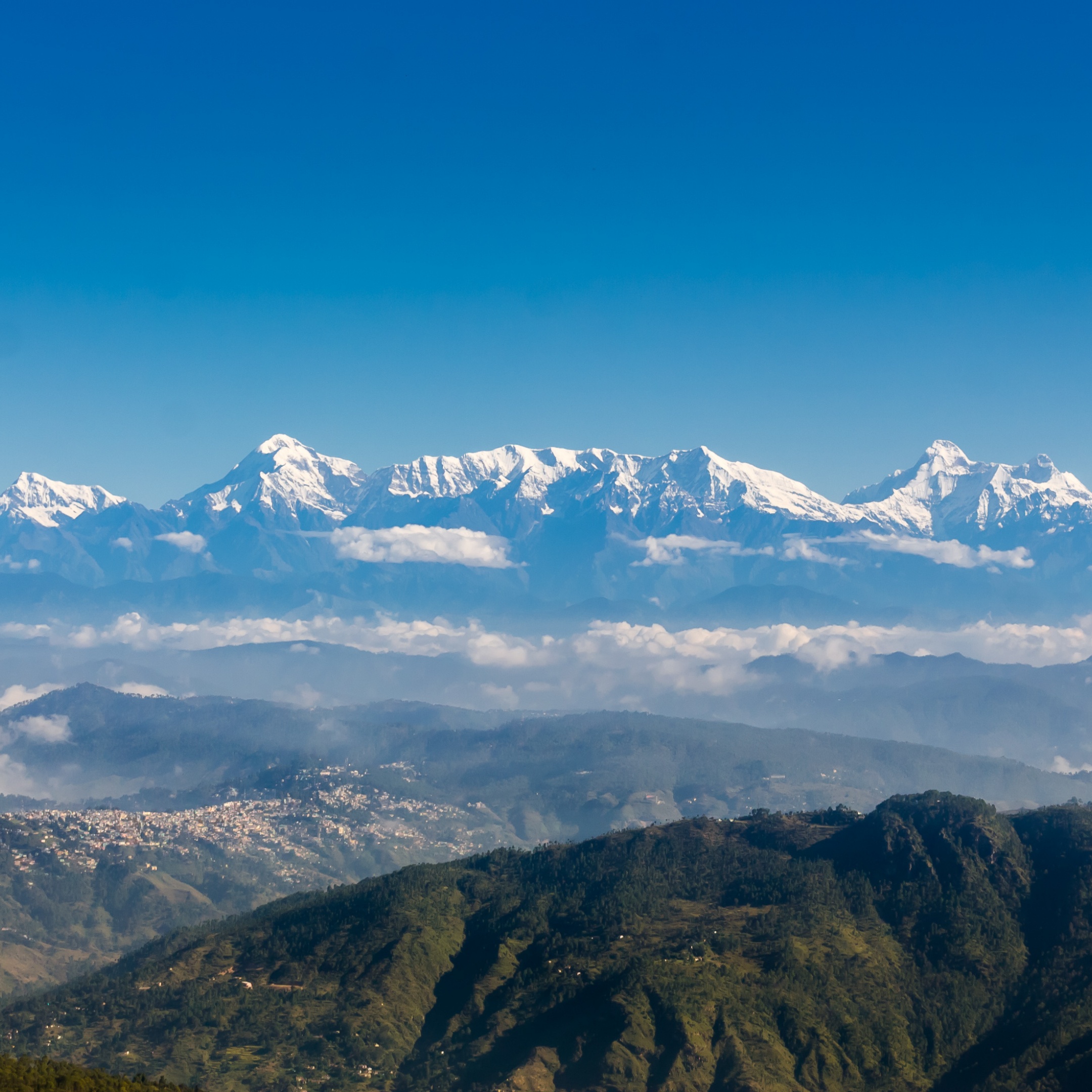
- The Himalayan View: This is the town’s undisputed centerpiece. From the vantage point near the temple, you are treated to a stunning, sweeping view of the major Himalayan peaks. On a clear day, you can distinctly see the peaks of Nanda Devi, Trishul, Nanda Kot, and Panchachuli. It feels less like a distant view and more like an intimate greeting from the giants.
- The IVRI Legacy: Mukteshwar is home to the Indian Veterinary Research Institute (IVRI), established in 1893 by the British. This historical campus, with its striking colonial architecture, sprawling grounds, and deep scientific history (it’s where the plague vaccine was first developed), adds a unique intellectual and historical layer to the town’s spiritual and natural charm.
- Fruit Orchards and Forests: The area is famously the 'Fruit Bowl of Kumaon'. The slopes are covered in terraced fields and orchards yielding apples, plums, peaches, and apricots. Walking through these orchards, especially during the blossom season in spring or harvest in autumn, is a beautiful sensory experience. The surrounding Deodar and Oak forests are thick, vibrant, and incredibly fragrant, offering endless opportunities for quiet exploration.
Mukteshwar is the quintessential mountain retreat for the thoughtful traveler a sanctuary built on a foundation of faith, science, and spectacular scenery.
How to Reach Mukteshwar
Mukteshwar’s altitude means the journey is a beautiful, winding road trip, best enjoyed slowly. The town is not accessible by train or air directly, requiring a final leg by road.
By Air:
- The nearest airport is Pantnagar Airport (PGH), located approximately 90-100 km away.
- Pantnagar has good connectivity from Delhi and other major Indian cities. From the airport, you must hire a pre-paid or private taxi to Mukteshwar, which takes around 3 to 4 hours, depending on road conditions.
By Train:
- The nearest major railhead is Kathgodam Railway Station (KGM), located about 60-70 km from Mukteshwar. Kathgodam is a major terminal and is excellently connected to cities like Delhi, Lucknow, and Kolkata.
- From Kathgodam, shared taxis (Jeeps/Sumos), private cabs, and buses are readily available to take you directly to Mukteshwar. The drive from Kathgodam takes about 2.5 to 3 hours, climbing steadily through the picturesque Kumaon hills.
By Road
Mukteshwar is well-connected by motorable roads, usually via the route from Haldwani/Kathgodam up to Bhowali, and then taking the road towards Ramgarh/Mukteshwar.
- The total distance from Delhi is approximately 350-380 km, taking 8 to 10 hours. Many travelers prefer to break the journey, perhaps staying overnight in Kathgodam or Bhimtal before the final ascent.
- The last 20 km or so of the drive are particularly scenic, winding through dense forests and quiet villages like Ramgarh and Sitla, truly announcing your arrival into the serene upper reaches of the Kumaon.
Best Time to Visit
Mukteshwar offers distinct flavors across the year, making it a viable destination almost any time, depending on your preference for warmth, snow, or clear views.
Spring and Early Summer: (March to June)
Vibe: Clear skies, blooming rhododendrons (the state flower, Buransh), and comfortable weather perfect for trekking and long walks. The fruit trees are in blossom during late March and April.
- Weather: Daytime temperatures are a delightful 15°C to 25°C. Nights are cool but pleasant.
- Why Visit: This is the ideal time to enjoy the panoramic Himalayan views, as the air is usually free of haze, and all trekking routes are open.
Monsoon: (July to September)
Vibe: The hills come alive with vibrant, lush green, often shrouded in romantic mist and low-hanging clouds. The area is tranquil and feels deeply introspective.
- Weather: Humid and mild, 15°C to 22°C.
- Why Visit: For a writer, a poet, or a couple seeking ultimate seclusion.
- Caution: Landslides can occur, and roads may be temporarily blocked, so travel flexibility is a must. The Himalayan views are often obscured by clouds.
Autumn: (October to November) – The Clearest Views
- Vibe: The rain washes away the monsoon haze, leaving behind the clearest views of the snow-capped peaks. The air turns crisp, and the leaves on some deciduous trees begin to change, painting the valley in earthy tones. This is often the time for the apple and pear harvest.
- Weather: Perfect sunny days, 10°C to 20°C. Nights become cold, dropping to 5°C or lower.
- Why Visit: If your priority is seeing Nanda Devi in its full glory, this is the time. The weather is stable and invigorating.
Winter: (December to February) – The Winter Wonderland
- Vibe: A serene, quiet blanket of white. Mukteshwar receives moderate to heavy snowfall, transforming the landscape into a pristine, silent wonderland.
- Weather: Very cold. Daytime temperatures hover between 0°C and 10°C, often dipping into the negatives at night.
- Why Visit: For the sheer magic of snow, cozy fireplaces, and profound quiet. Ensure your accommodation has heating and be prepared for occasional power outages and road access issues due to heavy snow.
Activities to Do: Beyond the Checklists
The soul of Mukteshwar lies in slowing down. The best 'activities' here are often simple, mindful experiences.
1. The Divine Apex: Mukteshwar Temple and Chauli Ki Jali
- Mukteshwar Dham: A short, steep hike from the road leads you to this ancient temple, situated right at the town's highest point. The temple itself, dedicated to Lord Shiva, is small, built in the traditional Kumaoni style, and immensely peaceful. The true reward, however, is the viewpoint step outside the temple complex for the signature 180-degree Himalayan panorama.
- Chauli Ki Jali (The Demon's Ledge): Located immediately behind the temple, this is a fascinating natural rock formation. Local lore suggests this was the site of a battle between a goddess and a demon, leaving behind the faint marks of a shield and elephant trunk in the rock. For the adventurous, this cliff-face is a famous spot for rock climbing and rappelling, offering a serious adrenaline rush with the Himalayan backdrop.
2. Deep Dives into Nature and History
- Bhalu Gaad Waterfall Trek: This is a hidden gem that is less commercialized. The trek to the waterfall (approx. 60 feet high) takes you through dense forest trails, small streams, and terraced fields. The path itself is as beautiful as the destination, offering a genuine taste of the Kumaon forest environment. Gaad means stream or small river in the local language, emphasizing its natural setting.
- Explore the IVRI Campus: Walk through the grounds of the Indian Veterinary Research Institute. The colonial-era buildings, especially the laboratory and the old library, are stunning. It’s a quiet, historical walk, offering a glimpse into British India’s scientific history in the mountains.
- Stargazing and Astronomy: Due to its high altitude and distance from city lights, Mukteshwar has some of the clearest night skies in the region. There are a few local spots and even professional observatories (like Starscapes Observatory) that offer guided stargazing tours, allowing you to witness celestial wonders that are invisible from the plains. This is a unique and deeply memorable Mukteshwar experience.
3. Village Life and Local Crafts
- Village Walks in Sitla and Peora: These nearby hamlets are perfect for quiet exploration. Sitla is known for its old colonial-style bungalows and estates set amidst orchards. Peora is an eco-tourism village that epitomizes the slow, sustainable life of the Kumaon region. Walking between these villages and the surrounding fruit orchards is where you truly connect with the local rhythm.
- Kilmora Shop: Look for the local Kilmora outlet or cooperative shops. Kilmora is an organization that works with local Kumaoni women to produce and sell local handicrafts, hand-knitted woolens, natural cosmetics, and locally grown organic produce like jams, pickles, and artisanal cheese. Shopping here supports the local economy and gives you authentic souvenirs.
4. Culinary and Sensory Experiences
- Taste Kumaoni Cuisine: You must try the local food. Look for a small homestay or a cafe offering an authentic Kumaoni Thali. Key dishes include:
- Aloo ke Gutke: A simple, spicy potato preparation.
- Kafuli: A thick, hearty spinach and fenugreek leaf gravy.
- Bhatt ki Churdkani: A robust curry made from local black soybeans.
- Bhang ki Chutney: A spicy, aromatic chutney made from hemp seeds.
- Bal Mithai: The famous Kumaoni chocolate-like sweet, coated in white sugar balls.
- Cafe Culture with a View: Mukteshwar has developed a beautiful café scene check out places like Chirping Tales Cafe or Cafe Chandi Mati (often nestled among orchards) for locally-sourced organic coffee, wood-fired pizzas, or a cup of Buransh (rhododendron) juice, all enjoyed with a majestic mountain backdrop.
Mukteshwar is a sanctuary that restores your equilibrium. Its beauty is not loud, but deeply resonant, urging you to stop, look, and listen to the silent strength of the mountains.
Frequently Asked Questions
1. Where is Mukteshwar located?
Mukteshwar is a hill station in the Nainital district of Uttarakhand, around 350 km from Delhi.
2. What is Mukteshwar famous for?
It’s known for the Mukteshwar Temple, panoramic Himalayan views, and peaceful environment.
3. How many days are enough for Mukteshwar?
A 2 to 3-day trip is ideal to explore major attractions and nearby waterfalls.
4. Is there snowfall in Mukteshwar?
Yes, Mukteshwar receives snowfall between late December and February.
5. Are there trekking options?
Yes, short treks like Bhalu Gaad and Sitla are popular among adventure lovers.
6. What should I pack for Mukteshwar?
Carry warm clothes, trekking shoes, sunscreen, and basic medicines.
7. Is Mukteshwar safe for solo travelers?
Yes, Mukteshwar is very safe and the locals are friendly and helpful.
8. Which is the nearest airport to Mukteshwar?
Pantnagar Airport, located 90 km away, is the nearest airport.
9. What is the distance between Nainital and Mukteshwar?
The distance is approximately 50 km and takes around 2 hours by car.
10. Are there good cafes in Mukteshwar?
Yes, cafes like Chirping Tales and Cafe Chaandi Mati offer cozy settings and great food.
Top Things to Do & Activities in Mukteshwar
Discover a world of unforgettable experiences and top activities at this destination! Whether you’re seeking adventure, cultural immersion, relaxation, or family fun, find the best things to do—from sightseeing and outdoor adventures to culinary delights, spiritual journeys, and local events. Enjoy every moment and make your trip truly memorable!