Discover Amazing Rishikesh
Rishikesh, nestled in the foothills of the Himalayas along the sacred River Ganga, is known as the Yoga Capital of the World. A spiritual haven for sages and yogis, it offers serene temples, ashrams, and adventure activities like river rafting and trekking amid breathtaking natural beauty.
About This Destination
Rishikesh, often revered as the "Yoga Capital of the World," is a dynamic, multi-layered city perched where the sacred Ganga River descends dramatically from the Himalayan foothills and flows into the plains. Situated in Uttarakhand's Dehradun district, it is a crucible where ancient Vedic knowledge systems seamlessly fuse with modern adventure tourism and global spiritual seekers. The energy here is palpable a unique blend of the meditative chants emanating from countless ashrams and the roaring adrenaline of white-water rapids.
Rishikesh's identity evolved profoundly after the iconic visit of The Beatles to the Maharishi Mahesh Yogi Ashram (now famous as the Beatles Ashram) in 1968, cementing its global reputation. Today, it stands as the final urban gateway to the great Himalayan shrines (Char Dham) and a year-round haven for those seeking holistic health, thrilling outdoor activities, and profound spiritual retreat and contemplation. This comprehensive guide explores the vibrant, genuine soul of Rishikesh, far beyond its reputation for just river rafting.
Overview:
Rishikesh is divided into several distinct, yet interconnected, areas that define its character: the central city (Rishikesh proper), the bustling Ram Jhula and Laxman Jhula areas (the true spiritual and market heart), and the quiet, scenic camps and ashrams across the river on the far bank.
The Ganga's Embrace and the Suspension Bridges
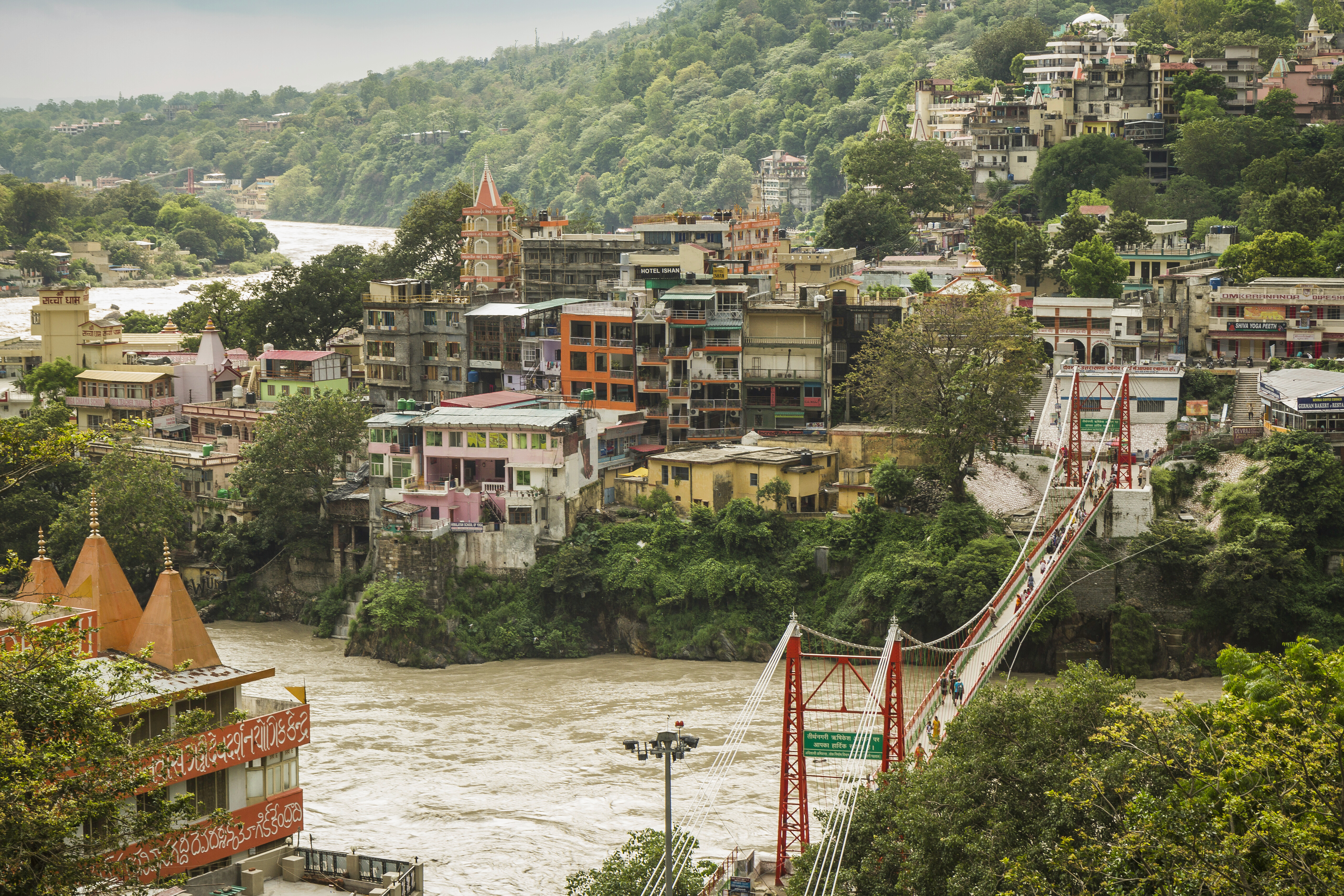
The two iconic suspension bridges, Ram Jhula and Laxman Jhula, are the pulsating arteries of the city. Crossing them amidst the constant flow of motorcycles, pedestrians, cows, and monkeys is an authentic, vibrant cultural immersion experience. They not only connect the river banks but link ancient temples, ashrams, and the main yoga centers, defining the local rhythm of life.
The Global Yoga Capital
Rishikesh truly earned its title by hosting hundreds of centers offering intensive courses, teacher training, and retreats in yoga, meditation, and Ayurvedic wellness. The city’s tranquil setting, combined with its spiritual history, creates the ideal environment for holistic healing and Vedic learning. The annual International Yoga Festival (usually in March) draws thousands globally, making it a critical fixture on the global wellness map.
The Legacy of the Maharishi
- The Beatles Ashram (Chaurasi Kutia): Now officially part of Rajaji National Park, this abandoned ashram is arguably the city's most globally famous landmark. Its overgrown grounds, dilapidated but fascinating dome-shaped meditation pods, and colorful Beatles-inspired graffiti offer a unique, melancholic charm. It stands as a powerful symbol of the convergence of Eastern spirituality and Western counter-culture, making it a fascinating spot for offbeat photography tours and history buffs.
Sacred Shrines and Ghats of Devotion
Rishikesh’s temples and ghats are ancient, serving as essential pilgrimage points before pilgrims ascend to the Himalayan dhamas (Badrinath, Kedarnath).
The Divine Shrines
- Trayambakeshwar Temple (or Tera Manzil Temple): Located near Laxman Jhula, this towering, thirteen-story temple is hard to miss. Its multiple floors house various deities, making it a comprehensive, accessible hub for Hindu worship and offering panoramic views from its upper floors.
- Neelkanth Mahadev Temple: Situated about 32 kilometers uphill from Rishikesh, this temple is highly revered and steeped in Puranic mythology. It is believed to be the spot where Lord Shiva consumed the poison (Halahala) churned during the Samudra Manthan. The scenic drive and the quiet, forested setting make the journey a popular day trip.
- Raghunath Temple: Located in the city center, this ancient temple is dedicated to Lord Rama and is historically significant, featuring traditional Garhwal heritage architecture.
The Ganga's Evening Ritual
- Parmarth Niketan Ghat: While the Ganga Aarti is performed at several ghats, the one at Parmarth Niketan (a large ashram) is particularly famous. Held every evening, it is a beautiful, harmonious ceremony involving children from the ashram's school, chanting, prayers, and the floating of small diyas on the river. This intimate, organized ritual provides a perfect moment of Hindu spiritual practice.
- Triveni Ghat: This ghat is considered the main central ghat in Rishikesh, believed to be the confluence of the three holy rivers: the Ganga, Yamuna, and Saraswati (though only the Ganga is visible). Pilgrims flock here for the holy dip and to attend the local, less crowded Triveni Ghat Aarti at sunrise and sunset.
Adventure and Exploration
Rishikesh has cemented its place as the adventure tourism capital of North India, offering activities that utilize the powerful geography of the area.
White-Water Rafting and Kayaking
- The Ganga's Challenge: The stretch of the Ganga between Kaudiyala and Rishikesh is world-famous for its challenging and exhilarating rapids, ranging from Grade I to Grade IV. Sections like "The Wall" and "Roller Coaster" attract rafters globally. Options range from short 9 km routes (for beginners) to longer, multi-day rafting and riverside camping expeditions.
- Kayaking: For a more personalized experience, professional kayaking instruction is widely available, allowing adventurers to navigate the powerful currents on their own.
High-Adrenaline Activities
- Bungee Jumping and Giant Swing: Located near Mohan Chatti, this site is one of India's most recognized extreme adventure sports locations. The 83-meter jump is professionally managed and is a major draw for thrill-seekers, offering a unique perspective on the Shivalik foothills.
- Ziplining and Rock Climbing: Ziplining across the Ganga and organized rock climbing/rappelling expeditions on the cliffs along the river are also popular, enhancing Rishikesh's profile as a versatile adventure tourism hub.
Trekking and Nature Retreats
The hills surrounding Rishikesh provide excellent opportunities for Himalayan exploration and deep immersion into the Rajaji National Park ecosystem.
Short Hikes and Temple Trails
- Neer Garh Waterfall Trek: A popular, easy-to-moderate hike just a few kilometers from Laxman Jhula. The trail is well-maintained and leads to a beautiful, cascading waterfall with small pools a perfect, quick nature walk and soft adventure.
- Kunjapuri Temple Trek: Located atop a hill at 1,645 meters, this temple is a Shakti Peetha and a popular sunrise/sunset spot. The 1.5-hour trek (or a short drive and shorter hike) offers some of the most spectacular panoramic views of the Greater Himalayas (including Swargarohini, Chaukhamba) and the entire Doon Valley below.
Rajaji National Park and Wildlife
- Chilla Range Safari: Rishikesh serves as the essential gateway to the Chilla Range of Rajaji National Park. Visitors can take a jeep safari here to spot elephants, deer, and a wide variety of Himalayan wildlife, making it a prime location for eco-tourism and birdwatching away from the main tourist areas.
How to Reach the Yoga Capital
Rishikesh is exceptionally well-connected, reflecting its importance as a major spiritual and travel hub.
- By Air: The most convenient airport is Jolly Grant Airport (DED), Dehradun, located just 20 kilometers away. DED has excellent domestic connectivity with daily flights from major cities like Delhi, Mumbai, and Bengaluru. Taxis, prepaid cabs, and local buses provide quick transfers to Rishikesh in about 45 minutes.
- By Rail: Rishikesh Railway Station (RKSH) is now functional and well-connected to major Indian cities, although sometimes travelers prefer Haridwar Junction (HW), which is 25 kilometers away and handles more long-distance express trains. From both stations, taxis and shared auto-rickshaws are readily available.
- By Road: Rishikesh is a major hub on the National Highway (NH 7/NH 34). It is a smooth, popular drive from Delhi (approx. 240 km). Frequent bus services (Volvo, state-run, and private) run from Delhi (ISBT Kashmiri Gate), Haridwar, and Dehradun.
Best Time to Visit Rishikesh
Rishikesh offers a year-round appeal, but specific activities are seasonal.
- Ideal Adventure (September to November): This is the best time for rafting and trekking. The monsoon is over, the weather is cool and pleasant, and the Ganga water level is still high enough for thrilling rapids. The skies are clear for mountain views.
- Yoga and Comfort (February to April): The weather is perfectly mild and sunny (average 15 °C to 28 °C). This period is ideal for yoga retreats, sightseeing, and the International Yoga Festival.
- Monsoon (July to August): Rafting is often closed or heavily restricted due to high, dangerous water levels. However, the hills are lush green, hotel rates are low, and the environment is ideal for intense meditation and solitude travel.
- Winter (December to January): The weather is cold, but the skies are clear. While it's too cold for a Ganga dip, this is a great time for quiet spiritual retreat and enjoying clear mountain views with minimal crowds.
Top Things to Do & Activities in Rishikesh
Discover a world of unforgettable experiences and top activities at this destination! Whether you’re seeking adventure, cultural immersion, relaxation, or family fun, find the best things to do—from sightseeing and outdoor adventures to culinary delights, spiritual journeys, and local events. Enjoy every moment and make your trip truly memorable!