Discover Amazing Srinagar Garhwal
Srinagar Garhwal, located on the banks of the Alaknanda River in Uttarakhand, is a historic town and former capital of the Garhwal Kingdom. Founded by King Ajay Pal in the 16th century, it is now a cultural and educational hub known for its scenic beauty, ancient temples, and Garhwal University.
About This Destination
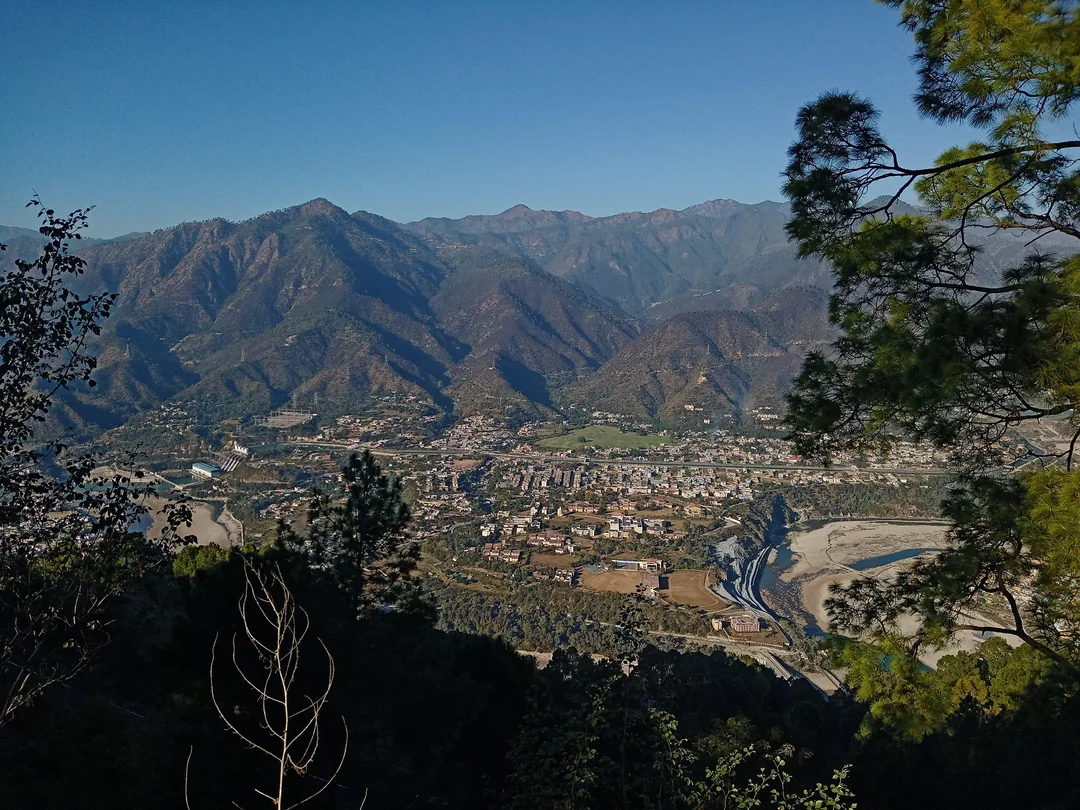
Srinagar Garhwal is far more than just a stopping point on the highway to the higher Himalayas; it is a town steeped in profound history and cultural significance, acting as the historical and intellectual heart of the Garhwal region of Uttarakhand. Located centrally on the banks of the majestic Alaknanda River at an altitude of approximately 560 meters, Srinagar was the ancient capital of the Garhwal Kingdom for centuries (until it was destroyed by an earthquake and the Gohna Lake flood in 1894).
Today, Srinagar is a vibrant university town home to the prestigious Hemwati Nandan Bahuguna Garhwal University which infuses its ancient lanes with a youthful, dynamic energy. Unlike the purely devotional centers or the high-altitude tourist hubs, Srinagar offers a genuine glimpse into the daily life, history, and modern development of the region. It is a pivotal junction on the Char Dham Yatra and a fantastic base for exploring the rich cultural tapestry that bridges the plains and the high mountains.
Overview: History, Revival, and the River
Srinagar's identity is defined by its resilience and its central role in regional history. Its strategic location at the convergence of major travel routes made it the ideal royal seat.
Historical Significance
The town was the flourishing capital of the Pawar Dynasty until the natural disaster of 1894 forced a shift in the capital. The older structures, including many temples and palaces, were submerged or destroyed, but the town's spirit persevered, leading to a modern revival focused on education and commerce.
The Alaknanda's Embrace
The Alaknanda River flows through the town, providing both its beauty and its historical challenges. The river banks and the ghats in Srinagar are serene, offering a quiet contrast to the bustle of the market and the university campus. The river is the town's lifeblood, giving it a peaceful, reflective character ideal for riverbank reflection and spiritual contemplation.
A Modern Crossroads
Being the largest town between Rishikesh and Rudraprayag, Srinagar serves as a crucial administrative, economic, and educational hub. It is where you can find excellent logistical support, supplies, and accommodation, positioning it as an essential stop for pilgrims and adventurers heading towards Badrinath and Kedarnath.
Places of Worship: Temples of Srinagar
Despite the destruction of the old town, Srinagar retains several important temples and sites that anchor its spiritual standing.
Kamleshwar Mahadev Temple
This is the most famous and sacred temple in Srinagar, dedicated to Lord Shiva. It is believed to be where Lord Vishnu, to please Shiva, once offered one thousand lotus flowers. When he fell short by one flower, he offered his own eye, earning him Shiva's favour. The temple's ancient architecture and spiritual significance make it a key pilgrimage site.
Things to Do:
- Devotional Visit: Seek blessings and observe the daily rituals.
- Vaikunth Chaturdashi Mela (See below): This temple is the focal point of the famous Vaikunth Chaturdashi festival.
Kilkileshwar Mahadev Temple
Overview: Located near the university campus on the banks of the Alaknanda, this is another important temple dedicated to Lord Shiva. It is believed that the temple was founded by Adi Shankaracharya, the 8th-century philosopher and saint who consolidated the doctrine of Advaita Vedanta and established many holy sites in Uttarakhand.
Things to Do:
- River Ghats: The temple is situated at a peaceful ghat, ideal for observing the river and engaging in quiet meditation.
Vaikunth Chaturdashi Mela: A Unique Cultural Event
The Vaikunth Chaturdashi Mela is a unique, powerful, and deeply moving annual festival celebrated in Srinagar at the Kamleshwar Mahadev Temple around November (on the 14th day of the bright fortnight of the Hindu month of Kartik). This festival is specifically for couples who wish to have children.
Couples, primarily women, stand all night holding a sacred lamp (diya) or oil wick in their hands and praying for a child. It is a vigil of immense faith and devotion, often involving fasting and chanting. The entire temple complex is filled with the glow of thousands of lamps and the sounds of spiritual fervor.
Things to Do:
- Cultural Observation: If your visit aligns with November, witnessing this all-night vigil is a genuine, powerful cultural immersion experience that highlights the deep spiritual traditions of the Garhwal region. (Be respectful and observe from a distance).
How to Reach Srinagar Garhwal
Srinagar is perfectly positioned on the main route (NH 7) connecting Rishikesh to Rudraprayag, and on to Kedarnath and Badrinath.
- By Air: The nearest airport is Jolly Grant Airport (DED) in Dehradun, approximately 125 km away. Taxis and public buses are readily available for the 4 to 5-hour scenic drive.
- By Rail: The nearest major railway station is Rishikesh Railway Station (RKSH), about 105 km away, or Haridwar (HW), about 130 km away. Direct state transport buses (GMOU/UTC) are frequent and affordable from both locations.
- By Road: Srinagar is the prime stopover point between the plains and the Char Dham shrines. The road is well-maintained and follows the Alaknanda River upstream.
Best Time to Visit Srinagar Garhwal
- Peak Season (May to June and September to October): Ideal. The weather is warm and pleasant, and the town is bustling with pilgrims and students. Skies are clear, perfect for travel and local walks.
- Winter (November to February): Cold, but the town itself rarely sees snow. Best for solitude and budget travel. The Vaikunth Chaturdashi Mela falls during the transition to winter.
- Monsoon (July to August): The river flows powerfully, and the surrounding hills are lush, but heavy rainfall increases the risk of road delays (landslides).
Srinagar to Rudraprayag (Approx. 34 km)
- Overview: A short, vital drive upstream along the Alaknanda. Rudraprayag is the next major Prayag (confluence) and is where the Alaknanda meets the Mandakini River. This confluence is the gateway to the Kedarnath shrine.
- The Route: The road is excellent and scenic, taking only about 1 to 1.5 hours.
- Significance: This short journey connects Srinagar to the key logistical hub for the Kedarnath route, making Srinagar a convenient place to stay if Rudraprayag accommodations are full.
Srinagar to Rishikesh (Approx. 105 km)
- Overview: This is the main artery connecting the entire Garhwal region to the plains. Rishikesh is the "Yoga Capital of the World" and the point where the Alaknanda (now Ganga after Devprayag) leaves the mountains.
- The Route: The scenic drive takes about 3.5 to 4 hours. It passes through Devprayag, where the Alaknanda meets the Bhagirathi to form the Ganga.
- Significance: This route connects all Himalayan travel back to the major railway and airport infrastructure, making Srinagar the last major cultural stop before descending to the plains.
Dhari Devi Temple (Srinagar - Rudraprayag Route)
- Overview: Located spectacularly on a small island in the middle of the Alaknanda River, the Dhari Devi Temple is one of the most revered Shakti Peethas (seats of the Goddess) in the region. The idol of the goddess is believed to change faces three times a day.
- How to Reach: It is located on the highway between Srinagar and Rudraprayag. It requires a short drive and a descent to the river level.
- Significance: Visiting the temple offers a profound spiritual moment combined with a stunning riverine view, highlighting the Garhwal belief in the powerful feminine energy of nature.
Things to Do: Exploration and Local Life
- University Campus Visit: Walk through the large, dynamic campus of HNB Garhwal University. The energy of the thousands of students provides a unique contrast to the ancient temples and offers a glimpse into the modern socio-economic life of the region.
- River Rafting (Seasonal): The Alaknanda River near Srinagar offers sections suitable for white water rafting when water levels are safe, often organized from the Rishikesh area but operating in the upper reaches.
- Local Market: Explore the bustling main market of Srinagar, which serves the vast pilgrimage route. This is the place to buy local Garhwali products, supplies, and sample authentic Garhwali cuisine at local dhabas.
- Day Trip to Khirsu: Located about 15 km away, Khirsu is a quiet, idyllic hill station offering beautiful panoramic views of the Himalayan peaks (on a clear day) and simple mountain tranquility a perfect soft adventure escape from the town's bustle.
Top Things to Do & Activities in Srinagar Garhwal
Discover a world of unforgettable experiences and top activities at this destination! Whether you’re seeking adventure, cultural immersion, relaxation, or family fun, find the best things to do—from sightseeing and outdoor adventures to culinary delights, spiritual journeys, and local events. Enjoy every moment and make your trip truly memorable!