Discover Amazing Uttarkashi
Uttarkashi, known as the "Kashi of the North," is a picturesque town and district in the upper Himalayas of Uttarakhand. It holds great spiritual importance as the source area of the sacred Ganga and Yamuna rivers, with many ancient temples and pilgrimage sites. Surrounded by majestic peaks.
About This Destination
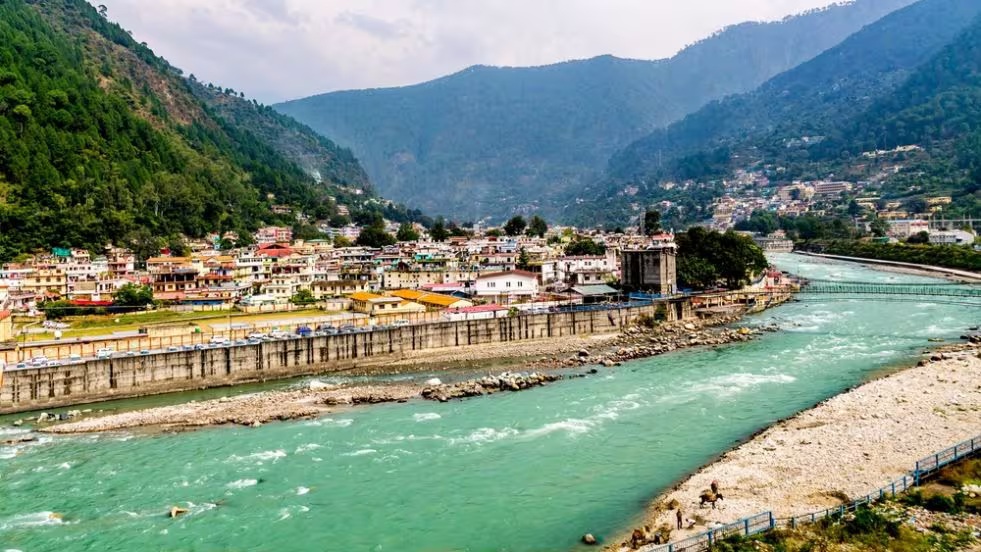
Uttarkashi, literally meaning the "Kashi (Varanasi) of the North," is one of the most sacred and visually dramatic towns in the Garhwal Himalayas of Uttarakhand. Nestled on the banks of the mighty Bhagirathi River, which eventually forms the Ganga, the town sits at an elevation of 1,158 meters. It is a place of profound spiritual resonance, recognized for centuries as a vital pilgrimage center and the principal gateway to two of the four Char Dham shrines: Gangotri and Yamunotri.
Beyond its spiritual fame, Uttarkashi is the beating heart of the region's culture, administration, and high-altitude trekking world. It offers a genuine blend of devotional practice and thrilling Himalayan adventure. Here, you find not only ancient temples and ashrams, but also premier mountaineering institutes and vibrant local markets, all set against the stunning backdrop of towering, snow-capped peaks. This guide is your complete immersion into the soul of Uttarkashi a town where the everyday meets the eternal.
Overview: Spiritual Core and Geographical Significance
Uttarkashi draws its spiritual power from its deep mythological connection to the holy city of Kashi and its location on the sacred Bhagirathi River. It is believed that visiting this Uttarkashi grants the same merits as visiting Varanasi, hence its revered status.
The Town's Character
The town is characterized by its old market, numerous bathing ghats (steps leading to the river), and its traditional Garhwali architecture. It is significantly less commercialized than Rishikesh or Haridwar, retaining a serene, deeply pious atmosphere, particularly around the riverbanks. It serves as the administrative headquarters of the Uttarkashi district, giving it a lively, year-round feel distinct from the purely seasonal pilgrimage spots.
A Hub for Himalayan Exploration
Geographically, Uttarkashi is crucial. It sits at a strategic point, allowing access not only to the Char Dhams but also to some of the most famous trekking routes in the Indian Himalayas:
- Trekking Gateway: Routes to high-altitude lakes and passes, such as Dodital and the Dayara Bugyal meadow, often start or are provisioned here.
- Mountaineering Hub: It is home to the renowned Nehru Institute of Mountaineering (NIM), a premier institution for mountaineering education, which adds an adventurous, professional edge to the town's atmosphere.
Places to Visit in Uttarkashi:
The primary attractions in Uttarkashi are deeply religious, reflecting the town's status as a spiritual center.
Vishwanath Temple
Overview: The most important temple in Uttarkashi, the Kashi Vishwanath Temple is dedicated to Lord Shiva. It is believed to have been built by Parshuram and later renovated by Queen Khaneti of Tehri in 1857. The temple features a unique slightly leaning idol of Shiva and is central to the town's religious identity. Its atmosphere is intensely devotional, with continuous rituals and chanting.
Things to Do:
- Seek Blessings: Participate in the morning or evening aarti to experience the full force of the local devotion.
- Explore the Trishul: Visit the massive, ancient bronze Trishul (trident) standing outside the temple complex, believed to be associated with Shiva himself.
Shakti Temple
Located right next to the Vishwanath Temple, the Shakti Temple is dedicated to the Goddess Shakti (Durga). It is famous for housing a massive iron Trishul said to be about 6 meters tall at its entrance. Legend has it that the Trishul was thrown by the Goddess onto a demon, after which it got fixed here.
Things to Do:
- Witness the Iron Trishul: Observe the sheer size and craftsmanship of the ancient iron trident, which is a key symbol of the town's history and power.
Maneri Dam
A short distance upstream from Uttarkashi, the Maneri Dam is a concrete gravity dam built across the Bhagirathi River for hydroelectric power generation. The resulting reservoir creates a large, calm lake that offers a beautiful, unexpected contrast to the rushing river.
Things to Do:
- Photography: The reservoir offers stunning views of the surrounding hills, especially during the early morning.
- Nature Observation: It's a peaceful spot for a quiet break from the pilgrimage rush.
How to Reach Uttarkashi
Uttarkashi is well-connected by motorable roads, making it a critical hub on the Char Dham pilgrimage circuit.
- By Air: The nearest airport is Jolly Grant Airport (DED) in Dehradun, approximately 160 km away. Taxis and private cabs are readily available, taking about 6 to 7 hours, depending on traffic and road conditions.
- By Rail: The nearest railway station is Rishikesh Railway Station (RKSH), about 145 km away, or the better-connected Haridwar Railway Station (HW), about 175 km away. From either, you can hire a private taxi or catch a direct state transport bus (GMOU/UTC).
- By Road (Bus/Taxi): Direct buses ply regularly from Rishikesh, Haridwar, and Dehradun. The drive is scenic, following the curves of the Bhagirathi River as you ascend into the Garhwal Himalayas.
Best Time to Visit Uttarkashi
The best time largely depends on whether you prioritize comfortable sightseeing or trekking.
- Peak Season (May to June and September to November): Ideal. These months offer pleasant weather and clear skies, which are crucial for mountain views and comfortable travel to Gangotri and Yamunotri.
- May-June: Warmer, peak pilgrimage rush.
- September-November: Clear views, cooler temperatures, and the end of the trekking season.
- Summer (April): Pleasant and warm, marking the start of the Char Dham opening.
- Monsoon (July to August): Heavy rains increase the river flow dramatically, but road travel can be risky due to landslides. Not recommended for trekking or heavy travel.
- Winter (December to March): Very cold, with heavy snowfall in the higher reaches. The town remains open, but travel to Gangotri and Yamunotri is impossible due to the closure of the temple routes. Best for those seeking solitude and snow views near the town.
Things to Do:
Uttarkashi is a perfect blend of devotion and dynamic mountain life.
- Trekking and Mountaineering: Uttarkashi is the base for several famous treks. Plan a multi-day hike to Dodital (a beautiful freshwater lake), the stunning alpine meadow of Dayara Bugyal, or the challenging route to Gaumukh (the source of the Ganga, accessed via Gangotri).
- Riverbank Reflection: Spend time on the Bhagirathi Ghats, watching the powerful river flow, observing the pilgrims performing rituals, and engaging in quiet meditation and spiritual contemplation.
- Nehru Institute of Mountaineering (NIM): Visit the campus (check visitor policies) to soak in the atmosphere of India’s premier mountaineering institution, a hub for adventure sports professionals.
- Local Market Exploration: Wander through the main bazaar. Uttarkashi is known for its excellent quality woolens, pure Himalayan honey, and local produce. Engage with the Garhwali community and sample local cuisine like Kafuli or Chainsoo.
- Day Trip to Nachiketa Tal: A beautiful, small lake surrounded by forests, named after the spiritual seeker Nachiketa. It requires a short drive and a moderate trek, offering a serene nature walk experience.
Uttarkashi: The Gateway to Char Dham and Beyond
Uttarkashi is strategically vital, lying on the main highway connecting to the holy shrines. Its centrality makes it the ideal spot for provision and rest before the final ascent.
Uttarkashi to Gangotri (Approx. 100 km)
- Overview: Gangotri is the source of the Bhagirathi River (which is considered the Ganga). The temple is dedicated to the Goddess Ganga, who is believed to have descended to Earth here. This route is arguably the most sacred drive in the region.
- The Route: The road follows the Bhagirathi River upstream, passing through charming villages and dramatic mountain scenery. It takes approximately 3 to 4 hours by road.
- Key Stops: Harsil, a stunning village famous for its apple orchards and beautiful environment, is a crucial stop and a great place for an overnight stay.
Uttarkashi to Yamunotri (via Barkot - Approx. 130 km)
- Overview: Yamunotri is the source of the Yamuna River and the seat of Goddess Yamuna. The route is different from the Gangotri road, leading southwest towards Barkot before ascending steeply.
- The Route: The entire journey takes about 5 to 6 hours to reach Jankichatti (the road head). From there, a mandatory 6-km trek (or pony/palki ride) is required to reach the temple.
- Stops: The route involves a stop in Barkot (see next section) and the final road head at Jankichatti.
Uttarkashi to Barkot (Approx. 85 km)
- Overview: Barkot is a large, important town known as the main base camp for the Yamunotri pilgrimage. It offers numerous hotels, dhabas (eateries), and supply shops. For many, it serves as the essential overnight rest stop before tackling the rigorous final climb to Yamunotri.
- The Route: The drive takes about 3 hours and is a key junction point for pilgrims coming from Rishikesh or Uttarkashi.
- Significance: Barkot provides better accommodation and logistical services than the smaller villages closer to the temple, making it vital for pilgrimage logistics and support.
Top Things to Do & Activities in Uttarkashi
Discover a world of unforgettable experiences and top activities at this destination! Whether you’re seeking adventure, cultural immersion, relaxation, or family fun, find the best things to do—from sightseeing and outdoor adventures to culinary delights, spiritual journeys, and local events. Enjoy every moment and make your trip truly memorable!