
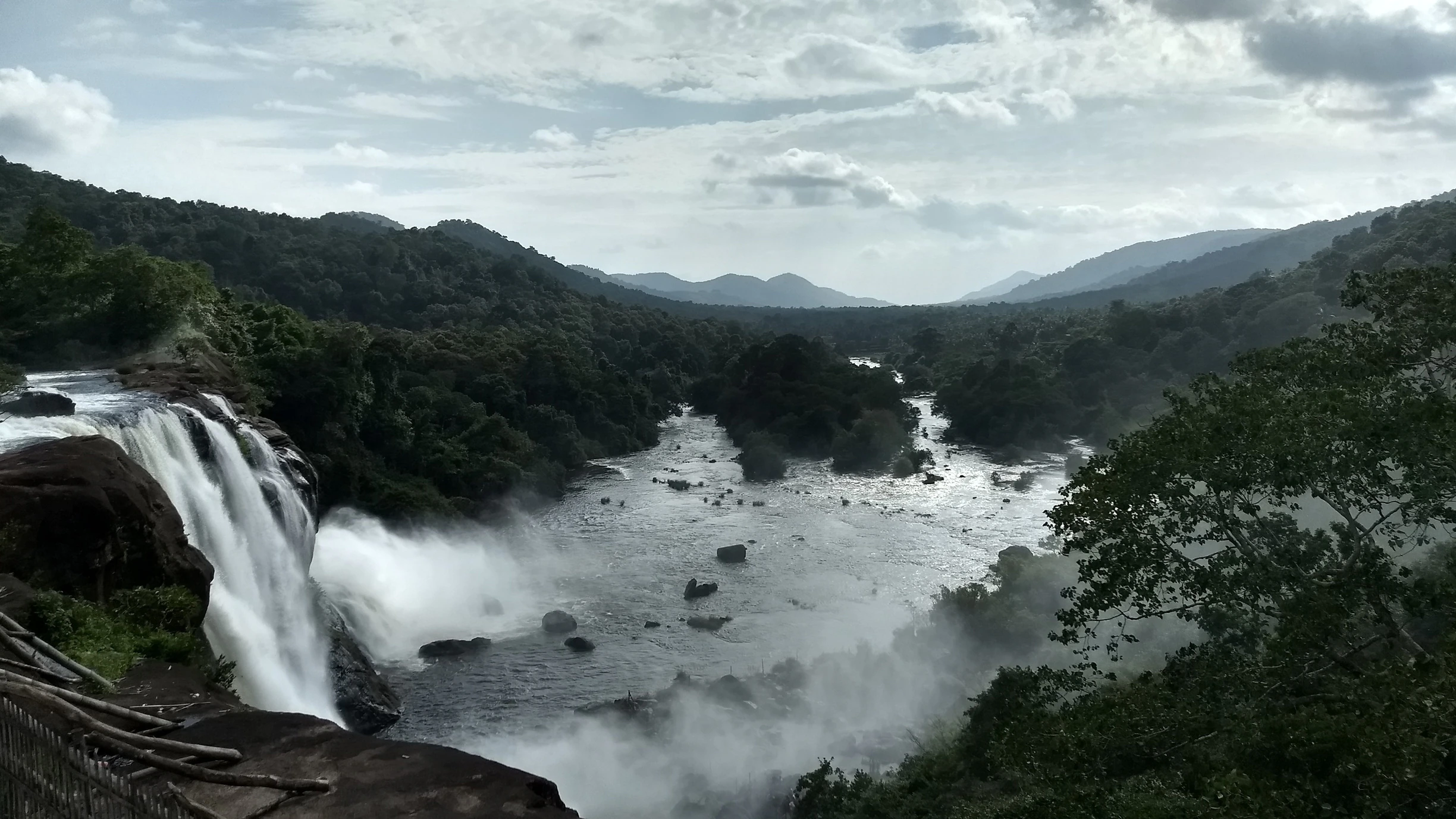
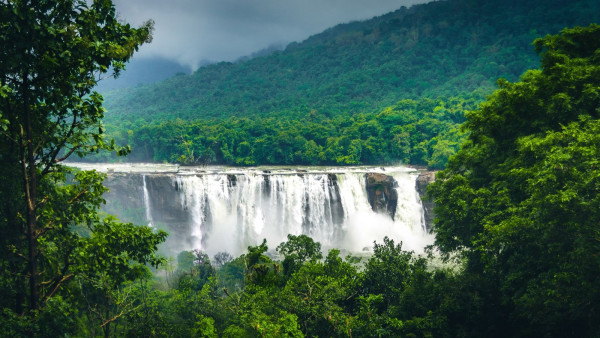
Kerala Tour Package: Athirappilly is not merely a waterfall; it is an epic force of nature, a breathtaking spectacle where the Chalakudy River descends in a thunderous, misty curtain, marking the gateway to the dense, biodiverse Sholayar forests. Often dubbed the "Niagara of India," Athirappilly holds the distinction of being the largest waterfall in Kerala, captivating tourists, filmmakers, and environmentalists alike.
For the travel enthusiast seeking the ultimate blend of lush greenery, raw power, and tranquility, Athirappilly represents the very essence of God's Own Country. Specifically located in the Athirappilly Panchayath, Thrissur district, the presence of Athirappilly Water Falls Pariyaram Kerala signifies a major ecological and tourism hotspot near the border of Thrissur and Ernakulam districts. Understanding the location, the ecology, and the experience is key to appreciating this majestic destination.
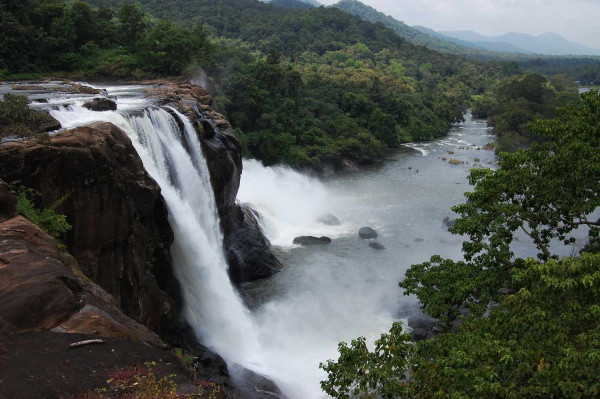
The Magnificent Cascade: Geography and Grandeur
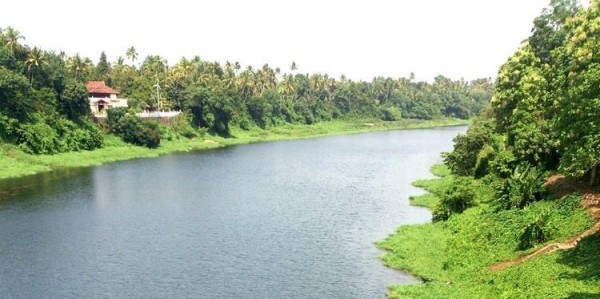
The Athirappilly Falls are formed by the westward-flowing Chalakudy River, which originates high in the Anamudi mountains of the Western Ghats. The location, nestled right at the entrance to the Sholayar ranges, ensures the area is surrounded by perennial, low-elevation riparian forest, a unique and critically important ecosystem.
The Scale of the Falls
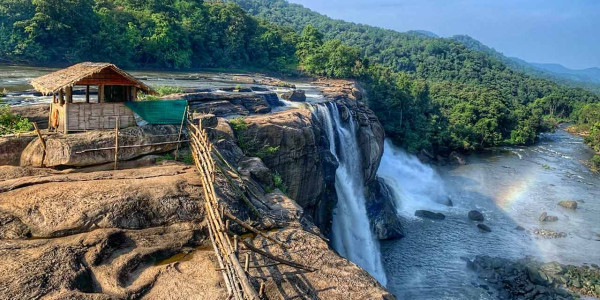
Athirappilly is not a single plunge but a segmented waterfall that cascades down in four distinct drops.
- Height: The falls tumble from a height of approximately 80 to 82 feet (about 25 meters).
- Width: During the peak monsoon season, the waterfall spreads out to a width of nearly 100 meters (330 feet), creating the magnificent curtain effect that earns it the title of the 'Niagara of India'.
- Location Detail: While the Athirappilly Panchayath falls predominantly within the Thrissur district, the nearby town of Pariyaram, often cited alongside the falls, is significant as a local hub near the forest division and Chalakudy river basin, serving as a landmark for regional transport. The full keyword Athirappilly Water Falls Pariyaram Kerala emphasizes the precise ecological and administrative context within the state.
Cinematic Fame
The majestic, wide cascade and its lush green surroundings have made Athirappilly a favorite location for filmmakers. Its dramatic appearance has graced numerous major Indian films, including the iconic waterfall scenes from Baahubali (which used graphics to enhance its scale), and classics like Mani Ratnam's Dil Se and Raavan, significantly raising its profile among national and international tourists.
The Thriving Ecosystem: A Biodiversity Hotspot
The area surrounding the Athirappilly Water Falls Pariyaram Kerala is far more valuable than just a scenic spot; it is a vital part of the Western Ghats, designated as one of the world's eight "hottest hotspots" of biological diversity.
The Hornbill Haven
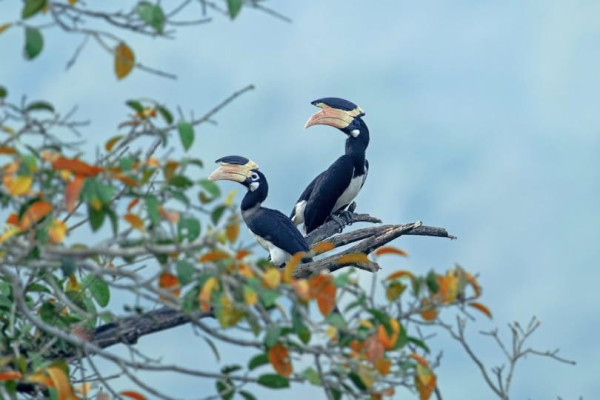
The Sholayar forests are particularly famous among ornithologists as they are one of the very few places in the Western Ghats where four endangered species of endemic Hornbills the Great Hornbill (Kerala's state bird), the Malabar Pied Hornbill, the Malabar Grey Hornbill, and the Indian Grey Hornbill thrive. Bird watchers flock here, especially in the early mornings, to spot these magnificent birds in their natural habitat.
Rich Wildlife
The dense riparian forests are a crucial corridor for wildlife. Visitors, particularly those taking the jungle safari, may be fortunate enough to spot:
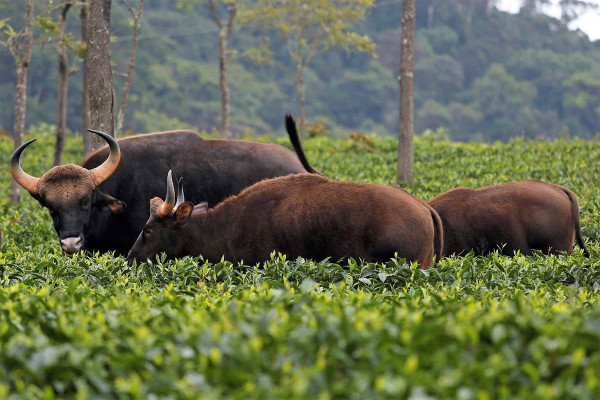
- Mammals: Asiatic elephants, sambar deer, Indian bison (gaur), leopards, tigers, and the endangered Lion-tailed Macaque.
- Flora: The low-elevation riparian forest ecosystem is unique and threatened, supporting a wide range of endemic plant life.

The Chalakudy River System
The Chalakudy River, which nourishes the falls, is one of the most biodiverse waterways in Kerala, sustaining numerous species of fish, frogs, and other aquatic life, underscoring the ecological importance of preserving the entire Athirappilly-Vazhachal region.
Best Time To Visit And How to Experience Athirappilly
The experience of visiting Athirappilly changes dramatically with the seasons.
Best Time to Visit

- Monsoon (June to September): This is when the falls are at their absolute peak flow, transforming into the spectacular, roaring "Niagara of India." The surroundings are impossibly green, shrouded in a permanent mist. However, the paths can be slippery, and water flow may be too heavy to allow close access.

- Post-Monsoon/Winter (October to February): This is considered the best time for comfortable weather, sightseeing, and outdoor activities like trekking and birdwatching. The water flow is still magnificent but calmer, and the weather is pleasant.
- Summer (March to May): The falls' volume reduces, exposing the underlying rock formations. While less dramatic, the area is less crowded, and the heat can be intense.
Visitor Experience and Trekking
Athirappilly offers two distinct viewpoints, both accessible via well-maintained paths from the entrance gate:
- The Top View: A relatively easy, paved walk of about 500 meters leads to the top of the falls, where you can safely walk along the river just before it plunges down. This area offers a great perspective of the massive scale and the surrounding forest.
- The Bottom View (The Trek): A steeper, approximately 1-kilometer trek downhill leads to the base of the falls. This trek is essential for anyone seeking the majestic, head-on view of the falls in their full glory, feeling the thunderous power and the cooling spray of the mist. This path can be strenuous and slippery, requiring sturdy footwear.
Nearby Attractions
A visit to Athirappilly is incomplete without exploring its neighboring gems along the Chalakudy River:
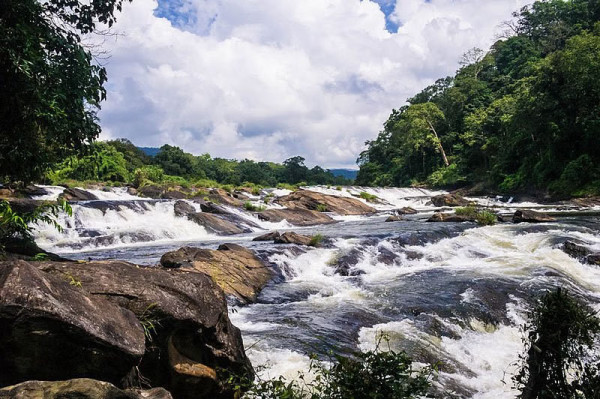
- Vazhachal Waterfalls: Located just 5 kilometers from Athirappilly, Vazhachal is distinctly different, featuring water rushing down over a series of sloped rock formations rather than a sheer vertical drop. The area is also part of the important forest reserve.
- Charpa Falls: A seasonal waterfall that plunges directly onto the road during the monsoon months, making for a thrilling drive-by attraction.

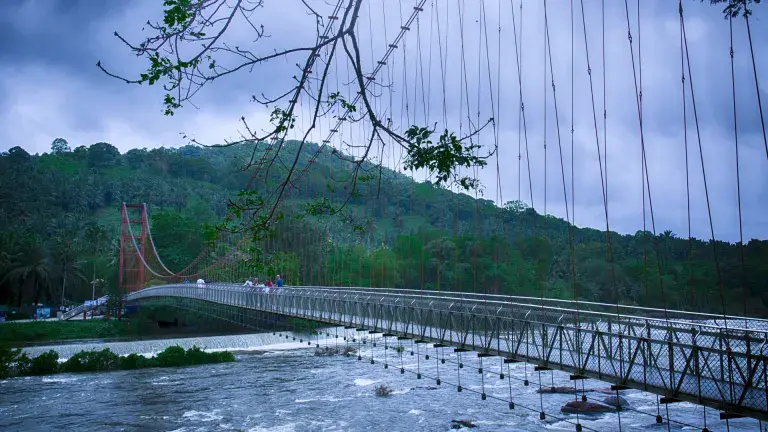
- Thumboormuzhy Dam and Hanging Bridge: This spot features a beautiful butterfly park and a hanging bridge over the Chalakudy River, perfect for leisurely walks and spotting wildlife.
How To Reach Athirappilly Water Falls Pariyaram Kerala
Athirappilly is strategically located near the border of two major districts, making it highly accessible via air, rail, and road.
- By Air: The closest and most convenient airport is Cochin International Airport (COK), located about 40-55 km away. Taxis are readily available for the 1.5 to 2-hour drive.
- By Train: The nearest major railway station is Chalakudy Railway Station (CKI), approximately 30-35 km away. Chalakudy is the main base town for travelers heading to Athirappilly. Aluva (AWY) and Ernakulam (ERS) are larger, well-connected stations, from which you can hire a taxi.
- By Road: Athirappilly is well-connected by the Chalakudy-Athirappilly road. Public buses from Thrissur, Chalakudy, and Kochi run regularly to the falls. The drive itself, passing through the dense forests, is exceptionally scenic.
The sheer natural magnificence and the surrounding ecological wealth solidify the Athirappilly Water Falls Pariyaram Kerala as one of India's most important and captivating natural wonders. It offers not just a view, but an immersive experience into the heart of the Western Ghats.
