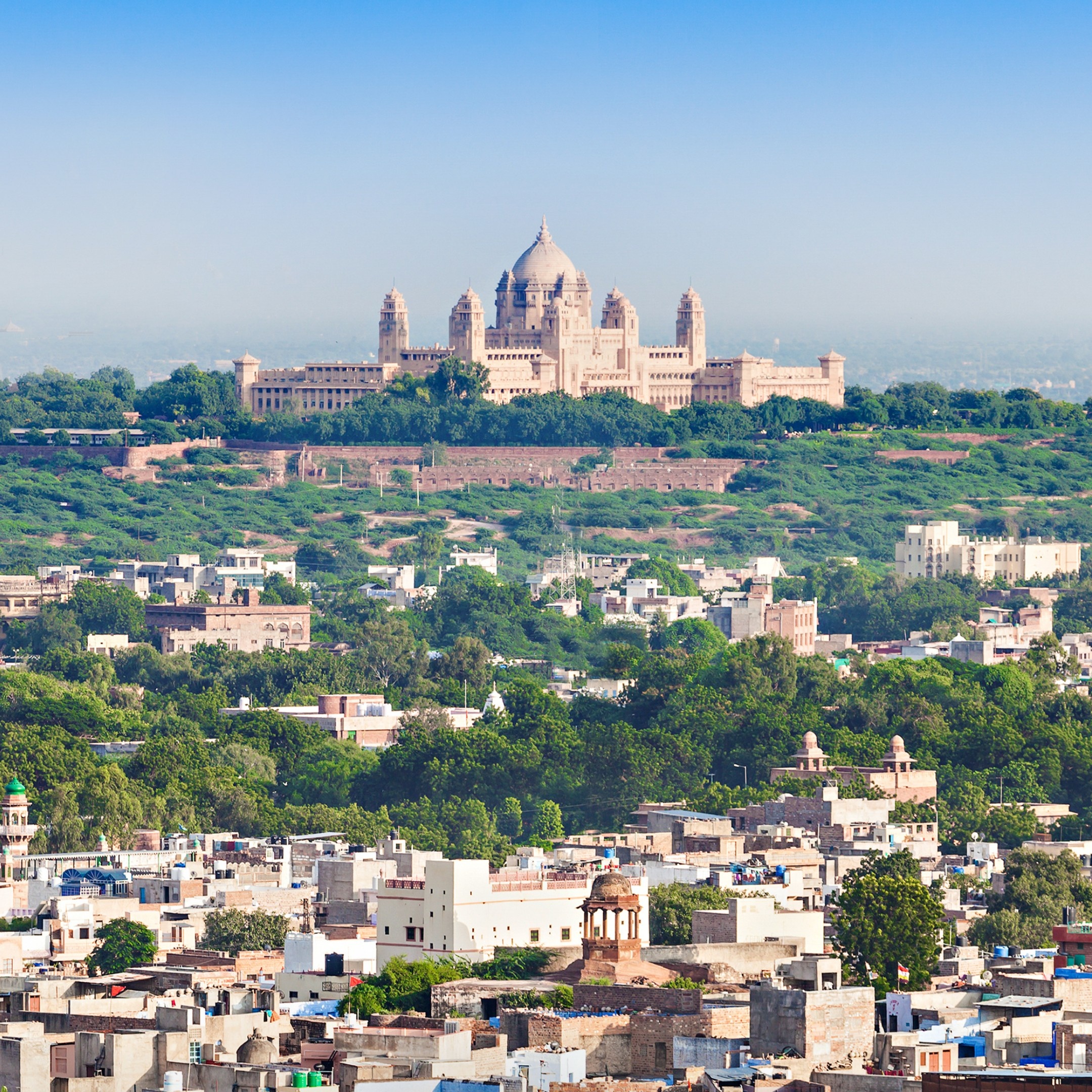
When you first stand on a rooftop in the old city of Jodhpur, you’ll see exactly why they call it the "Blue City." Thousands of boxy houses, painted in shades of indigo and sky blue, stretch out beneath the massive shadow of Mehrangarh Fort. It’s a sight that stays with you.
Unlike the more polished Jaipur or the lake-filled Udaipur, Jodhpur feels a bit more raw. The streets are narrower, the smell of frying Mirchi Badas is stronger, and the history feels a little closer to the surface. I’ve spent time navigating these blue alleys and climbing the fort walls, and this guide is meant to help you find the best Jodhpur tourist places without the usual tourist-trap fluff.
Introduction To Jodhpur:
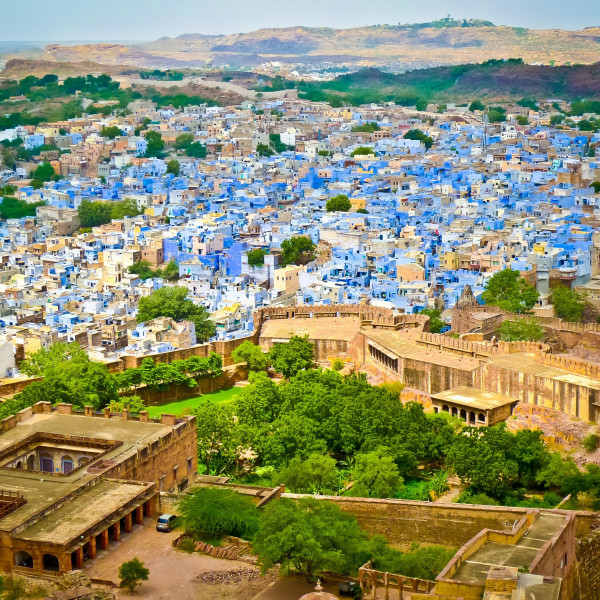
Jodhpur was founded in 1459 by Rao Jodha, a chief of the Rathore clan. It served as the capital of the Marwar kingdom, and that "warrior spirit" is still visible in the architecture. While the blue paint was originally used to keep houses cool and ward off termites (and as a marker for Brahmin homes), it has now become the city’s identity.
Today, it’s a place where history meets a very busy, modern Rajasthani life. You’ll find camels sharing the road with scooters and ancient temples tucked between textile shops.
Mehrangarh Fort:
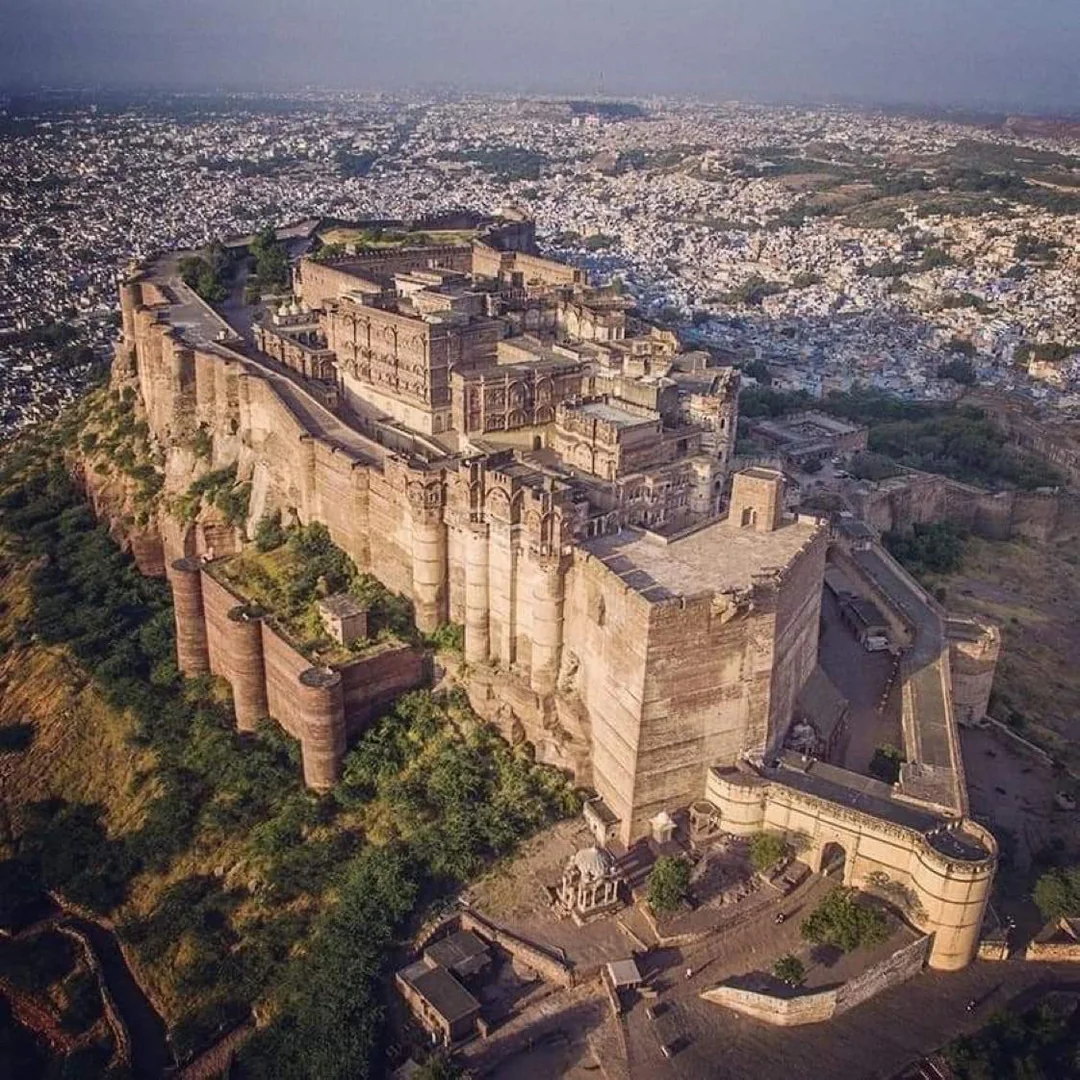
If you only visit one place, it has to be Mehrangarh. It is one of the largest and best-preserved forts in India. It doesn’t just sit on the hill; it looks like it grew out of the rock itself.
- The Experience: Walking through the seven gates (Pol) is a journey. Look for the handprints near the Loha Pol they are "sati" marks of the royal widows, a somber reminder of the fort's intense history.
- The Museum: Unlike some dusty fort museums, this one is world-class. You’ll see royal palanquins (litters), an incredible collection of turbans, and the Phool Mahal (Flower Palace), which has a ceiling covered in gold leaf.
- The Views: Head to the ramparts where the old cannons are stationed. From here, you get that famous "Blue City" photo. It’s the best spot to understand the city’s layout.
- Practical Tip: It’s a steep walk. If you’re with seniors, there is an elevator that takes you to the top for a small fee (around ₹50).
Jaswant Thada:
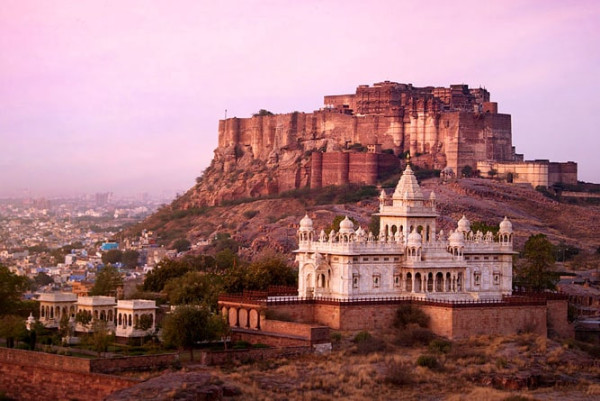
Located just a short walk or auto-ride down from the fort is Jaswant Thada. It’s a royal cenotaph (memorial) built in 1899 for Maharaja Jaswant Singh II.
- The Marble: The entire structure is built from thin sheets of polished marble. When the sun hits it, the stone actually glows with a warm, translucent light.
- The Vibe: It is incredibly peaceful. After the noise of the fort, sitting in the lakeside gardens here is a relief. It’s a great spot for travelers who just want to sit and write or sketch.
- Best Time: Early morning (9:00 AM) before the sun gets too harsh.
Umaid Bhawan Palace:
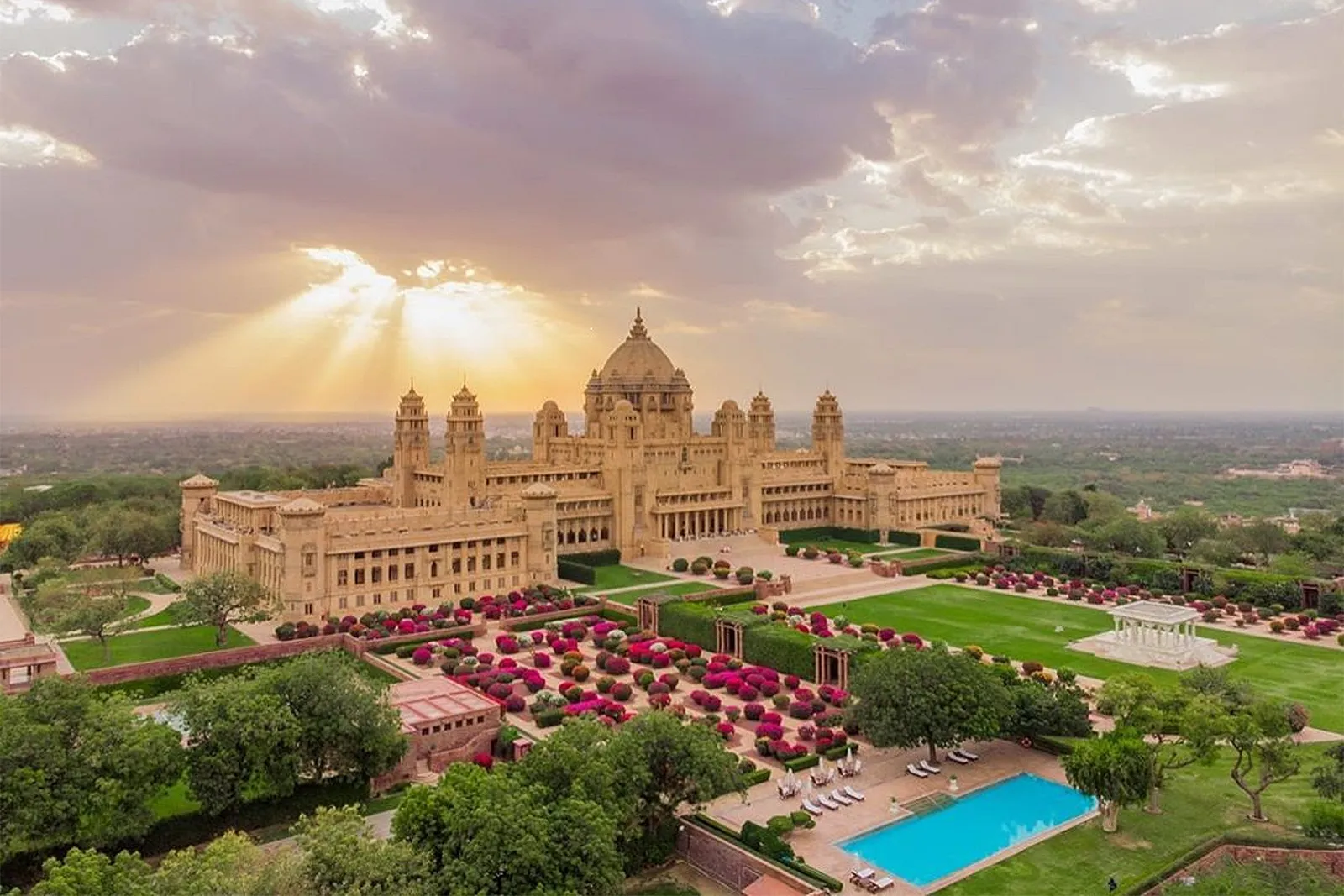
This is one of the world’s largest private residences, and it’s much "younger" than the fort. Built between 1928 and 1943, it was a famine-relief project to provide employment to the local people.
- Three Parts: The palace is divided into a luxury Taj hotel, the private residence of the current Royal Family, and a museum open to the public.
- The Museum: You can’t go into the hotel or house areas unless you’re a guest, but the museum is worth it. It houses royal clocks, classic cars, and photographs that show the transition of the Marwar royals into the modern era.
- Architecture: It’s a mix of Art Deco and traditional Indian styles. The yellow sandstone (Chittar stone) gives it a unique golden hue.
Blue City & Old Town Walk
Don't spend all your time in monuments. To really see Jodhpur, you have to get lost in the blue lanes.
- Navchokiya: This is the area you want to head to. It’s the densest part of the blue houses.
- What to expect: Expect narrow lanes where you have to press against a wall to let a cow pass. You’ll see locals playing cards on porches and women drying chilies on rooftops.
- Pachetia Hill: For the best "secret" sunset, hike up to Pachetia Hill through the blue alleys. It’s a steep climb but offers a view of the fort that feels close enough to touch.
Clock Tower & Sardar Market
The Ghanta Ghar (Clock Tower) is the heart of the old city's commerce. Surrounding it is Sardar Market.
- The Shopping: This is where you buy hand-dyed fabrics, spices, and leather mojari shoes. Be prepared to bargain it’s part of the culture here.
- Food Stop: Right near the gate, you’ll find Mishrilal Hotel. You must try their Makhaniya Lassi. It’s so thick you have to eat it with a spoon.
- Photography: The market is a chaos of color. It’s one of the most vibrant Jodhpur attractions for street photographers.
Mandore Gardens:
About 9km outside the main city lies Mandore, the ancient capital before Jodhpur was built.
- The Cenotaphs: Unlike the white marble of Jaswant Thada, the memorials here are made of red sandstone and look like miniature temples.
- The Atmosphere: It’s a bit overgrown and full of langur monkeys (keep your food hidden!). It feels like a "lost city" experience.
- Ideal for: Families who want space for kids to run around and history lovers who want to see a different style of architecture.
Rao Jodha Desert Rock Park
This park was created in 2006 to restore the natural ecology of the rocky wasteland next to the fort.
- The Trails: There are several walking trails through volcanic rock. It’s the best place to see the local flora and fauna of the Thar Desert.
- Why visit: It’s one of the most underrated places to visit in Jodhpur. It’s quiet, scientifically interesting, and offers a unique perspective of the fort's walls winding through the desert.
Kaylana Lake:
This is an artificial lake located about 8km west of the city.
- The Experience: It’s where locals go for a breath of fresh air. You can take a boat ride or just sit by the water.
- Best for: Couples looking for a quiet spot away from the city noise. The sunset over the water is spectacular.
Temples in Jodhpur
Religion is woven into the city’s fabric.
- Chamunda Mata Temple: Located at the southern tip of Mehrangarh Fort. She is the patron goddess of the Jodhpur royals. The energy during evening aarti is powerful.
- Kunj Bihari Temple: An architecturally beautiful temple dedicated to Lord Krishna, located near the Stepwell.
Best Tourist Places in Jodhpur for Couples vs. Families
|
For Couples |
For Families |
|
Dinner at Toorji’s Stepwell: A candlelit dinner overlooking the ancient stepwell is incredibly romantic. |
Umaid Bhawan Museum: Kids love the vintage car collection. |
|
Pachetia Hill Sunset: Quiet, scenic, and away from the crowds. |
Flying Fox Zipline: An adventure activity at the fort for teens and adults. |
|
Heritage Stay: Staying in a boutique haveli in the old city. |
Mandore Gardens: Plenty of open space and interesting ruins. |
Best Time to Visit Jodhpur
- Winter (October to March): The absolute best time. Days are sunny and pleasant (20-25°C), and nights are chilly. This is when the Rajasthan International Folk Festival (RIFF) happens.
- Monsoon (July to September): Jodhpur doesn't get a lot of rain, but the weather becomes humid. The dust settles, and the blue houses look very vibrant.
- Summer (April to June): Avoid it if possible. Temperatures can hit 45°C. If you must go, stay in a hotel with a pool and only head out before 9 AM or after 6 PM.
How to Reach Jodhpur
- By Air: Jodhpur Airport (JDH) is a small civil enclave. It has regular flights from Delhi, Mumbai, Jaipur, and Ahmedabad.
- By Rail: Jodhpur Junction is very well-connected. You can take the Mandore Express from Delhi or the Suryanagari Express from Mumbai.
- By Road: Rajasthan has excellent highways. You can drive from Udaipur (5 hours) or Jaipur (6 hours).
Local Food to Try in Jodhpur
Eating is one of the most important things to do in Jodhpur.
- Mirchi Bada: A large green chili stuffed with potato masala, battered, and deep-fried. Get them hot from Shahi Samosa near the Clock Tower.
- Pyaaz Kachori: Flaky pastry filled with a spicy onion mix.
- Ker Sangri: A traditional desert vegetable curry made from dried berries and beans.
- Gulab Jamun ki Sabzi: Yes, you read that right. A savory curry made with unsweetened gulab jamuns. It's a local delicacy you won't find anywhere else.
Things to Know Before Visiting Jodhpur
- Dress Modestly: Jodhpur is traditional. Covering your shoulders and knees is respectful, especially in temples and the old city.
- Walking Shoes: You will walk a lot, often on uneven cobblestones. Leave the heels at home.
- Sun Protection: Even in winter, the Rajasthani sun is strong. Carry a hat and sunscreen.
- Safety: Jodhpur is generally very safe for solo travelers. Be wary of overly friendly "guides" in the market who want to take you to their cousin's textile shop.
One-Day & Two-Day Jodhpur Itinerary
Day 1: The Classics
- 09:00 AM: Mehrangarh Fort (Allow 3 hours).
- 12:30 PM: Jaswant Thada.
- 02:00 PM: Lunch at a rooftop restaurant like Indique or Jhankar.
- 04:00 PM: Walk through Sardar Market and the Clock Tower. Try a Lassi.
- 06:00 PM: Toorji Ka Jhalra (Stepwell) to see the lights come on.
Day 2: Culture and Palaces
- 09:30 AM: Umaid Bhawan Palace Museum.
- 11:30 AM: Rao Jodha Desert Rock Park for a nature walk.
- 01:30 PM: Local lunch (try a Rajasthani Thali).
- 03:30 PM: Mandore Gardens.
- 05:30 PM: Hike up Pachetia Hill for sunset over the Blue City.
Travel Costs Overview (Approximate for 2026)
- Entry Fees: * Mehrangarh: ₹200 (Indian) / ₹600 (Foreigner)
- Umaid Bhawan: ₹30 (Indian) / ₹100 (Foreigner)
- Jaswant Thada: ₹30 (Indian) / ₹50 (Foreigner)
- Meals: ₹500–₹1,000 per day for decent mid-range dining.
- Transport: ₹500–₹800 per day for auto-rickshaws if you move around a lot.
FAQs About Jodhpur Tourist Places
Q: Is Jodhpur better than Jaipur?
They are different. Jaipur is a bigger city with more "shopping mall" vibes. Jodhpur is more compact, more historic, and the blue streets offer a much more unique photography experience.
Q: How many days are enough for rajasthan?
Eight full days are perfect with rajasthan tour package. Three days if you want to take a day trip to the Bishnoi villages or Osian desert.
Q: Can we walk everywhere?
Inside the old city, yes. But to go to Umaid Bhawan or Mandore, you’ll need an auto-rickshaw or taxi.
Final Thoughts
Jodhpur is a city for travelers who love detail. It’s for people who enjoy the sound of a temple bell at dawn, the taste of a spicy kachori, and the sight of a 500-year-old fort glowing in the moonlight. If you’re okay with a bit of noise and chaos in exchange for some of the most beautiful architecture in India, you will fall in love with the Blue City.
