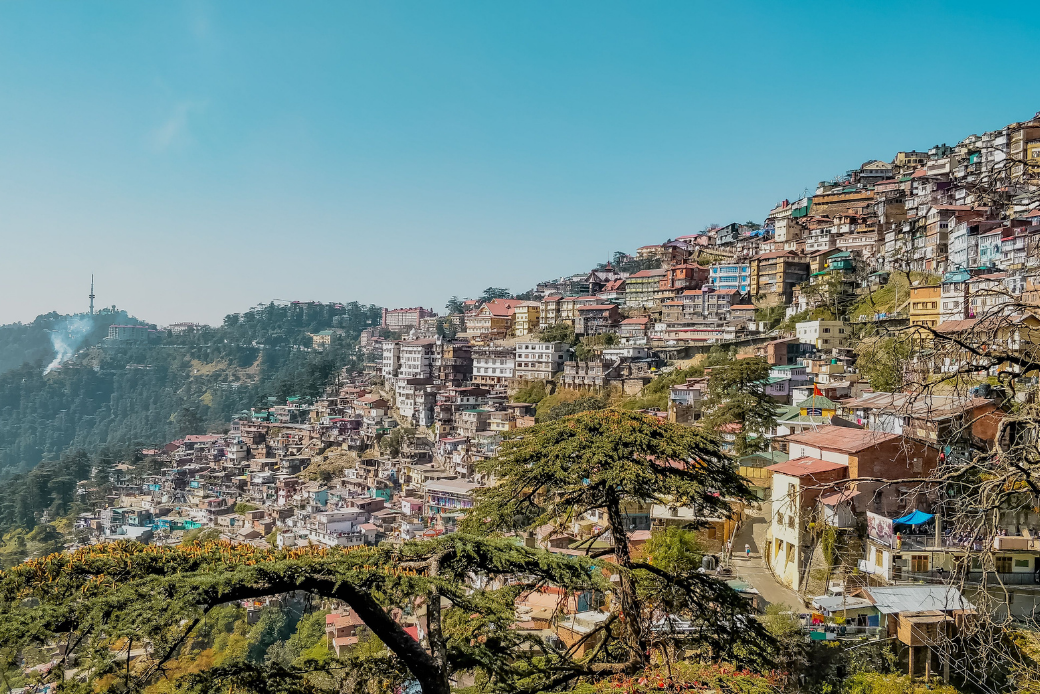
Shimla Tour Package: Holi in the hills is a sensory shift. In the plains, it is often a riot of heat and high-octane energy, but when you ascend the winding roads to Shimla, the festival takes on a crisp, refined, and deeply communal character. The air is thinner, the colors seem brighter against the emerald deodar forests, and the warmth of the sun on a March afternoon feels like a personal invitation to the streets.
The Shimla Holi Festival is not just about the throwing of pigments; it is a celebration of the changing seasons in one of India’s most iconic mountain towns. If you are planning to trade the dusty city streets for the snow-peaked backdrop of the Himalayas this spring, here is what you need to know about experiencing Holi in the "Queen of Hills."
What Makes the Shimla Holi Festival Unique?
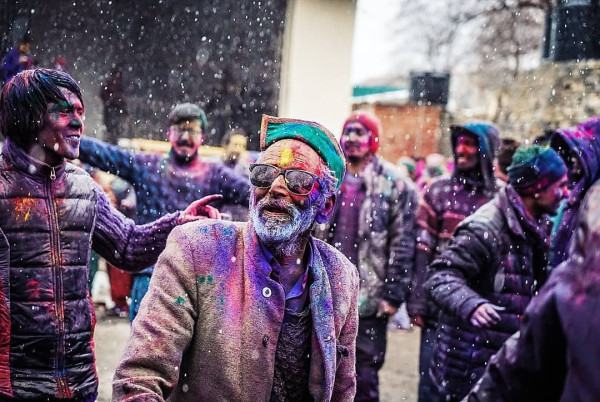
Most people associate Holi with the massive crowds of Mathura or the "Lathmar" traditions of Barsana. Shimla, however, offers a "boutique" Holi experience. The celebration here is a beautiful blend of colonial charm and local Himachali soul.
Instead of overwhelming chaos, you find a sophisticated yet high-spirited gathering. The architecture of the Mall Road provides a Victorian stage for a very Indian festival. Because Shimla is a walking city, the festival happens on foot. There are no cars splashing colored water as they drive by; instead, you have thousands of people walking the Ridge, their faces painted in shades of gulal, laughing against the backdrop of the neo-Gothic Christ Church.
The Cultural Heart of Holi in the Hills
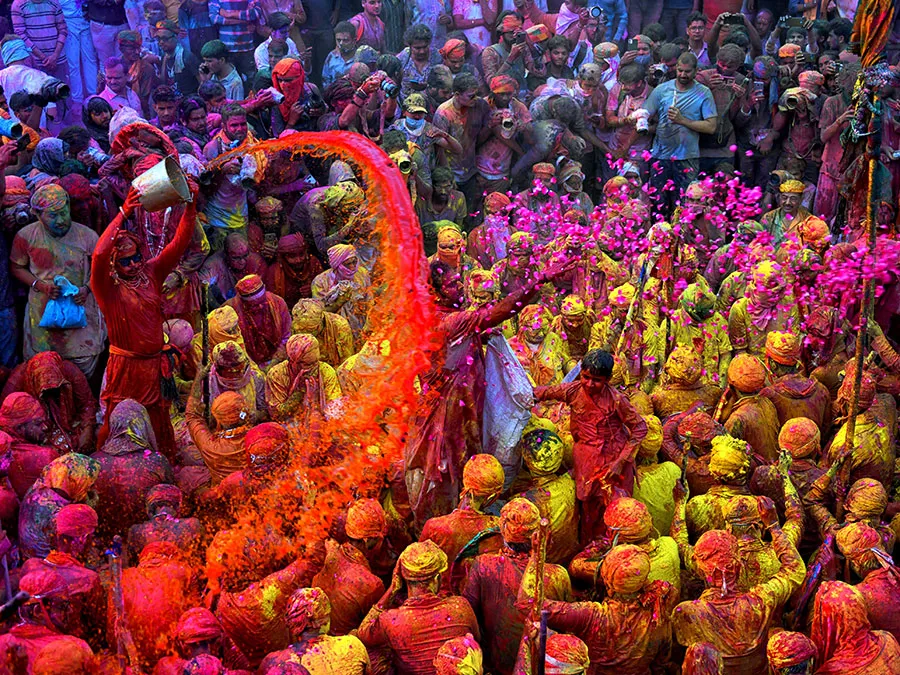
Historically, Holi in Himachal Pradesh marks the end of a long, harsh winter. In the local Pahadi culture, it is a precursor to the "Phagli" festivals and the blooming of the rhododendrons. For the locals, it is a day to set aside the isolation of winter and reconnect with the community.
The cultural significance is rooted in the victory of good over evil symbolized by the Holika Dahan bonfire but it also carries the weight of mountain hospitality. In Shimla, you aren’t just a tourist watching a parade; you are often pulled into local circles, offered sweets, and greeted with a "Holi Mubarak" as if you’ve lived there for years.
How Holi is Celebrated in Shimla
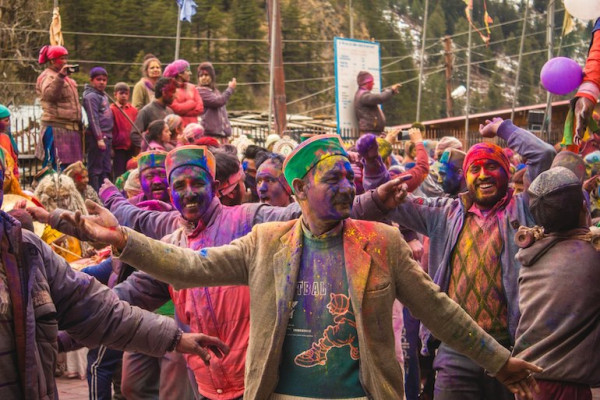
The epicenter of the Shimla Holi Festival is the Ridge. From early morning, groups of locals and tourists converge here. Large speakers are often set up near the Town Hall, and the open space becomes a massive, open-air dance floor.
The play is mostly dry. While you might encounter some water balloons in the lower residential areas, the main tourist hubs prioritize Gulal (colored powder). This makes it much more comfortable for those who want to join the fun without being drenched in the chilly mountain air.
Local Community Festivities
Away from the main tourist drag, in neighborhoods like Sanjauli or Chotta Shimla, the celebration is more traditional. You might hear the beat of the Dhol and Nagara (traditional drums). Local groups often organize small processions where they sing folk songs, moving from house to house to share the festive spirit.
Best Places to Experience Holi in Shimla
- The Ridge: The best spot for the "Big Holi" vibe. This is where you’ll find the music, the largest crowds, and the best photo opportunities with the church and mountains.
- Lower Bazaar: For a more authentic, gritty, and high-energy experience. The narrow lanes amplify the noise and the color, making it feel like a true street festival.
- Middle Bazaar Cafes: If you prefer to watch the madness rather than be in it, grab a balcony seat at one of the cafes overlooking the Mall Road. You get the view, the music, and a hot cup of coffee.
- Resorts in Mashobra or Kufri: Many high-end resorts nearby host private Holi parties with organic colors, traditional "Pahadi Dham" (a festive meal), and live folk music for a more controlled environment.
Weather and What to Expect
March in Shimla is the bridge between winter and spring. It is a temperamental month.
- Temperature: During the day, it can be a pleasant 15°C to 18°C, but the moment the sun dips or a cloud passes, it can drop to 8°C or lower.
- The "Cold Water" Factor: Unlike the plains where a bucket of water is refreshing, water play in Shimla can be bone-chilling. Expect most people to stick to dry colors for this reason.
- Spring Blooms: You’ll likely see the bright red Rhododendron flowers (locally called Chitti) starting to bloom, which adds a natural layer of color to the landscape.
What to Wear and Safety Tips
- Layer Up: Wear a base layer (like a thermal or a thin sweater) under an old white T-shirt. You want to stay warm while looking the part.
- Skin Protection: The mountain sun is deceptively strong, especially when reflected off colors. Apply a thick layer of coconut oil on your hair and skin, and don't forget waterproof sunscreen.
- Footwear: Wear sturdy sneakers with good grip. The Mall Road can get slippery with a mix of water and powder. Avoid flip-flops.
- Secure Your Tech: Use a waterproof pouch for your phone. Even if you aren't playing with water, the fine dust of the gulal can easily get into charging ports and speakers.
- Group Safety: If you are a solo traveler, it is best to stick to the Mall Road and the Ridge where there is heavy police presence and a family-friendly atmosphere.
Food and Local Specialties
You cannot experience the Shimla Holi Festival without indulging in the seasonal treats.
- Gujiya: While common across India, the local bakeries in Shimla do a fantastic version of these sweet, khoya-stuffed dumplings.
- Siddu: For something uniquely Himachali, try Siddu a steamed bread filled with poppy seeds or walnut paste, served with a generous dollop of ghee. It’s the perfect "warm-up" food after playing in the cool air.
- Thandai: You’ll find stalls along the Mall Road serving this traditional milk-based drink, often garnished with rose petals and saffron.
- Pahadi Dham: If you can find a local restaurant or a hotel serving "Dham," don't miss it. It’s a traditional feast cooked in brass vessels, featuring various lentils and madra (chickpeas in yogurt).
Things to Do Around Holi
If you are visiting for 3-4 days, use the time around the festival to explore:
- Jakhu Temple: Hike up to the Hanuman temple for a panoramic view of the town covered in a faint haze of pink and yellow dust.
- Toy Train Ride: Take the Kalka-Shimla heritage train a day before or after the festival. The views of the spring-kissed valleys are unmatched.
- Hike to Glen: A quiet forest area perfect for a post-Holi picnic to escape the remaining crowds.
Travel Tips for Visitors
- Book Early: Holi is a long weekend for many in North India. Hotels on the Mall Road sell out months in advance.
- Transport Constraints: On the day of Holi, public transport (buses and taxis) usually stops running by 10:00 AM and resumes only in the late evening. Plan to be within walking distance of your celebration spot.
- The "Day After" Peace: Stay for a day after the festival. The town becomes remarkably quiet, and the crisp morning air after the "cleanup" is one of the most peaceful times to be in Shimla.
Why Shimla is a Great Holi Destination
Shimla offers a sense of "civilized celebration." It provides the thrill of the festival without the feeling of being overwhelmed. The combination of the cool mountain breeze, the historical backdrop, and the genuine joy of the local people creates an atmosphere that feels more like a grand garden party than a riot. It’s scenic, it’s soulful, and it’s a memory that smells of sandalwood and pine.
Frequently Asked Questions
Is Holi safe in Shimla for solo female travelers? Yes, Shimla is generally very safe. The main areas like the Mall Road are heavily patrolled by police. However, like any major festival, it is advisable to play in groups and finish your outdoor celebrations by early afternoon when the crowds can get a bit rowdy.
Can kids participate in the Shimla Holi Festival? Absolutely. The Ridge is a great place for families. Since the play is mostly dry and centered around music and dancing, it is much easier for children to enjoy without getting cold or scared.
What is the best time to reach Shimla for Holi? Try to arrive at least two days before the festival. This allows you to witness the Holika Dahan on the eve of Holi and ensures you aren't stuck in the heavy traffic that usually hits the Chandigarh-Shimla highway the day before the holiday.
