Discover Amazing Shimla
Shimla, the capital of Himachal Pradesh, is a popular hill station known for its colonial charm, scenic landscapes, and pleasant weather. Travelers can reach Shimla by toy train, road, or air, making it a perfect year-round destination for nature and adventure lovers.
About This Destination
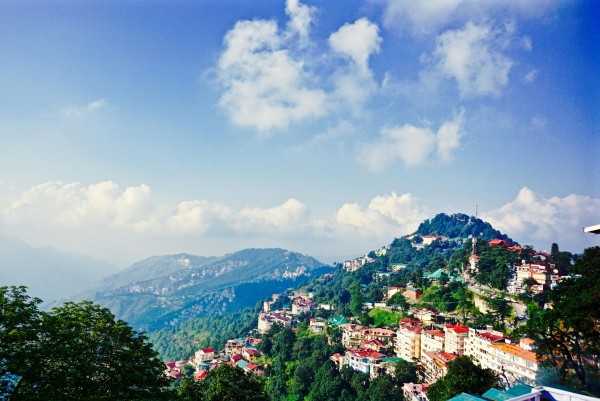
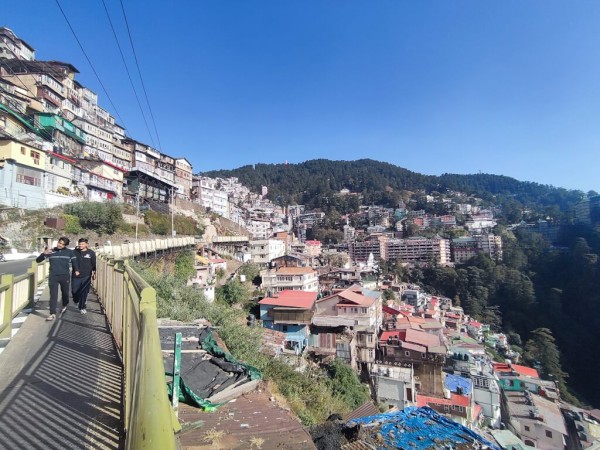
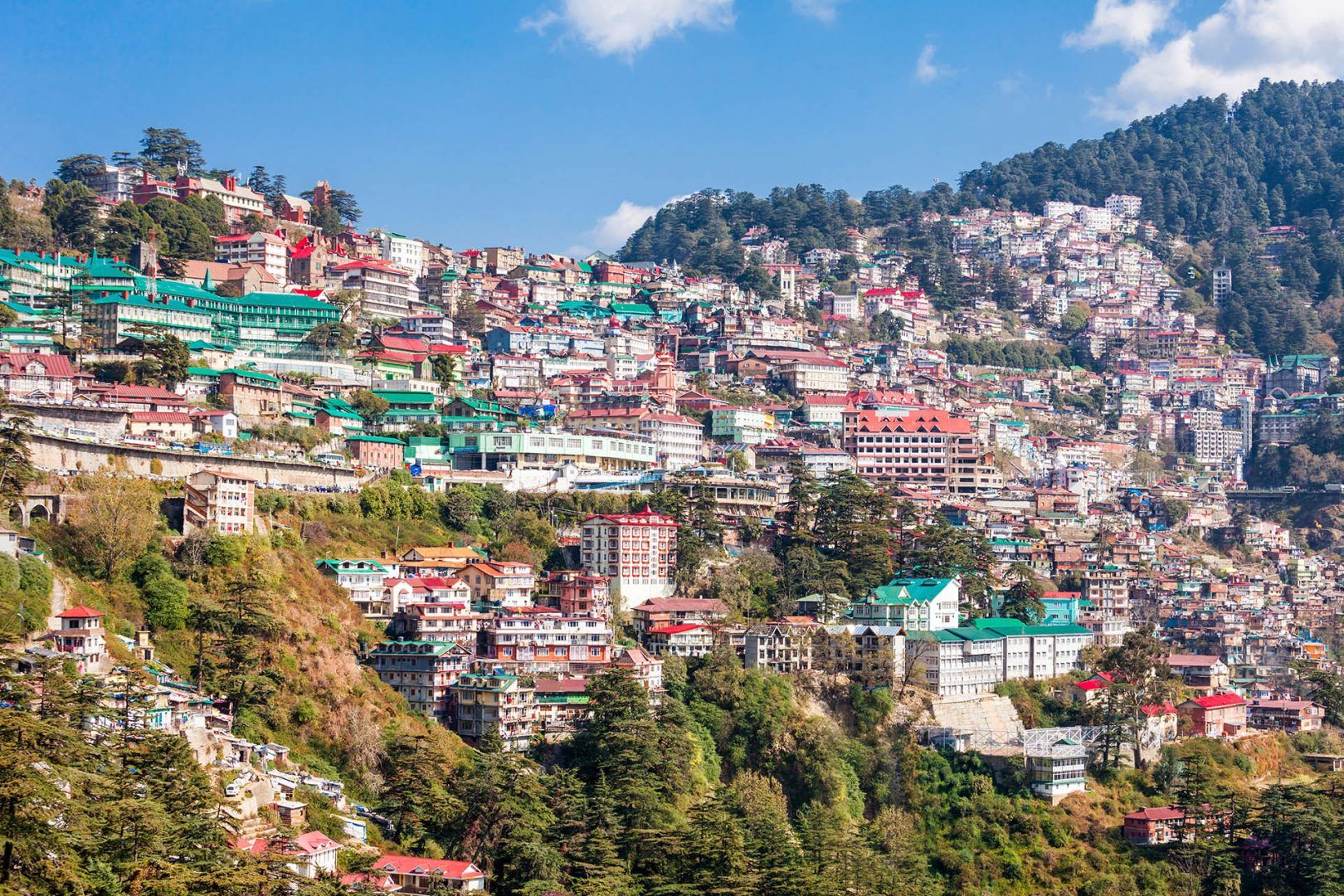
Shimla Tour Package: Nestled at an elevation that ranges from 2,200 to 2,400 meters, Shimla is sprawled across seven hills, offering panoramic vistas of snow-capped peaks, deep valleys, and dense forests of deodar, pine, and oak. Its cool, salubrious climate and picturesque setting were what initially drew the British, who elevated the small township to the prestigious position of the summer capital of British India in 1864, moving their administration here from the heat of Calcutta (now Kolkata).
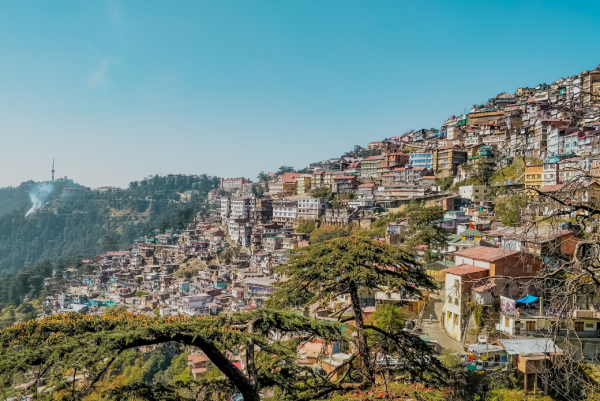
How to Reach Shimla
Reaching Shimla is an experience in itself, with multiple modes of transport leading to this idyllic hill station.
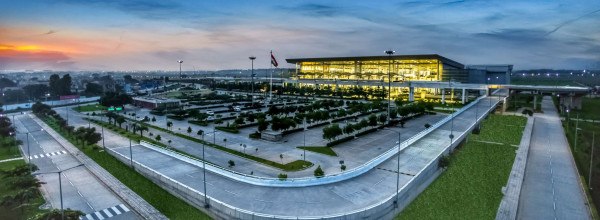
- By Air: The nearest major airport is Chandigarh International Airport (IXC), located about 120 km away. From there, one can hire a taxi or take a bus for the 3.5 to 4-hour scenic road journey. Shimla also has a smaller, regional airport at Jubbarhatti (about 23 km from the city centre), but flights here are infrequent and subject to weather conditions.
- By Rail (Broad Gauge): The nearest broad gauge railhead is Kalka Railway Station (KLK), approximately 90 km from Shimla. Kalka is well-connected to major Indian cities like Delhi and Kolkata via overnight and express trains.
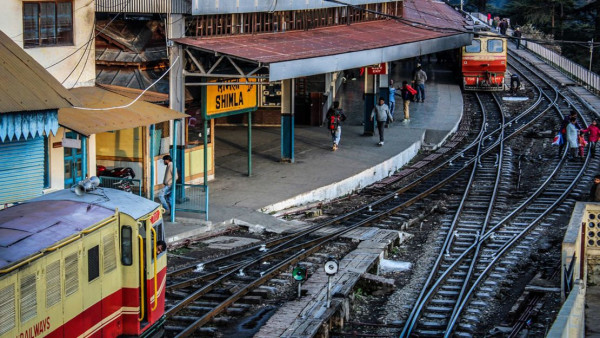
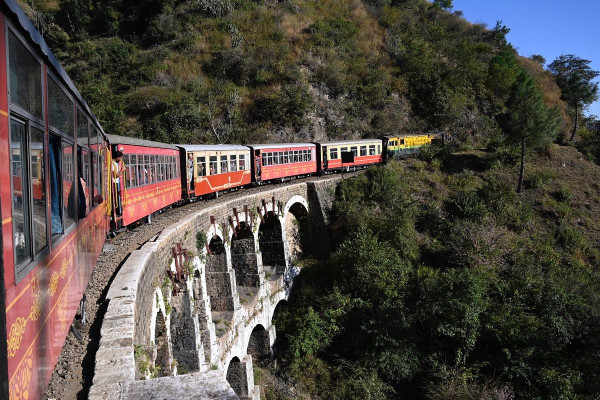
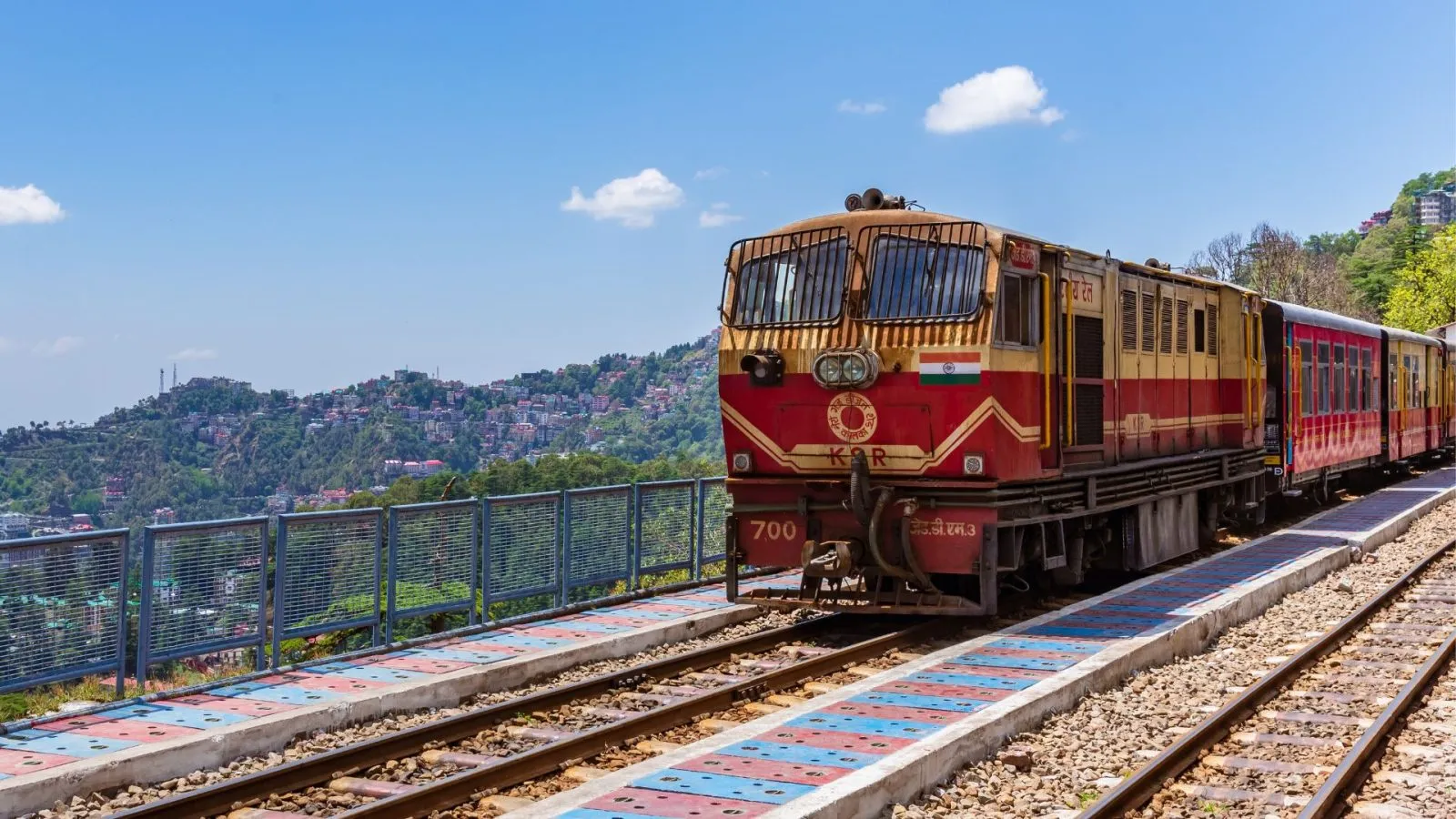
- By Rail (Toy Train/Narrow Gauge): This is arguably the most romantic and iconic way to arrive. From Kalka, the Kalka-Shimla Railway (the Toy Train) operates several services, including the deluxe Shivalik Express and the Himalayan Queen. The slow-paced, 5-6 hour journey is an unforgettable ride, winding through tunnels, over bridges, and past stunning mountain scenery.
- By Road: Shimla is excellently connected by road. The journey from Delhi (approx. 370 km) takes about 8-9 hours, and from Chandigarh (approx. 119 km) about 3.5-4 hours. State-run and private buses, including comfortable Volvo coaches, run frequently from Delhi, Chandigarh, and other major cities in North India. The well-maintained National Highways make for a smooth and scenic drive. Taxis and private cars are also readily available for hire.
Overview: A Journey Through Time
The history of Shimla is inextricably linked with the colonial era. Before 1815, the area was primarily dense forest with only the ancient Jakhu Temple standing as a sign of civilization. Following the Anglo-Nepalese War, the British East India Company took control, and by the 1820s, the first British residences were established. The town rapidly grew into a bustling centre for social, political, and cultural life for the British elite. It hosted many significant political meetings, including the Simla Conference of 1945, which played a crucial role in the lead-up to India's independence.
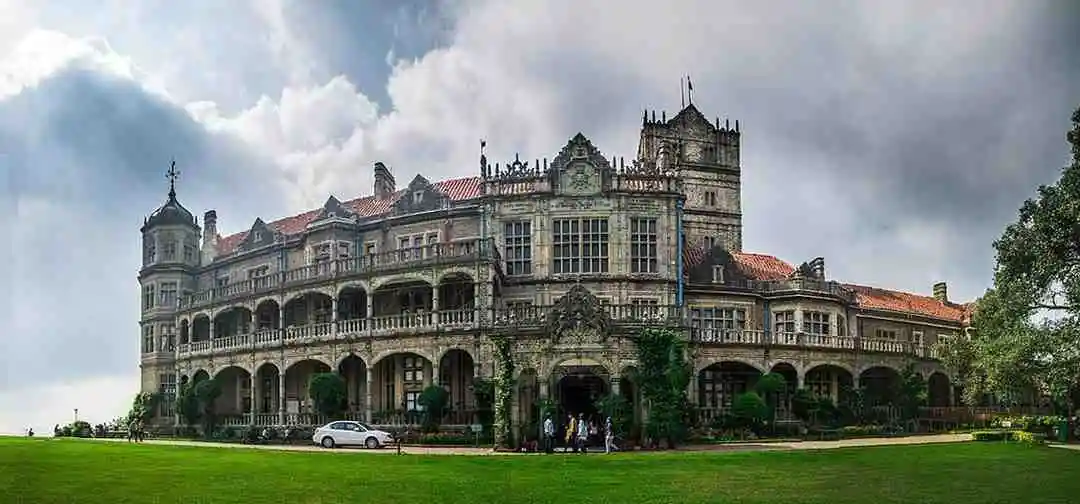
The architecture of Shimla is a stunning testament to its past, a harmonious blend of Tudorbethan and neo-Gothic styles. Key landmarks like the Viceregal Lodge (now the Indian Institute of Advanced Study), Christ Church, Gaiety Theatre, and Gorton Castle remain as magnificent reminders of the colonial period. The city’s main arteries, The Ridge and The Mall Road, are still the cultural and commercial heart of the town, just as they were in the pre-Independence era, with The Ridge offering spectacular views of the Himalayan ranges.
The very lifeline of the town, and a significant part of its heritage, is the Kalka-Shimla Railway. Completed in 1903, this UNESCO World Heritage mountain railway is an engineering marvel, featuring 102 tunnels and over 800 bridges across its 96-kilometre route. It offers one of the most enchanting train journeys in the world, a slow, scenic passage through dramatic landscapes. After India’s independence, Shimla first became the capital of East Punjab and was later made the capital of Himachal Pradesh. Today, it stands as the principal commercial, cultural, and educational hub of the state, radiating a charm that is both historic and refreshingly modern.
Best Time to Visit Shimla
The ideal time to visit Shimla largely depends on the kind of experience a traveller is seeking, as each season offers a unique flavour of the "Queen of the Hills."
- Summer (March to June): This is the peak tourist season and often considered the best time for sightseeing and family vacations. The weather is delightfully pleasant, with temperatures ranging from 15°C to 30°C. The clear skies and fresh breeze are perfect for outdoor activities like trekking, paragliding, and leisurely walks on the Mall Road. The city is vibrant, and the famous Shimla Summer Festival is held in May/June, featuring cultural performances and local crafts.
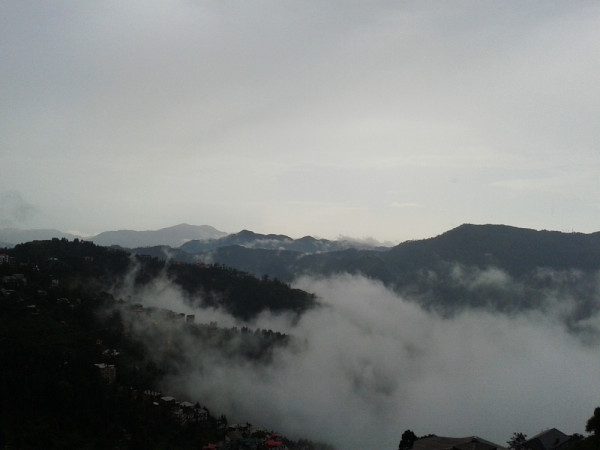
- Monsoon (July to September): The monsoon brings heavy rainfall, which transforms the landscape into a lush, deep green paradise. Temperatures are cooler, between 15°C and 25°C. While the greenery is captivating for nature lovers and photographers, the heavy rains can sometimes cause landslides and road blockages, making travel planning more cautious. This is the off-season, offering fewer crowds and lower hotel prices for budget travellers.
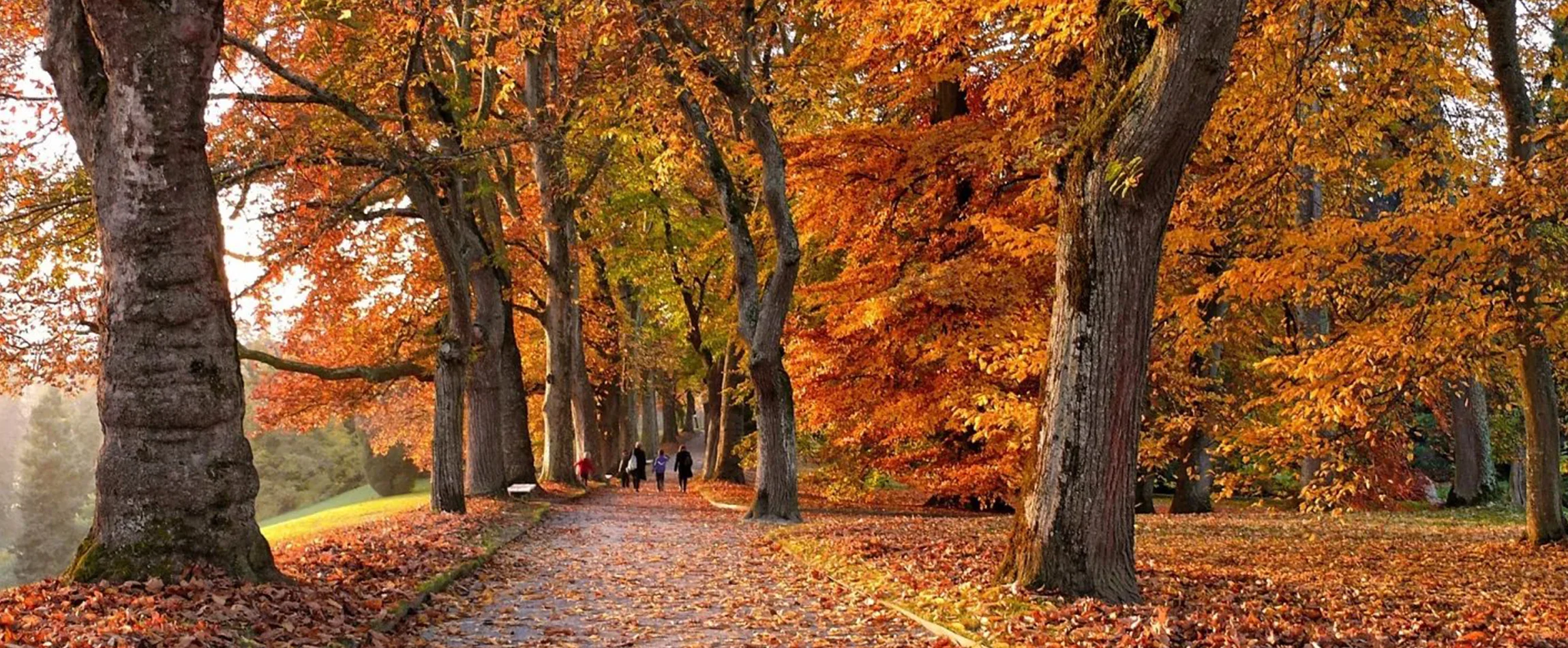
- Autumn (October to November): This transitional period is characterised by crisp air, clear skies, and spectacular autumn colours. With temperatures from 10°C to 22°C, it’s an excellent time for trekking and enjoying the golden hues of the surrounding forests before the heavy winter sets in. The atmosphere is calm, and it’s a great time for heritage walks and photography.
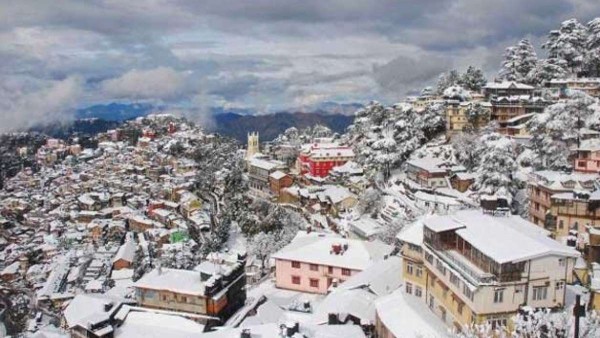
- Winter (December to February): This is the best time for snow lovers and honeymooners. Shimla transforms into a magical white wonderland, especially from late December to early February, when it often experiences heavy snowfall. The temperature drops significantly, ranging from 1°C to 10°C, sometimes dipping further below freezing. Activities like ice skating at the century-old natural ice-skating rink and enjoying a cozy vibe by a fireplace are popular. The Christmas and New Year festivities are particularly vibrant on The Ridge and Mall Road during this time.
Activities to Do and Places to Explore
Shimla offers a rich tapestry of activities, from historical explorations to exhilarating adventure sports, catering to every kind of traveller.
Heritage and Culture
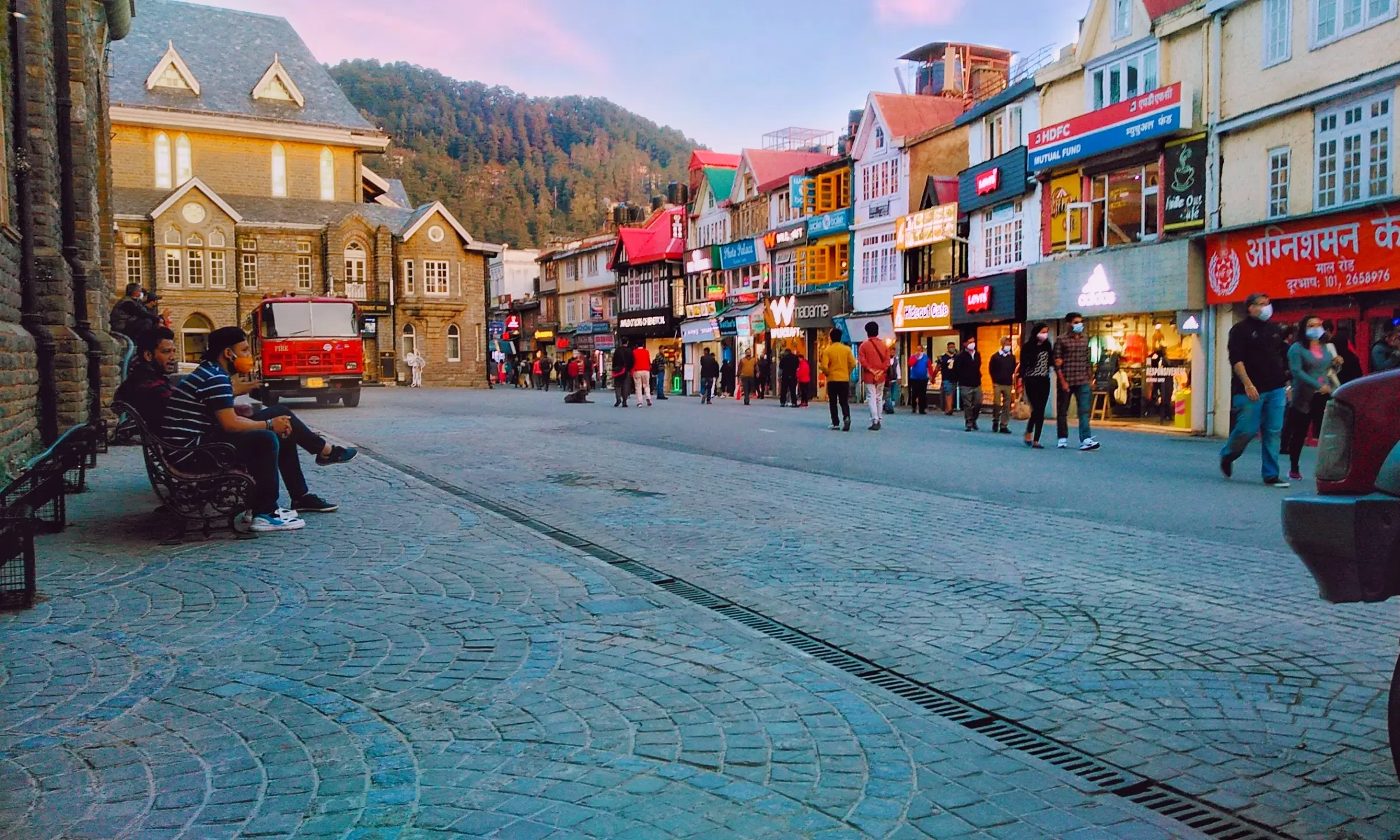
- The Mall Road and The Ridge: These are the heart of Shimla. The Mall Road is the main shopping and eating street, lined with restaurants, banks, and departmental stores. It eventually meets The Ridge, a large open space where you can witness the neo-Gothic architecture of Christ Church, the second oldest church in North India. This area is a pedestrian-only zone, perfect for evening strolls.
- Viceregal Lodge (Indian Institute of Advanced Study): Located on Observatory Hill, this majestic English Renaissance-style building was the summer residence of the British Viceroy of India. Its beautiful lawns and historical significance, including hosting pivotal political talks, make it a must-visit.
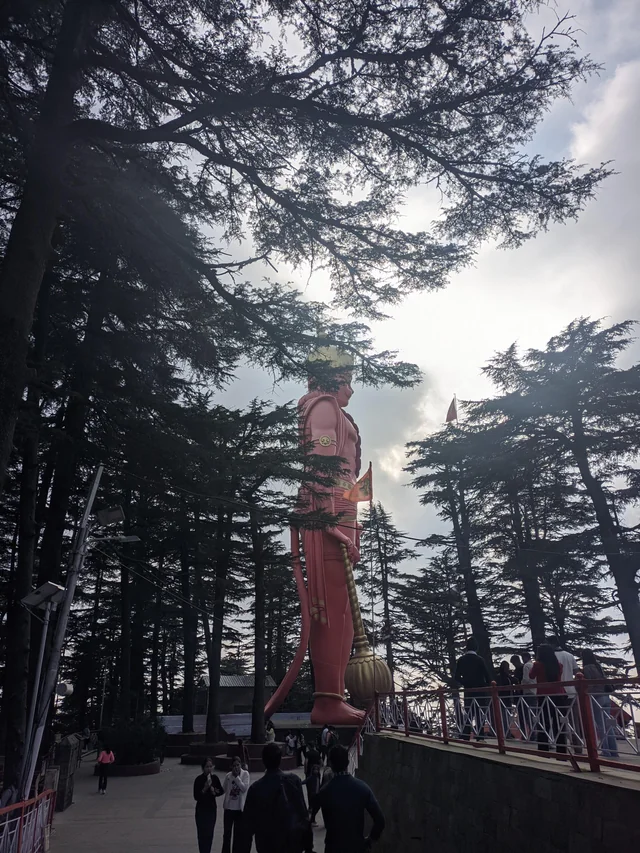
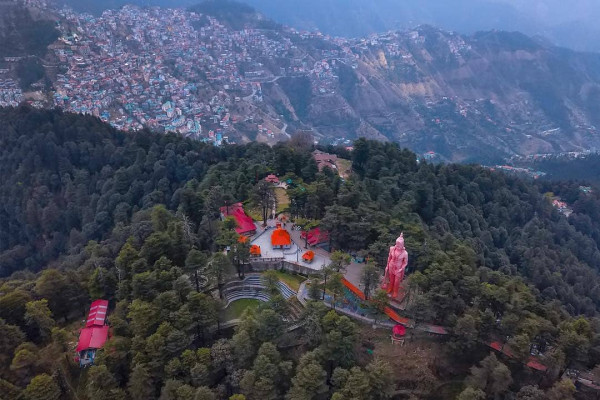
- Jakhu Temple: Perched on the highest peak of Shimla, Jakhu Hill, this ancient temple is dedicated to Lord Hanuman. A gigantic, 108-foot-tall statue of Hanuman is the main attraction, offering a sweeping, panoramic view of the entire city and the surrounding mountains. You can reach it via a challenging trek or a convenient ropeway ride.
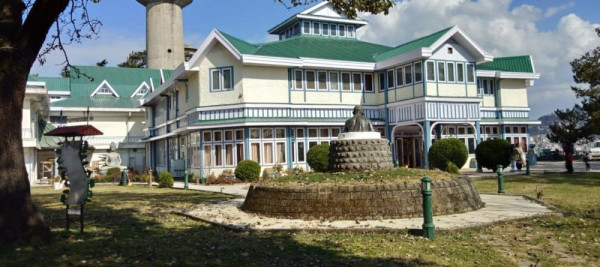
- Himachal State Museum: Located on Mount Pleasant, this museum is a treasure trove of the state's cultural heritage, housing a rich collection of Pahari miniature paintings, sculptures, archaeological artefacts, and coins.
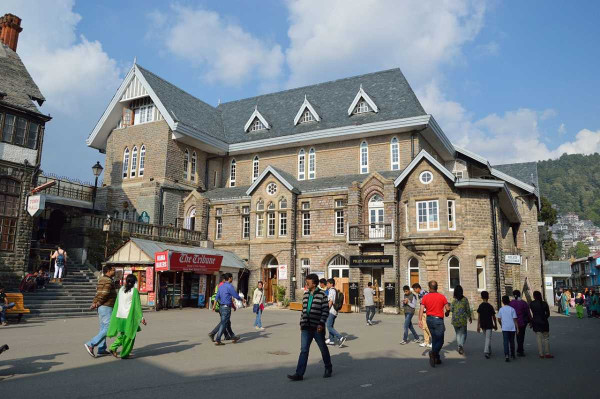
- Gaiety Heritage Cultural Complex: A fine example of Victorian theatre architecture, this complex hosts cultural events and art exhibitions, offering a glimpse into the colonial-era entertainment.
Nature and Adventure
- Kalka-Shimla Toy Train Ride: The slow, scenic journey is a heritage experience in itself, a perfect activity for soaking in the Himalayan landscape.
- Trekking and Hiking: Shimla and its surroundings offer numerous trails. The trek up to Jakhu Temple or the forested path to The Glen, a secluded picnic spot, are popular choices.
- Adventure Sports: For a thrill, you can head to nearby destinations like Kufri or Narkanda, which offer skiing and ice-skating in winter, and horse riding, zorbing, and other adventure activities during the summer.
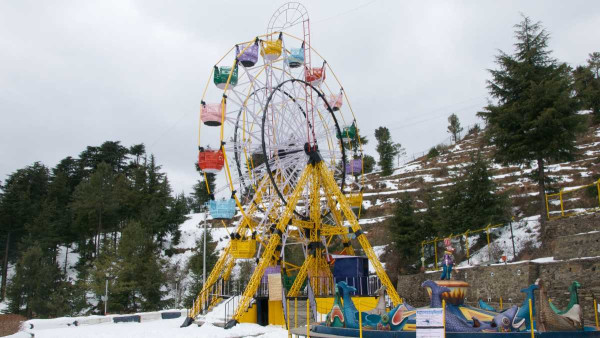
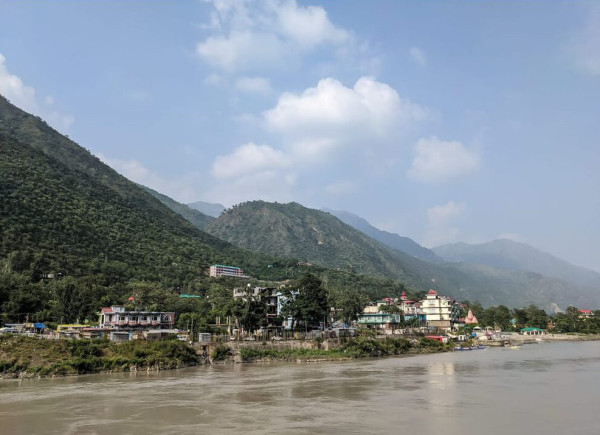
- River Rafting and Hot Springs: A day trip to Tattapani (about 54 km away) on the banks of the Sutlej River offers opportunities for river rafting and relaxing in natural hot sulphur springs, believed to have medicinal properties.
Nearby Cities and Places to Explore
Shimla serves as a perfect base for exploring the breathtaking beauty of the surrounding region, offering a host of smaller, equally charming hill stations and scenic locales.
- Kufri (13 km): A small hill station famed for its winter sports. It’s an adventure hub offering skiing and tobogganing during the snowy months. Throughout the year, one can enjoy horse riding and the views from Mahasu Peak. The Himalayan Nature Park here is home to rare animal species. Kufri is typically a half-day or full-day excursion from Shimla.
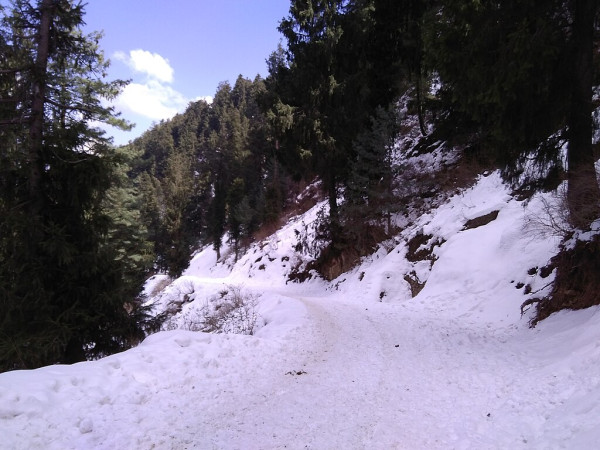
- Mashobra (10 km): A quieter, more serene retreat than Shimla, Mashobra is covered in dense deodar forests and is known for its exquisite natural beauty. It’s ideal for nature walks, camping, and soaking in the tranquil environment. The annual Sipi Fair is a local cultural highlight here.
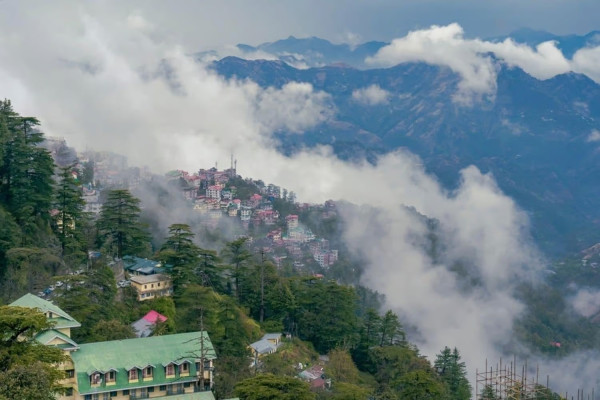
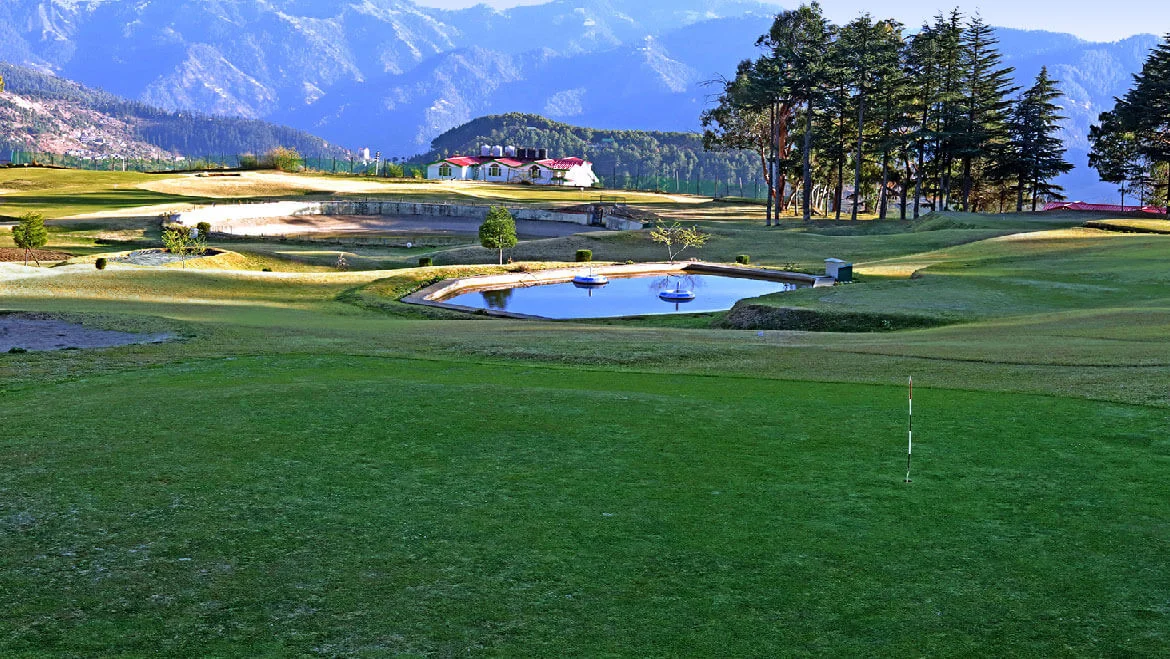
- Naldehra (22 km): Famous for its beautiful, sprawling 9-hole golf course, one of the oldest in India, which was laid out by Lord Curzon. The landscape is dotted with dense cedars, making it a scenic spot for a peaceful day trip.
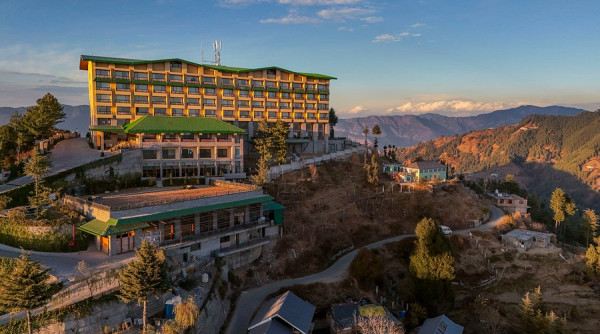
- Fagu (20 km): Offering magnificent, unobstructed views of the snow-capped Himalayan range, Fagu is a tiny village surrounded by stunning fruit orchards and terraced fields. It is a photographer's delight, especially during the blooming season.
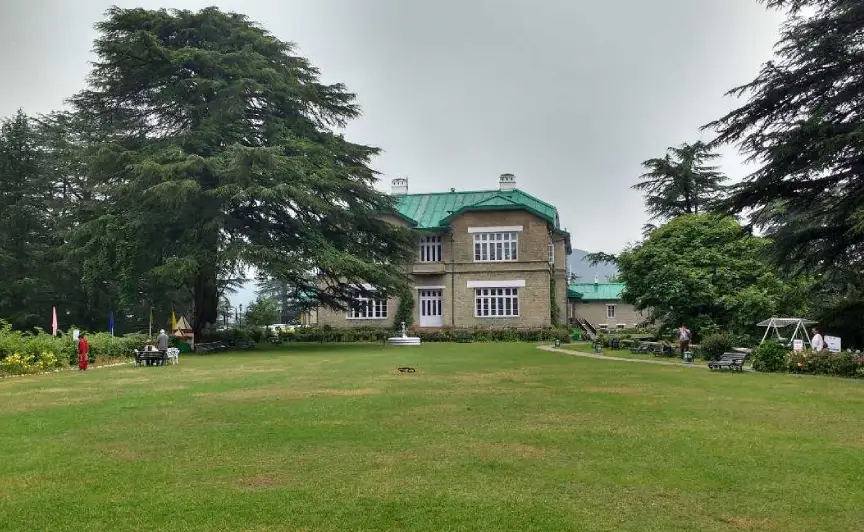
- Chail (45 km): Once the summer retreat of the Maharaja of Patiala, Chail is popular for its royal connection and tranquil atmosphere. It boasts the world’s highest cricket ground and the beautiful heritage Chail Palace Hotel. Chail, Kufri, and Shimla are often covered together in a popular tourist circuit.
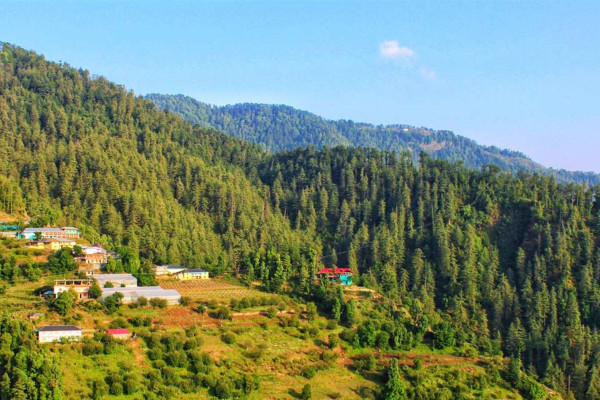
- Narkanda (60 km): A slightly higher and colder destination, Narkanda is famous for the Hatu Peak (3,400 m), which offers a stunning 360-degree view of the surrounding valleys and mountains. It is also a popular spot for skiing in the winter.
Exploring these nearby destinations allows a deeper appreciation of the region's diverse landscapes and quiet mountain culture, perfectly complementing a trip to the bustling, historic heart of Shimla.
Top Things to Do & Activities in Shimla
Discover a world of unforgettable experiences and top activities at this destination! Whether you’re seeking adventure, cultural immersion, relaxation, or family fun, find the best things to do—from sightseeing and outdoor adventures to culinary delights, spiritual journeys, and local events. Enjoy every moment and make your trip truly memorable!