Shimla Tour Package: Every year, as the plains of India begin to simmer under the scorching sun, the "Queen of Hills" prepares for her most spectacular transformation. The Shimla Summer Festival is not just an event; it is a heartbeat. It is the moment when the colonial architecture of the Ridge meets the rustic charm of Himachali folk, creating an atmosphere so electric that even the pine trees seem to sway to the rhythm of the Nati dance.
Since its inception in 1960, this festival has grown from a local celebration of a bountiful harvest into an international cultural phenomenon. Whether you are a solo backpacker looking for authentic experiences, a family seeking a wholesome vacation, or a music lover chasing the next big concert, this festival offers a sanctuary of joy amidst the cool mountain breeze.
History and Significance of Summer Festival Shimla
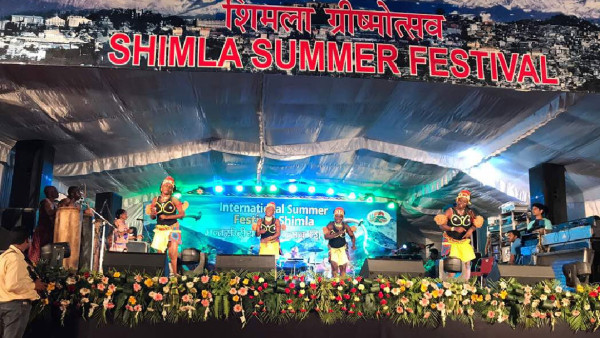
To truly enjoy the festival, one must understand its roots. Historically, the people of the Himalayas have always been deeply connected to the land. The festival was originally conceived to express gratitude for a successful harvest and to welcome the pleasant summer months.
Over the decades, the Himachal Pradesh government recognized the potential of this gathering to showcase the state's unique identity to the world. Today, it serves as a platform where:
- Artisans from remote valleys bring their handmade woolens and woodcraft.
- Local Artists get to share the stage with Bollywood celebrities.
- Youth engage in social awareness themes (the 2025 theme being "Drive Against Drugs").
Key Highlights of the Shimla Summer Festival
Witness the "Cham" (Masked) Dances
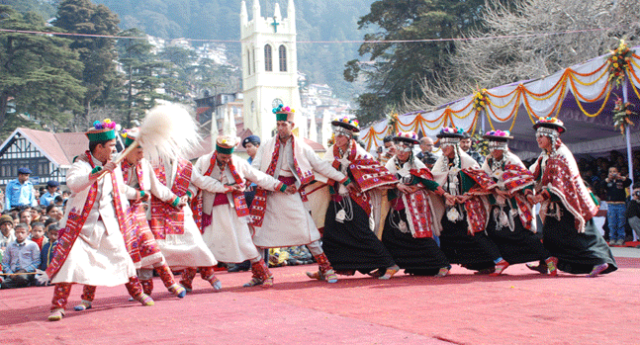
While the Nati is common, look out for specific tribal troupes from Kinnaur and Lahaul-Spiti. They often perform ritualistic masked dances that are rarely seen outside these remote valleys, symbolizing the triumph of good over evil.
Taste "Siddu" with Fresh Ghee
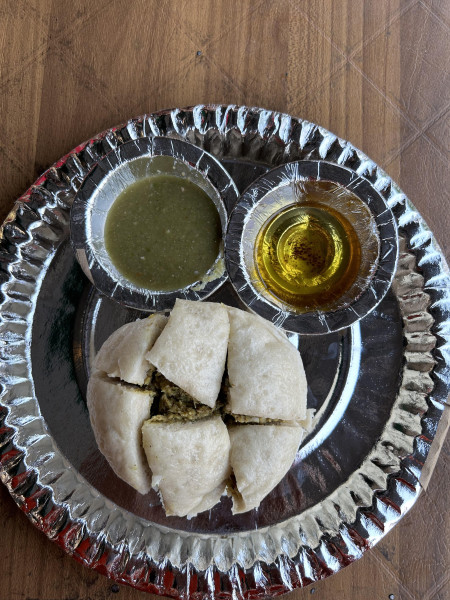
Forget the pizzas on Mall Road. Head to the festival food stalls and ask for Siddu. It’s a local fermented wheat bread steamed to perfection. The real trick is to eat it the traditional way: drenched in a bowl of warm, melted desi ghee.
Attend the Flower Show at Gaiety Theatre
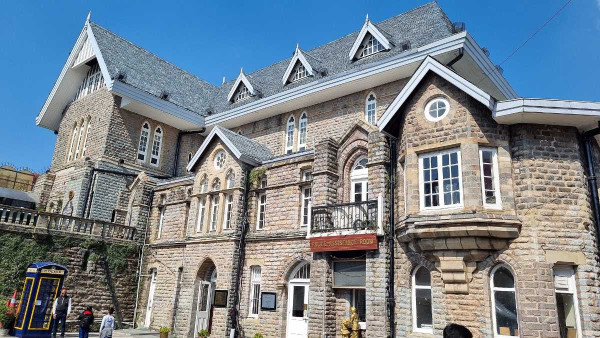
The historic Gaiety Theatre often hosts a flower exhibition alongside the festival. Look for the "Identificiation of Flowers" sessions where local school kids compete to name rare Himalayan species it’s a great way to learn about local botany.
Watch the School Cultural "Clash"
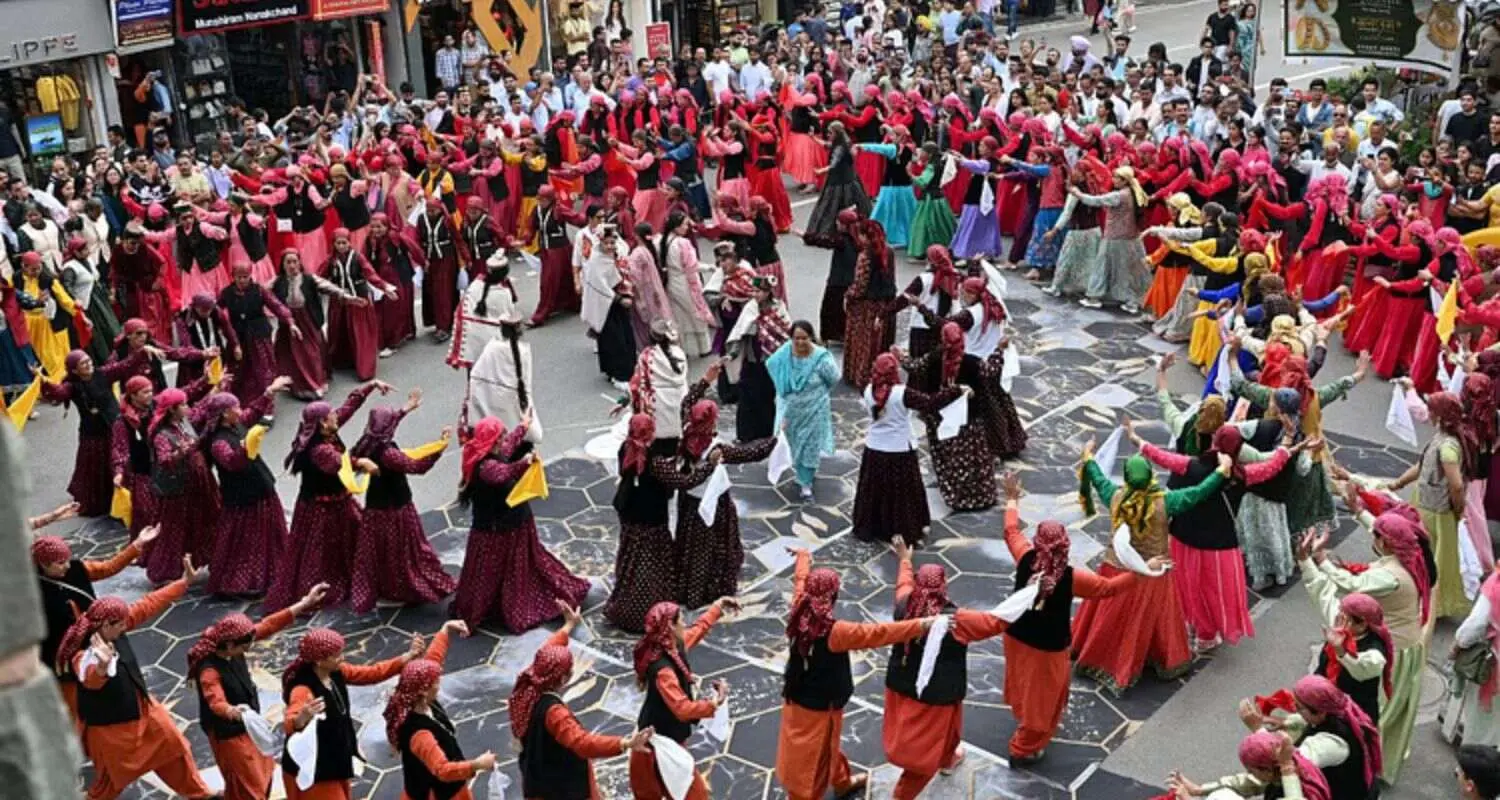
Every afternoon, different schools from the district compete in folk singing and dancing. The energy is incredible because every local parent is there cheering. It’s the most heartfelt, less "commercial" part of the day.
Experience a "Kangri Dham" Thali
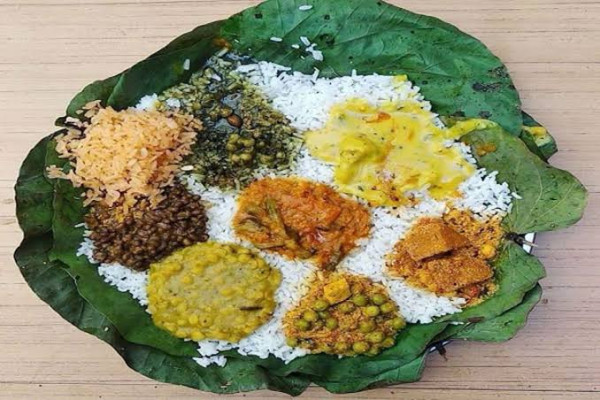
While "Dham" is usually for weddings, special stalls at the Ridge serve this multi-course traditional feast. Look for the Mandyali Dham if you like spice, or Kangri Dham for a more yogurt-based, subtle flavor profile.
Spot the "Himalayan Monal" Embroidery
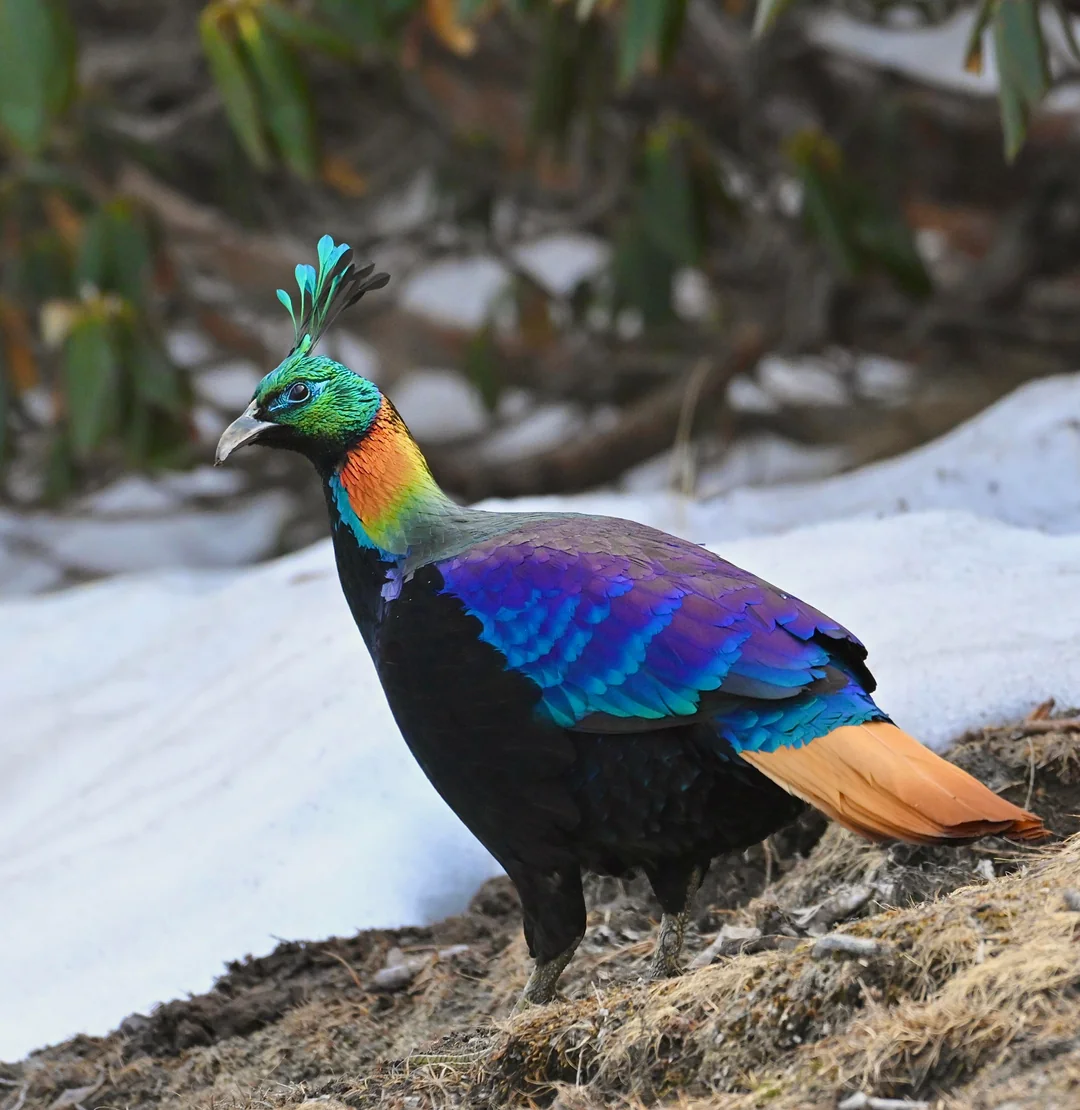
At the handicraft stalls, look for local artisans from the interior villages. Instead of mass-produced shawls, look for hand-embroidered caps (topis) featuring the vibrant colors of the Monal bird the state bird of Himachal.
Participate in the Photography Competition
The festival usually runs an open-entry photography contest. Even if you aren't a pro, capturing the candid smiles of the dancers or the sunset behind Christ Church and submitting it can win you local recognition and a unique souvenir.
Sip "Gud-Chai" (Jaggery Tea) at Night
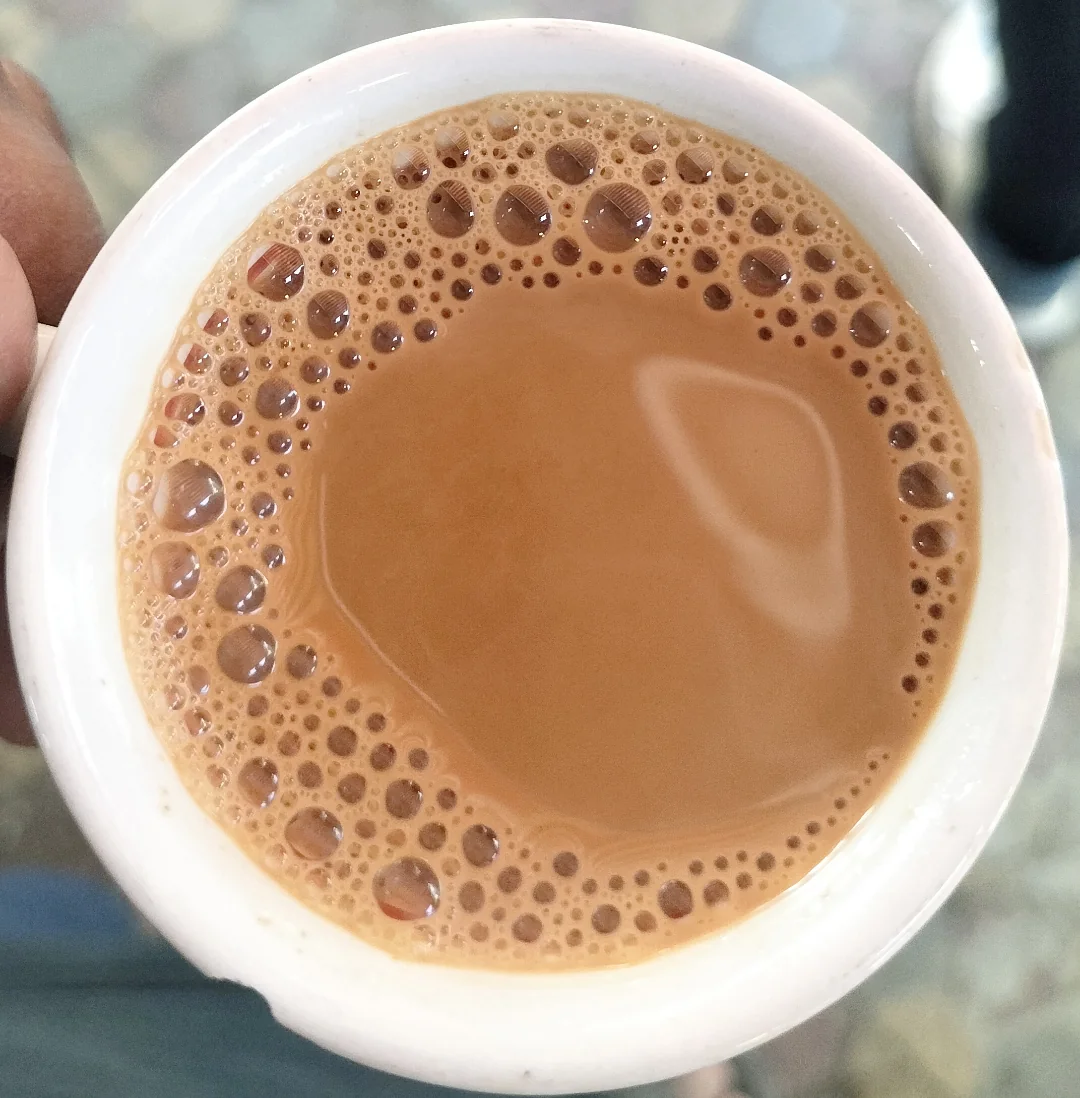
As the temperature drops during the Star Nights (concerts), the Ridge gets chilly. Skip the coffee and find a stall selling Gur-Wali Chai. It’s a local favorite to keep the throat warm while singing along with the performers.
Browse the "Poster-Making" Gallery
Walk through the displays of posters made by local youth on social themes. It gives you a real insight into the contemporary thoughts, struggles, and hopes of the young generation living in the hills today.
Ride the during Festival Week
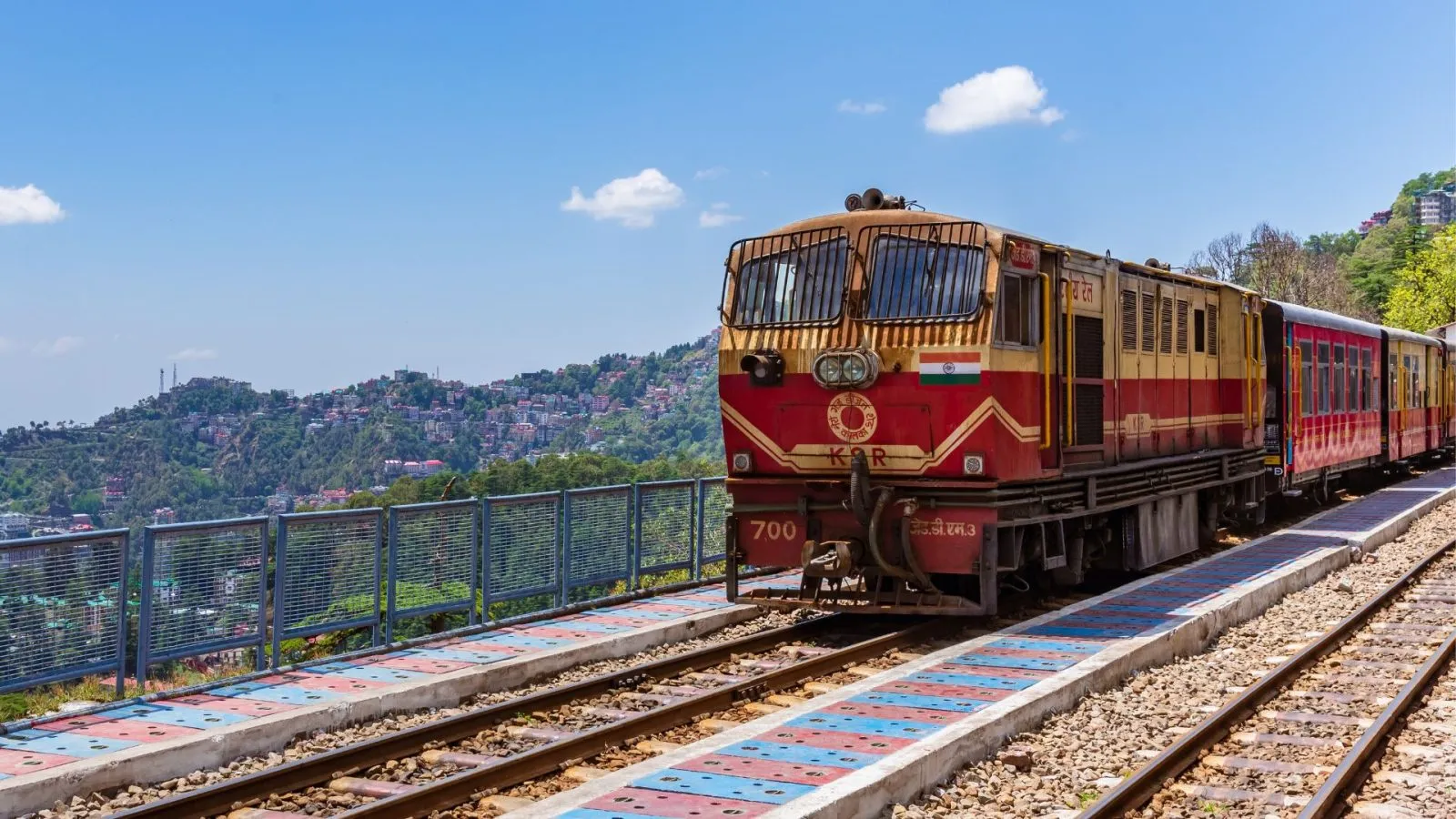
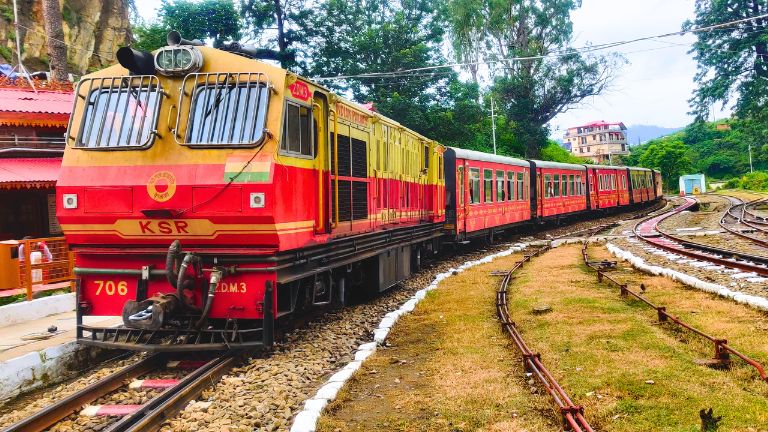
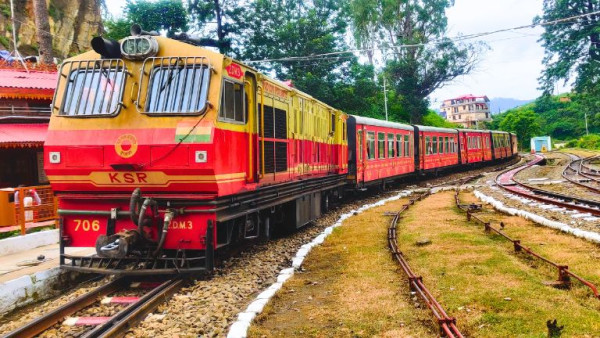
While not on the Ridge, the Kalka-Shimla Toy Train is extra festive during this time. The stations are often decorated, and you’ll meet many families traveling from the plains specifically for the opening ceremony.
Catch the "Star Night" Finale
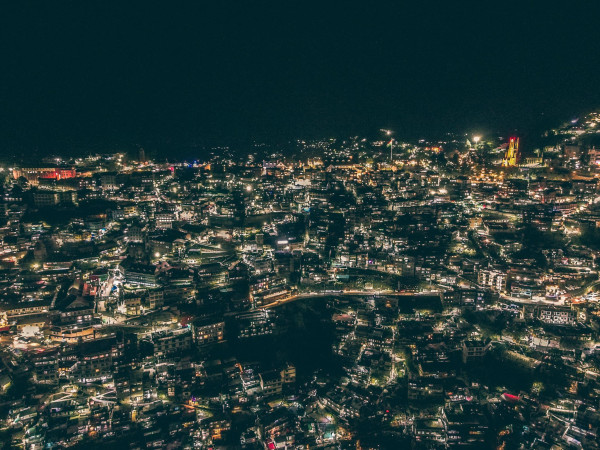
On the final night, there is usually a massive fireworks display over the mountains. The best view isn't on the crowded Ridge, but slightly further up at Jakhu Hill or from the Scandal Point benches, where you can see the lights reflecting off the valley.
A Simple Guide for Your 2026 Visit
|
Category |
Details |
|
Dates |
June 1st to June 5th, 2026 |
|
Primary Venue |
The Ridge Maidan, Shimla |
|
Entry Fee |
Free for Everyone |
|
Theme 2025 |
Drive Against Drugs (Social Awareness) |
How to Reach Shimla
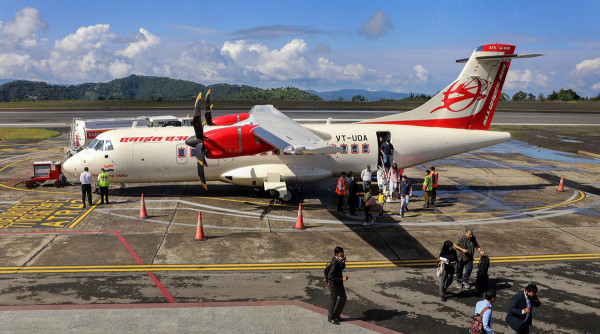
- By Air: Fly to Jubbarhatti Airport (22 km from Shimla). Taxis are easily available to take you to the city center.
- By Rail: For a magical experience, take the Kalka-Shimla Toy Train. This UNESCO World Heritage ride offers breathtaking views of 103 tunnels and hundreds of bridges.
- By Road: Shimla is well-connected by NH-5. You can take a luxury Volvo bus from Delhi (8-9 hours) or Chandigarh (3-4 hours).
Food to Explore
A visit to the Shimla Summer Festival is incomplete without indulging in "Dham" the traditional feast of the state. Stalls at the Ridge offer:
- Siddu: A steamed bread stuffed with opium seeds or walnut paste, served with dollops of ghee.
- Madra: A creamy chickpea curry made with yogurt and a blend of 20 spices.
- Babru: The Himachali version of kachoris, perfect with a hot cup of tea.
- Chha Gosht: For meat lovers, this slow-cooked lamb in a buttermilk gravy is a must-try.
Shopping
While the Mall Road is always there, the festival stalls bring hidden gems from the interior districts:
- Kullu Shawls: Renowned for their geometric patterns and warmth.
- Lakkar Bazaar Finds: Exquisite wooden walking sticks and kitchenware.
- Traditional Jewelry: Look for silver ornaments and turquoise-studded pieces.
- Handmade Pickles: Try the Lingad (fiddlehead fern) pickle for a unique taste.
